TorontoOntario · 36 tours
 Niagara FallsOntario · 25 tours
 New York CityNew York · 30 tours
 Las VegasNevada · 8 tours
 San FranciscoCalifornia · 16 tours
 VancouverBritish Columbia · 17 tours
 DubaiUAE · 54 tours
 Abu DhabiUAE · 5 tours
 Buenos AiresArgentina · 23 tours
 AthensGreece · 31 tours
 AucklandNew Zealand · 38 tours
 CancunMexico · 54 tours
No destinations match “”. Try searching all tours instead — that search understands full questions, not just place names.
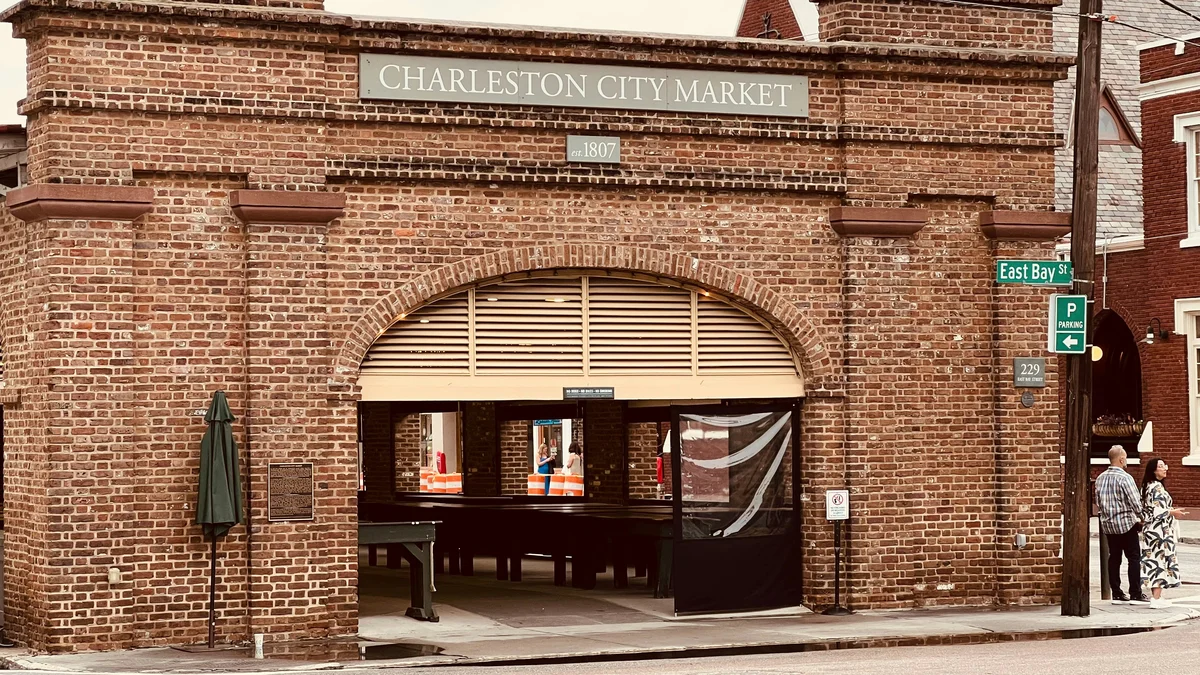
Charleston City Market is a real historic market on land given to the city in 1788 for a public market, running four blocks through the heart of the city's historic district. Today it houses local vendors selling crafts, art, food, and souvenirs, including genuine Gullah sweetgrass basket weavers who still practice a craft passed down from enslaved West African artisans generations ago. According to the National Park Service, the Market Hall and Sheds are one of a small number of market complexes still extant in the United States.
 Private Tours
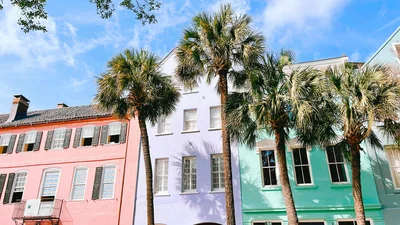
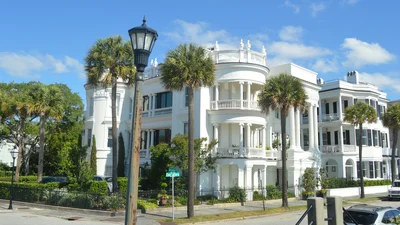
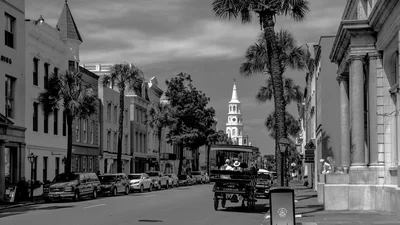
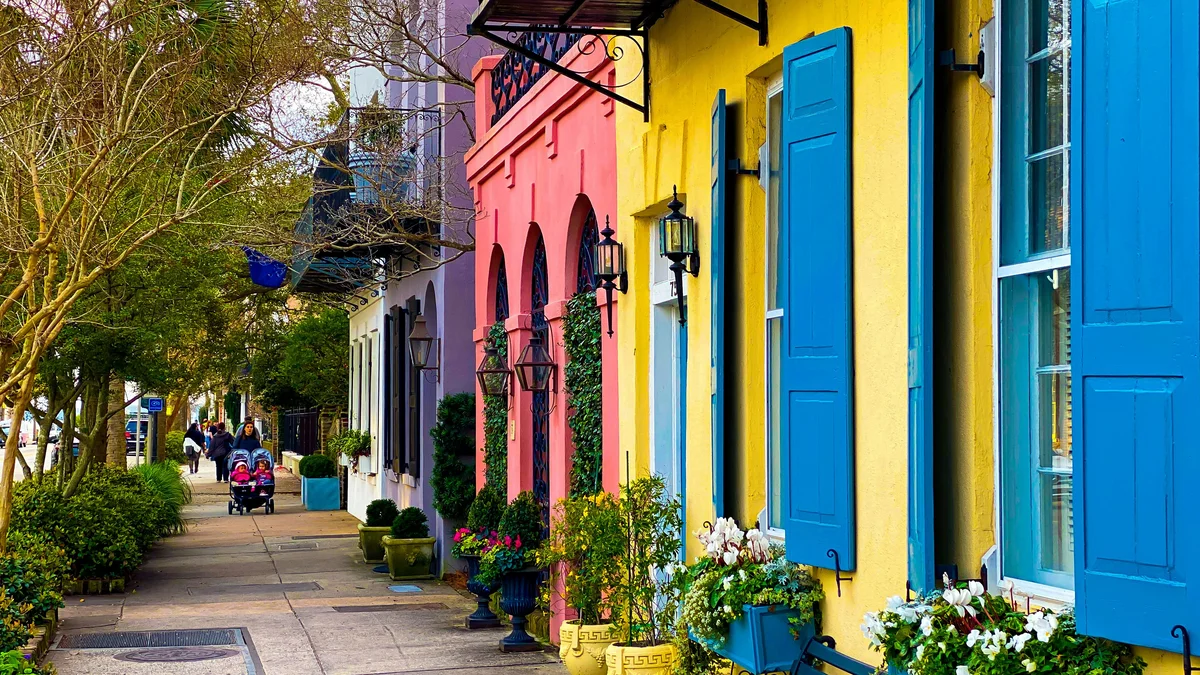
A private walking tour led by a real named local guide — Charleston City Market, St. Philip's Church, the Old Slave Market, Rainbow Row, and the Battery, with the city's real, sometimes difficult history told honestly.
 Private Tours
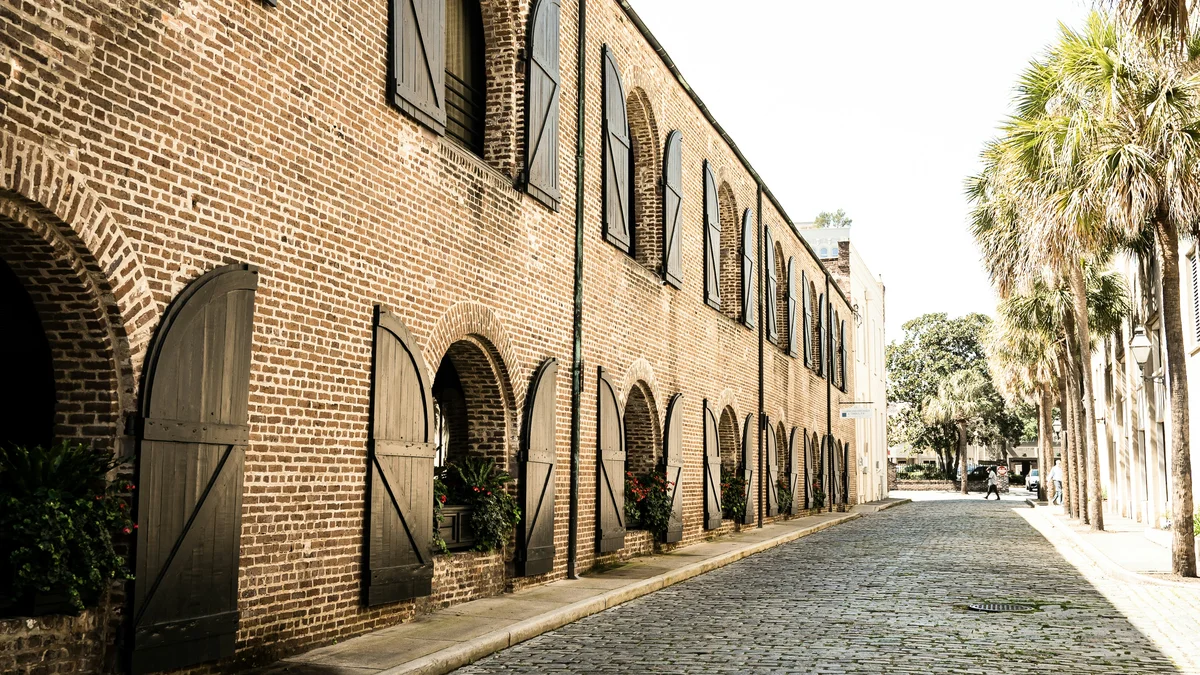
A private walking tour led by a real named local guide, through Charleston's genuine hidden alleys and pathways — the quieter, lesser-seen side of the historic district.
Visitor guide
Charleston City Market is a historic market complex in downtown Charleston, South Carolina, made up of the Greek Revival Market Hall on Meeting Street and a long run of one-story open sheds that stretch toward the waterfront. Market Hall and Sheds is a National Historic Landmark, and the sheds still host vendors selling Lowcountry crafts, including sweetgrass baskets.
The market grew from land that Charles Cotesworth Pinckney and neighbors gave to the city in 1788 for a public market on reclaimed marshland. Early plans stalled, and the market took shape in the first decades of the 19th century; the National Park Service dates the existing Market Hall and Sheds complex to 1840-41, and the sheds now stretch about 1,240 feet. Stalls were rented by the day, with a slightly higher rate for a stall with a marble slab to keep meat and fish cold.
A fire in 1838 destroyed the earlier market buildings. Local architect Edward Brickell White designed the replacement, built in 1840-41, with a frieze decorated with sheep and bull skulls as a nod to the meat trade. A 1938 tornado badly damaged the market, and a museum has occupied the hall's upper floor since 1899.
Like everything in antebellum Charleston, the market operated within a slave society. Enslaved people worked in and around it, including selling produce and goods brought in from the surrounding plantations, and free and enslaved residents mixed here daily. The market is sometimes mistaken for a slave market, but sources state that enslaved people were not sold at the City Market; sales took place elsewhere, such as the Old Exchange Building and the Old Slave Mart on Chalmers Street. The Old Slave Mart is now a museum and is the place to understand that part of the city's history.
The market is closely associated with Gullah sweetgrass basketry, a coiled-basket tradition with West African roots that has been practiced in the Lowcountry for generations. The baskets were originally working tools, used to winnow rice. The market's own materials say more than 50 resident artisans work here, though that figure comes from the operator, so treat it as approximate. Some weavers come from families that have woven for several generations.
Market Hall is a Greek Revival building with a raised story above an open arcade and a pedimented portico; sources differ on whether the portico columns are Tuscan or Doric. The National Park Service describes the hall and sheds as the only surviving market buildings in Charleston. The complex was designated a National Historic Landmark on November 7, 1973.
Voyzo runs this as a private tour, with your own vehicle and driver and door-to-door pickup, so you can set the pace and spend as long as you like at each stop. The market works well as part of a wider historic-district route; check the operator for current vendor hours.
See every tour and attraction we cover in Charleston.