TorontoOntario · 36 tours
 Niagara FallsOntario · 25 tours
 New York CityNew York · 30 tours
 Las VegasNevada · 8 tours
 San FranciscoCalifornia · 16 tours
 VancouverBritish Columbia · 17 tours
 DubaiUAE · 54 tours
 Abu DhabiUAE · 5 tours
 Buenos AiresArgentina · 23 tours
 AthensGreece · 31 tours
 AucklandNew Zealand · 38 tours
 CancunMexico · 54 tours
No destinations match “”. Try searching all tours instead — that search understands full questions, not just place names.
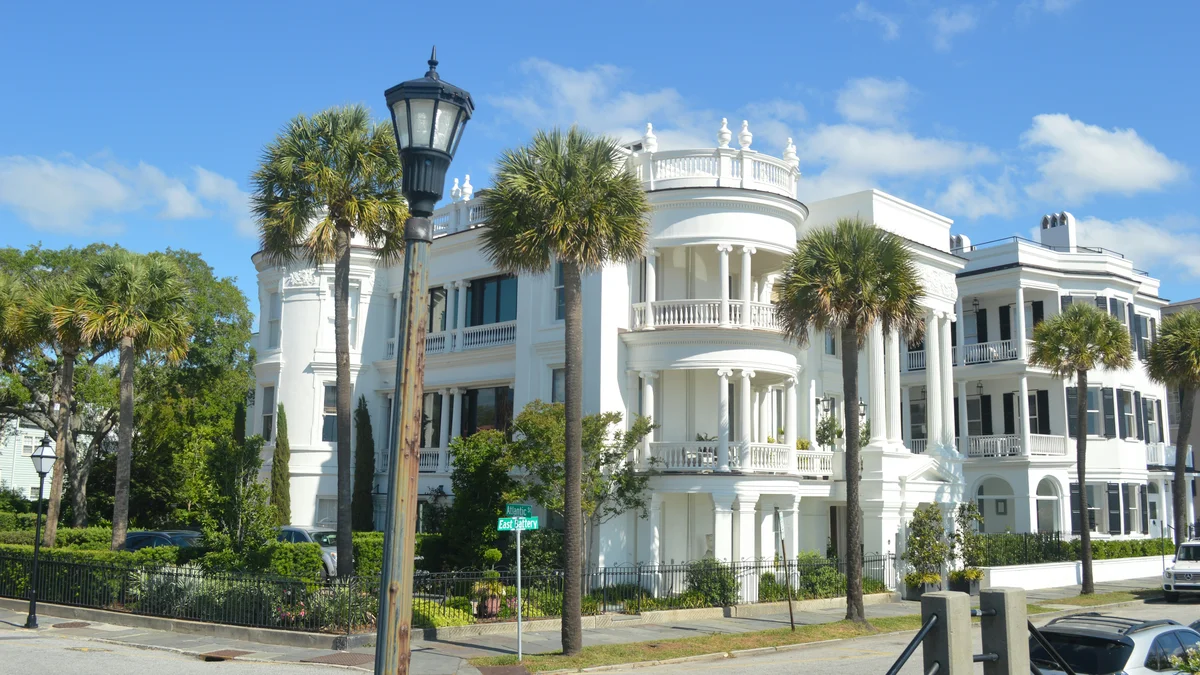
The Battery is a real historic promenade and seawall at the southern tip of the Charleston peninsula, where the Ashley and Cooper Rivers meet the harbor and look out toward Fort Sumter. It's lined with grand antebellum mansions built by the city's wealthiest merchants and planters in the 18th and 19th centuries, many still private homes today. White Point Garden, the park at its point, holds Civil War-era cannons and monuments commemorating the city's maritime and military history.
 Private Tours
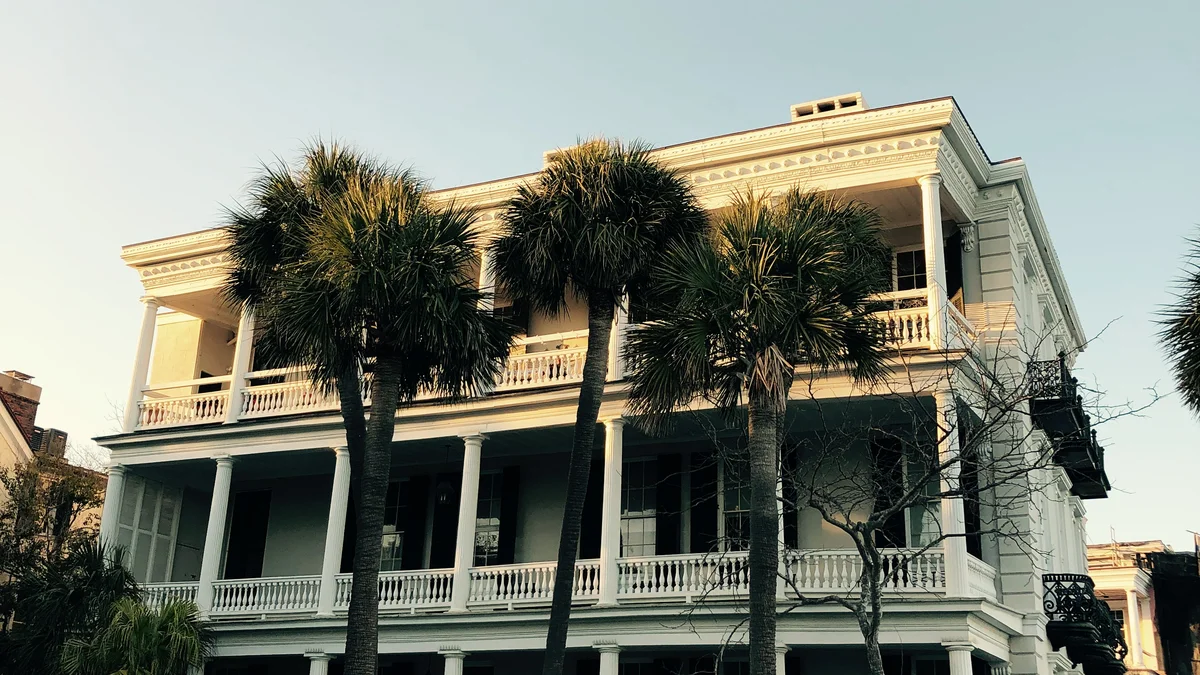
A private SUV driving tour, tailored to your group only, covering Charleston's real historic district, with a real named local guide.
 Private Tours
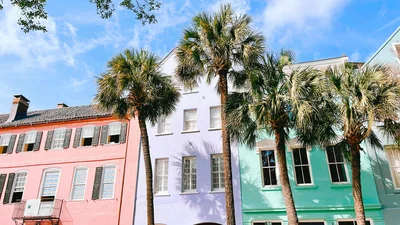
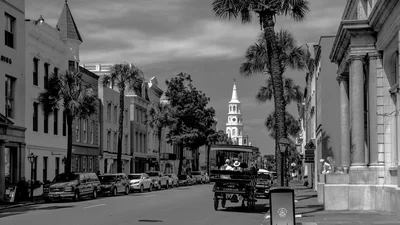
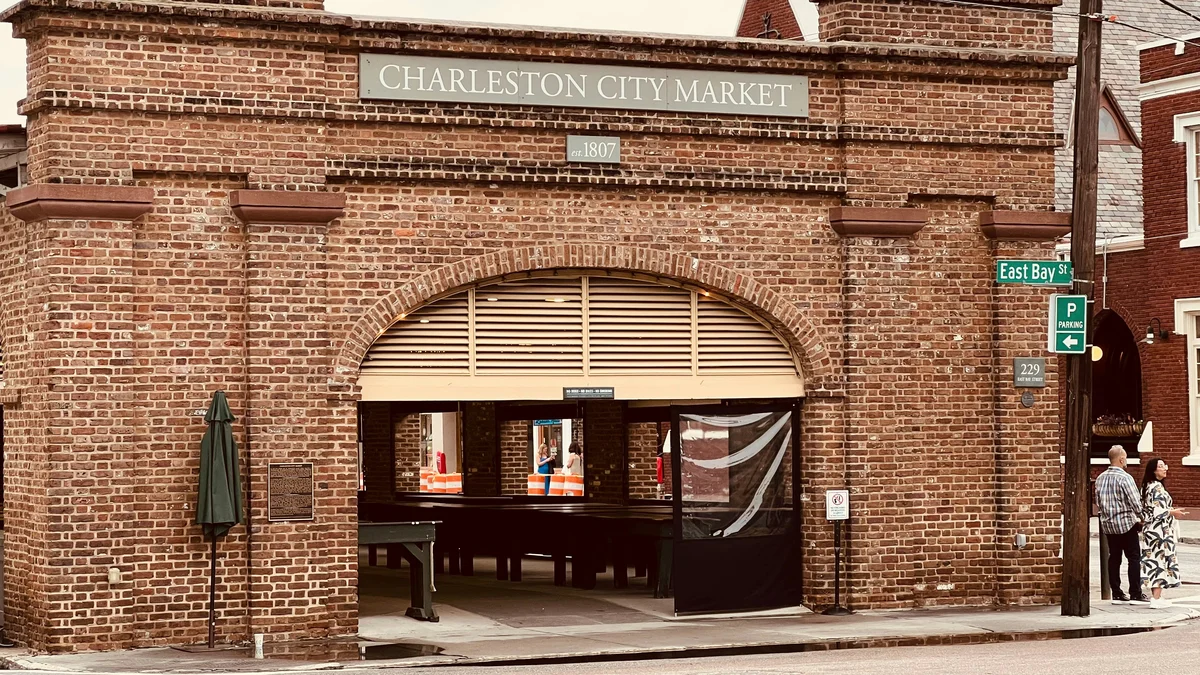
A private driving tour for your group only, up to 4 guests — real stops at Randolph Hall, St. Michael's Church, the South Carolina Society Hall, the Nathaniel Russell House's garden, Williams Mansion, South Battery, Rainbow Row, and Tradd Street.
Visitor guide
The Battery is the seawall and promenade along the lower edge of the Charleston, South Carolina peninsula, where the Ashley and Cooper Rivers meet to form Charleston Harbor. It takes its name from the artillery batteries that once stood here, and it is lined with stately, mostly antebellum houses and anchored by the park at its southern tip, White Point Garden.
The tip of the peninsula was known as Oyster Point and White Point from the late 17th century, names linked to the bleached oyster shells the first colonists noted there. Forts stood here early on; Broughton's Battery, later called Fort Wilkins, was built here in 1737. Over the 18th century, rock and other heavy material were used to fortify the Cooper River shoreline, and the existing stone and masonry seawall was completed in 1820, by which time the promenading grounds at the tip of the peninsula were commonly known as the Battery.
The park behind it, White Point Garden, was laid out as a public pleasure ground in the late 1830s; sources give 1837 or 1838 for the change. During the Civil War the garden was given over to earthworks and heavy guns, including a position later known as Battery Ramsay. Accounts record that Charlestonians gathered along the High Battery on the morning of April 12, 1861, to watch the bombardment of Fort Sumter.
White Point Garden covers about 5.7 acres and is dotted with cannons, memorials and statues. Among the markers are a monument to the defenders of Fort Moultrie (added in 1877), a bust of the writer William Gilmore Simms (1879), a memorial to the crew of the submarine H.L. Hunley (1899) and a 2007 statue of William Moultrie. Guns from the Union ironclad USS Keokuk, which sank in April 1863, were installed in the park around 1899-1900, depending on the source. The bandstand was built in 1906 and 1907 and restored in 2010.
The houses along East Battery and South Battery are the other draw. Examples named in the record include the Edmondston-Alston House at 21 East Battery and the Roper and Ravenel houses, with many of the buildings still private homes. From the promenade you can look across the harbor toward Fort Sumter, Fort Moultrie and Sullivan's Island, and the aircraft carrier USS Yorktown is visible in the distance.
The Battery is also a working piece of flood protection. A 2004 city structural report warned that the seawall needed serious attention, and the city announced a restoration project in 2012. Tropical Storm Idalia pushed water over the Battery in August 2023. The name "Battery Park" is common in conversation, but the City of Charleston does not use it officially.
Voyzo runs this as a private tour, with your own vehicle and driver and door-to-door pickup, so you can set the pace and spend as long as you like at each stop. That suits the Battery well: you can drive the curve of East Battery and South Battery past the houses, then step out for White Point Garden and the harbor view. Check the city for any current access notices before you go.
See every tour and attraction we cover in Charleston.