TorontoOntario · 36 tours
 Niagara FallsOntario · 25 tours
 New York CityNew York · 30 tours
 Las VegasNevada · 8 tours
 San FranciscoCalifornia · 16 tours
 VancouverBritish Columbia · 17 tours
 DubaiUAE · 54 tours
 Abu DhabiUAE · 5 tours
 Buenos AiresArgentina · 23 tours
 AthensGreece · 31 tours
 AucklandNew Zealand · 38 tours
 CancunMexico · 54 tours
No destinations match “”. Try searching all tours instead — that search understands full questions, not just place names.
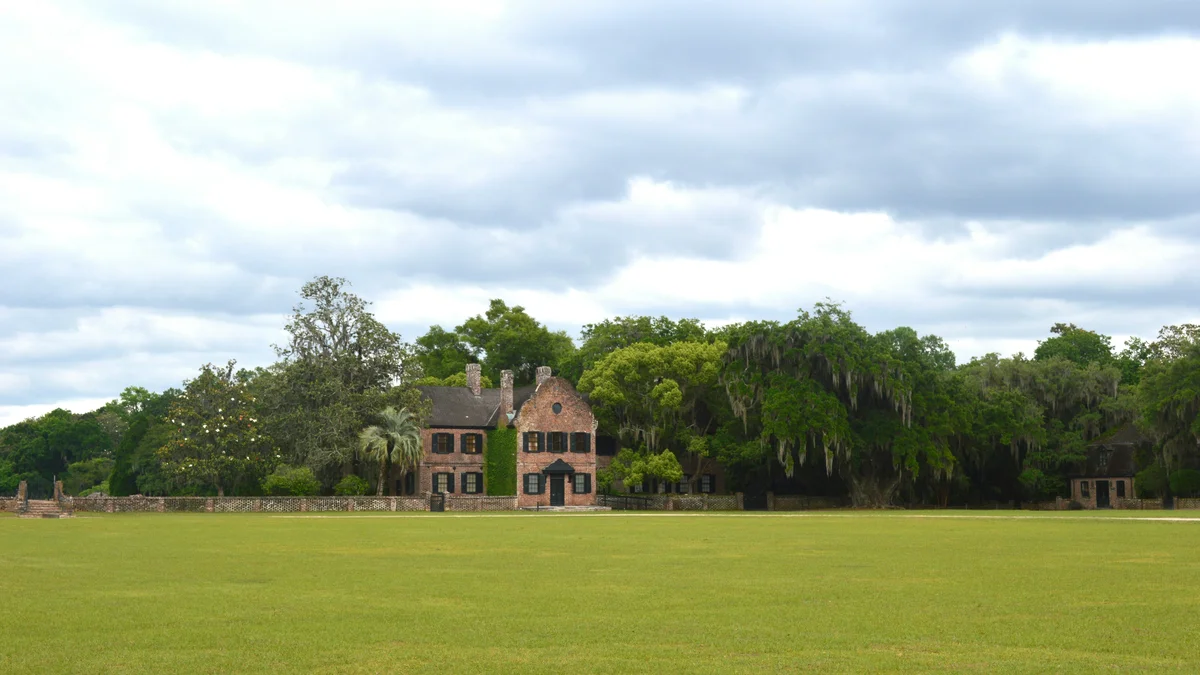
Middleton Place is a real National Historic Landmark on the Ashley River, home to gardens thought to be the oldest surviving formal landscaped gardens in the United States, first laid out in 1741 by the Middleton family. The grounds include terraced lawns, ornamental lakes shaped like butterfly wings, and a working stableyard demonstrating 18th- and 19th-century plantation trades. The property also preserves difficult history honestly, including exhibits on the enslaved people whose labor built and maintained the plantation.
 Private Tours
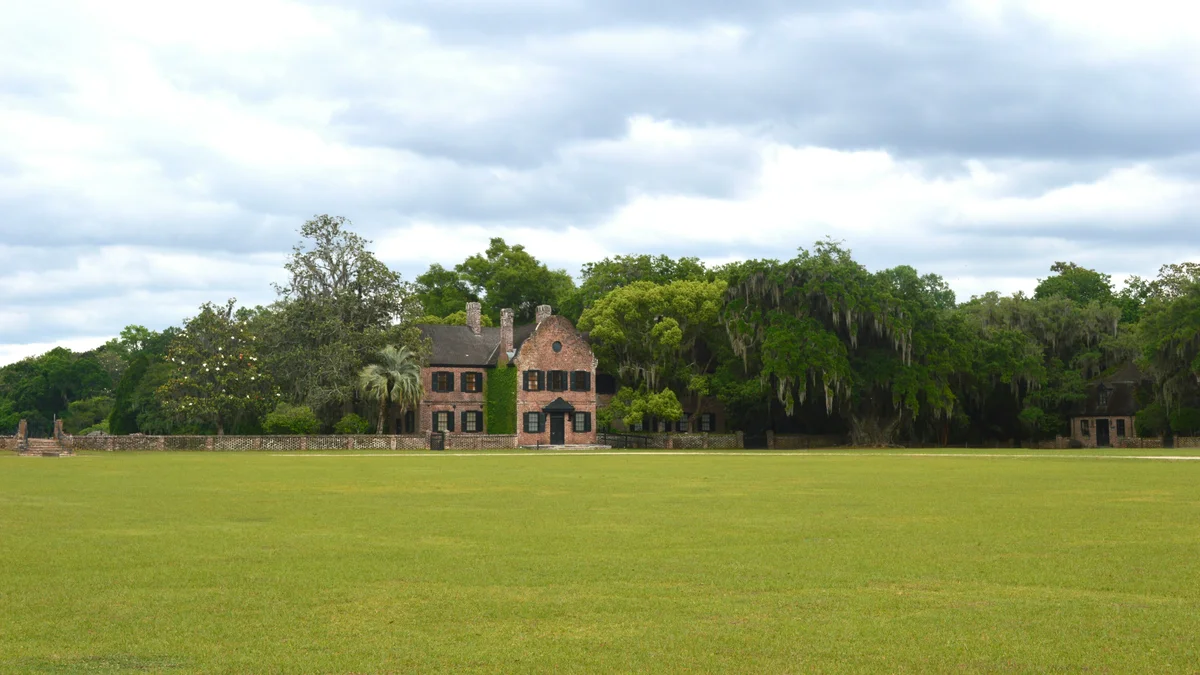
A private, half-day chauffeured excursion for your group only, with a box lunch included — real stops at Drayton Hall, Magnolia Plantation and Gardens, and Middleton Place, along the historic Ashley River corridor.
 Private Tours
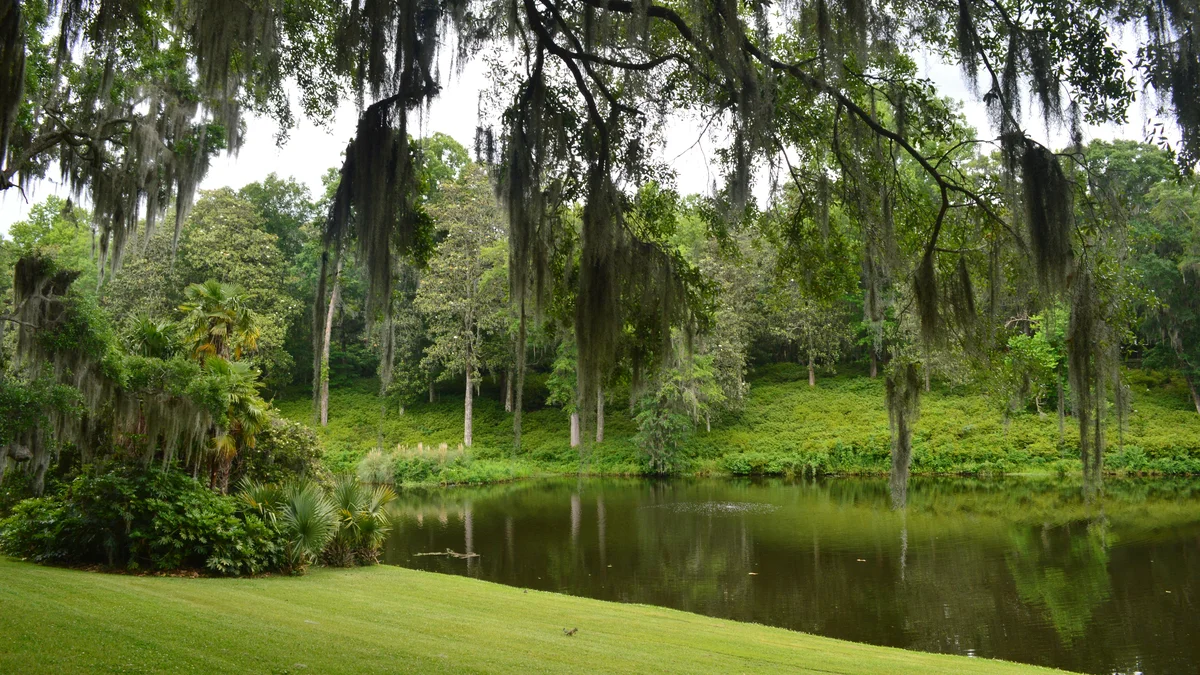
A private tour with a certified local guide and private transportation, dedicated to Middleton Place — America's oldest landscaped formal gardens, dating to 1741.
Visitor guide
Middleton Place is a former rice plantation on the Ashley River, about 15 miles northwest of downtown Charleston, now run as a museum by the nonprofit Middleton Place Foundation. Its formal gardens, begun in 1741, are described as the oldest landscaped gardens in the United States, and the site is a National Historic Landmark District.
The plantation was likely started in the late 1730s by John Williams. When his daughter Mary married Henry Middleton in 1741, the estate took the Middleton name. According to the Middleton Place Foundation, the three-story brick house on the bluff came with Mary's dowry in 1741 (the South Carolina state register dates its central block to about 1738); Henry began planning the gardens that year and added flanking wings in 1755 while further developing the garden design. The family's wealth rested on rice and on enslaved labor: Henry Middleton is recorded as holding about 800 enslaved people across roughly 20 plantations, and the Foundation has researched the thousands of enslaved people held by the family over the generations. Sources give differing totals, so treat any single figure with care.
Arthur Middleton, born here in 1742, signed the Declaration of Independence. British troops ransacked the property during the 1780 siege of Charleston. In 1865 Union troops burned the main house and north wing, and the 1886 Charleston earthquake brought down what remained of their walls. The surviving south wing, built in 1755, is now the house museum.
J.J. Pringle Smith inherited the property in 1916, and he and his wife, Heningham, began restoring the gardens in 1925, a effort that continued for decades. Sources differ on exactly when the grounds first opened to visitors, with some pointing to the 1920s and others to 1952. The property was listed on the National Register of Historic Places in 1971, and the Middleton Place Foundation gives 1972 as its National Historic Landmark designation; the site now covers 110 of the original estate's roughly 7,000 acres.
The Foundation describes about 65 acres of gardens within the 110-acre site, sited on a bluff above the river. A straight gravel path runs from the house toward the Ashley River, crossing broad earthen terraces beside two symmetrical lakes shaped like butterfly wings. Parterres, allees and reflection pools sit among native woods. Later generations added camellias, some associated with the botanist André Michaux in the 1780s, plus azaleas, crepe myrtles and magnolias. The Middleton Oak, a live oak with a trunk over ten feet across, is a notable tree.
The rice fields beside the river were laid out with levees and a dammed stream that formed the Rice Mill Pond; The Cultural Landscape Foundation notes they were likely designed and built by enslaved West African laborers. The rice mill dates to 1851.
The Stableyard is a demonstration area where craftspeople show trades of a self-sufficient Lowcountry plantation. Eliza's House, a Reconstruction-era freedman's dwelling from around 1870, was restored and opened to the public in 1991. It is named for Eliza Leach (1891-1986), its last occupant, and houses a permanent exhibit on the lives of the people the Middleton family enslaved.
Voyzo runs this as a private tour, with your own vehicle and driver and door-to-door pickup, so you can set the pace and spend as long as you like at each stop. The grounds are large and the gardens are best taken slowly; check the operator for current hours, admission and access.
See every tour and attraction we cover in Charleston.