TorontoOntario · 36 tours
 Niagara FallsOntario · 25 tours
 New York CityNew York · 30 tours
 Las VegasNevada · 8 tours
 San FranciscoCalifornia · 16 tours
 VancouverBritish Columbia · 17 tours
 DubaiUAE · 54 tours
 Abu DhabiUAE · 5 tours
 Buenos AiresArgentina · 23 tours
 AthensGreece · 31 tours
 AucklandNew Zealand · 38 tours
 CancunMexico · 54 tours
No destinations match “”. Try searching all tours instead — that search understands full questions, not just place names.
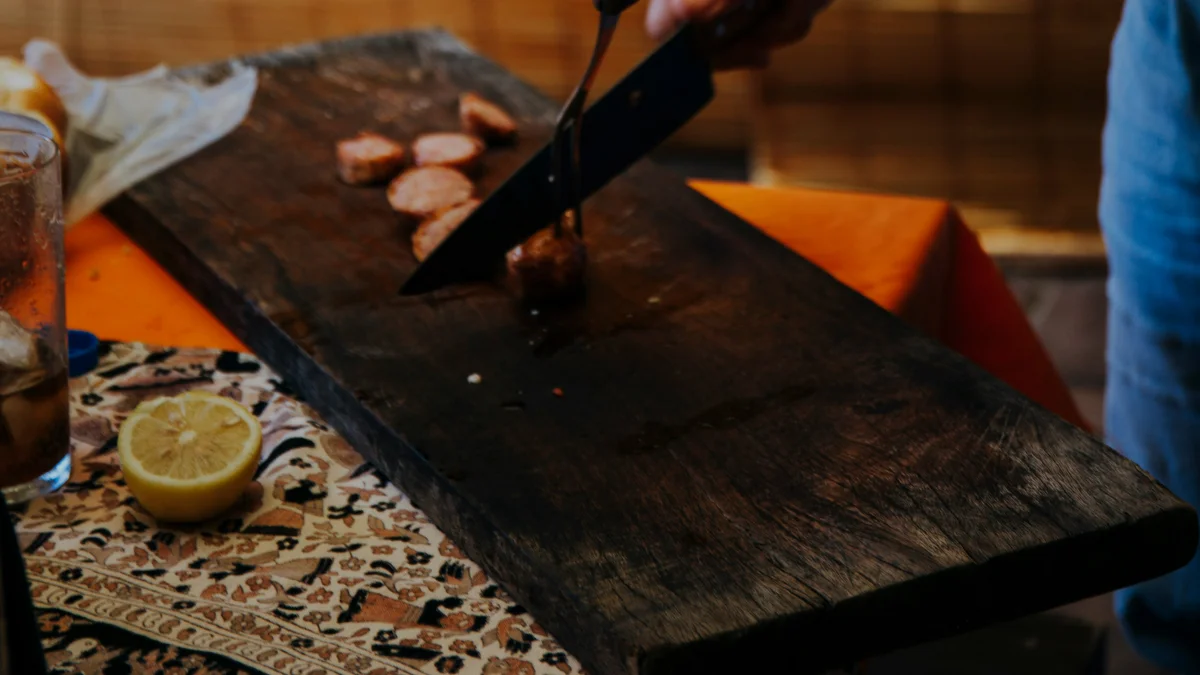
A 19th-century iron-framed market hall near Montevideo's old port, prefabricated in England and erected in 1868. It's now packed with parrilla grill restaurants serving Uruguayan beef straight off open charcoal fires, and is one of the most-visited real landmarks in the city, especially on weekend afternoons when locals and visitors alike pack its wooden counters.
Visitor guide
The Mercado del Puerto, or Port Market, is an iron-framed market hall in the Ciudad Vieja of Montevideo, Uruguay, now best known as a place to eat grilled meat. Opened in 1868, it began as a wholesale market and later became a gastronomic and cultural venue that is a national historic monument.
Wikipedia says the market was set up through the initiative of a Spanish merchant, Pedro Saenz de Zumaran, who led a private company that aimed to build one of the largest markets in South America. British engineers designed it in an eclectic style, and its iron components were manufactured in Liverpool. It was inaugurated on 10 October 1868 in the presence of President Lorenzo Batlle y Grau and his ministers. The name refers to its proximity to the city's port.
The market originally served as a wholesale market for fruit and vegetables, supplying the port and local residents. A circular iron fountain stood at its centre until 1897, when it was replaced by a four-faced clock that was also imported from Liverpool. The clock remains a distinctive feature. Over the twentieth century the market's fortunes rose and fell, and from the 1970s it changed gradually from a working market into a gastronomic and cultural centre. Former produce stalls were replaced by restaurants and souvenir shops.
Restaurants in the market specialise in traditional Uruguayan cuisine, with an emphasis on asado, meat cooked over open fire on a parrilla grill. The market is also described as the birthplace of medio y medio, a traditional drink blending sweet sparkling wine with dry white wine. According to Wikipedia it was first created in the late nineteenth century at the Roldos bar.
Live music, including tango, and displays of Uruguayan cultural traditions complement the dining. The market hosts an annual midday New Year's Eve celebration, described as a large street festival with a traditional water and cider fight. It is surrounded by museums, artisan shops and cultural institutions, and sits near the Rambla and the port.
The building was designated a National Historic Monument in 1975. The building's British-engineered iron frame, made in Liverpool, reflects the trade links of the period.
The market is within walking distance of Plaza Independencia and the other sights of Ciudad Vieja, so it is easily included in a walking tour of the old town with a private driver for transfers. Many people come at lunchtime, and the lively, smoky atmosphere around the grills is part of the experience. Menus, hours and which restaurants are open differ, so details are best checked when planning. Portions of grilled meat are typically generous and are often shared.
The combination of Victorian iron engineering, a working grill culture and a long port-side history makes the hall a compact introduction to Montevideo's character, and a guide can explain what the different cuts of meat and local drinks are before ordering.
See every tour and attraction we cover in Montevideo.