TorontoOntario · 36 tours
 Niagara FallsOntario · 25 tours
 New York CityNew York · 30 tours
 Las VegasNevada · 8 tours
 San FranciscoCalifornia · 16 tours
 VancouverBritish Columbia · 17 tours
 DubaiUAE · 54 tours
 Abu DhabiUAE · 5 tours
 Buenos AiresArgentina · 23 tours
 AthensGreece · 31 tours
 AucklandNew Zealand · 38 tours
 CancunMexico · 54 tours
No destinations match “”. Try searching all tours instead — that search understands full questions, not just place names.
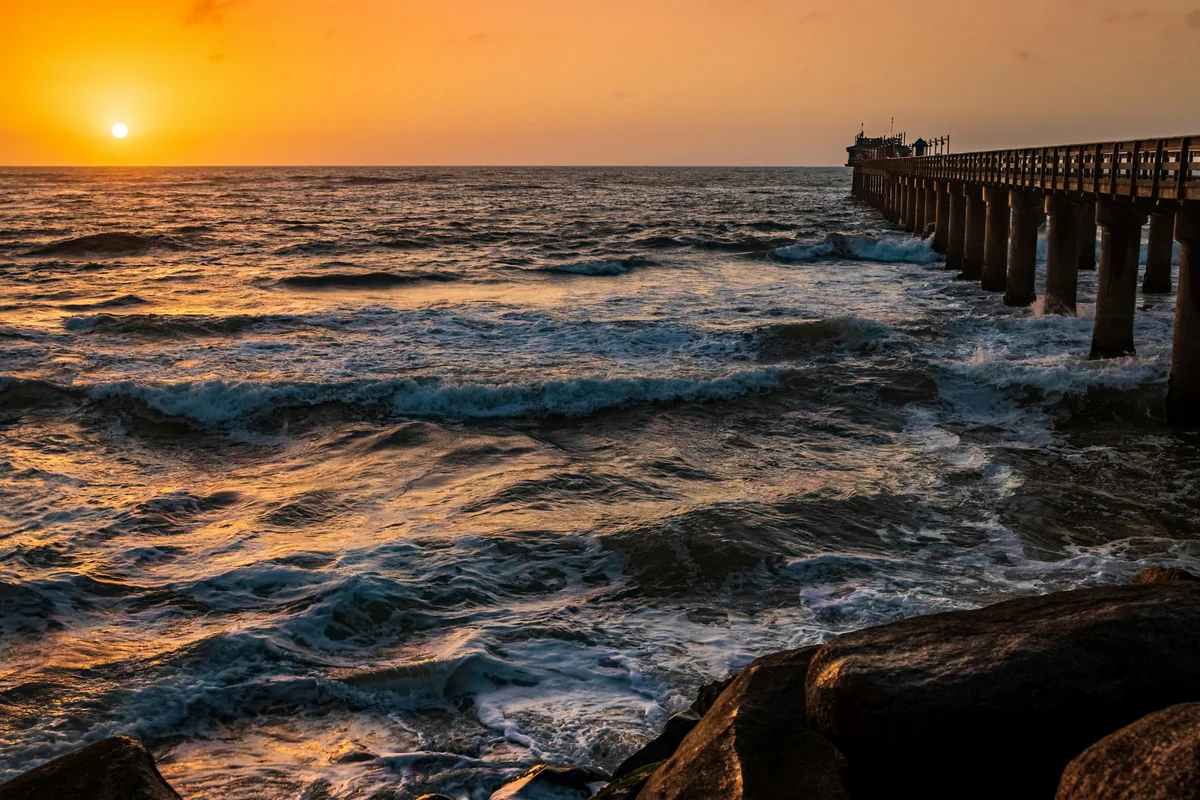
A seaside town on Namibia's Atlantic coast with German-colonial architecture, serving as the gateway to the Namib Desert's dune activities and the Skeleton Coast.
 Multi-Day Tours
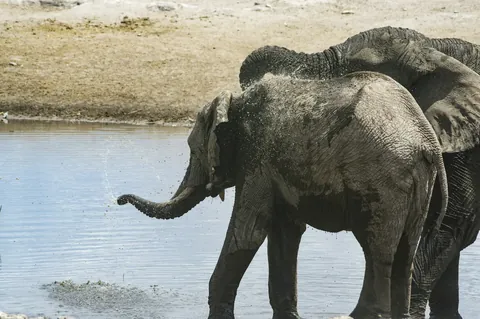
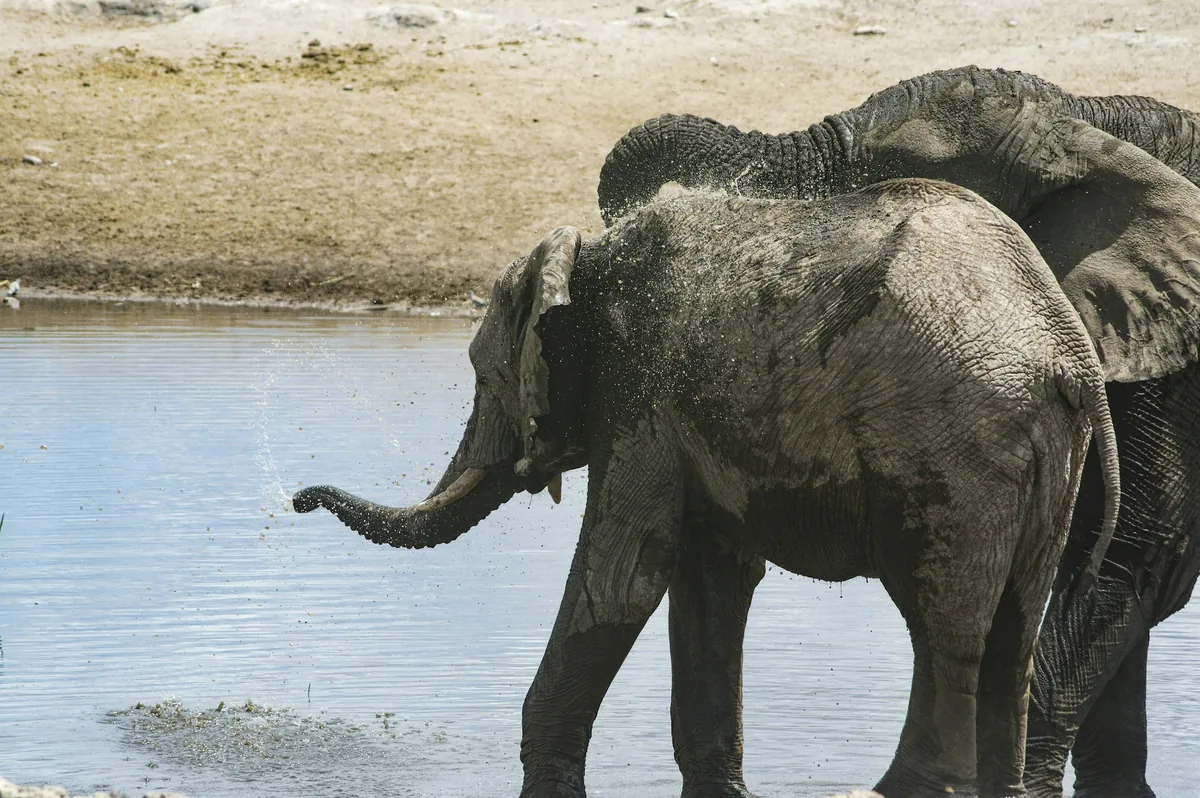
A 10-day Namibia circuit from the AfriCat big-cat sanctuary at Okonjima through Etosha National Park's game drives and the desert-adapted elephants of Damaraland to coastal Swakopmund.
 Multi-Day Tours
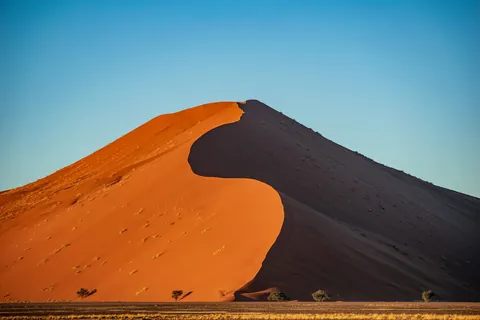
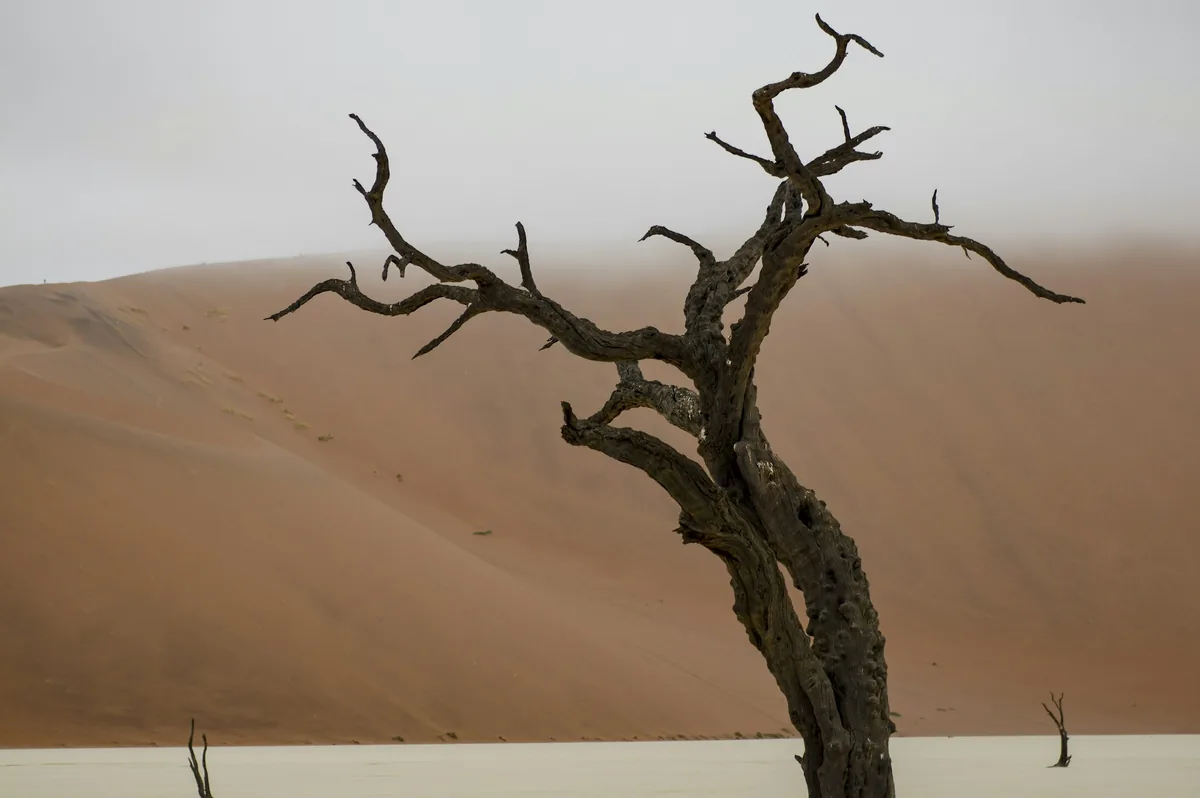
A 14-day private family circuit from Windhoek through the Kalahari and the red dunes of Sossusvlei to Swakopmund, the Himba villages of Kaokoland, and the game drives of Etosha National Park.
 Multi-Day Tours
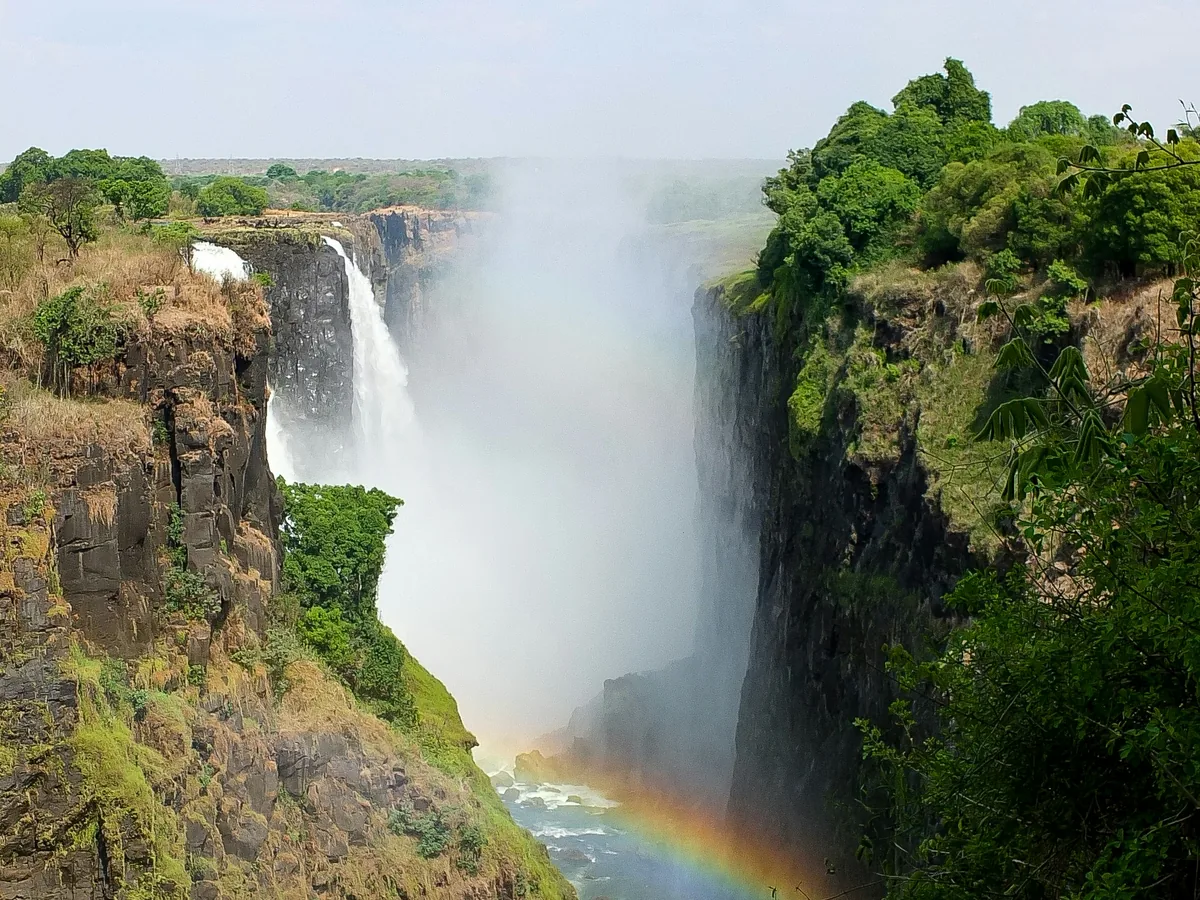
A 20-day private odyssey across Namibia — Sossusvlei, Swakopmund, the Erongo Mountains, and Etosha — continuing overland to Botswana's Chobe National Park with a day trip to Victoria Falls.
 Multi-Day Tours
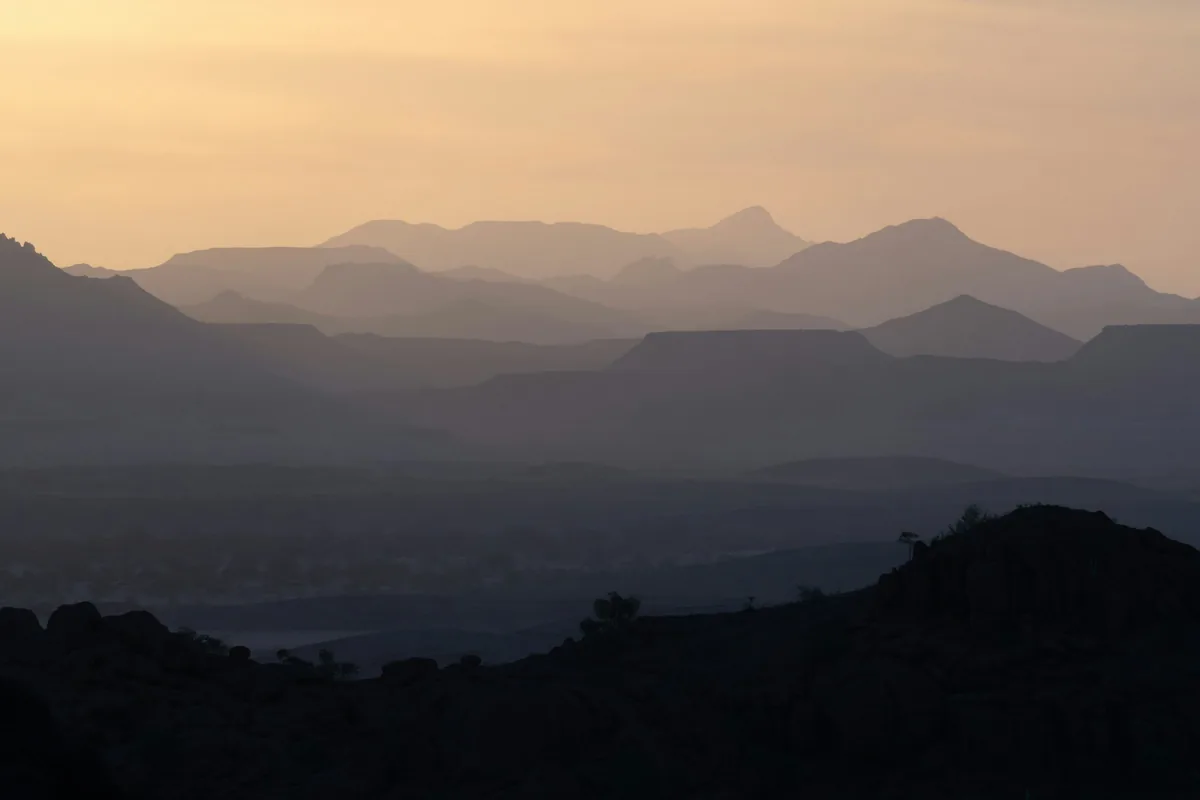
A 12-day private route from the red dunes of Sossusvlei along the Skeleton Coast to Swakopmund, the desert landscapes of Damaraland, and Etosha National Park's east and south, ending at the AfriCat Foundation.
 Multi-Day Tours
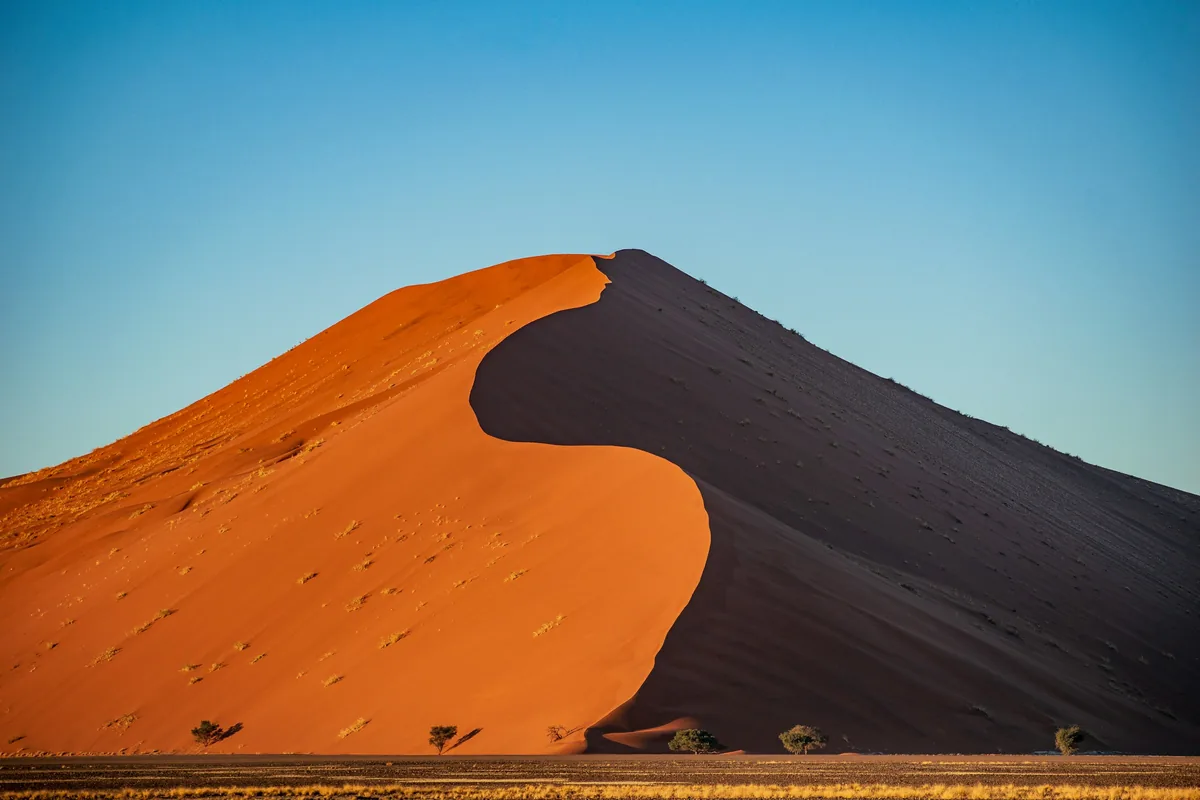
A 15-day Namibia journey combining classic sights — Sossusvlei, the Skeleton Coast, Damaraland, and Etosha — with overnight hiking trails through the NamibRand Nature Reserve and remote Palmwag Concession.
Visitor guide
Swakopmund is a seaside city on Namibia's Atlantic coast, about 352 kilometres west of Windhoek, where the Namib Desert meets the cold ocean. It is the administrative capital of the Erongo Region and is known for its German colonial architecture and its role as a base for desert and coastal excursions.
Captain Curt von Francois founded the town in 1892 as the main harbour for German South West Africa. Britain held the natural deep-water harbour at nearby Walvis Bay, so Germany needed a port of its own. According to Wikipedia, the founding is dated to 8 August, when the crew of the gunboat Hyane erected two beacons on the shore. The site was chosen for its fresh water and its relatively easy route inland toward Otjimbingwe and Windhoek. The first soldiers and settlers arrived in 1893 and had to dig shelters in the sand.
Until 1896 the name appeared in German settlers' spelling as Swachaub, when the district was officially proclaimed as Swakopmund, meaning Mouth of the Swakop. The Herero name, Otjozondjii, refers to a place of seashells. The town became the territory's main port and received municipal status in 1909. This history also includes darker chapters: Wikipedia records that during the Herero and Nama wars and the genocide that followed, a concentration camp operated here, and a genocide museum now documents that period.
Swakopmund is characterised by German colonial buildings, many dating from the early twentieth century. The Woermannhaus of 1906, with its tower, now serves as a public library. The old prison was designed by Heinrich Bause in 1909. Harbour silting led to a wooden jetty being started in 1905 and a steel jetty in 1914, and the town also has a lighthouse and a German Evangelical Lutheran church. After independence in 1990, many German and Afrikaans street names were replaced with names honouring Namibians, including the main avenue, renamed for Sam Nujoma in 2001.
South Africa took control of the territory in 1915 during the First World War. Harbour activity stopped and government services left, and the town declined. A 1923 treaty secured its future and it was reshaped into a holiday resort. The opening of the Rossing uranium mine in 1976, about 70 kilometres away, brought further growth.
The desert surrounds the city on three sides with the Atlantic to the west. Temperatures are mild year-round, averaging roughly 15 to 25 degrees Celsius, and annual rainfall is under 20 millimetres. Moisture arrives as fog carried by the cold Benguela Current, and coastal areas can see more than 180 days of thick fog a year, according to Wikipedia.
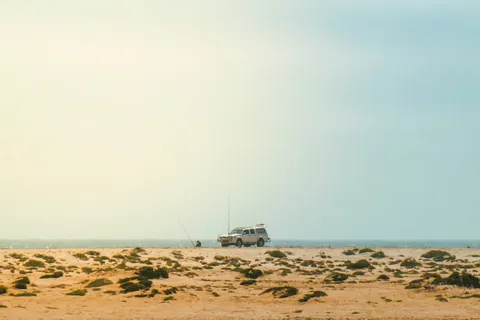
Visitors can see the Swakopmund Museum, the Kristall Galerie, the National Marine Aquarium of Namibia and, outside town, the Martin Luther steam locomotive built in 1896 and left in the desert. The dunes near Langstrand south of the Swakop River are used for activities such as quad biking, camel rides and paragliding, and the area is the gateway to the Namib Desert and the Skeleton Coast. A private guided visit with a driver suits a town whose sights are spread between the coast, the dunes and the desert beyond.
See every tour and attraction we cover in Namibia.