TorontoOntario · 36 tours
 Niagara FallsOntario · 25 tours
 New York CityNew York · 30 tours
 Las VegasNevada · 8 tours
 San FranciscoCalifornia · 16 tours
 VancouverBritish Columbia · 17 tours
 DubaiUAE · 54 tours
 Abu DhabiUAE · 5 tours
 Buenos AiresArgentina · 23 tours
 AthensGreece · 31 tours
 AucklandNew Zealand · 38 tours
 CancunMexico · 54 tours
No destinations match “”. Try searching all tours instead — that search understands full questions, not just place names.
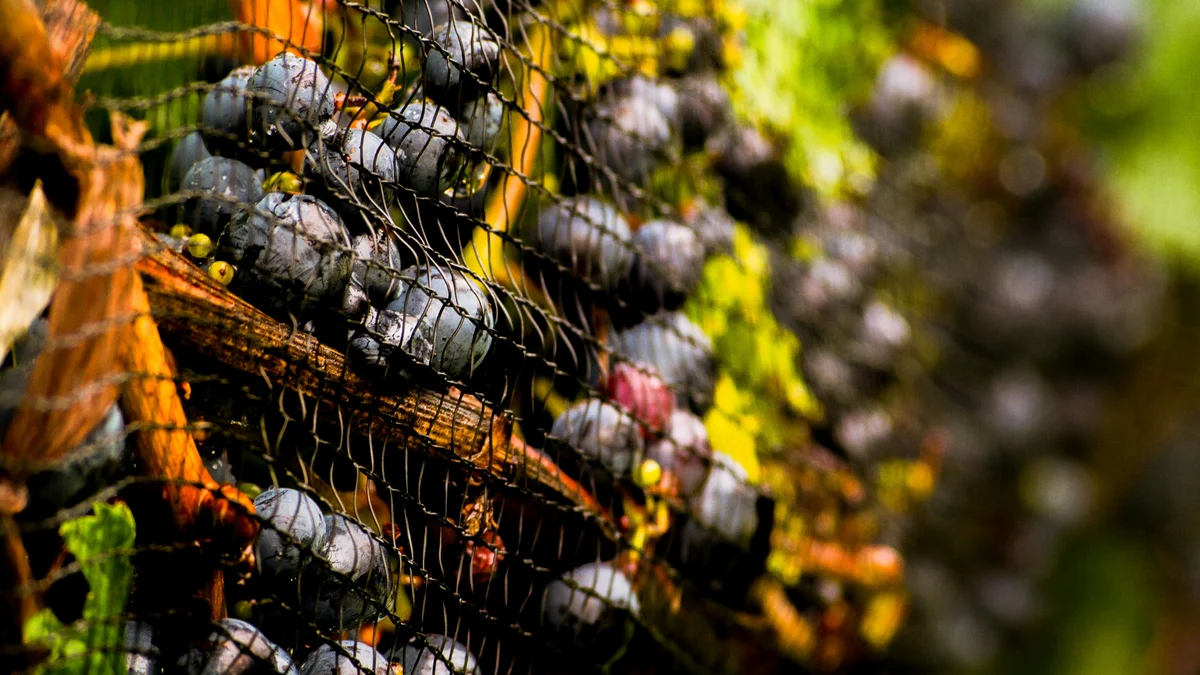
Colonia Caroya is a real wine-producing town near Córdoba, founded by Friulian Italian immigrants in the early 20th century, known today for its boutique wineries and Italian heritage.
Visitor guide
Colonia Caroya is a city and municipality in the north of Cordoba Province, Argentina, in the Colon Department. Founded as an agricultural colony of Italian settlers from the Friuli region in 1878, it grew up around the former Jesuit estancia of Caroya and is known for its Friulian heritage, wine and salame.
According to Wikipedia, the town came about through the initiative of President Nicolas Avellaneda, who had spent school holidays at the nearby Caroya estancia while studying at the Monserrat school in Cordoba. A law passed on 10 July 1876 created an irrigated colony on part of the former estancia lands, and families from the Friuli-Venezia Giulia region of Italy were recruited. They left Genoa in December 1877 and reached Buenos Aires in January 1878, and a third group reached Caroya on 15 March 1878, the date the article treats as the colony's founding.
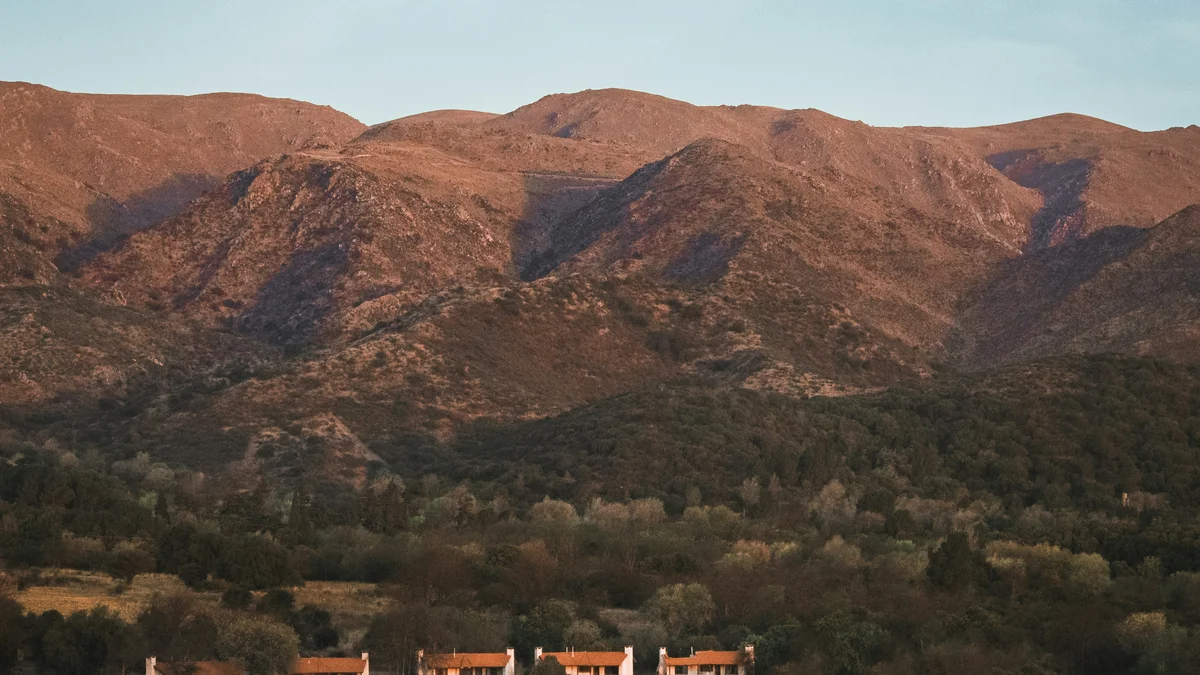
The early years were hard. The land was dry and covered in scrub, but the settlers built irrigation canals that transformed it into farmland and orchards. The town is a linear one, laid out along National Route 9 and crossed by the long Avenida San Martin, a tree-lined boulevard of about nine kilometres.
The Jesuits established the Caroya estancia in 1616 to support their educational institutions in Cordoba. Wikipedia says the priest Ignacio Duarte y Quiros bought it in 1661 and later donated it to the Monserrat school, which used it to fund the school and as a holiday residence for boarders. From 1814 to 1816 it housed a factory producing bladed weapons for the Army of the North during the independence wars, and it passed to the national government in 1854.
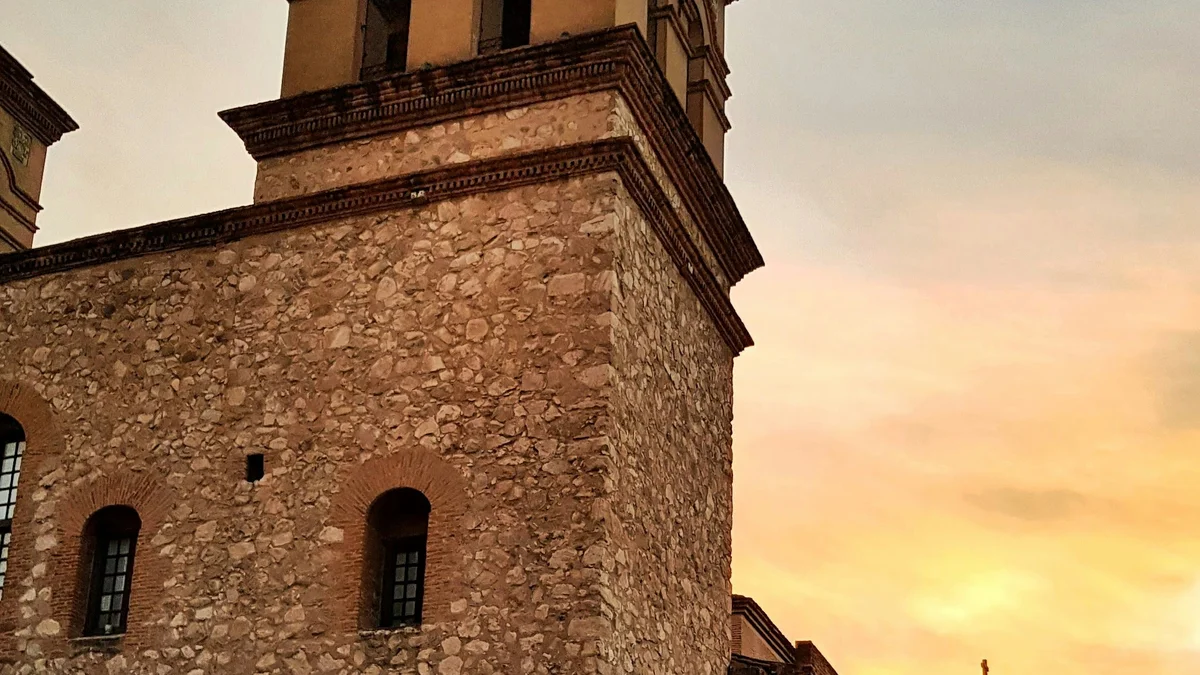
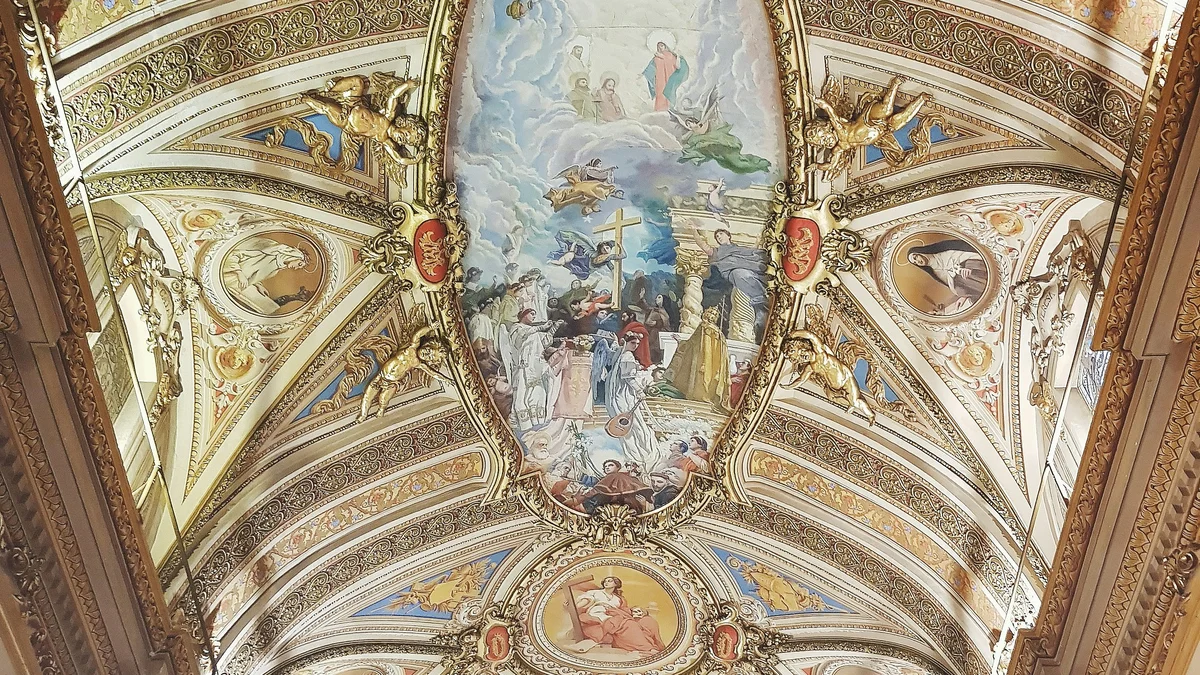
The complex includes a residence, a large central cloister, a chapel dedicated to Saint Ignatius of Loyola, a ruined mill and irrigation channels. Caroya is one of the five estancias that, together with the Jesuit Block in Cordoba city, make up the Jesuit Block and Estancias of Cordoba, a UNESCO World Heritage Site inscribed in 2000.
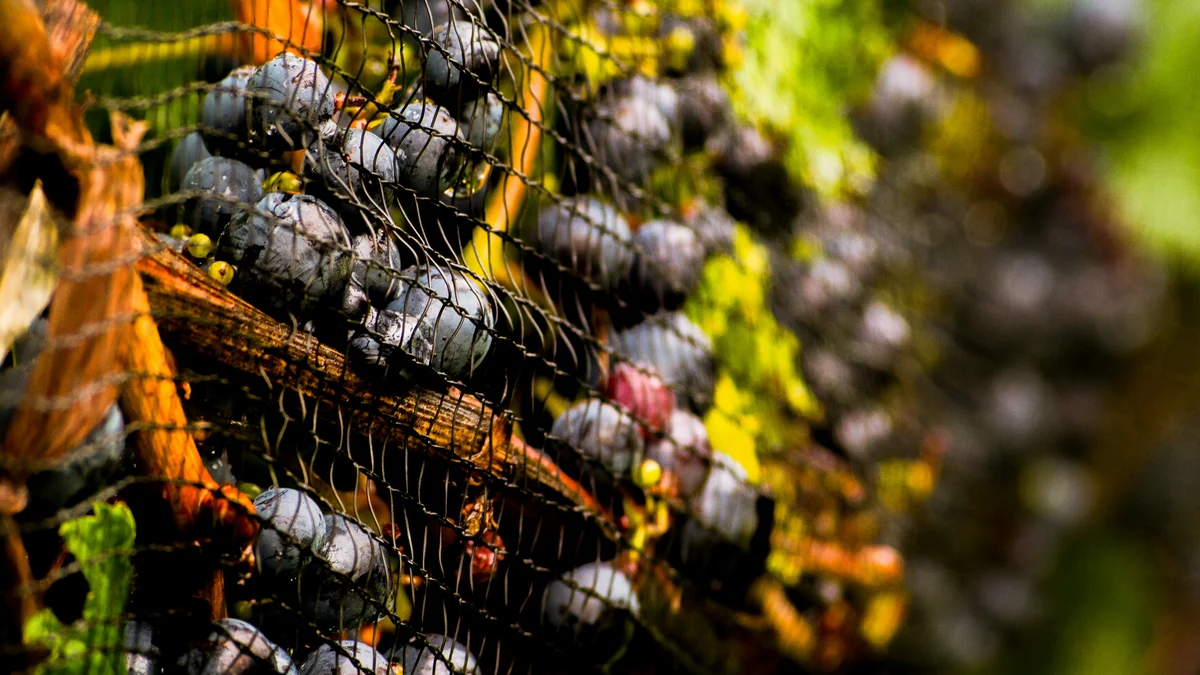
Wine production was once the town's main economic activity, and Wikipedia notes that three wineries continue significant production: Bodega La Caroyense, Bodega Nanini and Bodega Campana. Salame is the signature local product, with eighteen producers making more than 315,000 kilograms a year using traditional recipes alongside newer technology.
Several festivals celebrate the Friulian heritage, including the Fiesta Nacional de la Frutihorticultura in March, the Sagra Nacional de la Uva and Fiesta Provincial de la Vendimia, the bonfire of San Pedro and San Pablo on 29 June, a grape-treading event in mid-November and a pig race on the last Sunday of September. Dates can shift, so check before planning around an event.
The 2022 census counted 25,261 inhabitants, and the town forms a metropolitan area with neighbouring Jesus Maria. A private guided visit pairs well with the estancia, a winery or salame producer, and the nearby Jesuit sites.
See every tour and attraction we cover in Cordoba.