TorontoOntario · 36 tours
 Niagara FallsOntario · 25 tours
 New York CityNew York · 30 tours
 Las VegasNevada · 8 tours
 San FranciscoCalifornia · 16 tours
 VancouverBritish Columbia · 17 tours
 DubaiUAE · 54 tours
 Abu DhabiUAE · 5 tours
 Buenos AiresArgentina · 23 tours
 AthensGreece · 31 tours
 AucklandNew Zealand · 38 tours
 CancunMexico · 54 tours
No destinations match “”. Try searching all tours instead — that search understands full questions, not just place names.
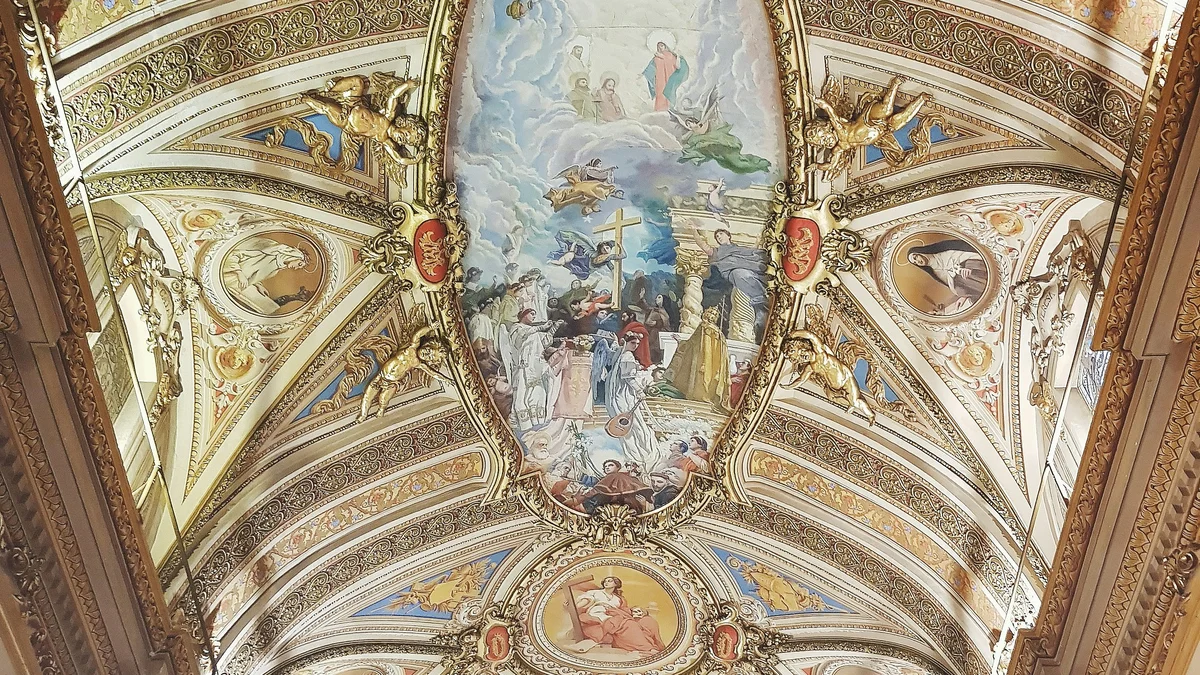
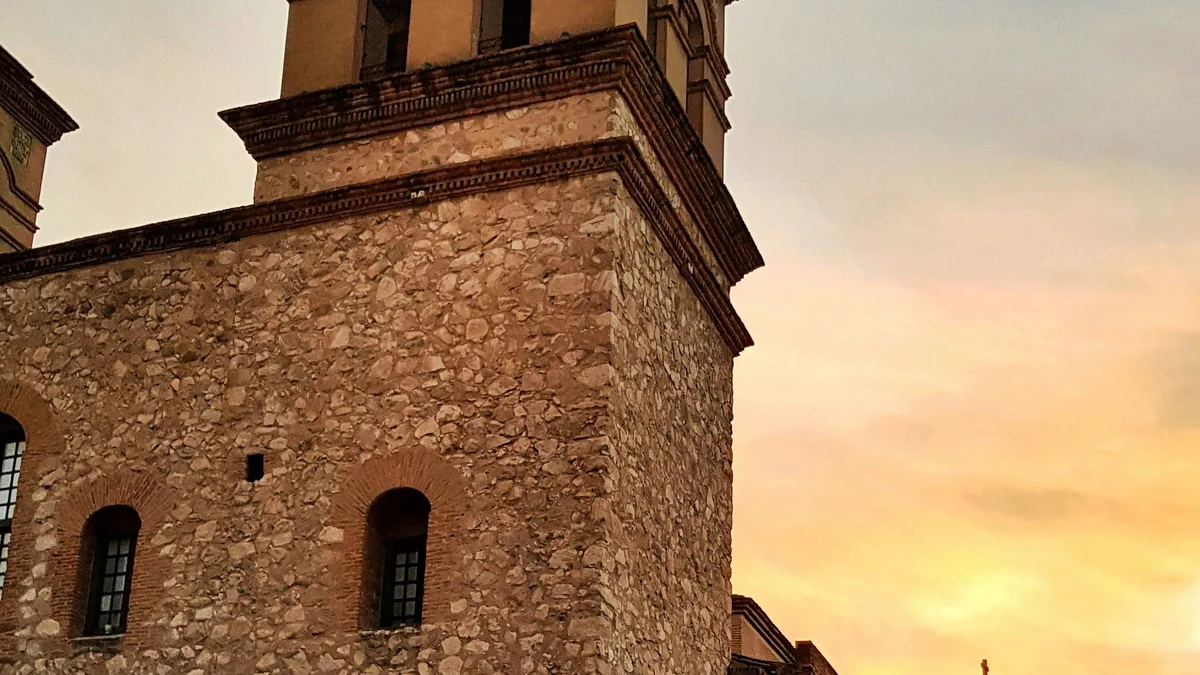
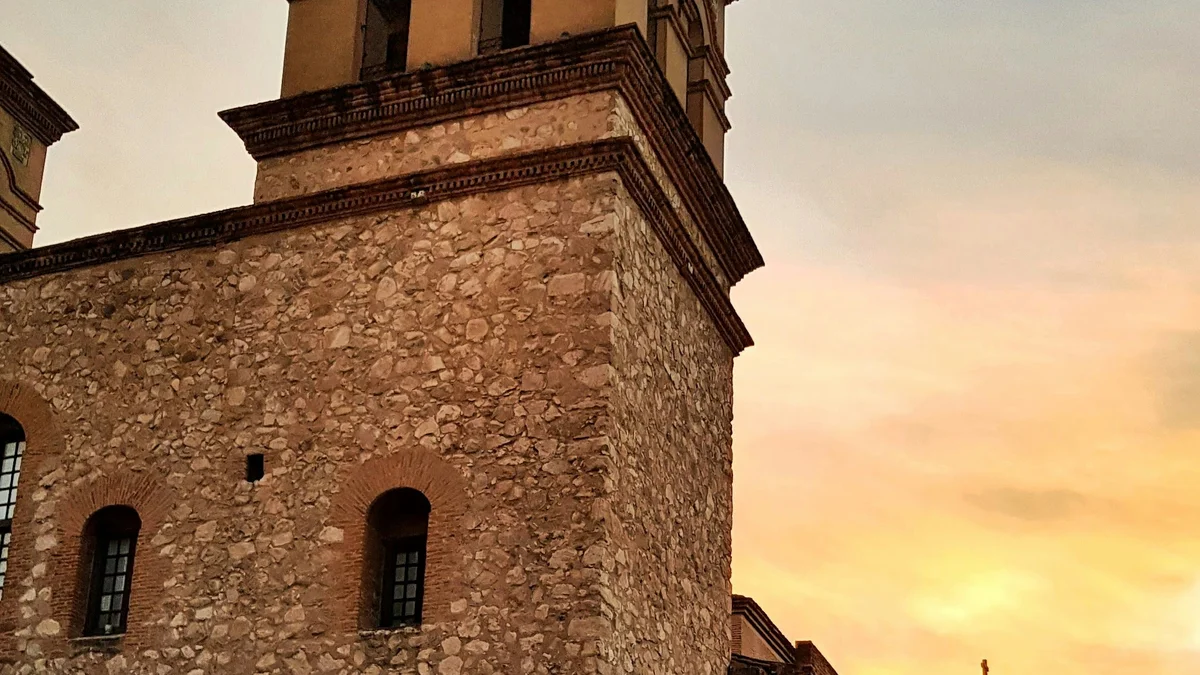
Córdoba's Cathedral is one of Argentina's oldest cathedrals, a richly decorated colonial-era church on the city's historic Plaza San Martín with a blend of architectural styles spanning two centuries of construction.
Visitor guide
Cordoba Cathedral, officially the Cathedral of Our Lady of the Assumption, is the colonial cathedral of the Roman Catholic Archdiocese of Cordoba in Argentina. It faces the west side of Plaza San Martin in the historic centre and was declared a National Historic Monument in 1941.
According to Wikipedia, construction began in 1582, and in 1598 the master builder Gregorio Ferreira and the stonemason Juan Rodriguez started work in stone, brick and lime, with roofing following in 1601. The Granadan architect Ricardo Gonzalez Merguete later directed the project, and Jesuit involvement gave the work significant momentum.
Giovanni Battista Primoli designed the basilica-type Latin cross plan, modelled on the Church of the Gesu in Rome. The cathedral was consecrated in 1706. The Franciscan friar Vicente Munoz designed the dome and its lantern towers in 1758, the facade was completed by Andrea Bianchi in 1729, and the two bell towers were finished in 1787. A statue of Christ the Redeemer was placed atop the facade in 1901.
Wikipedia describes a building that combines Renaissance origins with Spanish colonial Baroque, Neoclassical and Mudejar elements. The dome at the crossing is flanked by four octagonal turrets and crowned by a lantern, while the Neoclassical portico is reached by a broad staircase and closed by an ornate wrought-iron portal. Sculpted figures in Indigenous dress playing trumpets decorate the corners of the towers.
The cathedral occupies a wide block near the city centre, separated from the Cabildo to the north by the narrow Santa Catalina alley. Wikipedia notes that its main facade faces east-south-east, which departs from the usual orientation of churches of its era.
Inside, the central nave has a high barrel vault decorated with carved wood and gilded mouldings, with light entering through deep lunettes. The main altar is made of embossed silver from colonial Bolivia, and the large entrance door and choir stalls were carved by Jesuits from missionary cedar. Early twentieth-century frescoes and murals by Emilio Caraffa, Carlos Camilloni and Manuel Cardenosa decorate the interior.
The narthex and crypts hold the remains of several notable figures, including General Jose Maria Paz, Dean Gregorio Funes, Bishop Hernando de Trejo y Sanabria and Friar Mamerto Esquiu. Wikipedia describes the cathedral as the oldest church in continuous service in Argentina, a claim worth treating as the article's characterisation rather than a settled fact.
The cathedral stands about three blocks from the Jesuit Block, so the two are naturally seen together on a walk through historic Cordoba. As an active place of worship its access can vary, and a private guided visit allows time to look at the details of the facade and nave.
See every tour and attraction we cover in Córdoba.