TorontoOntario · 36 tours
 Niagara FallsOntario · 25 tours
 New York CityNew York · 30 tours
 Las VegasNevada · 8 tours
 San FranciscoCalifornia · 16 tours
 VancouverBritish Columbia · 17 tours
 DubaiUAE · 54 tours
 Abu DhabiUAE · 5 tours
 Buenos AiresArgentina · 23 tours
 AthensGreece · 31 tours
 AucklandNew Zealand · 38 tours
 CancunMexico · 54 tours
No destinations match “”. Try searching all tours instead — that search understands full questions, not just place names.
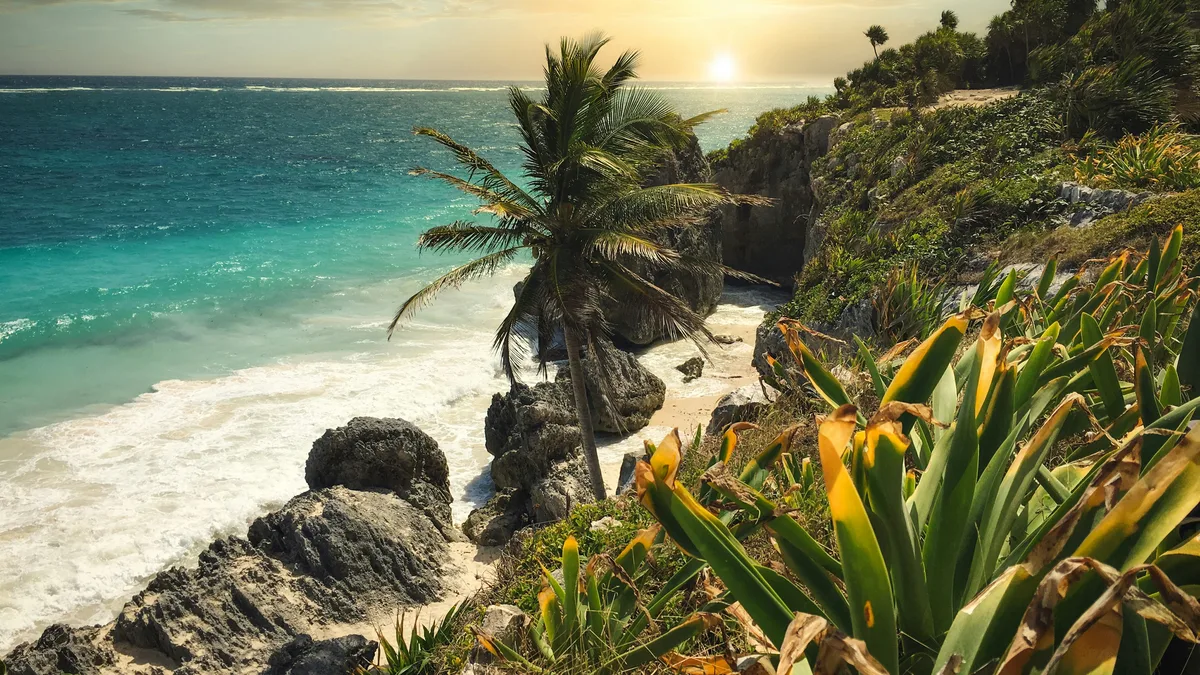
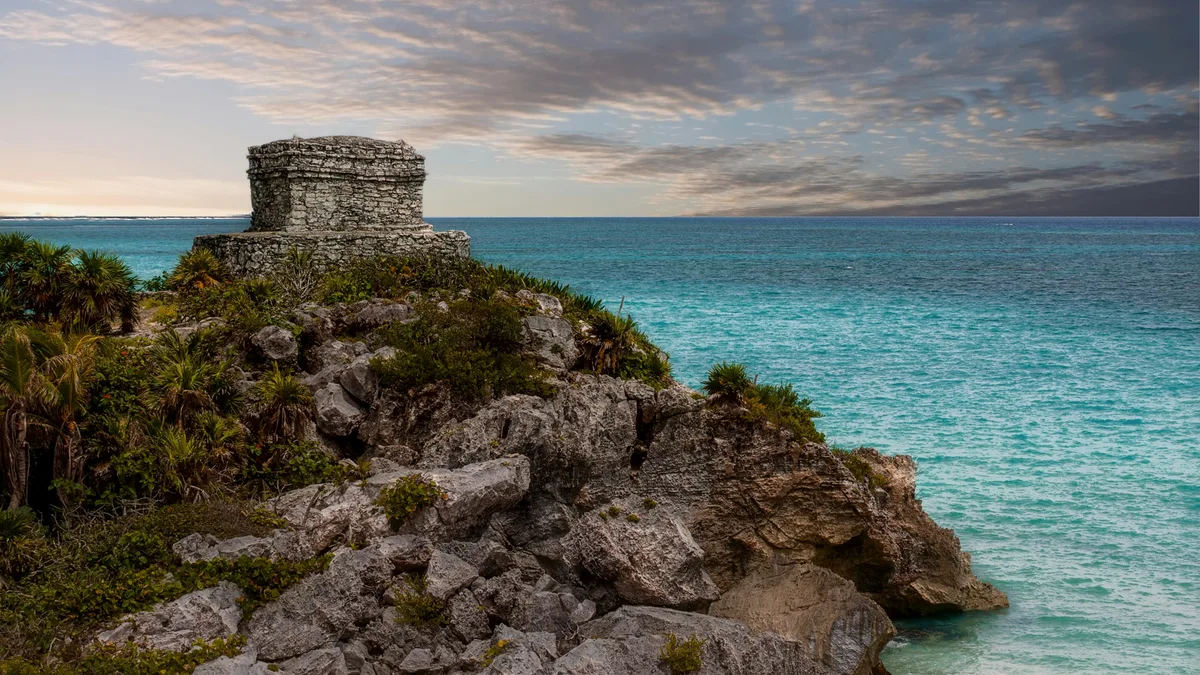
A genuinely wide stretch of real white sand and turquoise Caribbean water along Tulum's hotel zone, consistently rated among the real highlights of the Mexican Caribbean coastline. The beach sits within view of the Tulum ruins to the north, making it a real, natural pairing with an archaeological-site visit.
Visitor guide
Playa Paraiso is a beach along the Caribbean coast of Tulum, in Quintana Roo, Mexico, listed in Wikipedia among the beaches of the Tulum area alongside Playa Ruinas, Playa Akumal and Papaya Playa. It sits on the stretch of the Yucatan Peninsula's east coast that is known for pale sand and clear water, and it lies within reach of the Tulum archaeological site.
Tulum is a town and municipality on the east coast of the Yucatan Peninsula. Wikipedia divides the Tulum area into six zones: the archaeological site, the town (Pueblo), the Zona Hotelera or hotel zone, Aldea Zama, La Veleta and the Sian Ka'an biosphere reserve. The beach zone follows the coast south of the ruins, and the climate is tropical savanna with a pronounced dry season. Annual rainfall averages around 1,137 millimetres, with September and October the wettest months, and Wikipedia notes that hurricanes are the main weather concern between June and October.
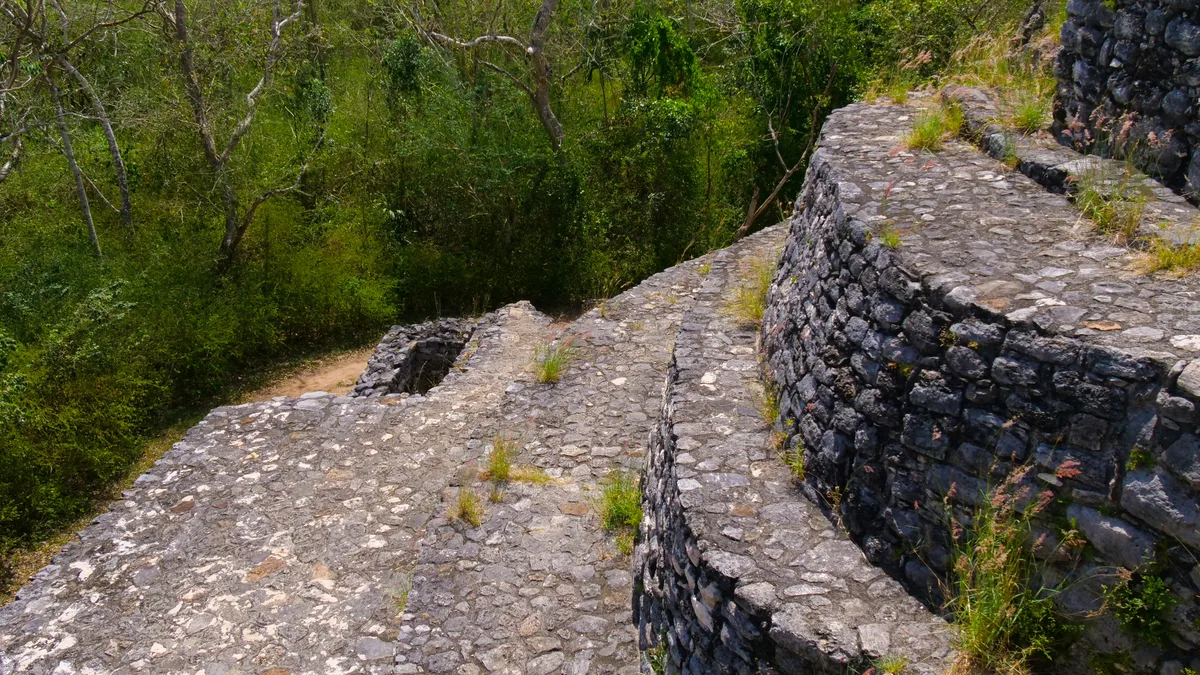
The nearby Maya site of Tulum is a walled coastal city that, according to Wikipedia, was built between about 1200 and 1450 and perched on cliffs roughly 12 metres high. The Yucatec Maya name Tulu'um means fence, wall or trench, and the site may once have been called Zama, often glossed as City of Dawn because it faces the sunrise. A small cove with a sandy beach allowed canoes to land after trading and fishing, and traders moved jade, obsidian, salt, textiles, feathers and copper along the coast. Wikipedia describes Tulum as the third most visited archaeological site in Mexico, after Teotihuacan and Chichen Itza, which is why the beaches are so often combined with a visit to the ruins.
The coast here belongs to the same seascape as the Mesoamerican Barrier Reef System, and sea turtles use beaches along this coast to nest. Wikipedia mentions that one Tulum beach is protected for turtle nesting, and local reporting on the Akumal area describes loggerhead and green turtle nesting seasons in the warmer months. Seaweed called sargassum can wash up along the Riviera Maya, particularly between about April and October according to a travel guide, so beach conditions vary from season to season and year to year.
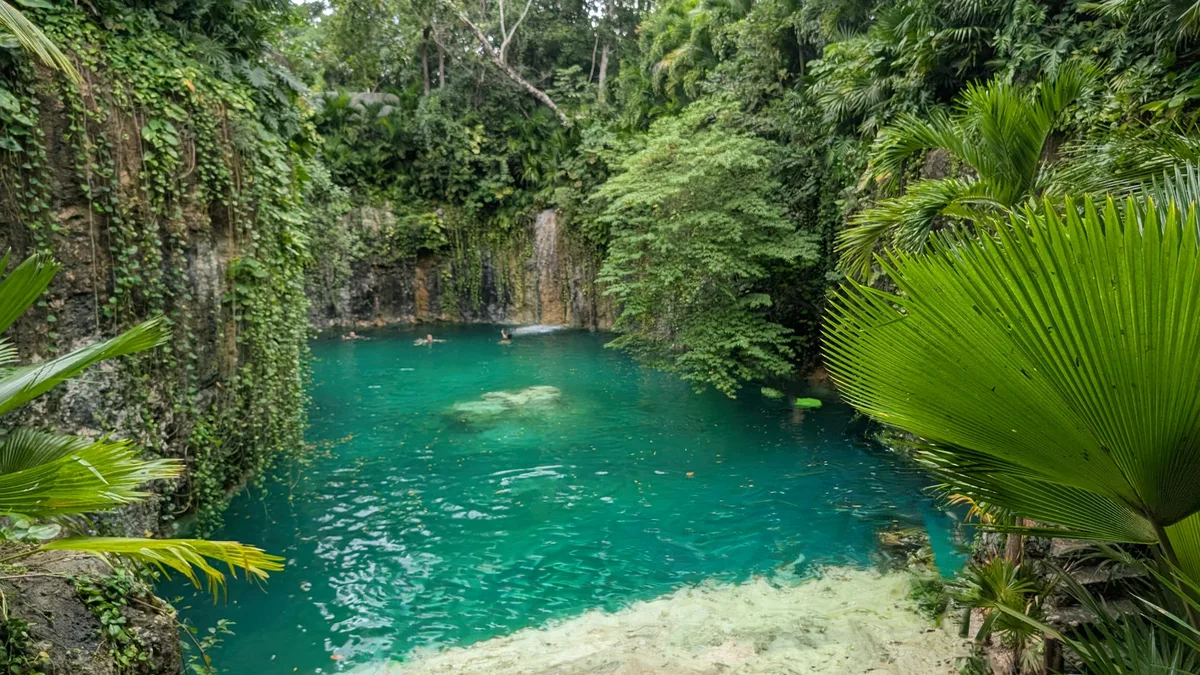
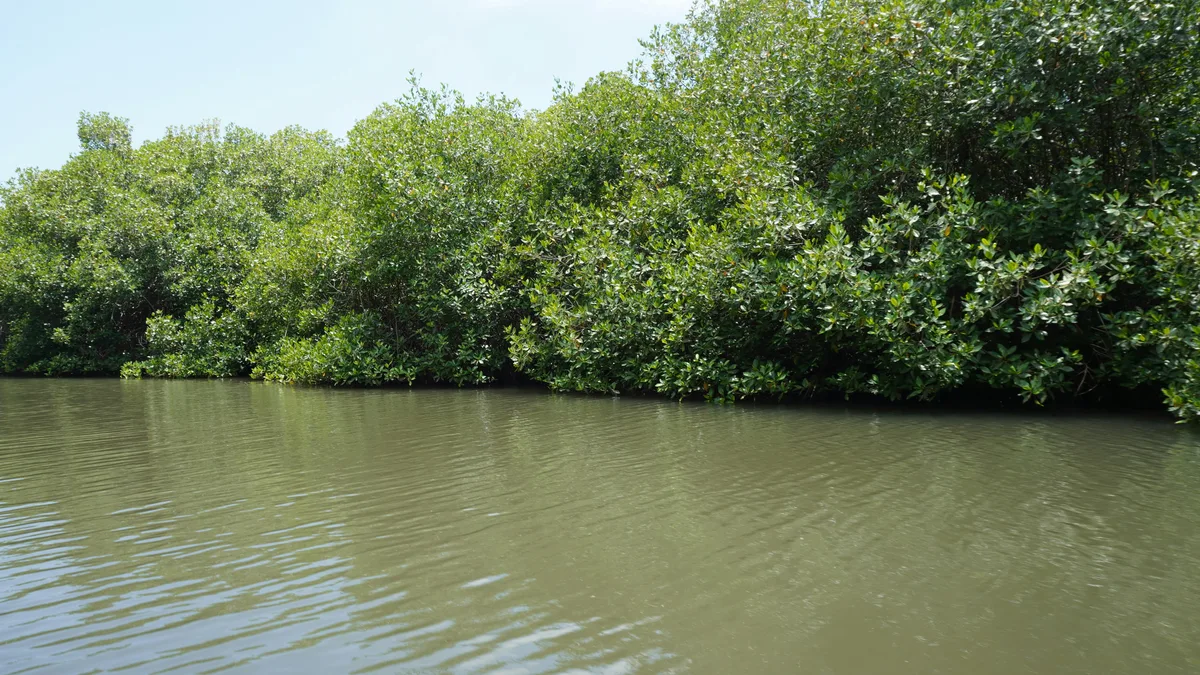
To the south of Tulum lies the Sian Ka'an biosphere reserve, a UNESCO World Heritage Site designated in 1987 that covers about 5,280 square kilometres of land and sea. It protects forest, wetlands and a section of coral reef, and species recorded there include jaguars, Baird's tapirs, American crocodiles and flamingos. The Tulum area is also known for cenotes, the water-filled limestone sinkholes of the peninsula, including Grand Cenote and Cenote Calavera. A private guided day can combine a morning at the ruins with time on the beach and perhaps a cenote stop.
See every tour and attraction we cover in Tulum.