TorontoOntario · 36 tours
 Niagara FallsOntario · 25 tours
 New York CityNew York · 30 tours
 Las VegasNevada · 8 tours
 San FranciscoCalifornia · 16 tours
 VancouverBritish Columbia · 17 tours
 DubaiUAE · 54 tours
 Abu DhabiUAE · 5 tours
 Buenos AiresArgentina · 23 tours
 AthensGreece · 31 tours
 AucklandNew Zealand · 38 tours
 CancunMexico · 54 tours
No destinations match “”. Try searching all tours instead — that search understands full questions, not just place names.
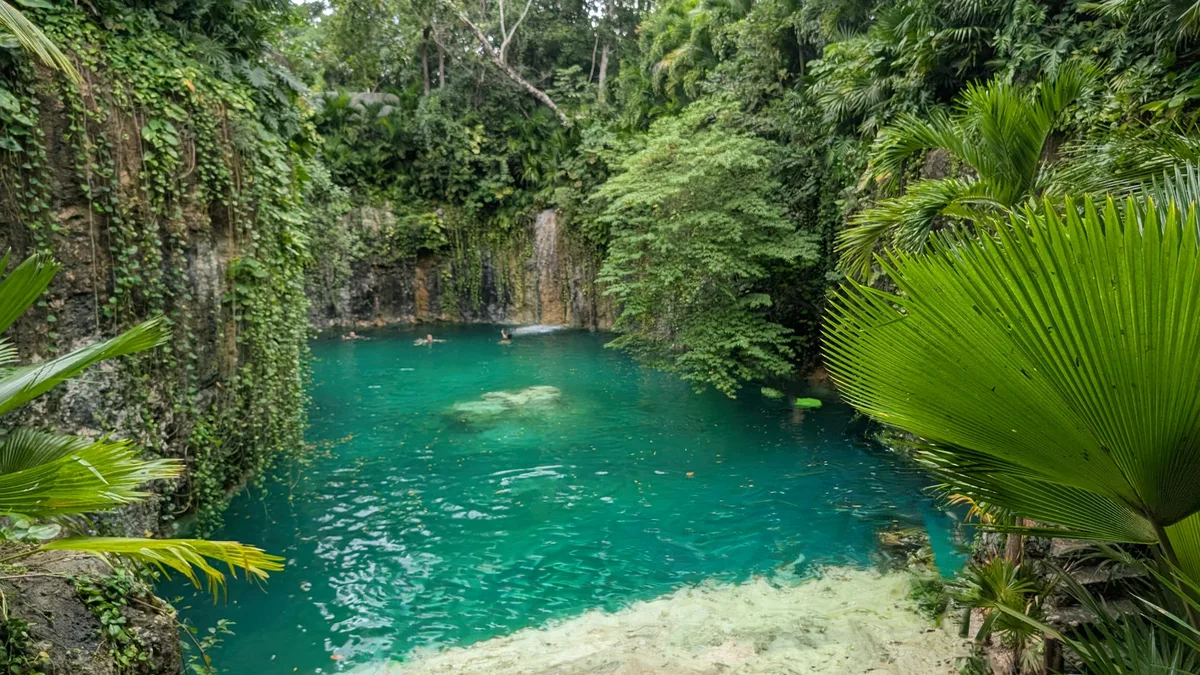
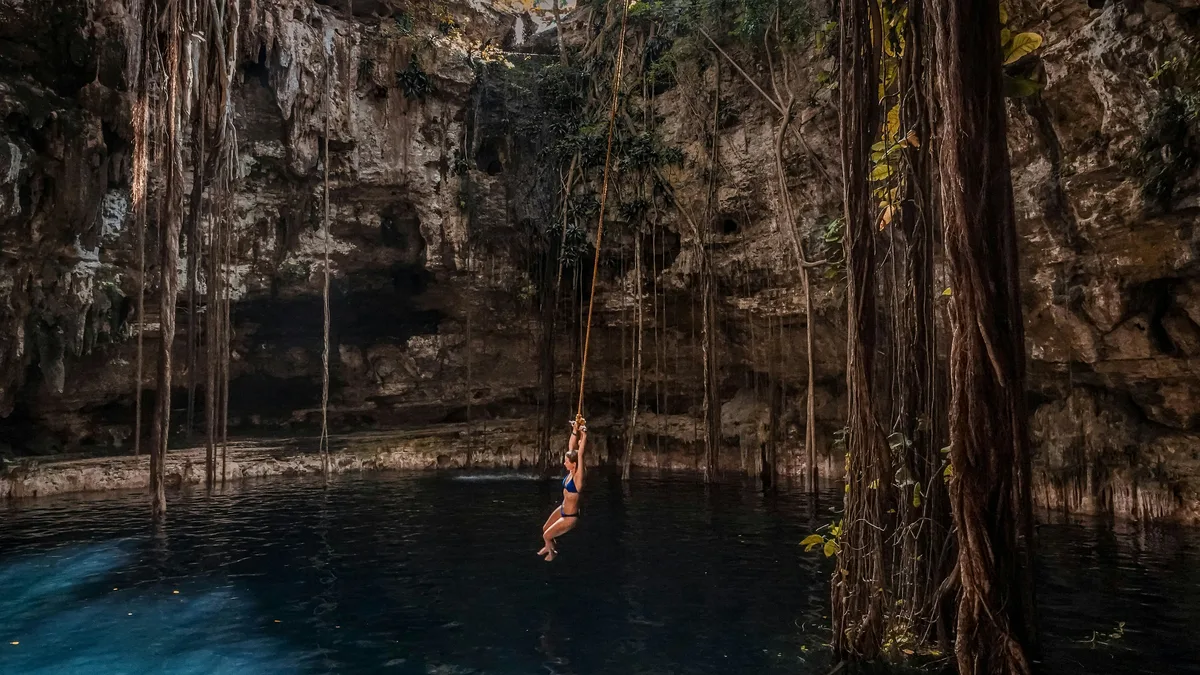
One of the most genuinely beautiful cenotes near Tulum, a real semi-open limestone sinkhole with startlingly clear freshwater, connected to part of the Sac Actun underground river system — among the longest underwater cave systems on Earth. Real turtles, small fish, and stalactite formations are visible right from the surface.
Visitor guide
Gran Cenote is a semi-open limestone sinkhole a few kilometres from Tulum, Quintana Roo, Mexico, and the point where exploration of the Sac Actun underwater cave system began. Its clear freshwater and several chambers have made it one of the better-known cenotes on the Riviera Maya.
The word cenote comes from a Yucatec Maya term, tsono'ot, for any place with accessible groundwater. Wikipedia explains that rock dissolves to leave an underground void and that when the roof collapses the opening becomes a cenote. The Yucatan Peninsula has thousands of them; Wikipedia gives estimates ranging from at least 6,000 to about 10,000, so the number is uncertain. Many connect to flooded cave systems below the surface, and a ring of cenotes is associated with the rim of the Chicxulub impact crater.
Cenotes were the main water source in the region, and cities such as Chichen Itza were built around them. Wikipedia says the Maya associated them with Xibalba, the underworld, and the rain god Chaac, and sometimes left offerings in them, though not every cenote was a sacrificial site. Animals in the darkest cenotes often lack pigment and are blind, and bats are highly diverse around them.
Wikipedia states that divers began exploring Sac Actun from Gran Cenote, which it places about 5 kilometres west of Tulum, while other sources place it about 5 kilometres north of Tulum, so the direction differs by source. Exploration began in 1987. Sac Actun, a name that is Yucatec Maya for white cave, absorbed the Nohoch Nah Chich system in 2007 to become the longest surveyed underwater cave system. In 2018 a connection with the Dos Ojos system, found by the Gran Maya Aquifer Project, joined the two, and the combined system kept the Sac Actun name.
Reported lengths vary by source and date. Wikipedia gives about 378 kilometres of underwater passage and a maximum depth of about 119 metres, with 228 cenote entrances, and ranks it second longest after Ox Bel Ha, while Guinness World Records listed 371.958 kilometres in July 2019. These figures describe the whole system, not the shallow area open to swimmers.
In 2007 divers exploring the Hoyo Negro pit in the connected Aktun Hu system found a near-complete human skeleton about 40 metres (130 feet) below sea level, near the remains of extinct animals including a gomphothere and a saber-toothed cat. The skeleton, of a teenage girl known as Naia, has been described as important evidence of early human presence in the Americas. This site is a deep cave reached only by technical divers and is separate from the Gran Cenote swimming area.
Travel sources describe Gran Cenote as having very clear water, several chambers to explore and some resident turtles, though the turtle detail appears only in travel-oriented sources. Visitors usually swim and snorkel in the cavern areas, where light enters through openings in the roof. Cave diving requires specialised training, and the halocline where fresh and salt water meet can blur vision.
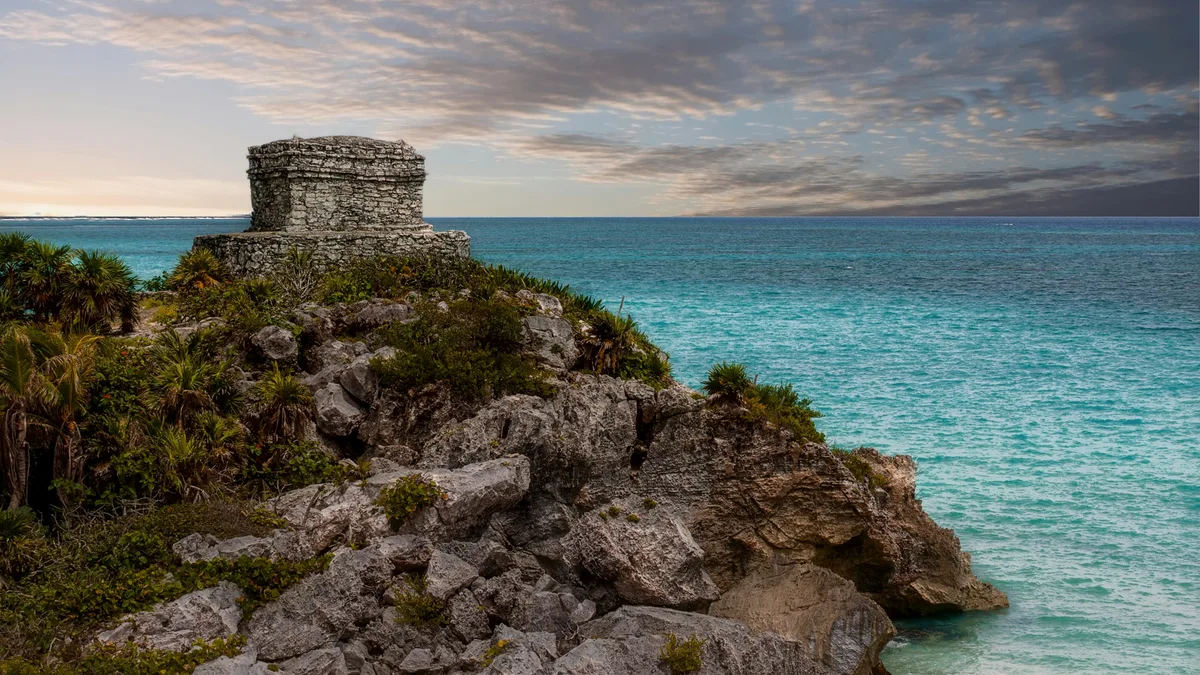
Gran Cenote is a short drive from Tulum and is often paired with the Tulum ruins and beaches. A private tour with a driver and guide can include it with other cenotes, and the guide can explain how the cenotes connect to the cave system beneath the region.
See every tour and attraction we cover in Tulum.