TorontoOntario · 36 tours
 Niagara FallsOntario · 25 tours
 New York CityNew York · 30 tours
 Las VegasNevada · 8 tours
 San FranciscoCalifornia · 16 tours
 VancouverBritish Columbia · 17 tours
 DubaiUAE · 54 tours
 Abu DhabiUAE · 5 tours
 Buenos AiresArgentina · 23 tours
 AthensGreece · 31 tours
 AucklandNew Zealand · 38 tours
 CancunMexico · 54 tours
No destinations match “”. Try searching all tours instead — that search understands full questions, not just place names.
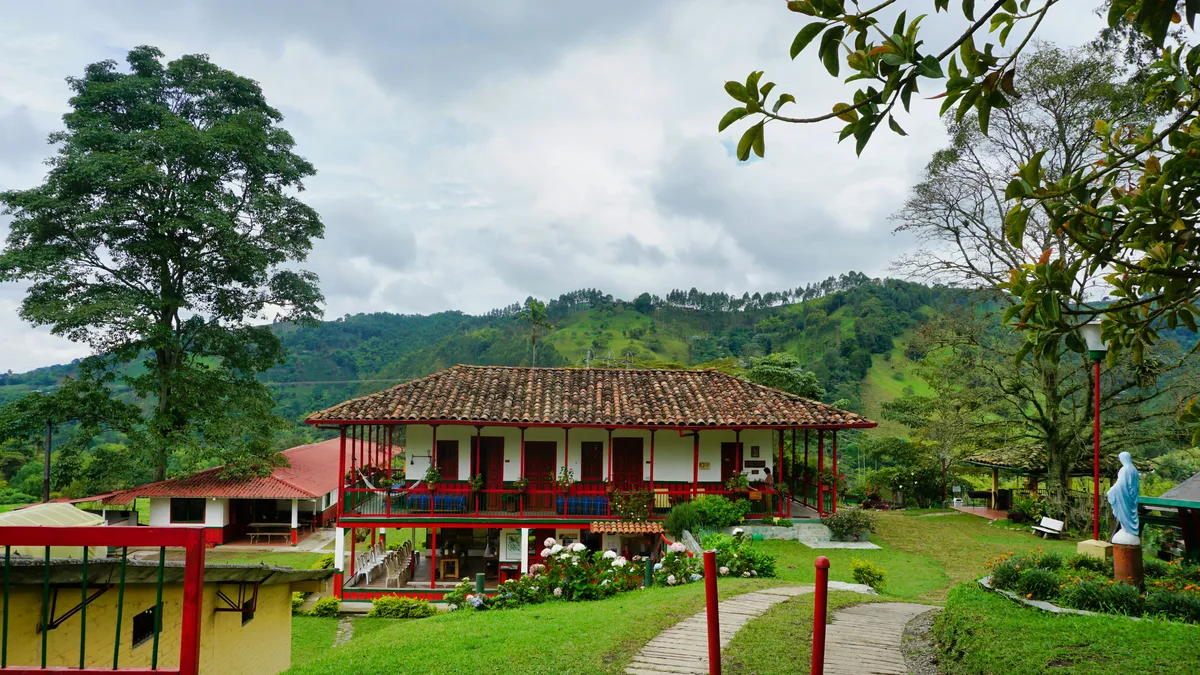
A historic 19th-century sugar hacienda in the Cauca Valley that inspired Jorge Isaacs' classic novel María, one of the most important works of 19th-century Latin American Romantic literature.
 Private Tours
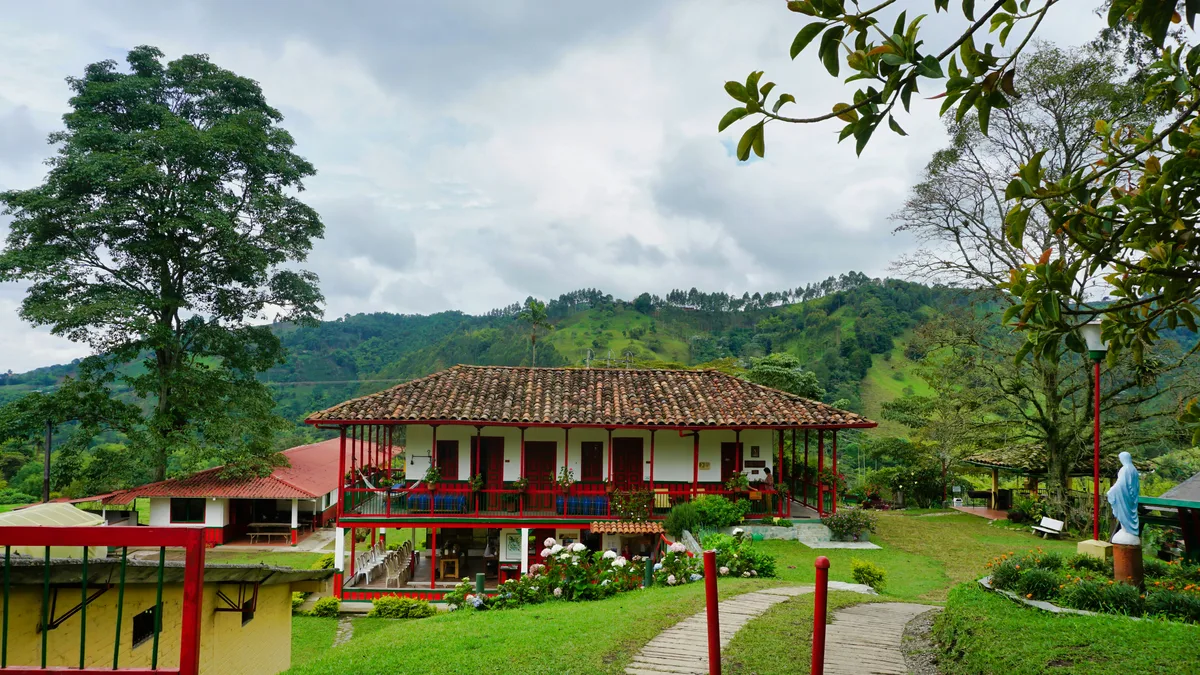
A private day trip to the historic haciendas of the Cauca Valley, including Hacienda Pie de Chinche and its sugar cane museum, and Hacienda La María 'El Paraíso,' which inspired the classic Colombian novel María by Jorge Isaacs, with a traditional lunch in Ginebra, Valle.
 Active & Outdoor
A private day trip combining a real paragliding flight over the Cauca Valley with wine tasting, a visit to Hacienda El Paraíso, and a walk through the dry forest of the Roldanillo paragliding region, a true adventure-and-relaxation combination.
Visitor guide
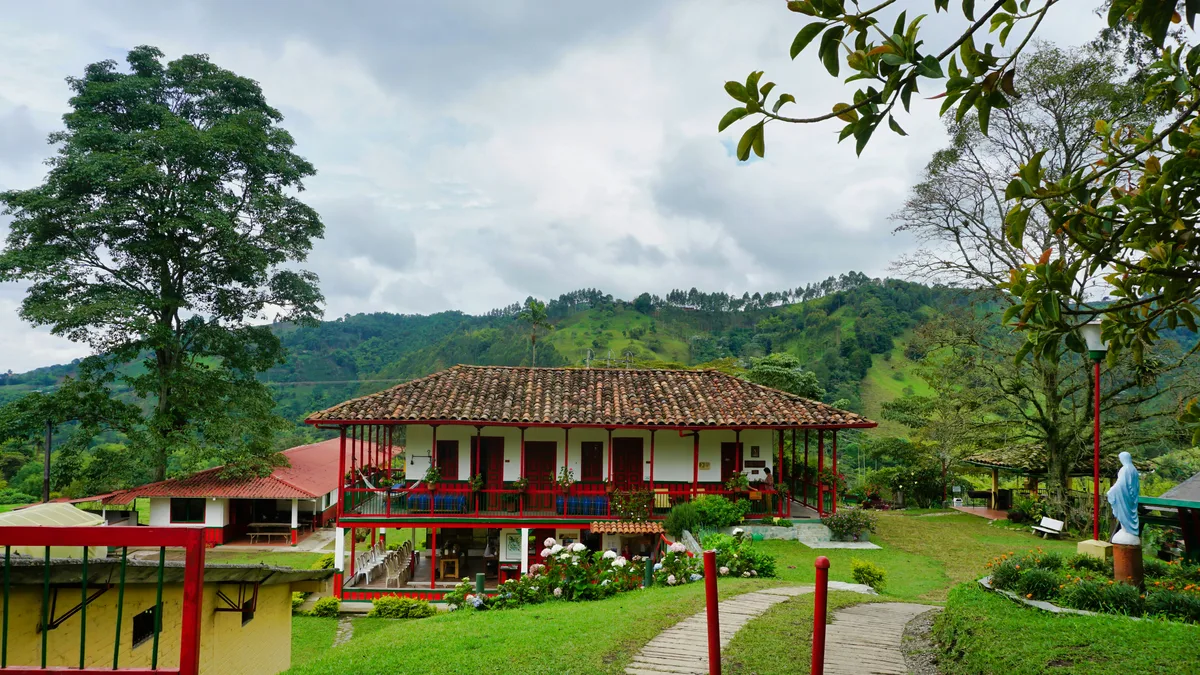
Hacienda El Paraiso is a historic country estate in the Cauca Valley, in the municipality of El Cerrito, Valle del Cauca, Colombia. It is best known as the setting of the 1867 novel Maria by Jorge Isaacs, one of the most important works of nineteenth-century Spanish American literature, and today the house is preserved as a museum.
According to Wikipedia, the hacienda lies about 16 kilometres from the town of El Cerrito, on the road towards the Cordillera Central, and roughly 36 to 47 kilometres from Cali, depending on the source. A tourism source describes the house as having been built between 1816 and 1828 by Victor Cabal, a cattleman from Buga and a former mayor of Cali. Sources disagree on when the Isaacs family acquired it: one gives 1828 and another 1854.
Jorge Isaacs was born in Cali in 1837. His father, George Henry Isaacs, an English Jew originally from Jamaica, had made a fortune in the Choco and settled in the Cauca Valley. He owned two haciendas near Cali, La Manuelita, named after his wife, and El Paraiso.
Isaacs wrote Maria between 1864 and 1867. It is a romantic novel about the love between Maria and her cousin Efrain, both natives of the Valle del Cauca. Efrain returns from a six-year stay in Bogota to find Maria, and the two fall in love, but circumstances keep them apart. After he leaves to study medicine in London, Maria falls ill and dies before his return. Efrain, heartbroken, decides to leave the valley.
The novel has autobiographical elements, and it is believed that Maria was based at least in part on a cousin of the author. Wikipedia describes it as one of the most important Spanish American works of the nineteenth century, noting its landscape descriptions and prose style. The hacienda and its large enslaved population, both owned by Isaacs' family, appear in the story.
The Department of Valle del Cauca bought the estate in 1953, and on 30 December 1959 it was declared a National Monument. Today it is maintained as a house museum, furnished with period pieces and decorated as described in the novel. Visitors can take a guided tour, usually in Spanish, that explains the house and its connection to the book. It gives an impression of life on a nineteenth-century sugar-cane estate for the wealthy families of the valley.
A scholarly essay published by the Biblioteca Nacional de Colombia points out that the house-museum presents itself as the place where the real story occurred, which is a reminder that the connection between the fiction and the site is largely a cultural creation.
The estate lies in the countryside between Cali and El Cerrito, in an area that has been promoted as Territorio Paraiso. The region is warm and green, with sugar-cane fields on the valley floor. A private tour can pair the hacienda with other sites in the valley, and a driver handles the road from Cali.
See every tour and attraction we cover in Cali.