TorontoOntario · 36 tours
 Niagara FallsOntario · 25 tours
 New York CityNew York · 30 tours
 Las VegasNevada · 8 tours
 San FranciscoCalifornia · 16 tours
 VancouverBritish Columbia · 17 tours
 DubaiUAE · 54 tours
 Abu DhabiUAE · 5 tours
 Buenos AiresArgentina · 23 tours
 AthensGreece · 31 tours
 AucklandNew Zealand · 38 tours
 CancunMexico · 54 tours
No destinations match “”. Try searching all tours instead — that search understands full questions, not just place names.
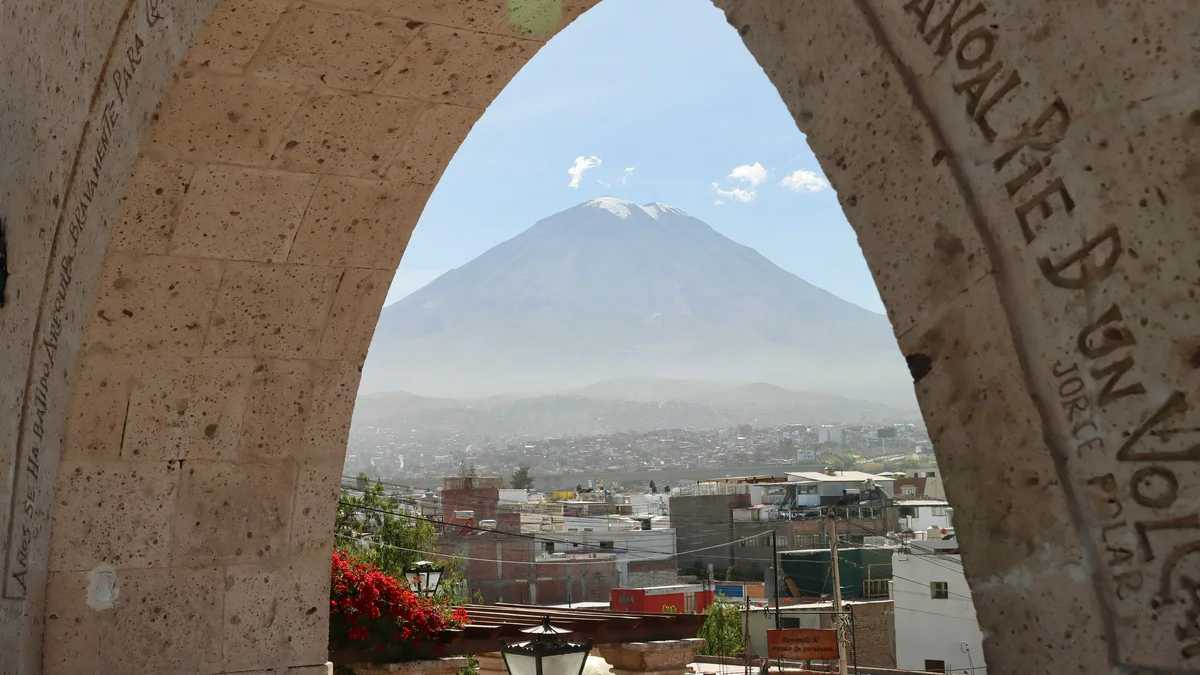
A colonial district built from pale sillar stone, best known for the arched viewpoint at its 18th-century church square, where sculpted volcanic-stone arches frame views of El Misti volcano towering over the city.
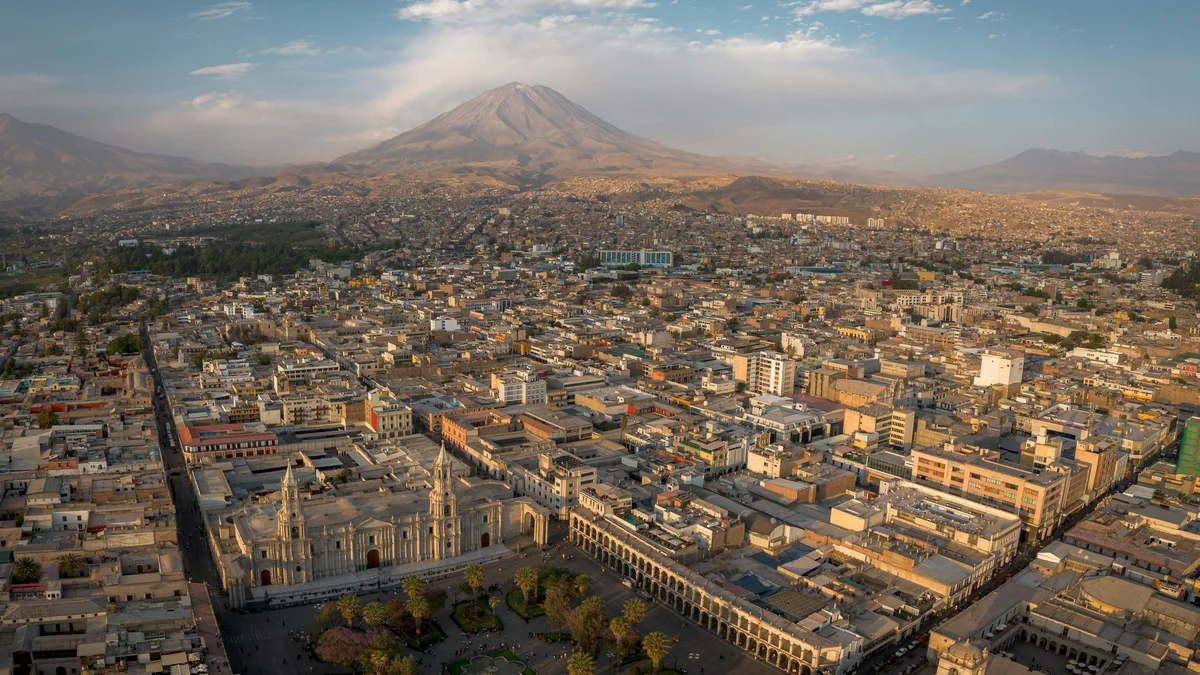 Private Tours
Skip a separate transfer entirely — your private guide meets you at the airport, then takes you straight into a private city tour of Yanahuara, Carmen Alto, and Santa Catalina Monastery.
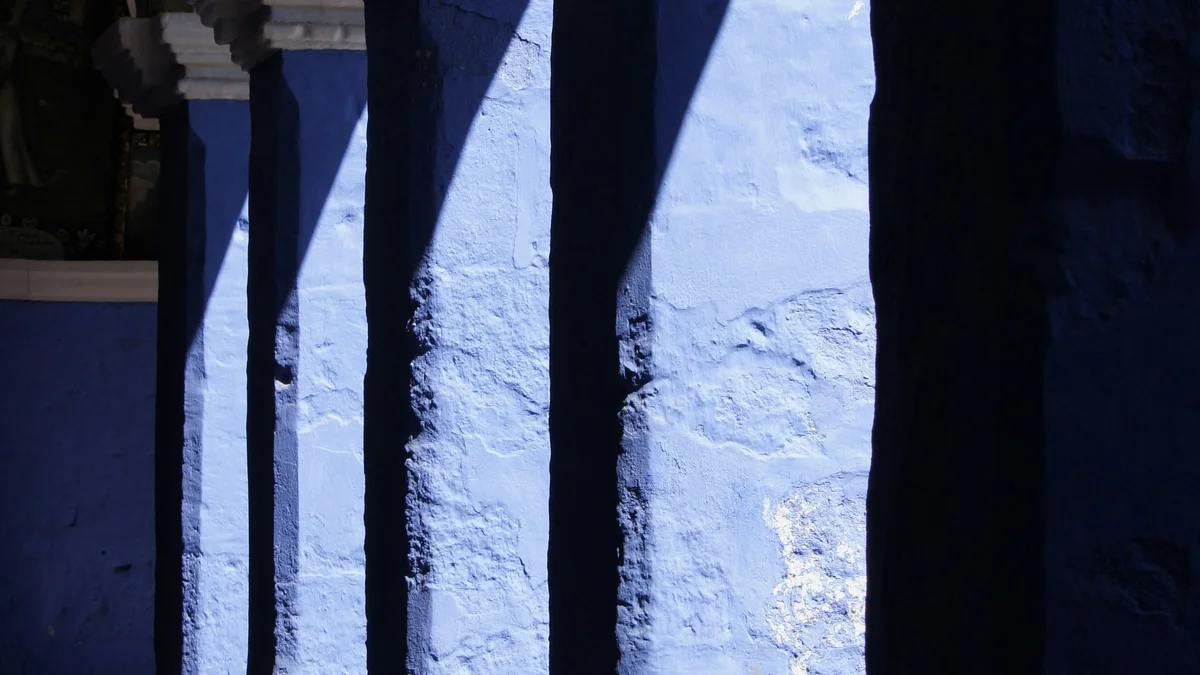 Private Tours
A private 5-hour city tour of Arequipa with a private guide and vehicle, visiting the Museum of Andean Sanctuaries (home to the Juanita mummy), Santa Catalina Monastery, and the colonial suburbs of Cayma, Yanahuara, and Sabandía.
Visitor guide
Yanahuara is a district of Arequipa, Peru, about 2 km from the historic centre on the right bank of the Chili River. It is known for its mirador, a set of sillar arches looking out over the city to the Misti, Chachani and Pichu Pichu volcanoes, and for the church of San Juan Bautista beside it.
Spanish Wikipedia says the area was inhabited before the Incas by Quechua-speaking peoples it calls the yanaguaras and chumbivilcas, and that under the Incas a group of mitmaq settlers (callapas) acted as a watch post on this side of the river. In colonial times the zone was known as la Chimba, 'the other bank'. According to Garcilaso de la Vega's account, as summarised on English Wikipedia, Yanahuara is among the hamlets the Inca ruler Huayna Capac supposedly founded in the Chili valley, so that origin is best read as tradition rather than documented fact. Peru's Congress records list a law of 8 November 1870 (published 10 November) that granted the title of villa to Yanaguara, now Yanahuara, and the title of city to Tiabaya; that was a grant of status rather than a record of the district's creation, and the name 'Villa Hermosa' does not appear in that entry.
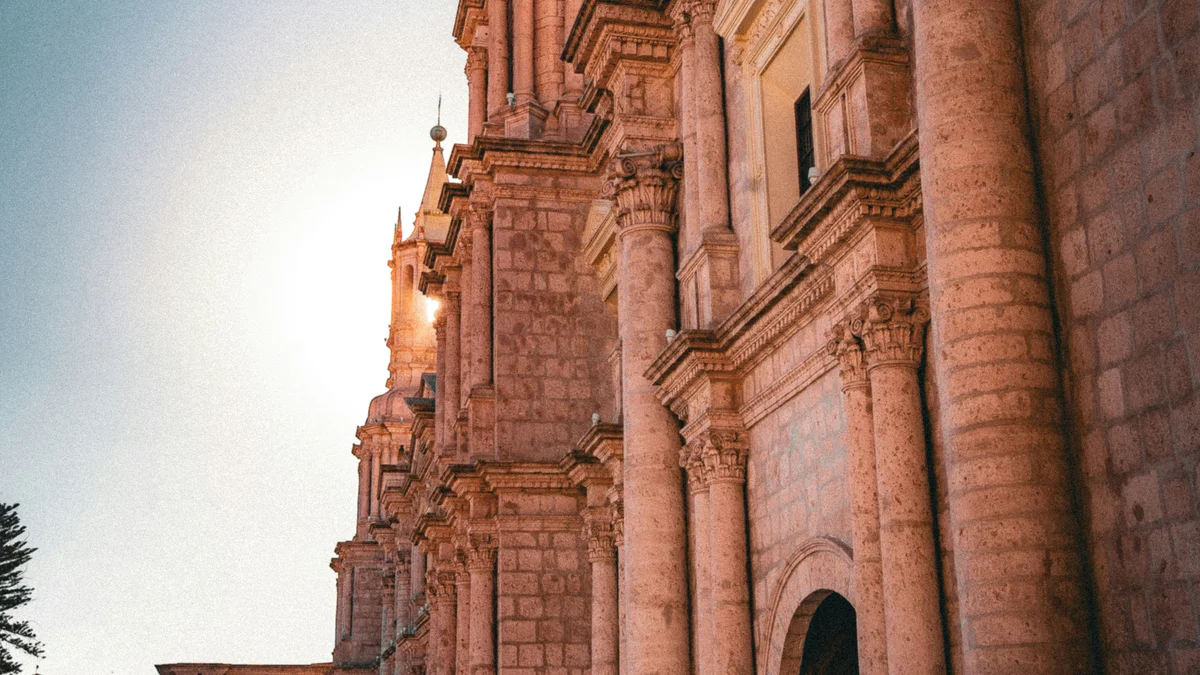
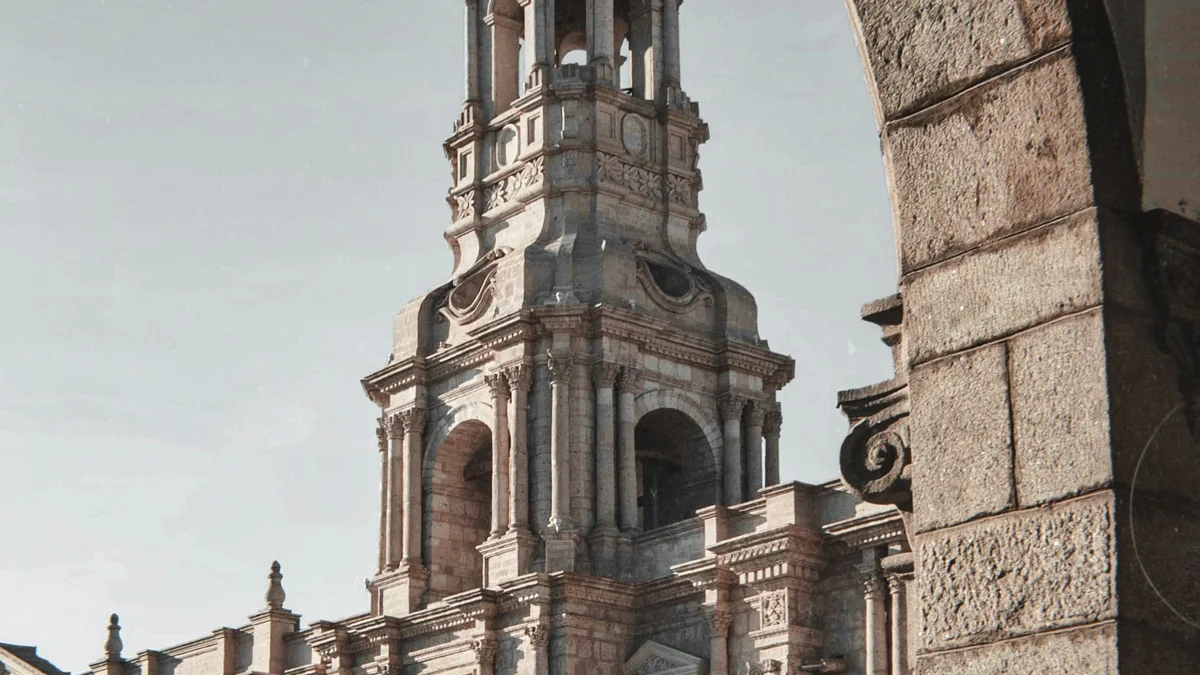
Spanish Wikipedia describes the church as one of the outstanding works of regional mestizo art and dates it to 1750. The same article records that in 1788 the parish priest Pedro de Otazu rebuilt the church at his own expense, so the building seen today reflects more than one phase. English Wikipedia describes the local fusion of Spanish and Indigenous decoration as the Arequipan School, and the city as a reference point for the mestizo Baroque of the southern Andes. The church sits on the plaza beside the mirador, and the district's feast days include San Juan Bautista and the Virgen del Rosario, its patron.
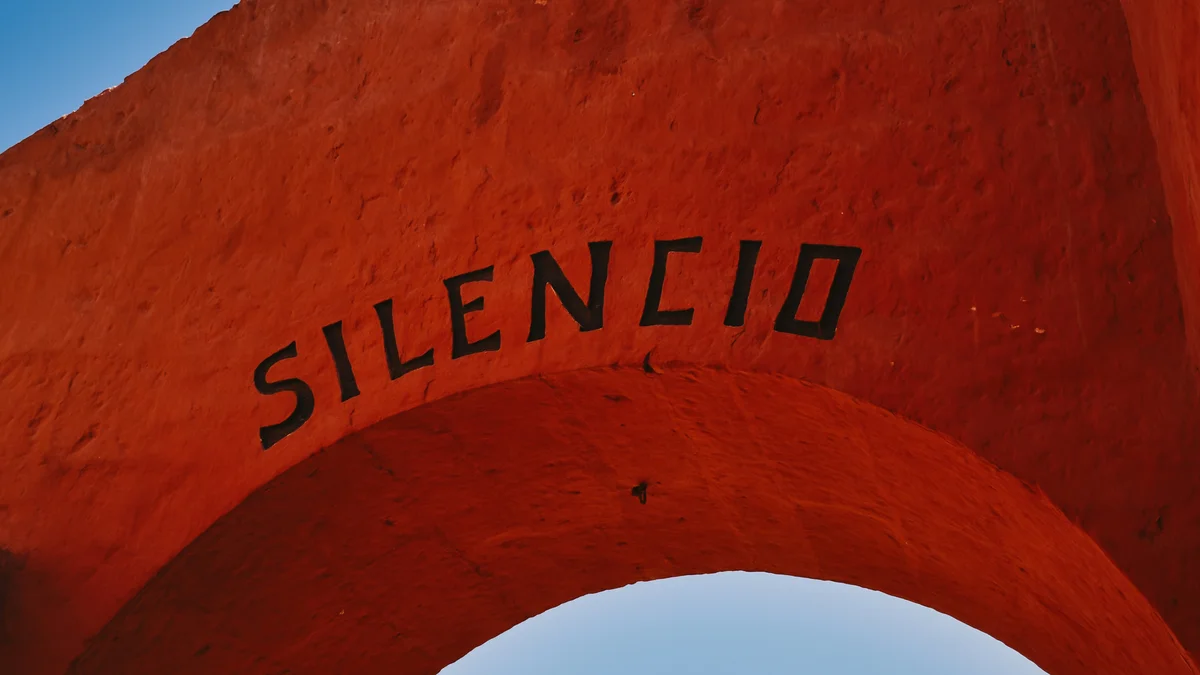
The mirador is a row of arched portals next to the church and facing the plaza. Like most older buildings in Arequipa it is made of sillar, the light volcanic stone quarried locally. The arches carry verses by local poets and writers, and from them the city spreads out below. Published sources disagree on the altitude, and Wikipedia gives an average of 2,343 metres for the district. The arches themselves are commonly dated to the 19th century, but the builder and exact date were not confirmed in the sources consulted.
The view takes in El Misti, a stratovolcano of about 5,822 metres roughly 12 km from the city, with Chachani, a dormant volcano some 15 km to the northwest, and the extinct Pichu Pichu about 20 km to the southeast. English Wikipedia notes that the people of Arequipa regard Misti as their house mountain, and that Inca offerings, including human sacrifice, were made on Misti and neighbouring peaks during an eruption in the 15th century.
Spanish Wikipedia describes a historic quarter of cobbled streets and sillar houses with gardens, a plaza consolidated in the late 18th century beside a tree-lined walk and the Recoletos convent, and early 20th-century eclectic mansions and garden-city style houses. Arequipa's historic centre was inscribed as a UNESCO World Heritage Site in 2000, though Yanahuara itself lies outside the inscribed property (about 166.5 hectares, with a buffer zone of about 165.5 hectares). A private guided visit with a driver can pair the mirador with the Plaza de Armas and the Santa Catalina Monastery, and a local guide can explain the sillar construction and the verses.
See every tour and attraction we cover in Arequipa.