TorontoOntario · 36 tours
 Niagara FallsOntario · 25 tours
 New York CityNew York · 30 tours
 Las VegasNevada · 8 tours
 San FranciscoCalifornia · 16 tours
 VancouverBritish Columbia · 17 tours
 DubaiUAE · 54 tours
 Abu DhabiUAE · 5 tours
 Buenos AiresArgentina · 23 tours
 AthensGreece · 31 tours
 AucklandNew Zealand · 38 tours
 CancunMexico · 54 tours
No destinations match “”. Try searching all tours instead — that search understands full questions, not just place names.
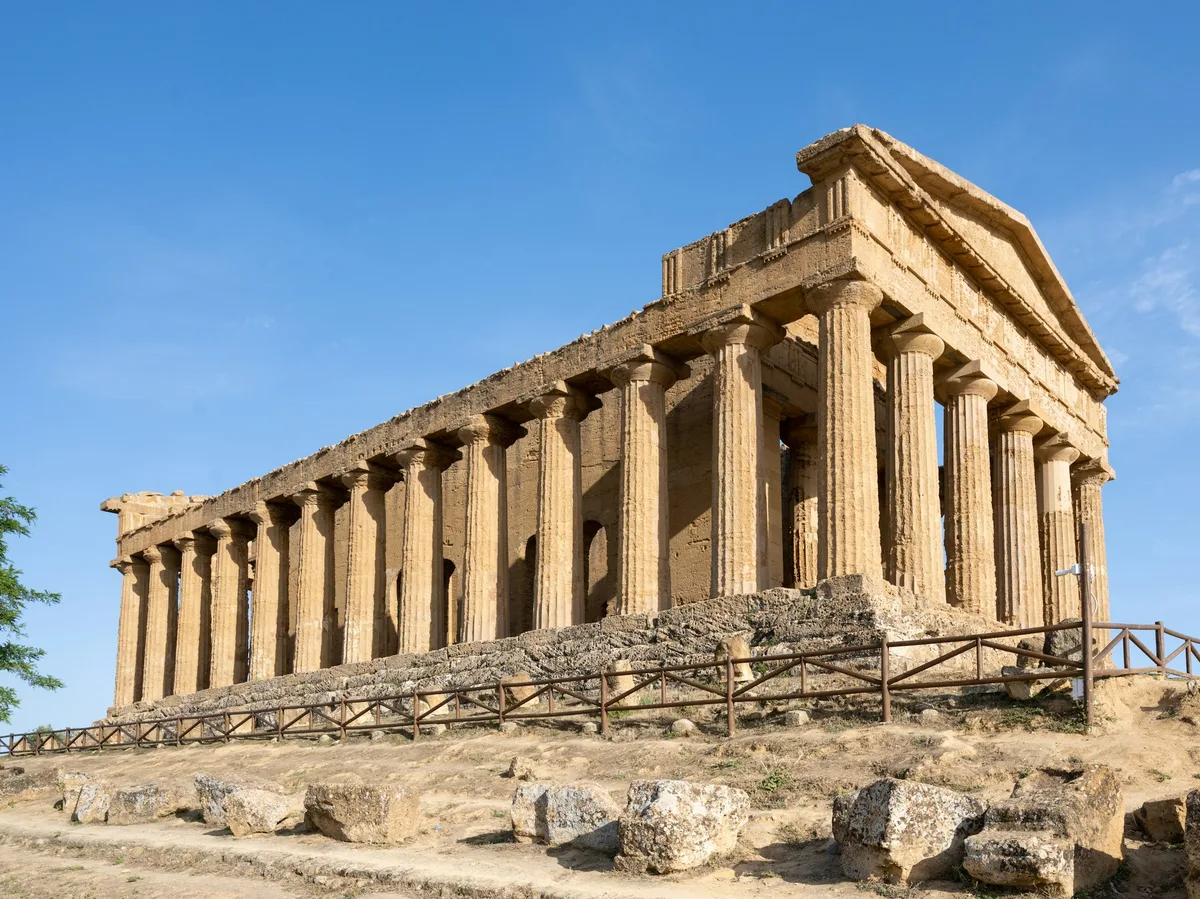
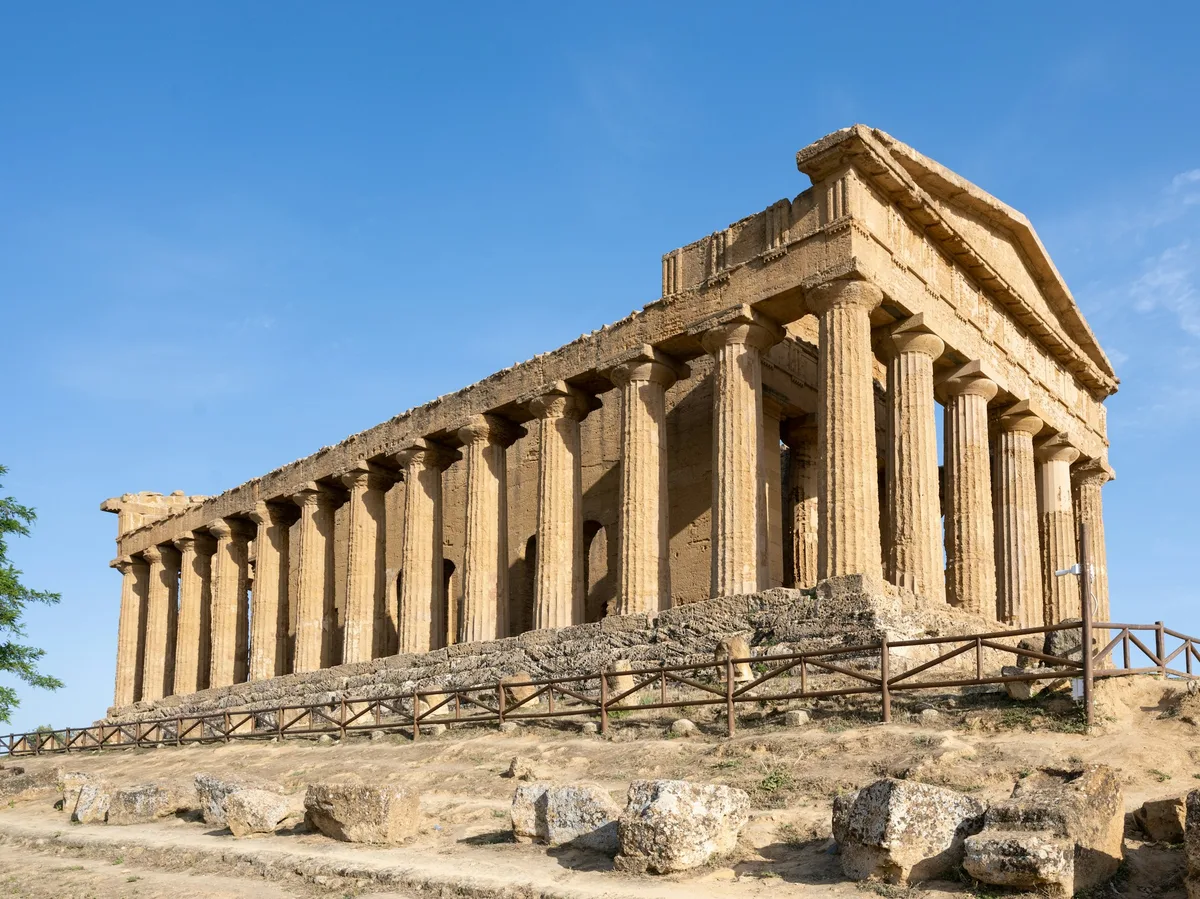
A UNESCO World Heritage archaeological park outside Agrigento, Sicily, where the ruins of Greek Doric temples — including the well-preserved Temple of Concordia — stand above the coastline.
Visitor guide
The Valley of the Temples (Valle dei Templi) is an archaeological site at Agrigento on the south coast of Sicily, Italy, preserving the remains of seven Greek temples of the ancient city of Akragas. Wikipedia calls it one of the most outstanding examples of ancient Greek art and architecture of Magna Graecia. Despite its name, the site is not in a valley but along a ridge outside the modern town.
The site includes remains of seven temples, all in the Doric style. Wikipedia notes that, apart from the Olympeion, the names attached to them are a tradition established in Renaissance times rather than proven dedications. The temples are usually listed as Concordia, Hera, Heracles, Olympian Zeus, Castor and Pollux, Hephaestus and Asclepius. The Temple of Heracles is described as the most ancient in the Valley, dating stylistically to the last years of the 6th century BC, and today only a row of columns stands, re-erected in the 20th century.
The Temple of Olympian Zeus, built in 480 BC to celebrate the city-state's victory over Carthage, was once a vast building characterised by large-scale figures of atlases. It was reduced to ruins by destruction that began in antiquity and continued into the 18th century, when it was used as a quarry for the port of Porto Empedocle. The Temple of Castor and Pollux has only four columns, assembled in an early 19th-century reconstruction from pieces of various temples, yet it has become the symbol of modern Agrigento.
The Temple of Concordia is the best known of the group. Its name comes from a Latin inscription found nearby, and it dates to the 5th century BC. Wikipedia ranks it among the most notable surviving edifices of Greek civilisation, and the UNESCO symbol alludes to its six-column facade. Its colonnade has six columns across the front and thirteen along the sides, each Doric column with twenty grooves, topped by an architrave with triglyphs and metopes.
The temple survives so well in part because it was converted into a church in the 6th century AD. The spaces between the columns were closed and twelve arched openings were cut into the cella to create a nave with two aisles. Traces of this reuse, including medieval burials, can still be seen. The Temple of Hera, from about 450 BC, stands on a huge artificial terrace at the eastern end of the ridge and was damaged in a fire in 406 BC, which the source links to the Carthaginians.
Since 1997 the entire area has been included on the UNESCO World Heritage List. According to Wikipedia, the archaeological and landscape park covers on the order of 1,300 hectares by Wikipedia's figure, while the park's own page for the UNESCO property lists 934 hectares plus a 1,869-hectare buffer zone, so figures vary by what is counted. The park also contains the so-called Tomb of Theron, a pyramid-shaped tuff monument that scholars suppose was built to commemorate Romans killed in the Second Punic War, as well as sanctuaries, gates and the remains of the ancient city's walls.
The Temple of Asclepius lies on the San Gregorio plain, away from the main ridge, and the Temple of Hephaestus on the far spur of the hill is among the most eroded of the group. The Olympeion field includes a large platform with several sanctuaries still under investigation.
The temples are spread along the ridge and across the surrounding slopes, so a visit involves a good deal of walking in open terrain, usually with little shade, which makes the choice of season and time of day worth thinking about. A private guided visit with a driver can help explain which temples are original, which are partly reconstructed and what the traditional names do and do not mean.
See every tour and attraction we cover in Italy.