TorontoOntario · 36 tours
 Niagara FallsOntario · 25 tours
 New York CityNew York · 30 tours
 Las VegasNevada · 8 tours
 San FranciscoCalifornia · 16 tours
 VancouverBritish Columbia · 17 tours
 DubaiUAE · 54 tours
 Abu DhabiUAE · 5 tours
 Buenos AiresArgentina · 23 tours
 AthensGreece · 31 tours
 AucklandNew Zealand · 38 tours
 CancunMexico · 54 tours
No destinations match “”. Try searching all tours instead — that search understands full questions, not just place names.
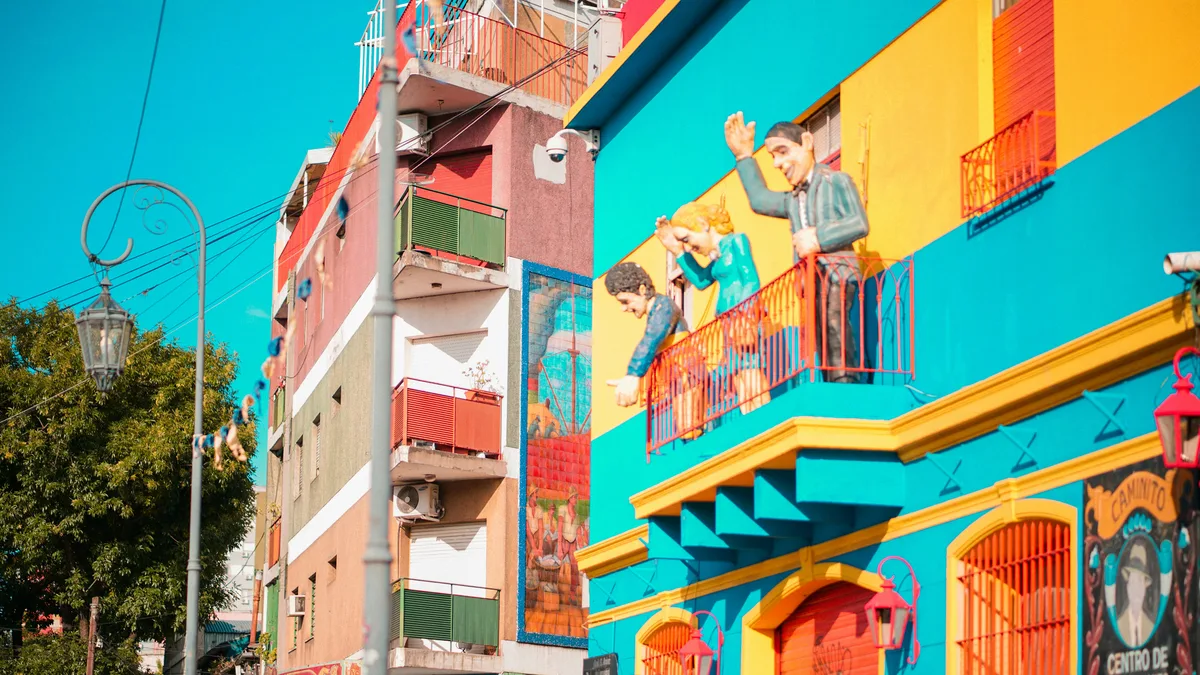
La Boca is the old Genoese immigrant port neighborhood where tango is said to have been born, and Caminito is its most photographed street — a short pedestrian lane lined with corrugated-metal houses painted in bright, mismatched colors, a tradition dating back to when dock workers used leftover ship paint on their homes. It's also home to Boca Juniors' La Bombonera stadium.
 Private Tours
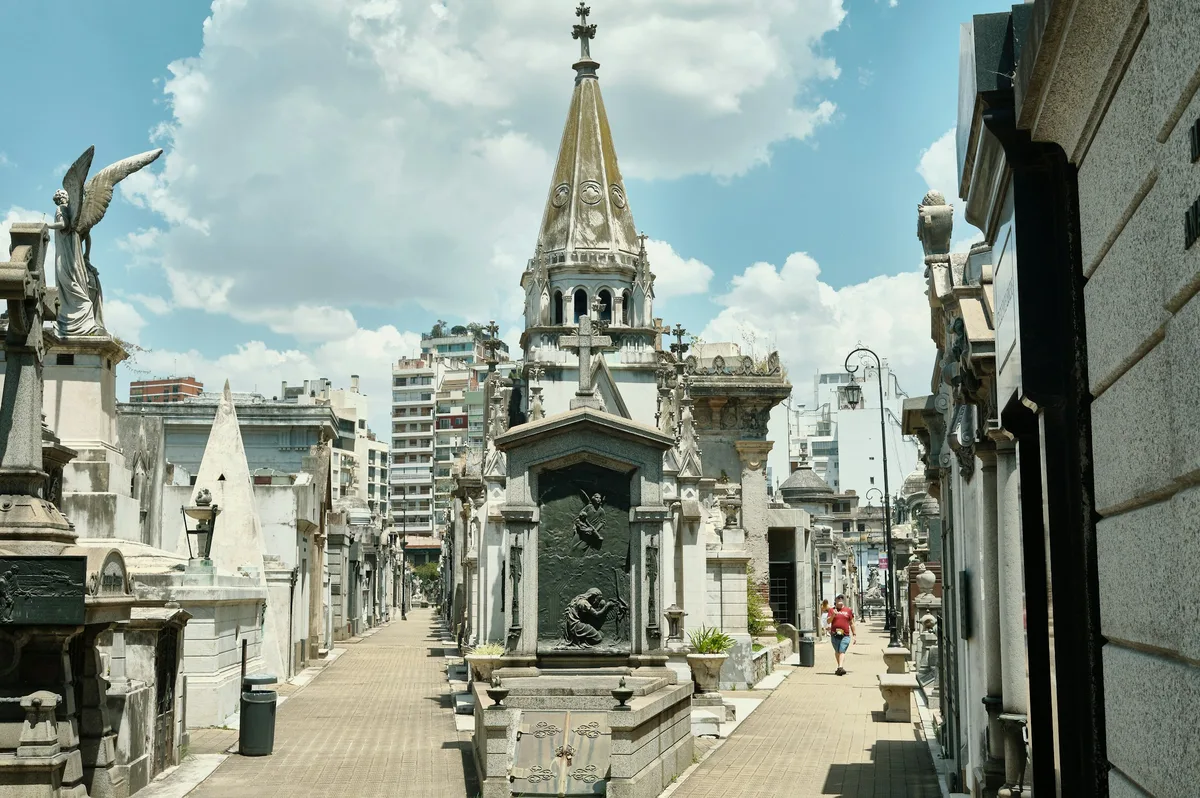
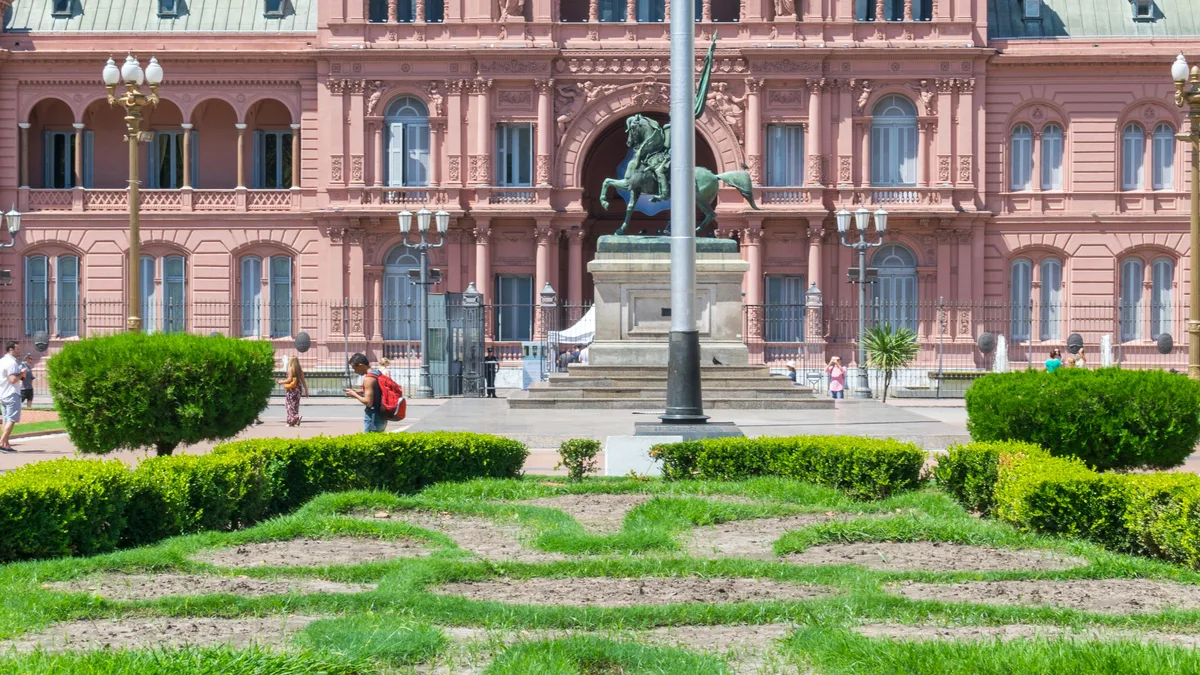
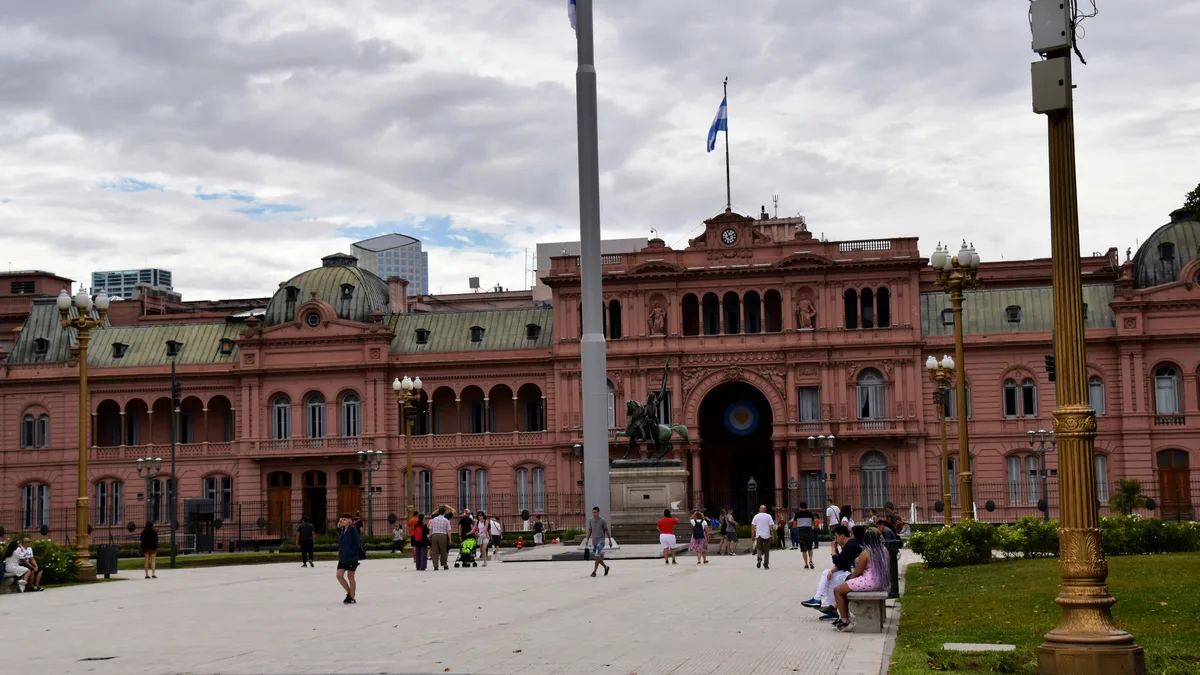
A private, air-conditioned vehicle and a local guide take you through Casa Rosada, La Boca's Caminito, San Telmo, and Recoleta Cemetery in one easy half-day.
 Private Tours
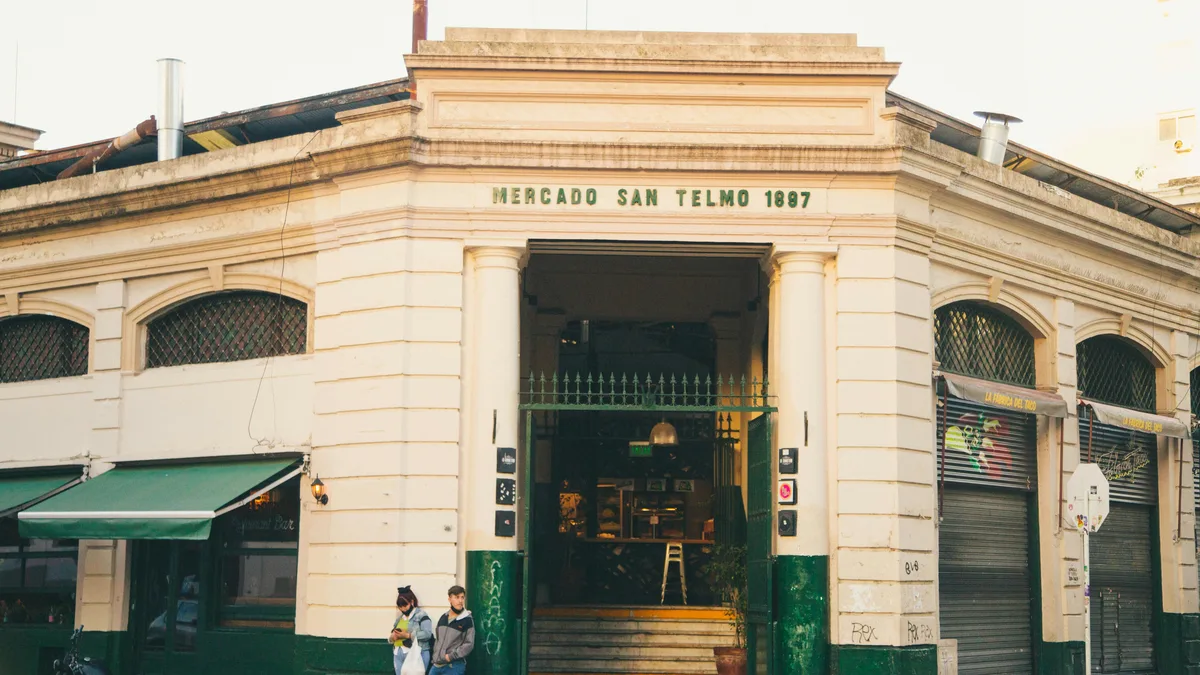
A private half-day tour taking in San Telmo, Evita's balcony, and La Boca, plus a visit to the Zanjón de Granados — the oldest tunnels in the city, built along a buried colonial-era stream.
 Private Tours
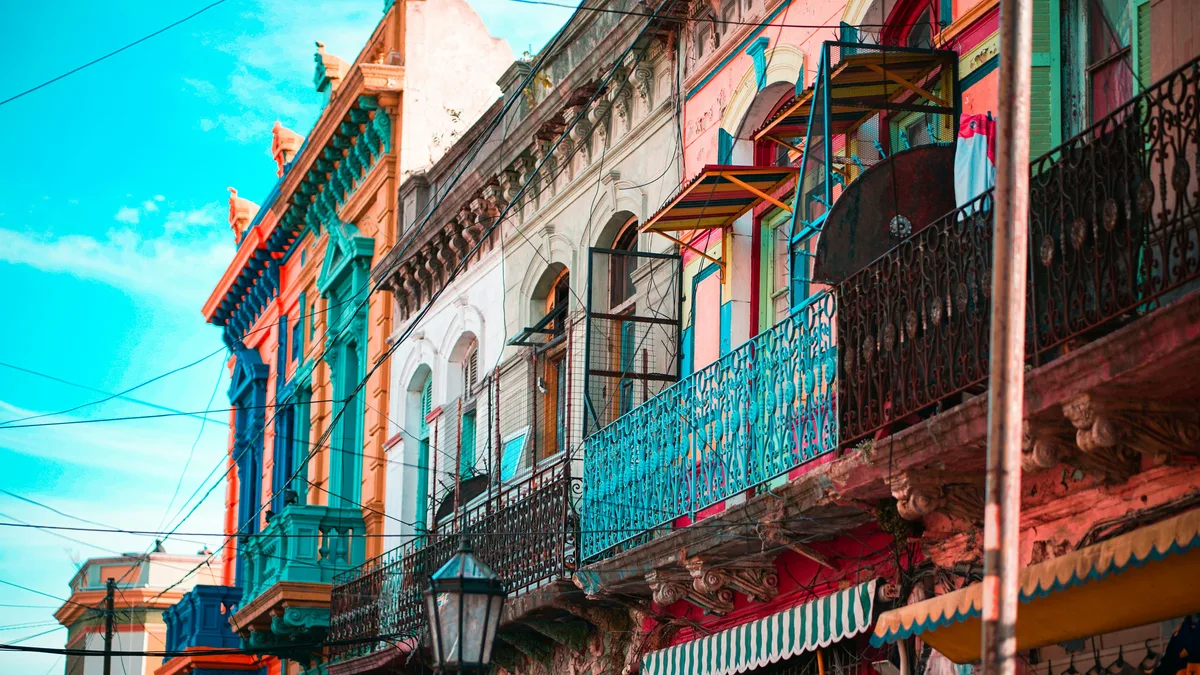
Learn the immigrant history of these two founding neighborhoods with a private guide, sampling local food and visiting markets and landmarks along the way — no navigating or research required.
Visitor guide
La Boca is a neighbourhood on the south-eastern edge of Buenos Aires, Argentina, near the old port, and Caminito is the short, colourful pedestrian street at its heart. The neighbourhood became a melting pot of immigrant cultures in the 20th century and is closely tied to the early development of tango.
Wikipedia explains that La Boca, Spanish for the mouth, is probably named for the mouth of the Matanza River. Its position by the Port of Buenos Aires made it a gathering place for millions of immigrants from Europe and Asia in the 20th century, and many settlers came from the Italian region of Liguria. In 1882, after a long general strike, La Boca seceded from Argentina in a symbolic protest and raised the Genoese flag, which was soon torn down by then President Julio Argentino Roca.
The neighbourhood is also known as the home of Boca Juniors, one of Argentina's two largest sports clubs, which plays at the stadium popularly called La Bombonera, meaning the bonbon box. Wikipedia adds that La Boca elected the first socialist member of the Argentine Congress, Alfredo Palacios, in 1935.
Caminito, meaning little walkway, is a street museum and traditional alley in La Boca. According to Wikipedia, in the 1800s a small stream flowing into the Riachuelo ran along its route, and the area was known by the Genoese word Puntin, for a small bridge. After the stream dried up, railway tracks were laid, and some disused tracks remain at the end of the street along Garibaldi Street.
Sources differ on when the railway fell out of use, with accounts giving 1928 or 1954, and the site then became a landfill. Over the following years the artist Benito Quinquela Martín, who lived nearby, prepared the walls facing the street and painted them in pastel colours. Wikipedia also notes that Quinquela Martín was a friend of the tango composer Juan de Dios Filiberto, whose 1926 tango Caminito gave the street its significance and its name.
Quinquela Martín is considered a leading painter of port scenes, capturing the activity of daily life in La Boca. His connection to the neighbourhood helps explain the colourful tradition of its streets. Today Caminito is lined with painted facades, where tango dancers perform and tango-related memorabilia is sold, alongside the La Ribera theatre, tango clubs and Italian taverns.
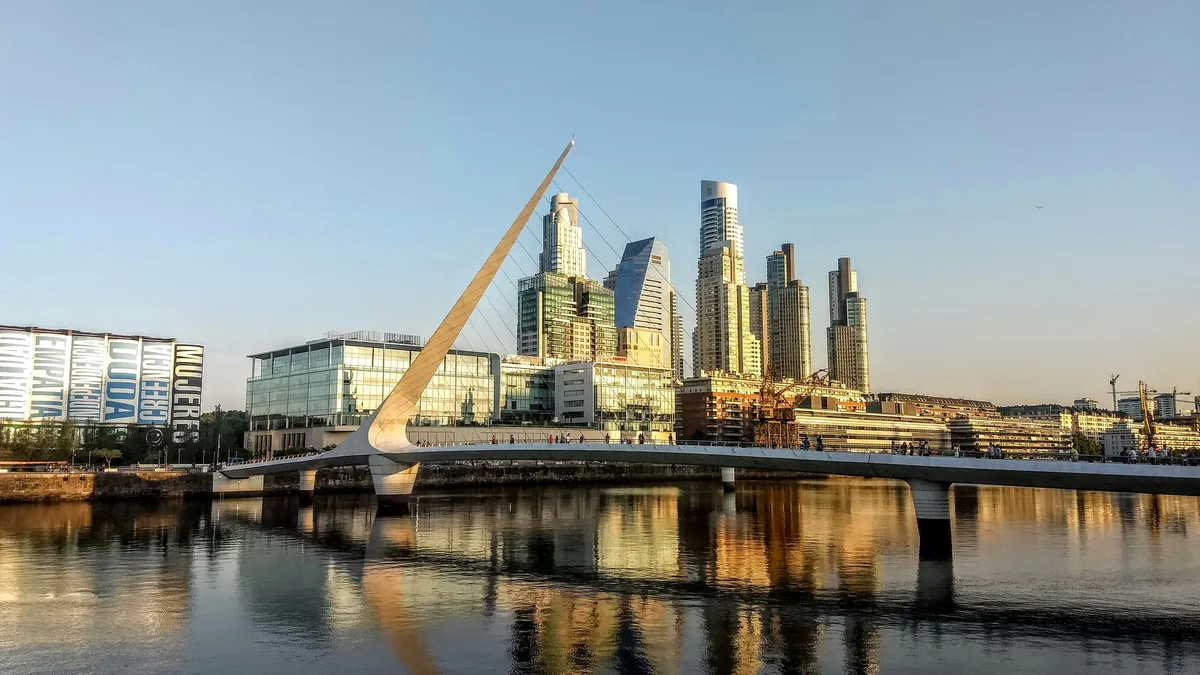
The part of La Boca visited by tourists is only a few blocks long. A private guided visit can set Caminito in context, with the stories of Genoese settlers, tango and the port, and can help you plan the stop alongside other parts of Buenos Aires such as San Telmo and Puerto Madero.
See every tour and attraction we cover in Buenos Aires.