TorontoOntario · 36 tours
 Niagara FallsOntario · 25 tours
 New York CityNew York · 30 tours
 Las VegasNevada · 8 tours
 San FranciscoCalifornia · 16 tours
 VancouverBritish Columbia · 17 tours
 DubaiUAE · 54 tours
 Abu DhabiUAE · 5 tours
 Buenos AiresArgentina · 23 tours
 AthensGreece · 31 tours
 AucklandNew Zealand · 38 tours
 CancunMexico · 54 tours
No destinations match “”. Try searching all tours instead — that search understands full questions, not just place names.
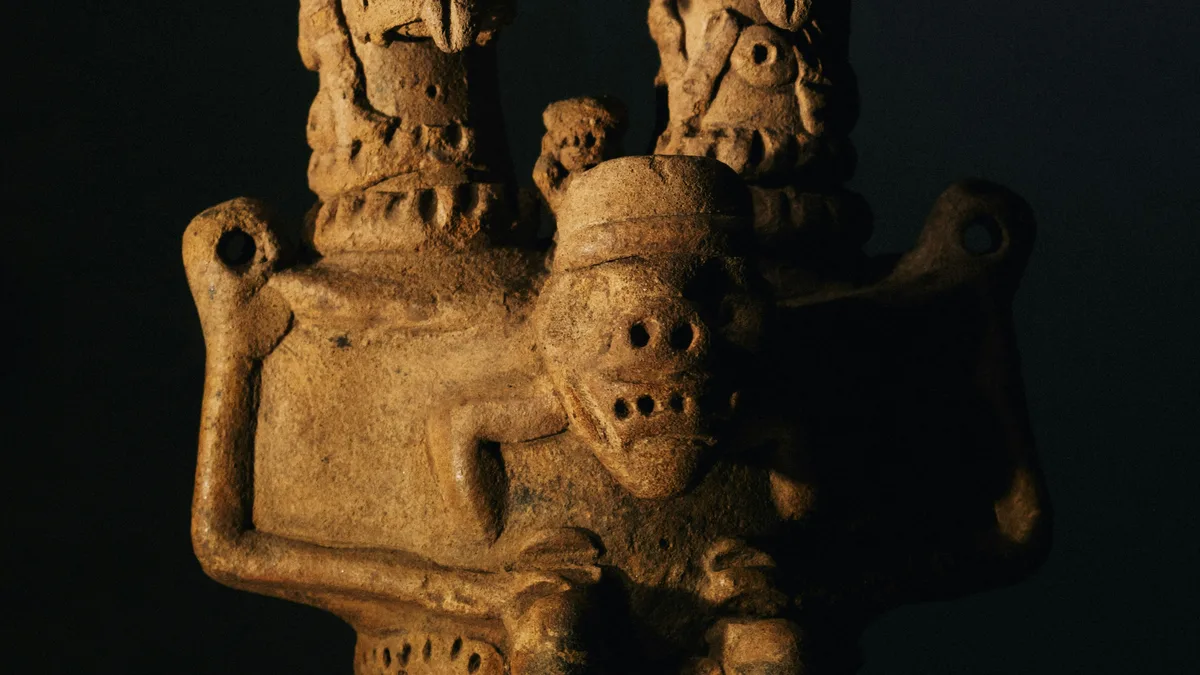
One of Latin America's premier pre-Columbian art museums, housed in a restored 18th-century viceregal mansion built atop a 7th-century pre-Columbian pyramid. Its collection spans over 5,000 years and includes some 45,000 pre-Hispanic ceramics, textiles, and metalwork pieces, founded by Rafael Larco Hoyle in 1926.
 Private Tours
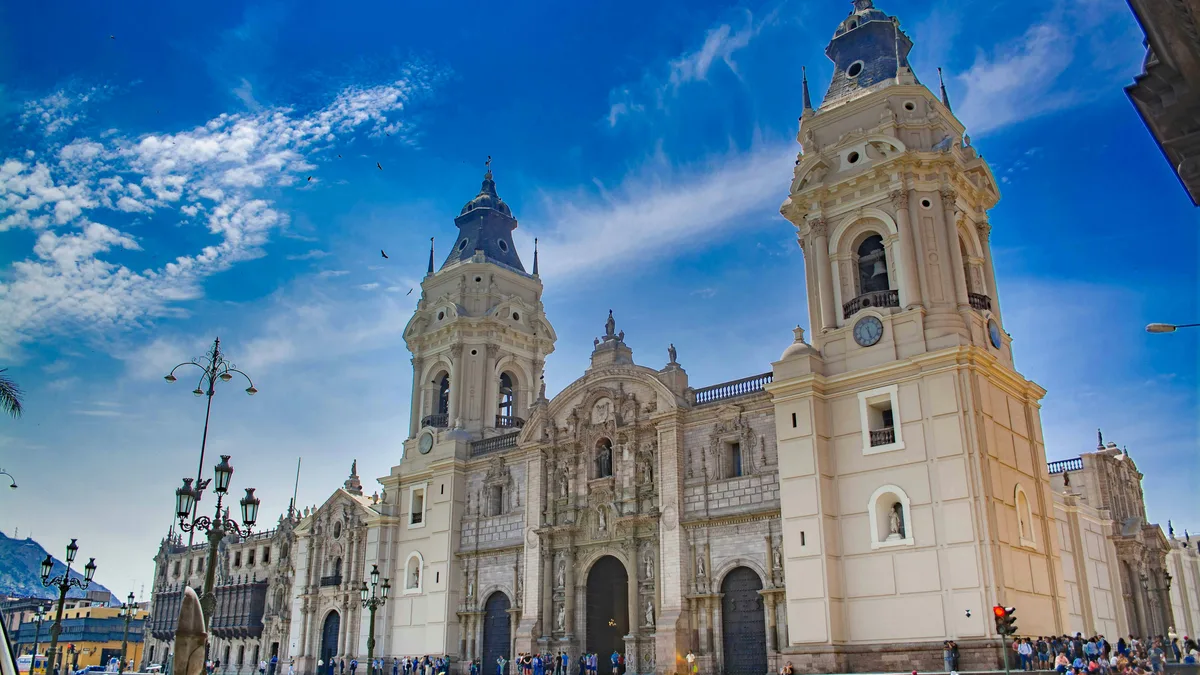
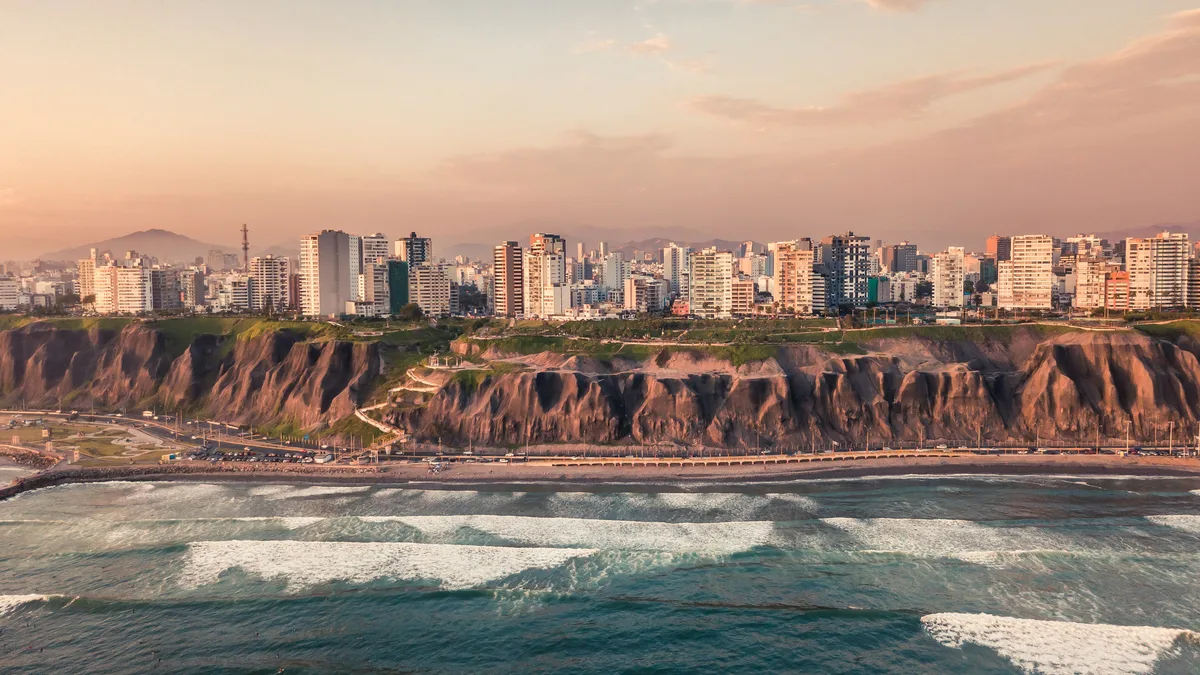
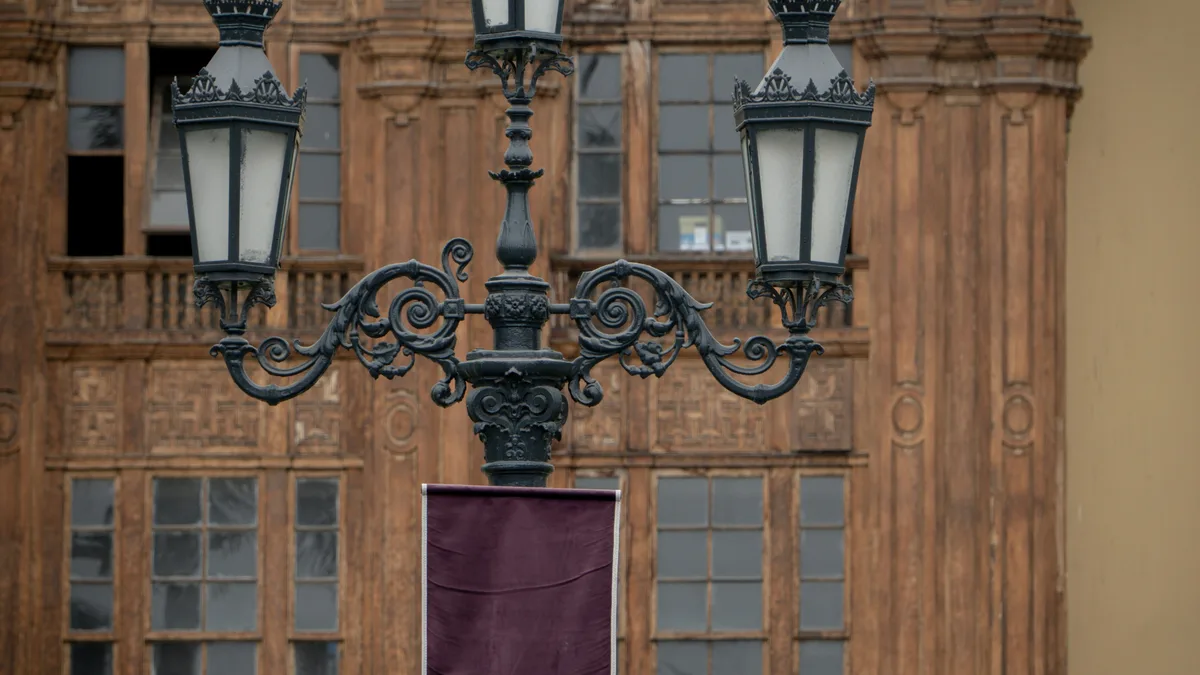
Spend a full private day with your own guide and driver covering Lima's UNESCO-listed historic center, the Larco Museum's pre-Columbian collection, and the clifftop Miraflores neighborhood.
 Private Tours
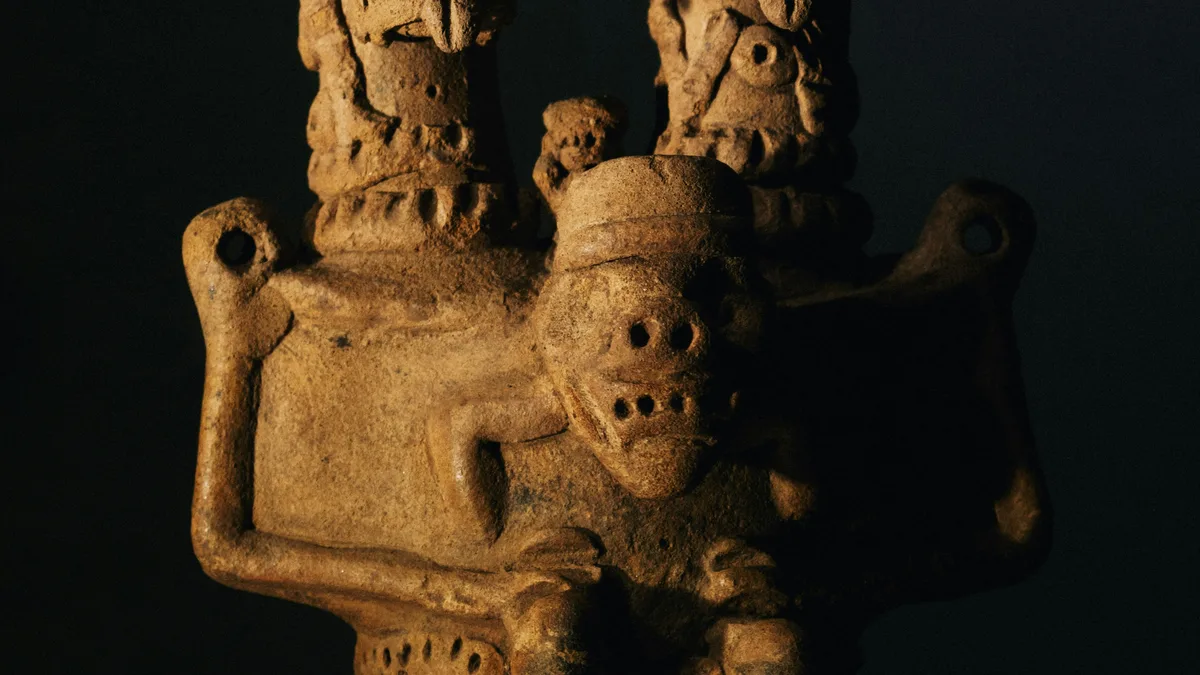
Discover the ancient cultures of Peru with an exclusive private guided tour of the Larco Museum, exploring more than 5,000 years of history through its collection of 45,000 pre-Hispanic ceramics, textiles, and metalwork.
Visitor guide
The Larco Museum, officially the Rafael Larco Herrera Archaeological Museum, is a privately owned museum of pre-Columbian art in the Pueblo Libre district of Lima, Peru. It is housed in an 18th-century vice-royal building and is known for its ceramics, gold and silver, textiles and its storage gallery open to visitors.
According to Wikipedia, the collection started in 1925 when Rafael Larco Herrera acquired about 600 ceramic pieces from his brother-in-law, Alfredo Hoyle. His son, Rafael Larco Hoyle, became enthusiastic and took charge of it. Larco Hoyle was encouraged by his uncle Victor Larco Herrera, a founder of an earlier Lima museum, to create a museum to protect relics that clandestine excavators were removing. He bought two large collections, of roughly 8,000 and 6,000 pieces, and several smaller ones from the Chicama Valley, Trujillo, Viru and Chimbote.
The collection was first displayed in a small house on the Chiclin estate and opened to the public on 28 July 1926 as the Museo Arqueologico Rafael Larco Herrera. It later moved to its present building in Lima.
The Cultures Gallery presents Peru's pre-Columbian peoples in four areas. The North Coast includes Cupisnique, Vicus, Mochica and Chimu; the Central Coast includes Lima and Chancay; the South Coast includes Paracas, Nazca and Chincha; and the Highlands include Chavin, Tiahuanaco, Huari and Inca. Wikipedia says the museum's chronological galleries trace about 5,000 years of history, although it also states 10,000 years for the Cultures Gallery, so the span is quoted inconsistently.
The Gold and Silver Gallery holds jewellery worn by pre-Columbian rulers, including crowns, earrings, nose ornaments, masks and vases, and features a Mochica headdress. Other spaces cover lithics, ceramics, metals, textiles and a vault.
The Storage Gallery lets visitors see the museum's classified collection arranged by type, rather than only a curated selection. A separate gallery displays pre-Columbian erotic pottery. Wikipedia connects this to research Larco Hoyle carried out in the 1960s on sexual imagery in Peruvian art, published in his book Checan in 1966.
Moche, or Mochica, ceramics are among the best-known objects in the museum, and they show portraits, animals and scenes of daily and ritual life modelled in clay. Sources vary on specific claims such as the exact number of objects and the origin of the building's foundations, so those details are best confirmed with the museum.
Beyond the displays, the museum is notable as a private initiative that grew out of a family's collecting. Its origins in the 1920s reflect a period when Peruvian archaeology was still taking shape and many sites were being looted, which is why Larco Hoyle's purchases and his later scholarship on the Chicama and Moche valleys are part of the museum's identity.
The museum also lends pieces to its daughter institution, the Museo de Arte Precolombino in Cusco. A private guided visit with a driver pairs well with the nearby districts of Lima, and a guide can help place each culture on a timeline.
See every tour and attraction we cover in Lima.