TorontoOntario · 36 tours
 Niagara FallsOntario · 25 tours
 New York CityNew York · 30 tours
 Las VegasNevada · 8 tours
 San FranciscoCalifornia · 16 tours
 VancouverBritish Columbia · 17 tours
 DubaiUAE · 54 tours
 Abu DhabiUAE · 5 tours
 Buenos AiresArgentina · 23 tours
 AthensGreece · 31 tours
 AucklandNew Zealand · 38 tours
 CancunMexico · 54 tours
No destinations match “”. Try searching all tours instead — that search understands full questions, not just place names.
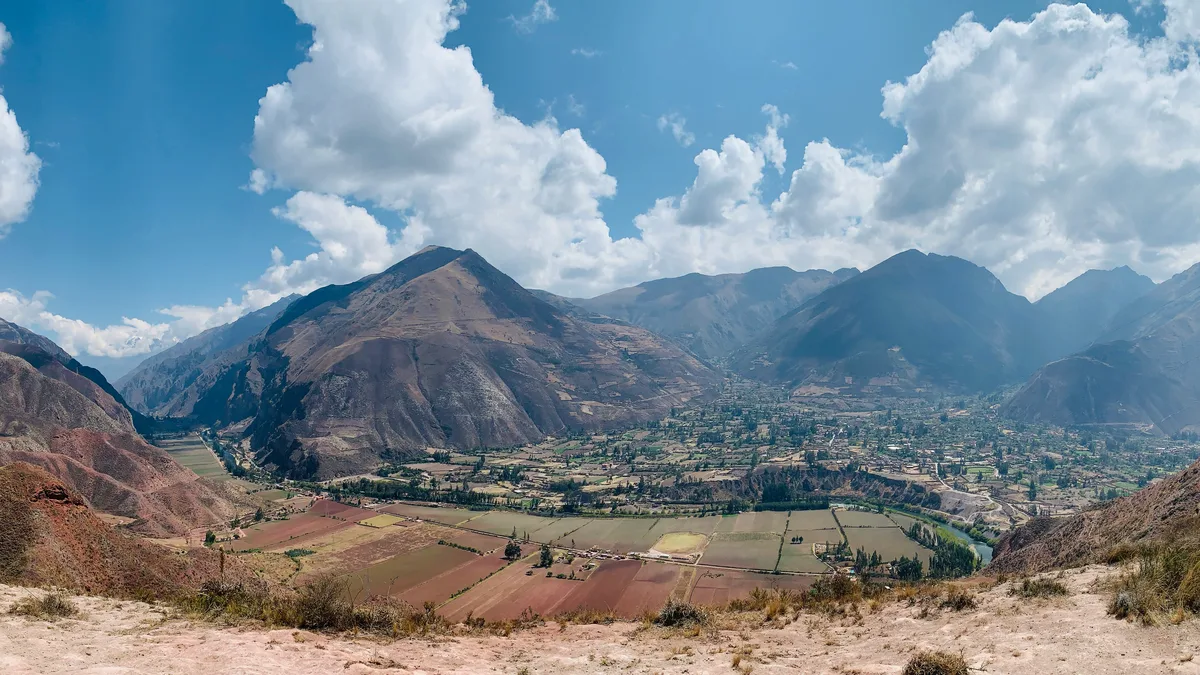
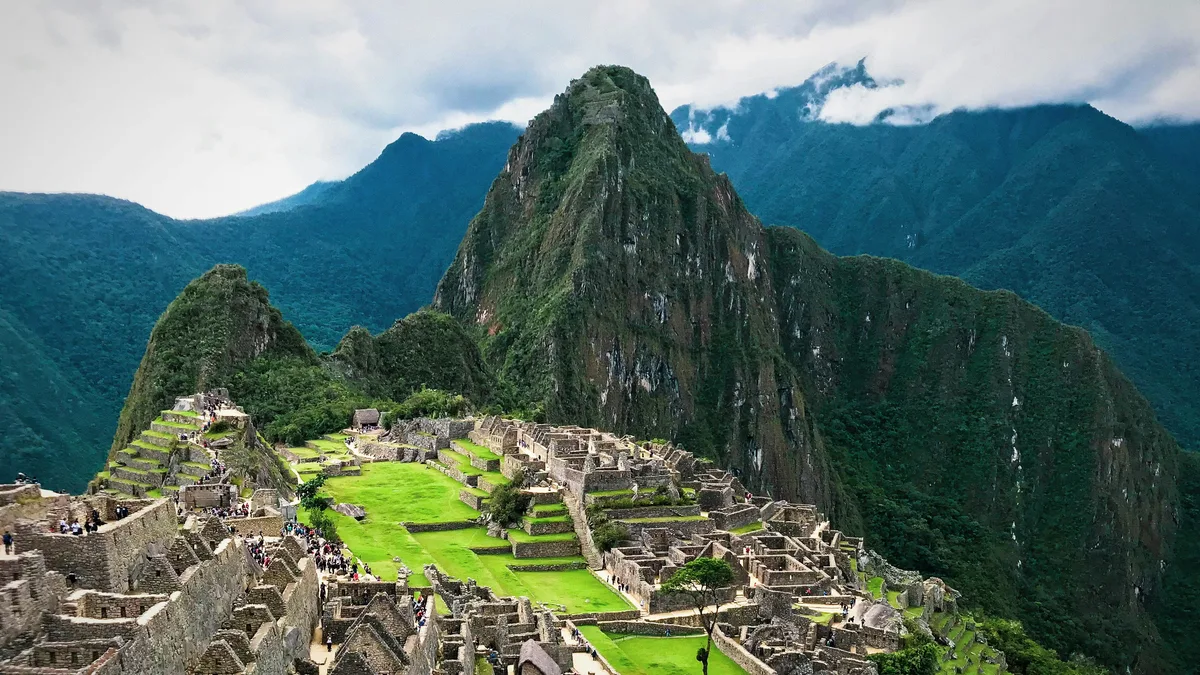
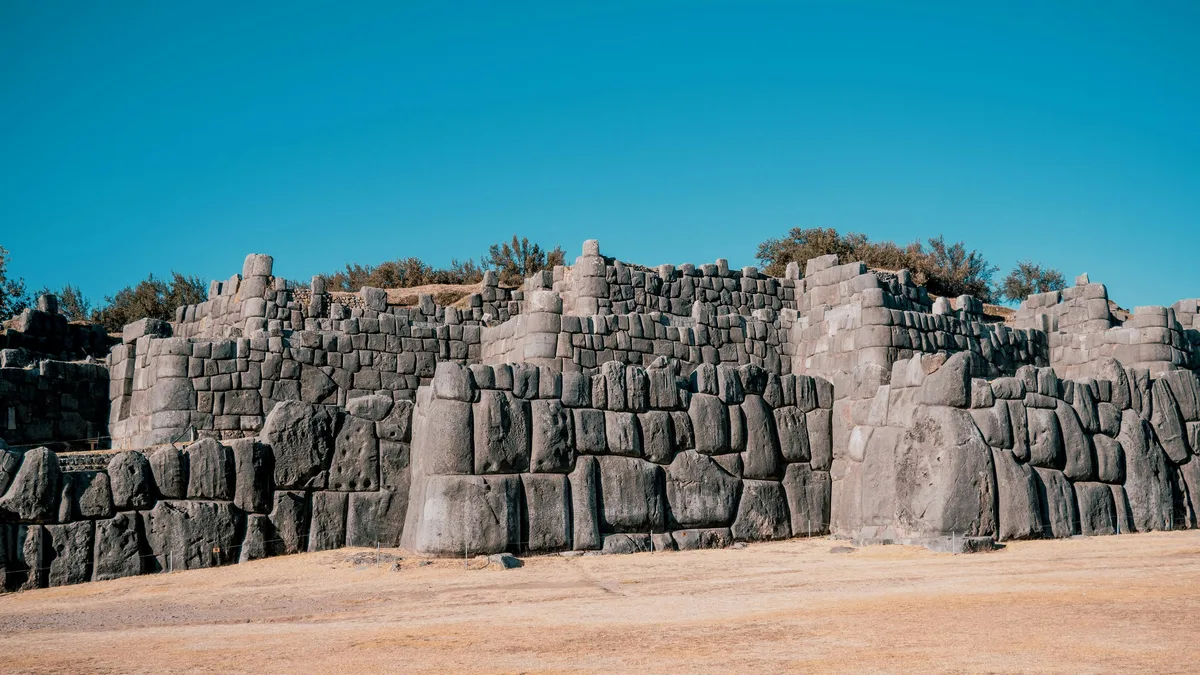
The Sacred Valley (Valle Sagrado) follows the Urubamba River northwest of Cusco through a string of Inca towns and ruins, including the hilltop terraces and market of Pisac and the still-inhabited fortress town of Ollantaytambo, the last functioning Inca administrative center. Lower in altitude and more fertile than Cusco, it was the breadbasket of the Inca Empire and today is the route most travelers pass through on the way to Machu Picchu.
 Private Tours
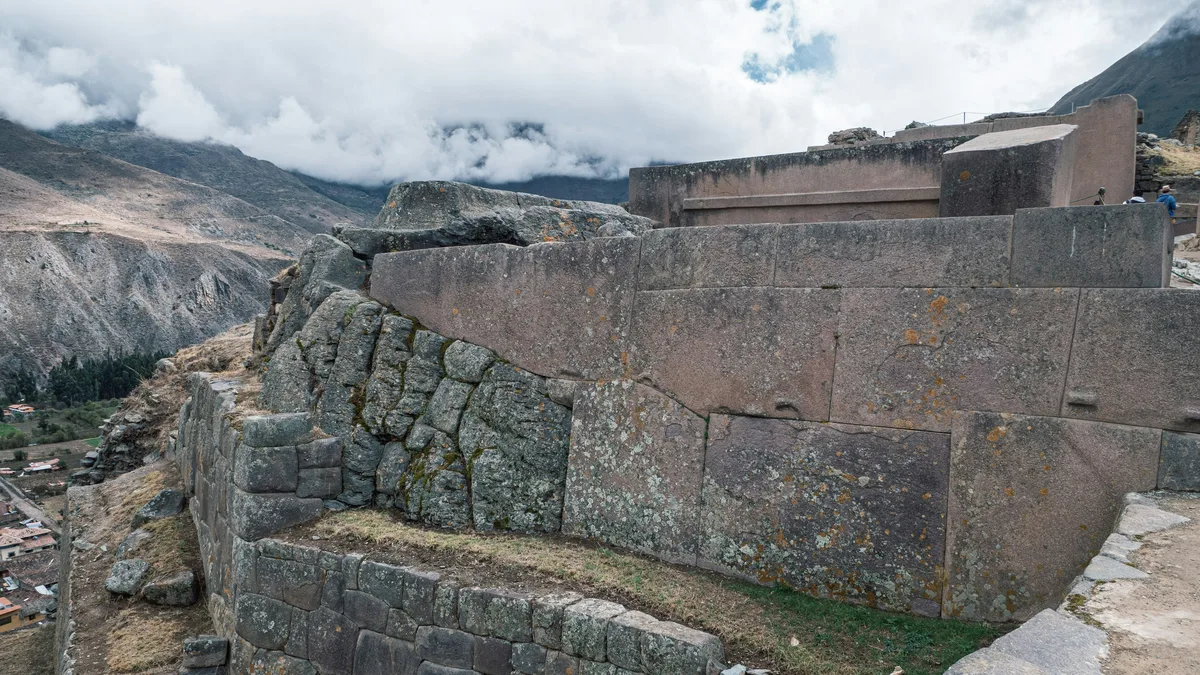
A leisurely private full-day Sacred Valley tour from Urubamba and Ollantaytambo, covering the Ollantaytambo fortress, Maras salt pools, Moray, and Chinchero ruins.
 Private Tours Popular Pick
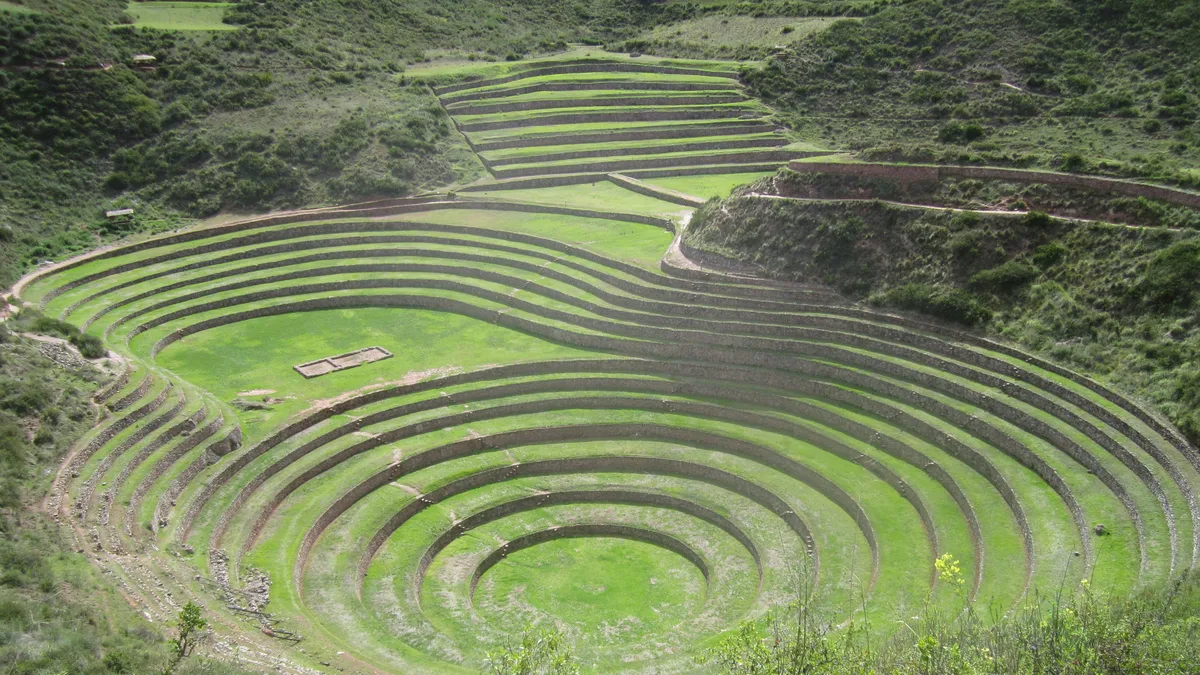
A comprehensive private full-day Sacred Valley tour covering Pisac, Ollantaytambo, Chinchero, Moray, and the Maras salt pools, with a buffet lunch included.
 Private Tours
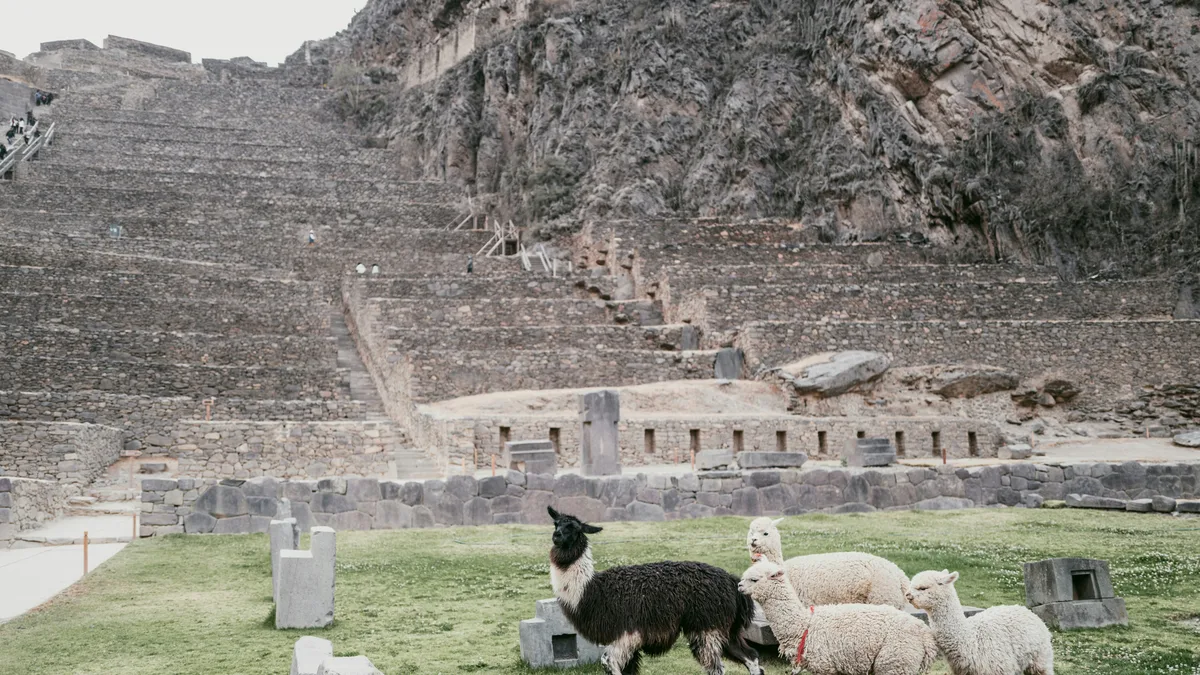
A private full-day Sacred Valley tour visiting the Pisac ruins and market, the Ollantaytambo fortress, and Chinchero, by private vehicle from Cusco.
Visitor guide
The Sacred Valley of the Incas, also called the Urubamba Valley, lies in the Andes of Peru north of Cusco. It stretches from Pisac to Ollantaytambo and onward toward Machu Picchu, and was a heartland of Inca agriculture and royal estates.
Wikipedia describes the valley as running about 100 kilometres from Pisac to Machu Picchu, with the river dropping from about 3,000 metres at Pisac to about 2,050 metres below Machu Picchu. The cultivated valley floor averages about 1 kilometre wide, and side valleys and terraces add farmland. Snow peaks including Sahuasiray and Veronica rise to the north. Annual precipitation is about 527 millimetres, concentrated between October and April.
The Urubamba River, also called Vilcanota, formed the valley. Willkanuta, an Aymara name, is translated as house of the sun, and Willkamayu, in Quechua, as sacred river. Colonial documents called the valley the Valley of Yucay.
The valley was the most important maize-growing area in the Inca heartland because its lower, warmer elevation allowed the crop. Maize was a prestige food used mainly to make chicha, a fermented drink served at ceremonies and festivals. Access along the valley to tropical areas let coca leaf and chilli peppers reach Cusco. The Incas built extensive irrigation works, and hillside terraces called andenes remain among the most visible traces. Moray, nearby, is noted for a crop-breeding site that may have supported maize production.
In the 1400s the valley became an area of royal estates. According to the article, these included estates of Viracocha Inca at Huchuy Qosqo, Pachacuti at Pisac and Huayna Capac at Quispiguanca. Most archaeologists believe Machu Picchu was built as an estate for Pachacuti. Pisac, Ollantaytambo, Huchuy Qosqo and Quispiguanca are the main sites named.
Farming began with the Chanapata from around 800 BCE, followed by the Qotacalla from 500 to 900 CE and the Killke from around 900 until the Incas absorbed the area around 1420. In 1537 Manco Inca won the Battle of Ollantaytambo against a Spanish army led by Hernando Pizarro, but he soon withdrew and Spanish colonists took control.
Visitors travelling the valley pass terraced slopes, small farming communities and market towns, and the altitude changes gradually along the route. Since the valley floor lies lower than Cusco, it is often described as milder, which fits its historic role as the Incas' agricultural heartland and a base for reaching the Machu Picchu area.
Today the valley is a leading tourist route, with villages, markets and ruins along the road. A private guided visit with a driver lets a group choose which sites to include and avoid back-tracking along the valley.
Because the Sacred Valley was a royal landscape rather than a single site, understanding it means linking estates, terraces, roads and towns. Wikipedia notes that access through the valley to the tropical lowlands made it a corridor for trade goods heading to Cusco.
See every tour and attraction we cover in Cusco.