TorontoOntario · 36 tours
 Niagara FallsOntario · 25 tours
 New York CityNew York · 30 tours
 Las VegasNevada · 8 tours
 San FranciscoCalifornia · 16 tours
 VancouverBritish Columbia · 17 tours
 DubaiUAE · 54 tours
 Abu DhabiUAE · 5 tours
 Buenos AiresArgentina · 23 tours
 AthensGreece · 31 tours
 AucklandNew Zealand · 38 tours
 CancunMexico · 54 tours
No destinations match “”. Try searching all tours instead — that search understands full questions, not just place names.
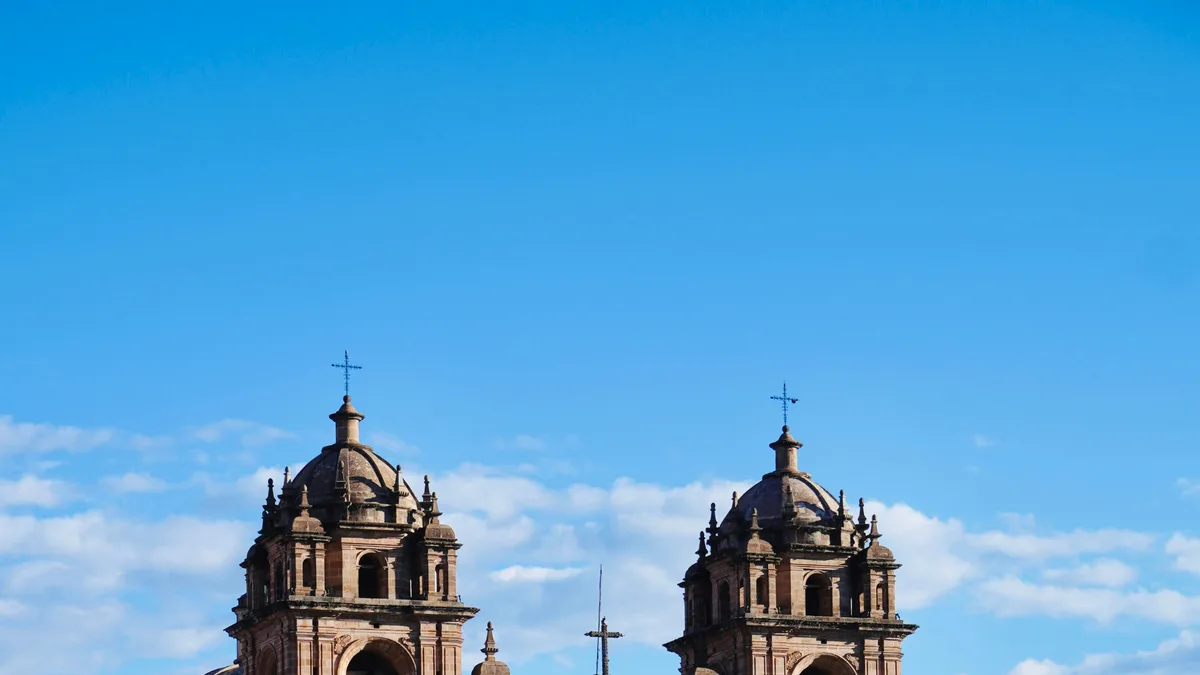
Plaza de Armas is Cusco's historic main square, built by the Incas as the ceremonial heart of their empire (originally called Huacaypata) and rebuilt around it by the Spanish after the conquest — leaving stone Inca foundations beneath colonial arcades and two grand 17th-century churches, the Cusco Cathedral and the Church of the Society of Jesus, that still frame the plaza today.
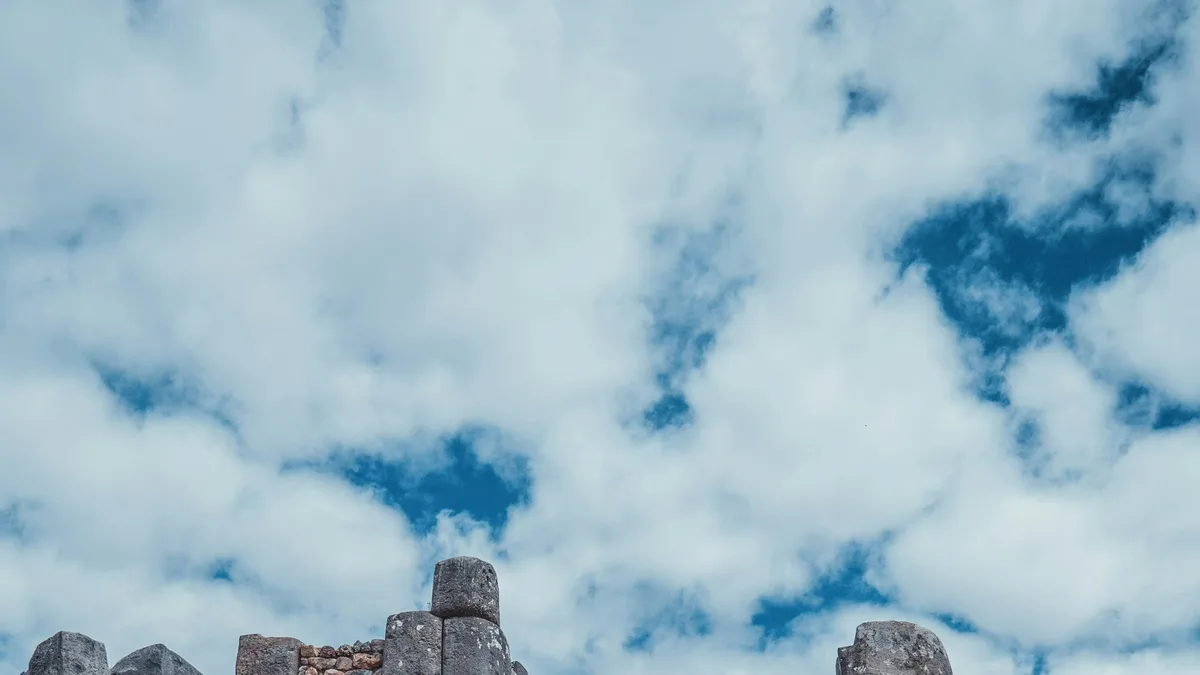 Private Tours
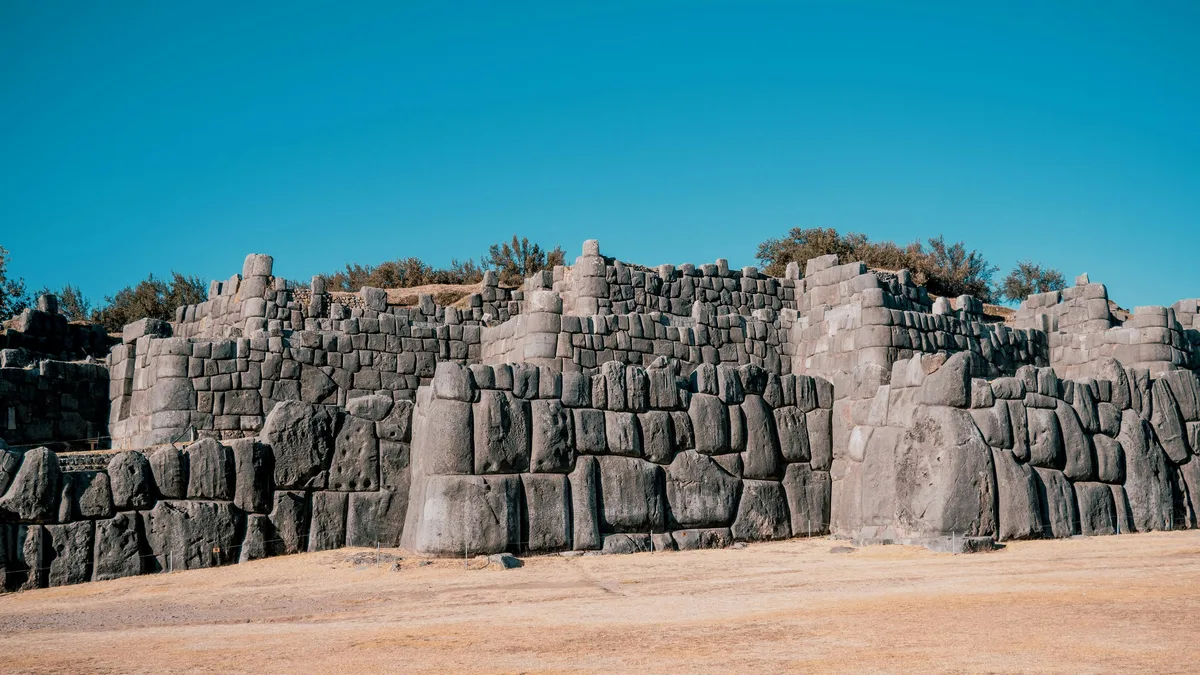
A private city tour of Cusco covering historical and cultural highlights along with the Sacsayhuamán fortress and other Inca ruins just outside the center.
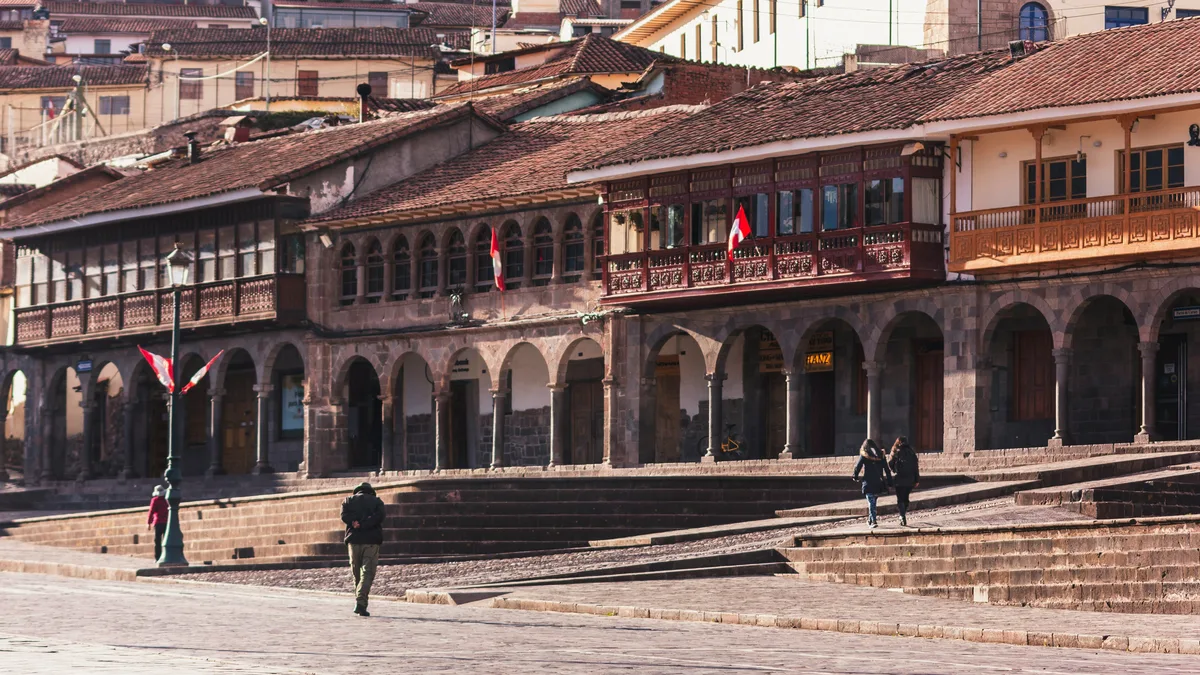 Private Tours
A private full-day walking tour through Cusco's historic center, exploring on foot with your own guide rather than rushing straight out to the Sacred Valley.
Visitor guide
The Plaza de Armas is the central square of Cusco, the former Inca capital in the Peruvian Andes. It is surrounded by colonial arcades, the Cusco Cathedral and the Church of the Society of Jesus, and it forms the heart of the city that UNESCO listed as a World Heritage Site in 1983.
Wikipedia describes the Inca city as divided into two sectors, hurin and hanan, with roads running out toward the corresponding quarters of the empire. The great square was surrounded by palaces, each built by a successive ruler. Spanish colonists later built around it. The city sits at about 3,400 metres, and many people believe it was planned in the shape of a puma, although that is a belief rather than a certainty.
The Cusco Cathedral faces the plaza. Wikipedia says the Incas had built Kiswarkancha, the palace of Viracocha, on the main square and that the Spanish demolished it to build the cathedral. Groundbreaking was in 1559, and the building was completed in 1654 according to the infobox, though the text gives a span of 1560 to 1664. The facade is Renaissance with Baroque influence and the interior mixes Baroque, late Gothic and Plateresque styles. The image of the Lord of the Earthquakes is venerated in the cathedral, and a painting records the 1650 earthquake procession.
A violent earthquake in 1650 destroyed almost all colonial-era buildings, and on 21 May 1950 another major quake damaged more than a third of the city's structures. Inca architecture withstood it, and the granite retaining walls of the Qurikancha were exposed. The Lord of the Earthquakes effigy remains the subject of an annual procession.
The first three Spaniards reached Cusco in May 1533, Francisco Pizarro arrived on 15 November 1533 and the city was re-established on 23 March 1534. In 1781 Tupac Amaru II, who had besieged the city, was captured and executed with his family in the Plaza de Armas. Festivals including Inti Raymi, held on 24 June on the Sacsayhuaman esplanade, are part of the city's calendar.
The plaza is surrounded by cafes, balconies and arcades and is the usual starting point for exploring Cusco. A private guided visit with a driver can combine it with the Qurikancha, which the article describes as the most sumptuous edifice in Cusco according to Spanish accounts, and with Sacsayhuaman above the city.
Around the square, the cathedral's Renaissance facade and the neighbouring Church of the Society of Jesus show how colonial builders reused the Inca centre as their own. The chapel where Tupac Amaru II was held stands next to the Jesuit church, according to Wikipedia, and these buildings together trace the plaza's shift from Inca ceremonial ground to colonial and republican civic centre.
See every tour and attraction we cover in Cusco.