TorontoOntario · 36 tours
 Niagara FallsOntario · 25 tours
 New York CityNew York · 30 tours
 Las VegasNevada · 8 tours
 San FranciscoCalifornia · 16 tours
 VancouverBritish Columbia · 17 tours
 DubaiUAE · 54 tours
 Abu DhabiUAE · 5 tours
 Buenos AiresArgentina · 23 tours
 AthensGreece · 31 tours
 AucklandNew Zealand · 38 tours
 CancunMexico · 54 tours
No destinations match “”. Try searching all tours instead — that search understands full questions, not just place names.
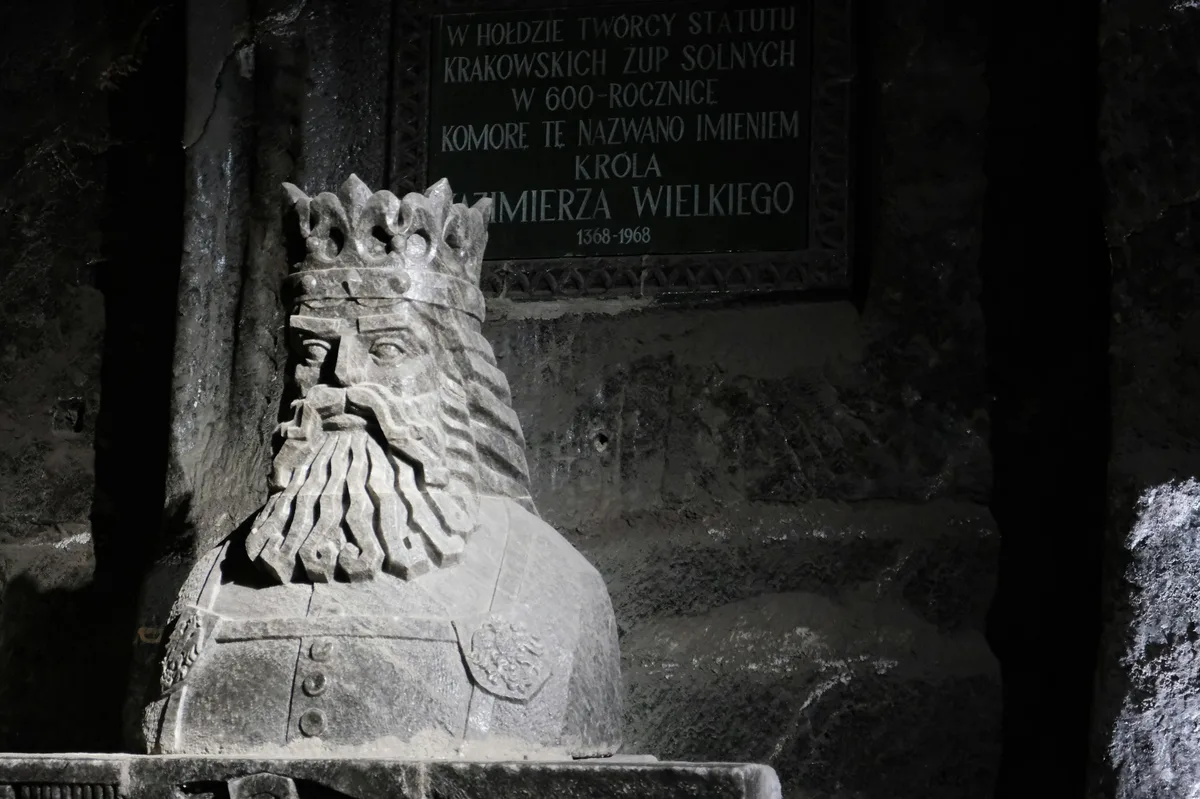
A UNESCO World Heritage-listed mine near Krakow, in continuous operation since the 13th century, with underground chapels, chambers, and sculptures carved entirely from rock salt.
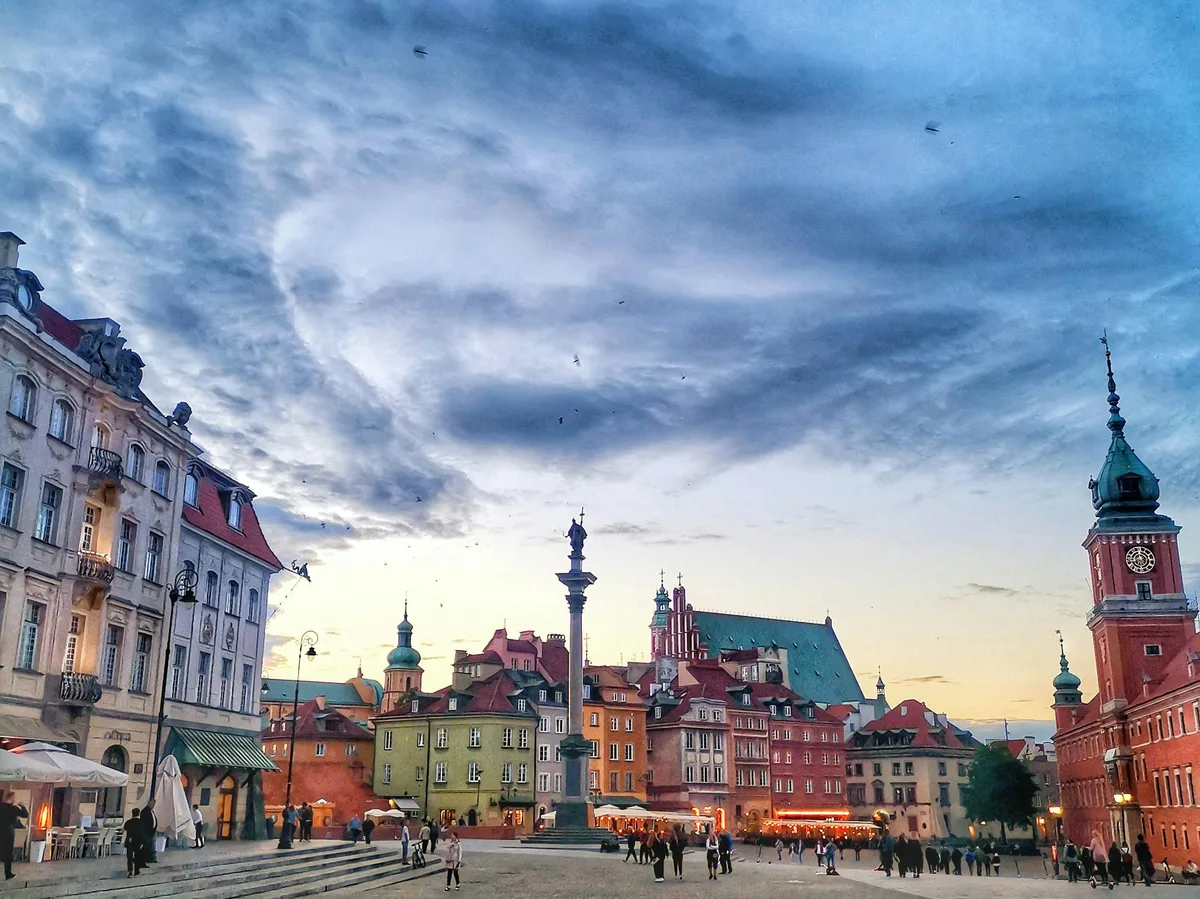 Multi-Day Tours
A 12-day route across Poland — Warsaw's Old Town and Wilanów Palace, the Baltic coast at Gdańsk and Sopot, Poznań and Wrocław, Krakow's Wawel Castle and Kazimierz, the Wieliczka Salt Mine, Auschwitz-Birkenau, and the Tatra Mountains at Zakopane.
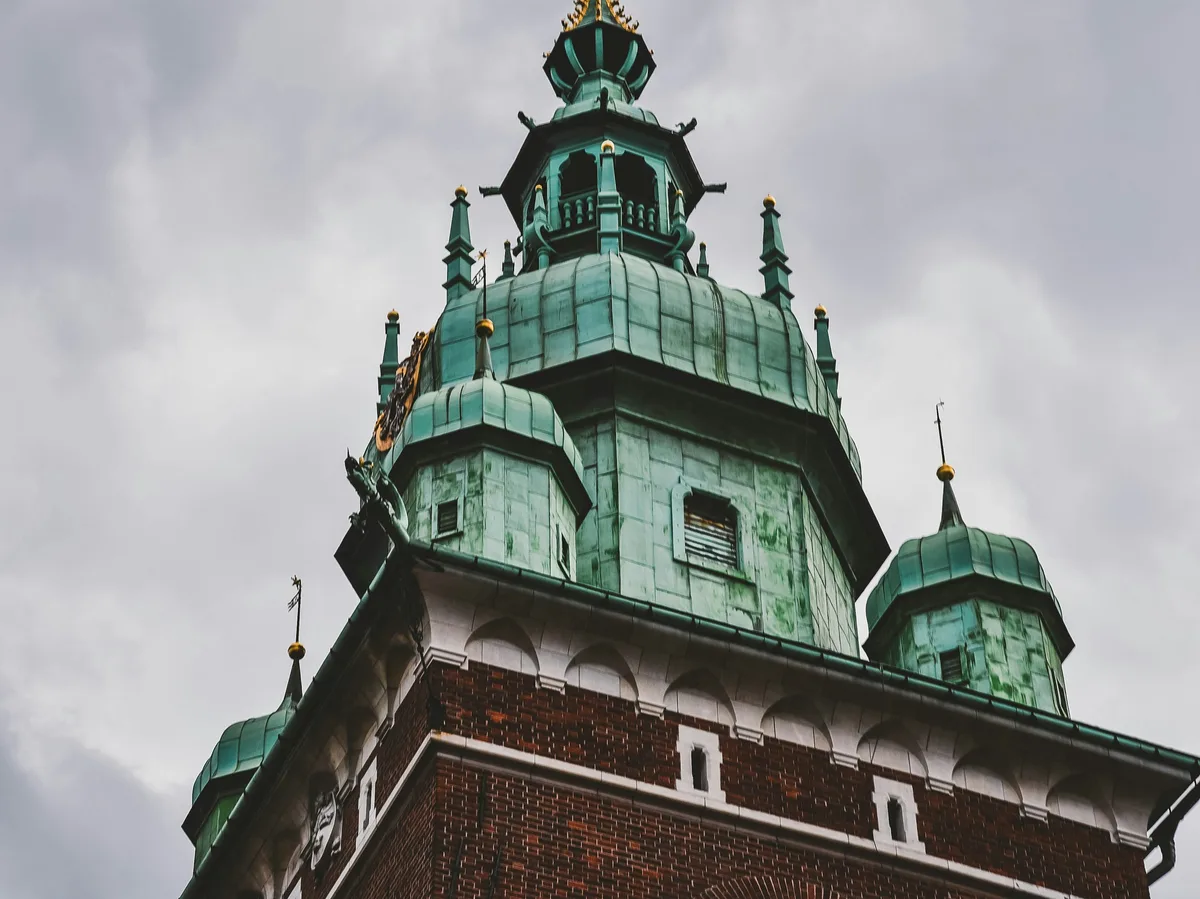 Multi-Day Tours
A 7-day route through Krakow and the Małopolska region — the Old Town and Kazimierz Jewish Quarter, Auschwitz-Birkenau, the Tatra Mountains at Zakopane, Ojców National Park, the Wieliczka Salt Mine, and the birthplace of Pope John Paul II in Wadowice.
Visitor guide
The Wieliczka Salt Mine is a historic salt mine in the town of Wieliczka, just outside Krakow in southern Poland. Excavated from the 13th century and worked until commercial mining ended in 1996, it is now a UNESCO World Heritage Site known for underground chapels, salt-carved statues and a labyrinth of passages.
Wikipedia records that salt was produced at Wieliczka from Neolithic times by evaporating brine welling up from the ground. The first documentation of the mine dates from 1044, when Casimir I granted a privilege, and from the 13th century wells and shafts were dug to extract rock salt. Under King Casimir III the Great, who granted privileges to the miners and founded a hospital near the mine in 1363, the operation became a major source of royal revenue. The Saltworks Castle was built in the late 13th to early 14th century and is now home to the Krakow Saltworks Museum. Over the centuries the miners used devices such as the Hungarian horse treadmill and the Saxon treadmill to haul salt to the surface, and by the late 1890s machine drills and blasting were in use. By 1871 the mine was considered one of the most productive in the world.
The mine reaches a depth of 327 metres and extends for more than 287 kilometres of passages and chambers, of which the visitor route covers less than two percent. The rock salt is naturally grey, resembling unpolished granite rather than the white crystals many people expect. Miners over the generations carved statues, bas-reliefs and four chapels directly from the salt, and contemporary artists have added newer sculptures. The best known is the St. Kinga Chapel, dedicated to the patron saint of salt miners.
A legend associated with the mine tells of the Hungarian princess Kinga, who was to marry Boleslaw V the Chaste. According to the story, she asked her father for a lump of salt as a dowry, threw her engagement ring into a salt mine shaft in Hungary, and later miners in Poland found a salt block containing the ring. This is legend rather than documented history. Other chambers on the visitor routes include the Maria Teresa and Saurau chambers, a collection of horse mills and underground brine lakes.
The mine was placed on the original UNESCO World Heritage List in 1978. It was on the List of World Heritage in Danger from 1989 to 1998 because humidity from artificial ventilation threatened the salt sculptures. In 2013 the listing was extended to include the nearby Bochnia Salt Mine, which Wikipedia calls Poland's oldest salt mine, and the Saltworks Castle at Wieliczka, and the property now appears as the Wieliczka and Bochnia Royal Salt Mines. The mine is also an official Polish Historic Monument. During the Second World War the German occupiers used the mine as an underground facility for war-related production, and Jewish forced laborers were brought there in 1944.
Wikipedia describes a Tourist Route on the first three levels, a Museum Route on the third level and a more adventurous Miners' Route through mostly unimproved galleries where visitors wear miners' gear. A wooden staircase leads down to the 64-metre level, and an elevator returns visitors to the surface. The mine is a short drive from central Krakow, so a private tour with a driver and guide fits easily into a Krakow itinerary.
See every tour and attraction we cover in Poland.