TorontoOntario · 36 tours
 Niagara FallsOntario · 25 tours
 New York CityNew York · 30 tours
 Las VegasNevada · 8 tours
 San FranciscoCalifornia · 16 tours
 VancouverBritish Columbia · 17 tours
 DubaiUAE · 54 tours
 Abu DhabiUAE · 5 tours
 Buenos AiresArgentina · 23 tours
 AthensGreece · 31 tours
 AucklandNew Zealand · 38 tours
 CancunMexico · 54 tours
No destinations match “”. Try searching all tours instead — that search understands full questions, not just place names.
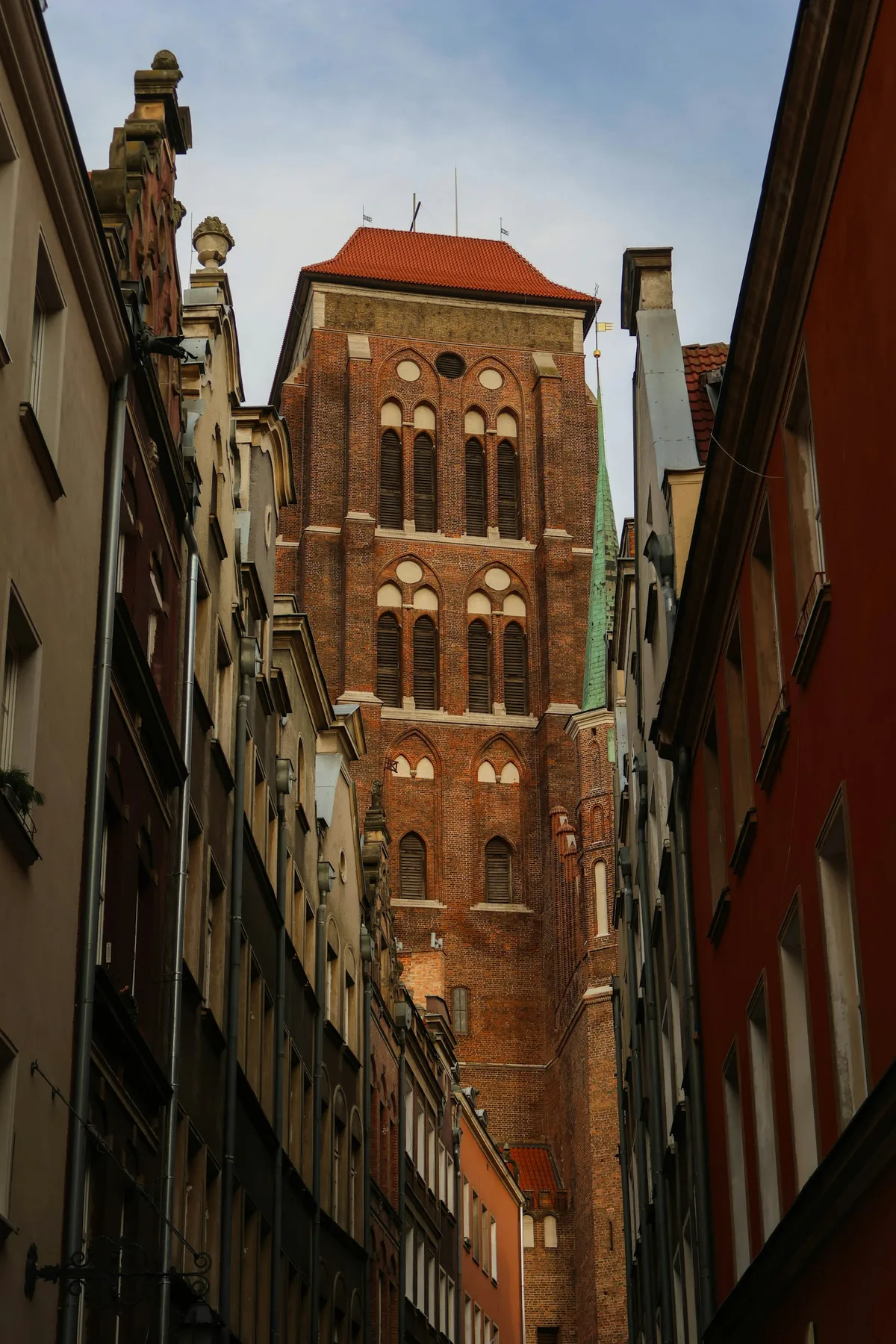
The rebuilt historic core of Poland's Baltic port city, its Gothic red-brick churches and merchant townhouses lining Długi Targ, once the wealthiest trading city on the Baltic under the Hanseatic League.
 Multi-Day Tours
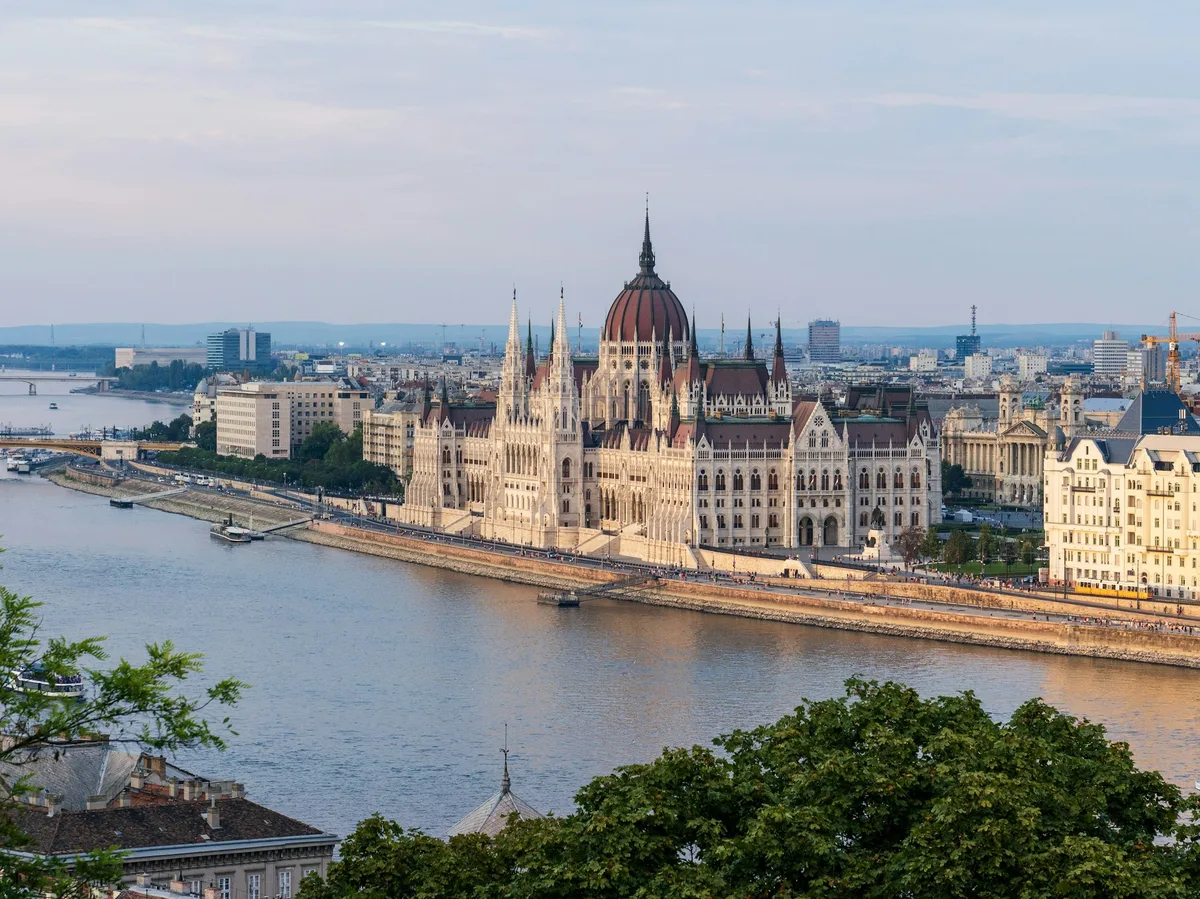
A 12-day route across northern and southern Poland — Gdańsk, Sopot, Malbork Castle, Warsaw, Kraków, Auschwitz-Birkenau, Częstochowa, Zakopane, and a Bolesławiec pottery workshop — before crossing into Hungary for three nights in Budapest.
 Multi-Day Tours
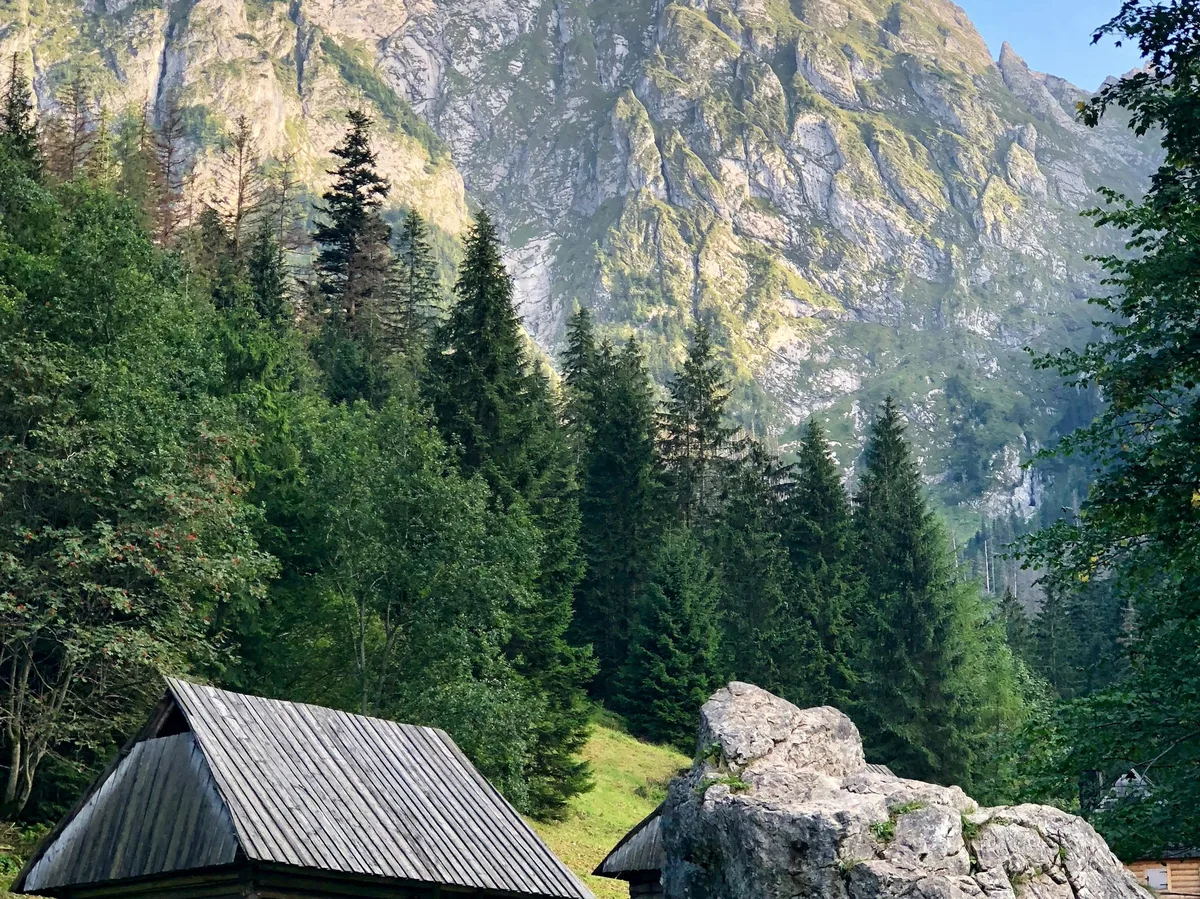
A 15-day route from Gdańsk and Warsaw through Kraków, Auschwitz-Birkenau, and Zakopane, across the border into Slovakia for Orava Castle, Vlkolínec, and Bratislava, then on to Budapest, Hungary.
Visitor guide
Gdansk Main Town, known in Polish as Glowne Miasto, is the central historic district of the Baltic port city of Gdansk in northern Poland. Rebuilt after the Second World War, it holds many of the city's best-known monuments, including St. Mary's Church, the Golden Gate, Artus Court and the Main City Hall, arranged along the Royal Road, Long Lane and the Long Market.
According to Wikipedia, the Main City was founded in 1343 by the Teutonic Knights, who had conquered the area in 1308. It was officially a separate settlement from the nearby Old Town, chartered under Kulm law and governed separately until 1457. In that year King Casimir IV of Poland granted the Great Privilege, which united the Main City with the Old Town and the suburb of Osiek. From then on the Main City shared its history with the rest of Gdansk. The district sits on the western bank of the Motlawa River, which gave the port its trading access to the Baltic.
St. Mary's Church is the district's great Brick Gothic landmark. Wikipedia says the foundation stone was laid in March 1343 (the basilica's own site gives 28 March), construction of the present church began in 1379 under the Danzig architect Heinrich Ungeradin, and the building was completed in 1502. It is known to residents as the Crown of Gdansk, and with a seating capacity given as over 25,000 and a length of about 105 metres it is described as one of the three largest brick churches ever built, alongside San Petronio in Bologna and the Frauenkirche in Munich. Between 1536 and 1572 the church was used for Catholic and Lutheran services at the same time, reflecting the city's religious history.
Artus Court on the Long Market was a meeting place for merchants and a center of social life. The name comes from the medieval legend of King Arthur, whose chivalric image gave its name to meeting houses for knights and townspeople in Hanseatic towns around the Baltic. Wikipedia describes confraternities of merchants and shipowners organized by their trade connections, such as Lubeck, the Netherlands or Poland, who gathered there in the evenings. Today it is a branch of the Gdansk History Museum.
The Main City was often targeted by Allied bombing during the Second World War and suffered further damage during the Siege of Danzig in spring 1945. Roughly 90 percent of its buildings were destroyed, according to Wikipedia. In 1949, despite serious opposition to the idea, Polish authorities decided to rebuild it with most of its historical landmarks. Rather than copy the prewar appearance, planners restored many buildings to historical and quasi-historical forms alluding to their Renaissance look, emphasizing Gdansk's multicultural tradition with Flemish, Italian and French influences. The dense medieval courtyards were replaced by larger open spaces, and mostly the facades along the main streets were reconstructed.
The Royal Road, Long Lane and Long Market form a classic walking route through the district, passing townhouse facades, the Golden Gate and the city hall. A private tour with a driver and local guide suits the area, combining a relaxed walk through the old streets with easy transfers to other Gdansk sights.
See every tour and attraction we cover in Poland.