TorontoOntario · 36 tours
 Niagara FallsOntario · 25 tours
 New York CityNew York · 30 tours
 Las VegasNevada · 8 tours
 San FranciscoCalifornia · 16 tours
 VancouverBritish Columbia · 17 tours
 DubaiUAE · 54 tours
 Abu DhabiUAE · 5 tours
 Buenos AiresArgentina · 23 tours
 AthensGreece · 31 tours
 AucklandNew Zealand · 38 tours
 CancunMexico · 54 tours
No destinations match “”. Try searching all tours instead — that search understands full questions, not just place names.
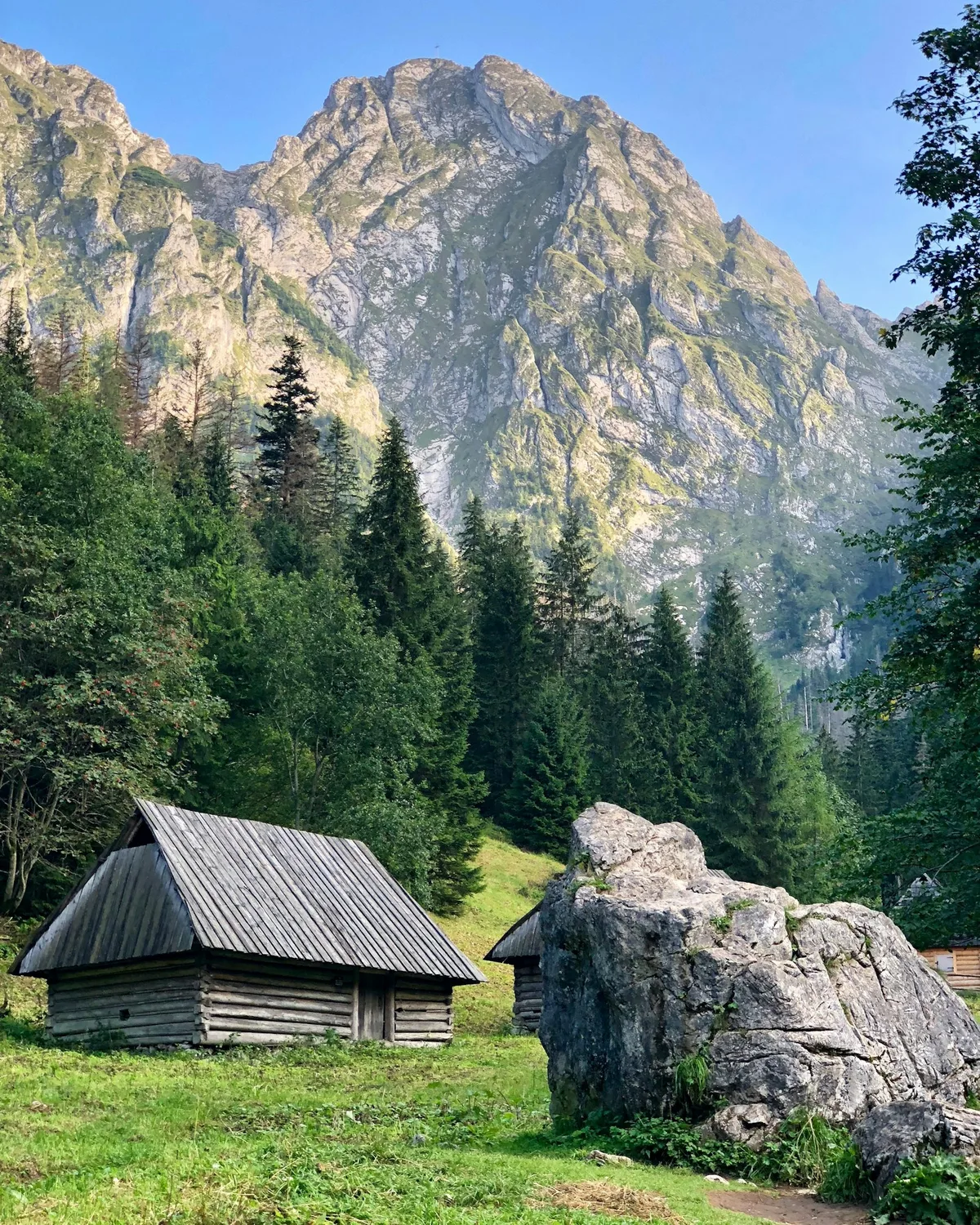
Poland's mountain resort town at the foot of the Tatras, its wooden highlander architecture and folk culture the gateway to hiking trails into the country's highest peaks.
 Multi-Day Tours
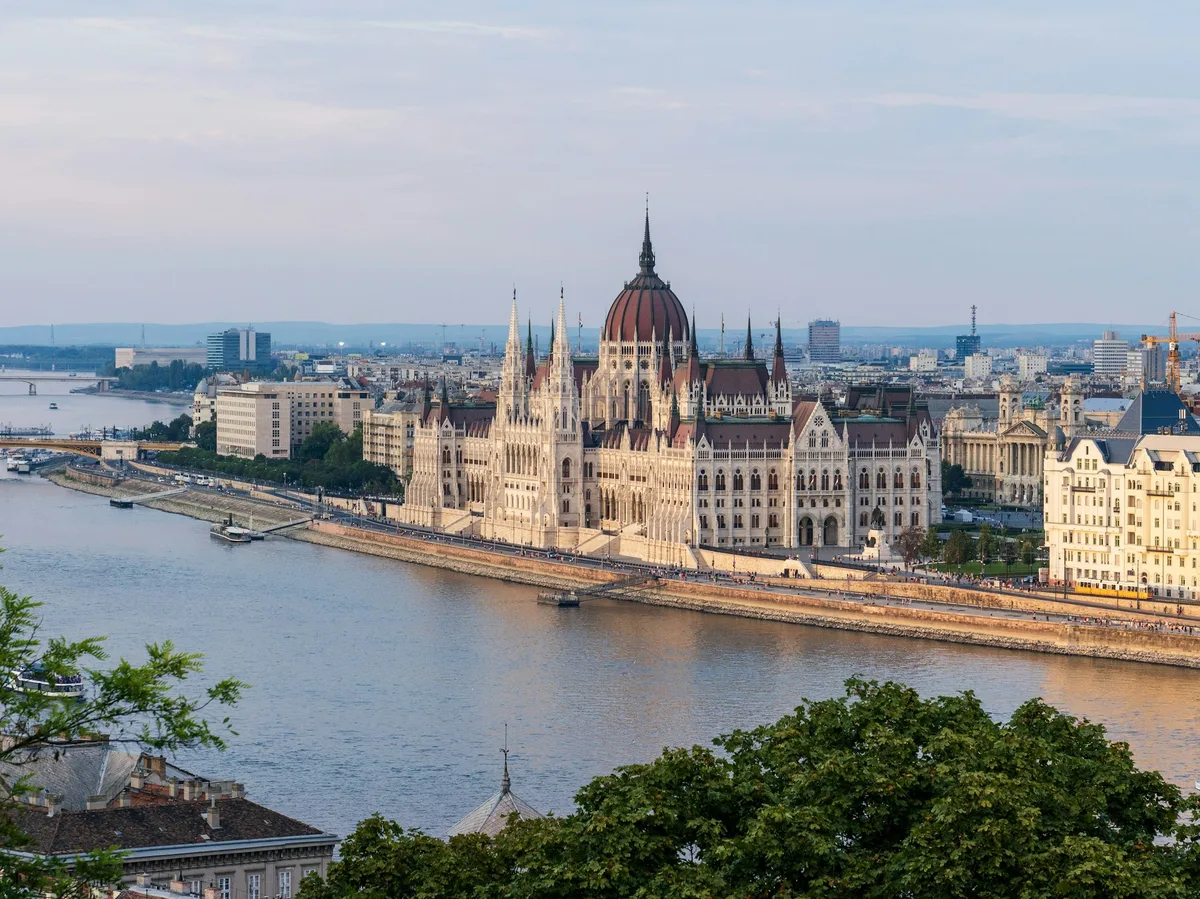
A 12-day route across northern and southern Poland — Gdańsk, Sopot, Malbork Castle, Warsaw, Kraków, Auschwitz-Birkenau, Częstochowa, Zakopane, and a Bolesławiec pottery workshop — before crossing into Hungary for three nights in Budapest.
 Multi-Day Tours
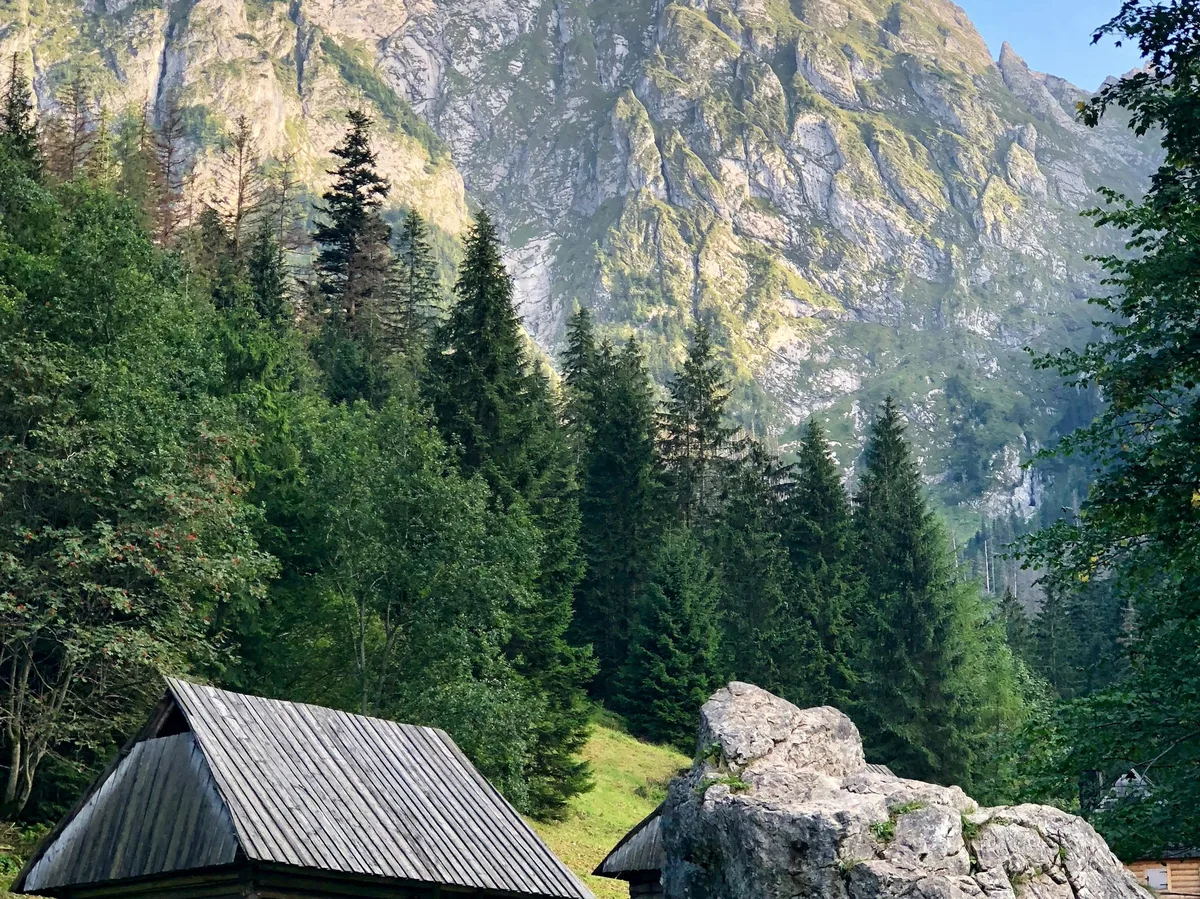
A 15-day route from Gdańsk and Warsaw through Kraków, Auschwitz-Birkenau, and Zakopane, across the border into Slovakia for Orava Castle, Vlkolínec, and Bratislava, then on to Budapest, Hungary.
Visitor guide
Zakopane is a mountain town in southern Poland, in the Podhale region at the foot of the Tatra Mountains, and is often called the winter capital of Poland. It is a center of Goral highlander culture, known for its distinctive timber architecture, and it serves as the main gateway to hiking, skiing and sightseeing in the Polish Tatras.
According to Wikipedia, the earliest documents mentioning Zakopane date to the 17th century and describe a glade called Zakopisko; in 1676 it was a village of 43 inhabitants. During the 19th century the town grew as a center of mining and metallurgy, and by 1889 it had developed into a climatic health resort. Rail service began on 1 October 1899. The ski jump on Wielka Krokiew opened in 1925, the cable car to Kasprowy Wierch was completed in 1936 and the funicular up Gubalowka Hill followed in 1938. Zakopane sits between about 800 and 1,100 metres above sea level, in a valley between the Tatras and Gubalowka, and centers on the crossing of Krupowki and Kosciuszko streets.
The Zakopane Style is an architectural mode inspired by the regional art of the Podhale highlands and drawing on Carpathian building traditions. Wikipedia credits the architect and critic Stanislaw Witkiewicz with pioneering it, and lists Villa Koliba (1892-93), Villa Oksza, Villa Pod Jedlami, the chapel in Jaszczurowka and the Tatra Museum among its best-known examples. Many of these buildings use carved timber, steep roofs and decorative motifs from the local Goral tradition. Since the late 19th century Zakopane has also drawn artists and writers, especially during the Young Poland period, and today it has museums including the Tatra Museum, the Museum of Zakopane Style at Villa Koliba and the Karol Szymanowski Museum in Villa Atma. The Old Cemetery at Peksowy Brzyzek is the resting place of many artists, architects and mountaineers.
The Tatras are part of the Western Carpathians and form a natural border between Poland and Slovakia. Wikipedia describes them as the highest mountains in the Carpathians, covering about 785 square kilometres, of which roughly 22 percent lie in Poland. The highest peak, Gerlachovsky stit at 2,655 metres, is entirely in Slovakia, while Rysy, at about 2,500 metres on the border southeast of Zakopane, is the highest point in Poland. Giewont is described as Poland's national mountain in myth and folklore. The High Tatras have 24 or 25 peaks above 2,500 metres and are said to be the only truly alpine landscape in the whole Carpathian arc.
The range is protected by the Tatra National Park in Poland and the Tatra National Park in Slovakia, jointly designated by UNESCO in 1992 as a transboundary biosphere reserve. Wildlife listed by Wikipedia includes the Tatra chamois, alpine marmot, brown bear, wolf, lynx and golden eagle, and the vegetation changes through five climatic belts from beech forest to bare rock.
Zakopane has a humid continental climate and is about 3 degrees Celsius colder than Krakow on average, with abundant snow in winter and cool to warm summers. Weather can change quickly, and Wikipedia notes that afternoon thunderstorms are common in summer. Winter brings skiing, especially around Kasprowy Wierch and Gubalowka, while summer brings hiking on a network of marked trails that visitors must stay on. A private guided trip from Krakow with a driver lets you choose a pace and an itinerary that suits the season and your group.
See every tour and attraction we cover in Poland.