TorontoOntario · 36 tours
 Niagara FallsOntario · 25 tours
 New York CityNew York · 30 tours
 Las VegasNevada · 8 tours
 San FranciscoCalifornia · 16 tours
 VancouverBritish Columbia · 17 tours
 DubaiUAE · 54 tours
 Abu DhabiUAE · 5 tours
 Buenos AiresArgentina · 23 tours
 AthensGreece · 31 tours
 AucklandNew Zealand · 38 tours
 CancunMexico · 54 tours
No destinations match “”. Try searching all tours instead — that search understands full questions, not just place names.
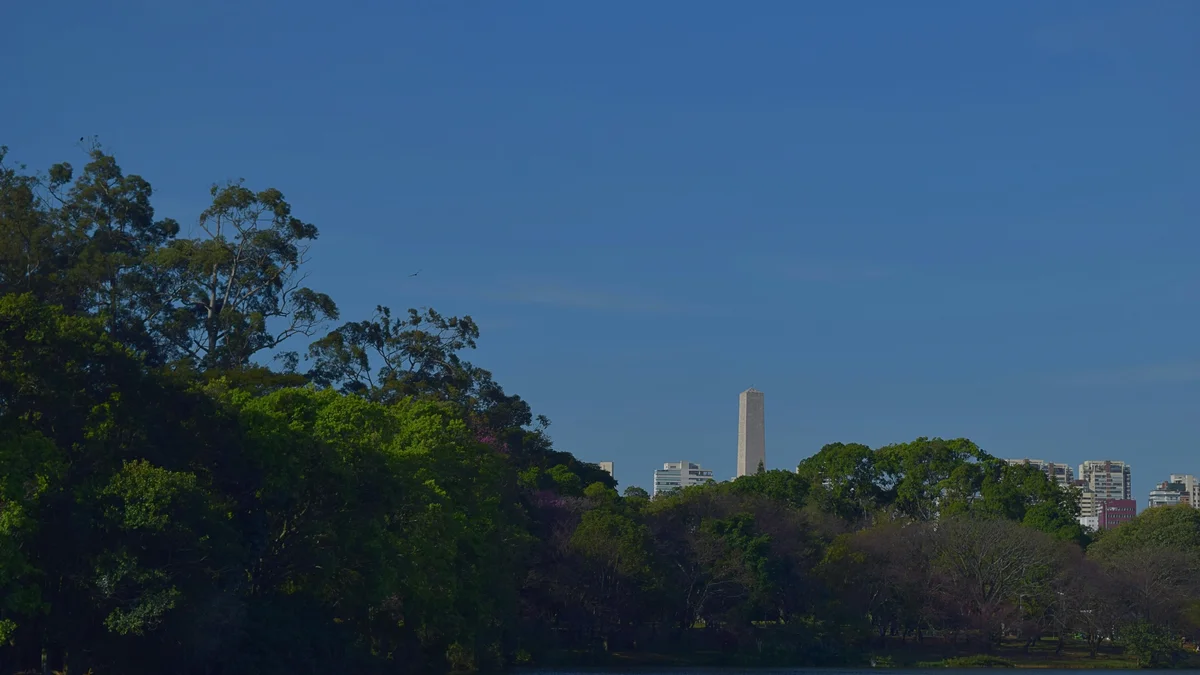
With buildings by Oscar Niemeyer and a landscape plan that sources attribute to Roberto Burle Marx or to agronomist Otavio Augusto Teixeira Mendes, Ibirapuera Park is one of São Paulo's best-known urban parks, opened in 1954. Its modernist buildings house major museums and cultural institutions, while its lakes and trails make it the city's most popular green space for locals.
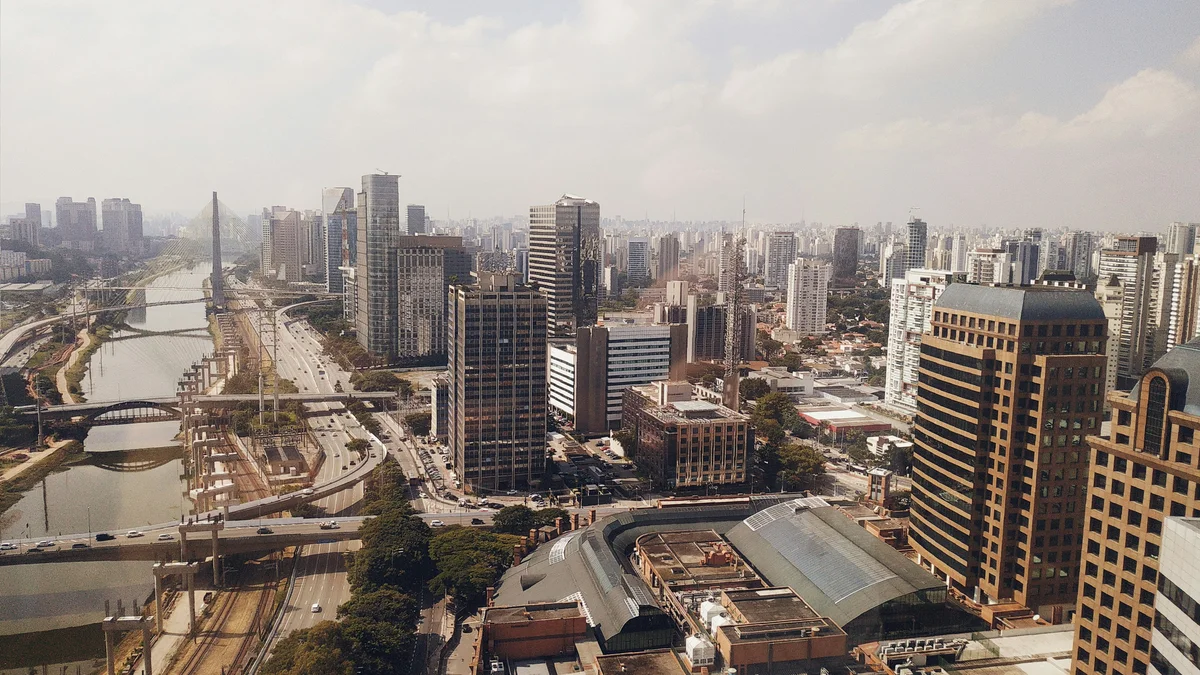 Private Tours
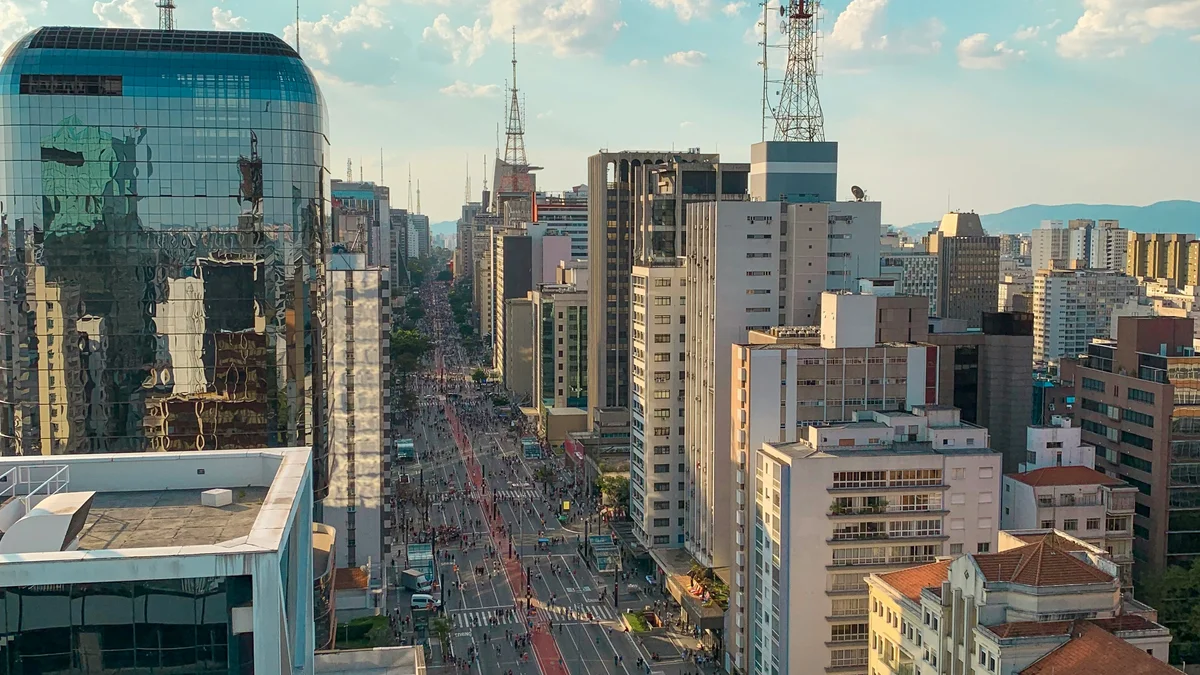
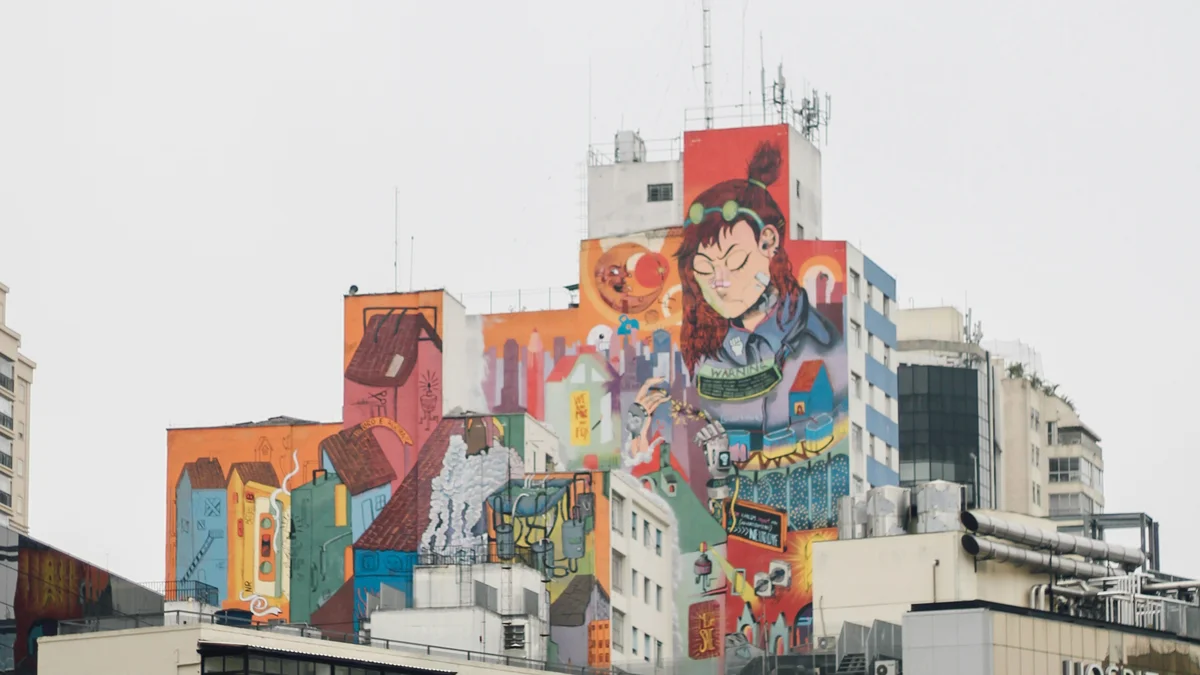
A comprehensive full-day private tour giving you unhurried time at São Paulo's downtown landmarks, Avenida Paulista, Ibirapuera Park, and the street art of Vila Madalena, with optional Guarulhos Airport pickup.
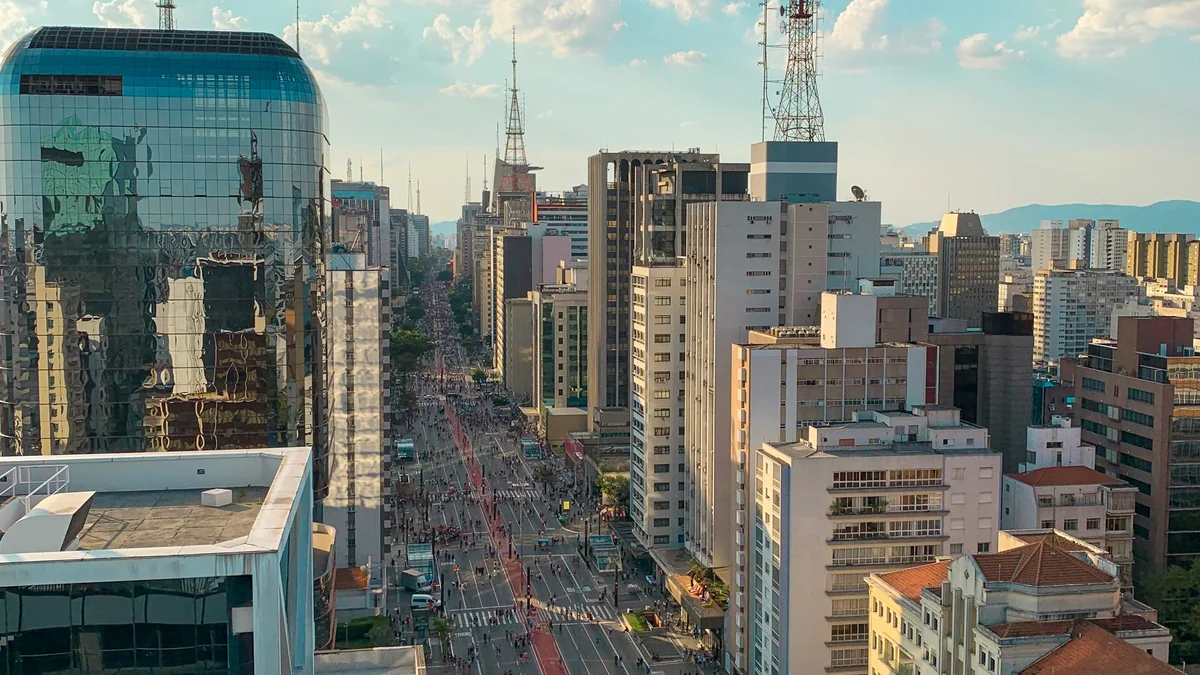 Private Tours
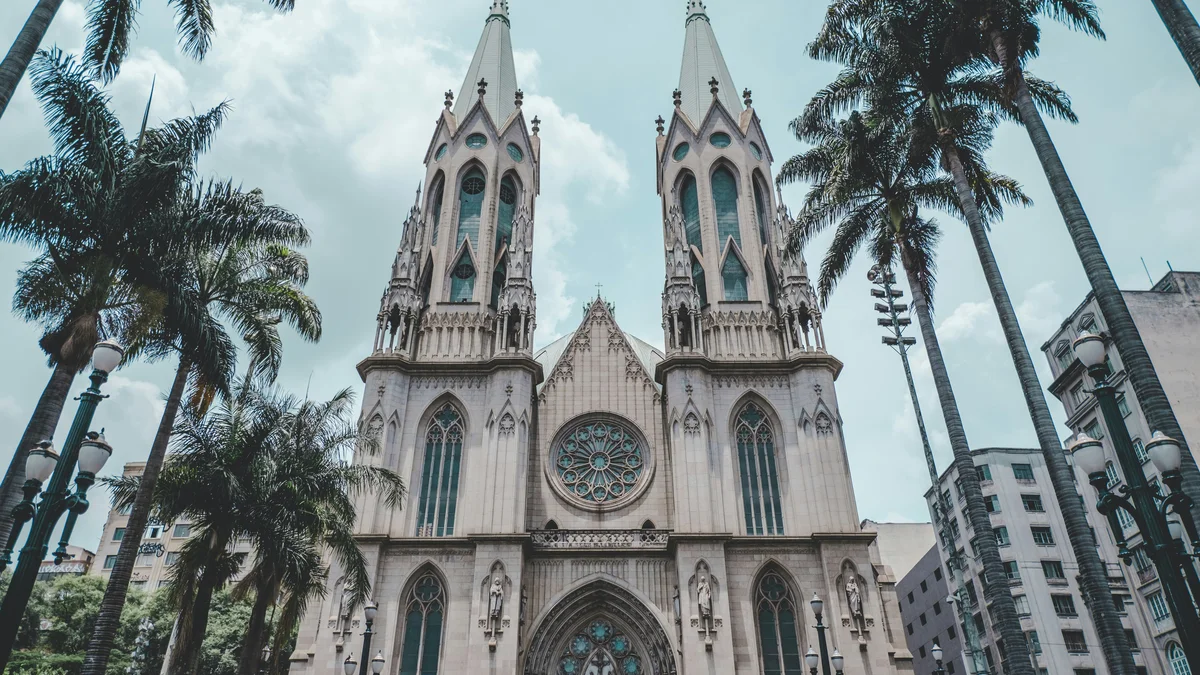
A private tour focused on three of São Paulo's defining faces — Niemeyer's Ibirapuera Park, the skyscrapers of Avenida Paulista, and the colonial streets of the historic downtown.
Visitor guide
Ibirapuera Park is a large urban park in Sao Paulo, Brazil, covering about 158 hectares when it opened. Inaugurated in 1954, it is known for its modernist buildings by Oscar Niemeyer and for being one of the city's main places for culture and recreation.
Portuguese Wikipedia says the area was once the site of an Indigenous village and later of farms and pastures, and that the name comes from the Tupi ybyrapuera, roughly meaning old trees. The ground was waterlogged, which stalled an early 1920s proposal by mayor Jose Pires do Rio for a European-style park. From 1927 Manuel Lopes de Oliveira, known as Manequinho Lopes, planted Australian eucalyptus to help drain the soil.
In 1951 Governor Lucas Nogueira Garcez created a commission to make the park the centrepiece of the celebrations for the city's 400th anniversary. Oscar Niemeyer led the architecture and Joaquim Cardozo handled the structural engineering. Roberto Burle Marx was initially assigned the landscape design, but the article says his project was replaced by one from the agronomist Otavio Augusto Teixeira Mendes, while English Wikipedia notes that a 1953 site plan by Burle Marx and Niemeyer is held by the Museum of Modern Art in New York. The park was not ready for the January 1954 anniversary and was inaugurated on 21 August 1954, with 640 stands from 13 states and 19 countries. The complex of buildings was registered as a national landmark in 2016.
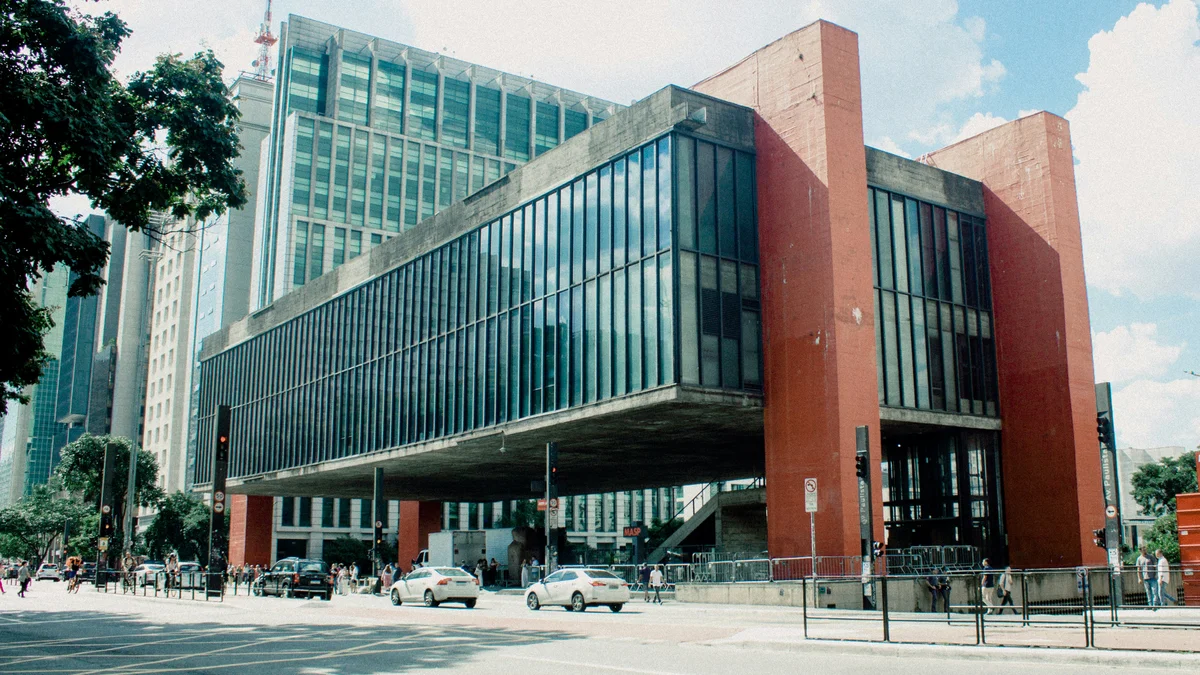
The Marquise, a large covered structure, houses the Museum of Modern Art of Sao Paulo. The Ciccillo Matarazzo Pavilion has been the home of the Sao Paulo Biennial, which was founded in 1951 by Ciccillo Matarazzo and inspired by the Venice Biennale. The Oca, a domed pavilion, formerly housed the Aeronautics and Folklore museums. The Manuel da Nobrega Pavilion served as the city hall until 1992 and now houses the Museu Afro Brasil. The Ibirapuera Auditorium, completed in 2005, was part of Niemeyer's original plans and was the last construction finished in the park. The park also has a planetarium, a sports gymnasium and a velodrome.
The Japanese Pavilion was built in Japan for the 1954 anniversary, inspired by Katsura Palace in Kyoto, and shipped to Brazil. Its lakeside garden is still maintained by the Japanese community, according to Portuguese Wikipedia.
The park contains the Monument to the Bandeiras by the sculptor Victor Brecheret, an obelisk and mausoleum honouring those who died in the 1932 Constitutionalist Revolution, and a bronze monument to Pedro Alvares Cabral unveiled in 1988. A set of lakes, a reflecting pool and a multimedia fountain are part of the grounds, together with gardens, bridges and a plant nursery named after Manequinho Lopes.
The park is bounded by Avenida Republica do Libano, Avenida Pedro Alvares Cabral and Avenida IV Centenario, and after the widening of the latter roughly 130 hectares remain within it, according to Portuguese Wikipedia. English Wikipedia reports more than 18 million visitors a year, while the Portuguese article cites about 14 million visits in 2017 and calls it the most visited park in Latin America. These figures differ, and visitor numbers vary by year. The park hosts festivals, concerts and events such as Sao Paulo Fashion Week, and The Guardian listed it among the world's best parks in 2015, according to Portuguese Wikipedia.
The park suits a leisurely stroll between its buildings and open spaces. A private guide can explain the modernist architecture, and a driver can combine it with other districts such as Avenida Paulista.
See every tour and attraction we cover in Sao Paulo.