TorontoOntario · 36 tours
 Niagara FallsOntario · 25 tours
 New York CityNew York · 30 tours
 Las VegasNevada · 8 tours
 San FranciscoCalifornia · 16 tours
 VancouverBritish Columbia · 17 tours
 DubaiUAE · 54 tours
 Abu DhabiUAE · 5 tours
 Buenos AiresArgentina · 23 tours
 AthensGreece · 31 tours
 AucklandNew Zealand · 38 tours
 CancunMexico · 54 tours
No destinations match “”. Try searching all tours instead — that search understands full questions, not just place names.
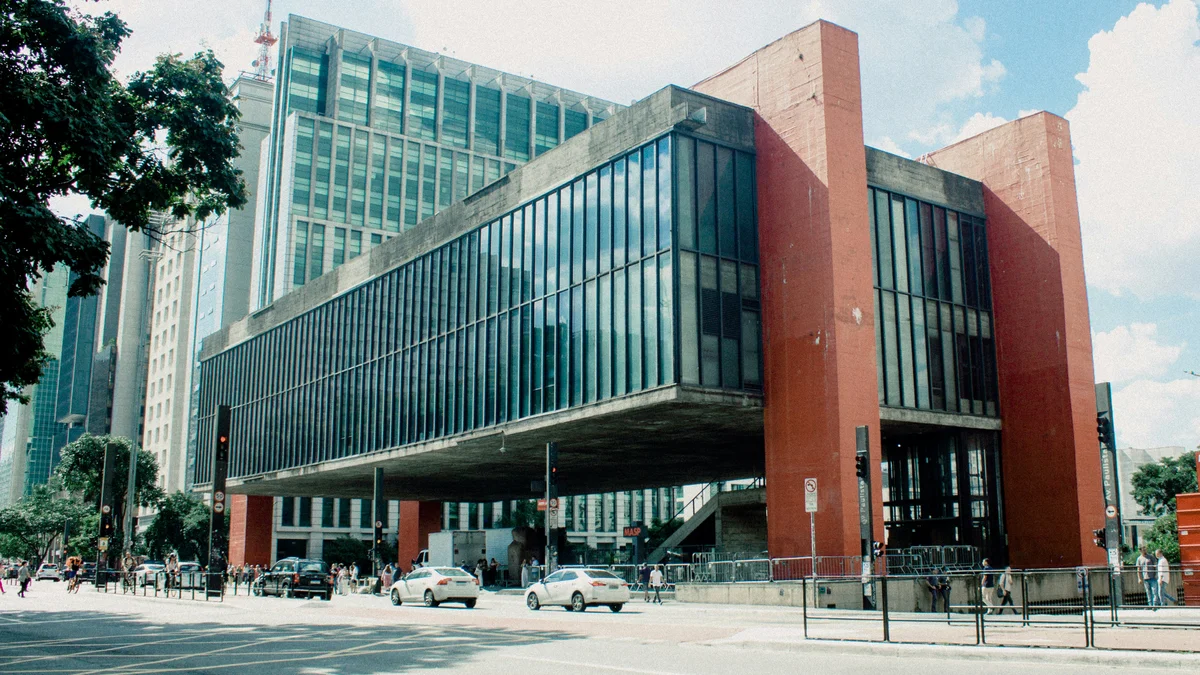
Designed by Lina Bo Bardi and completed in 1968, MASP's glass-and-red-concrete building appears to float above Avenida Paulista on four giant pillars. Inside, its trademark glass-easel displays hold Latin America's most significant collection of Western art, including works by Van Gogh, Renoir, Rembrandt, and Brazilian modernist Candido Portinari.
 Private Tours
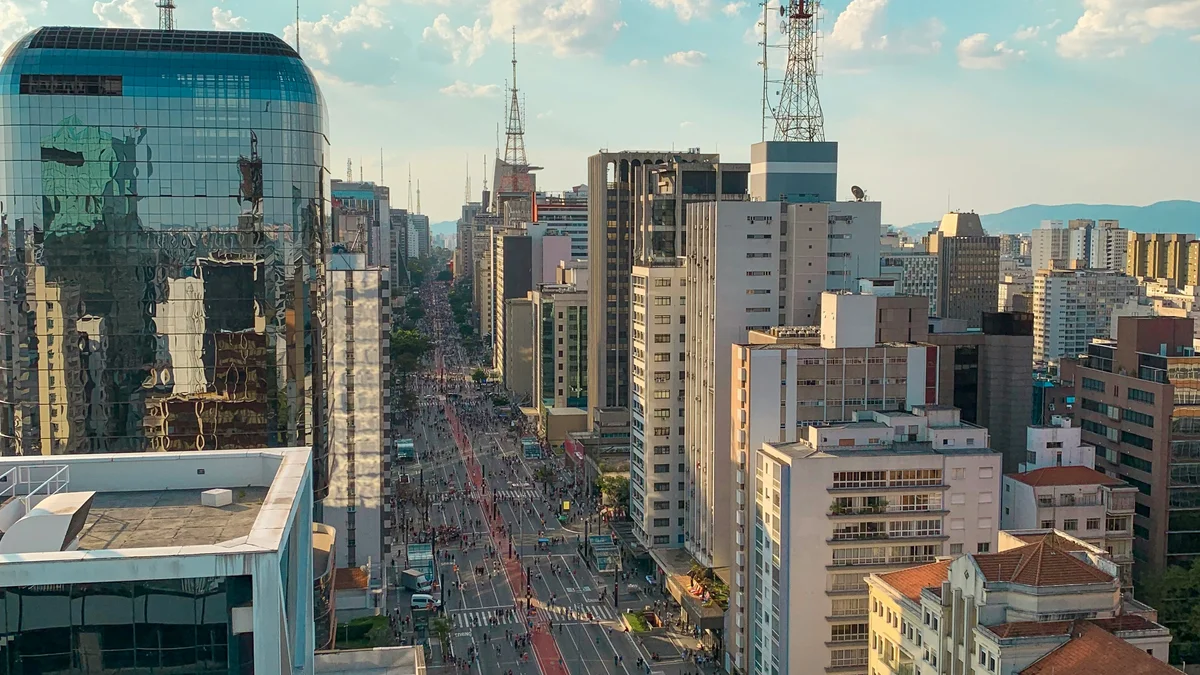
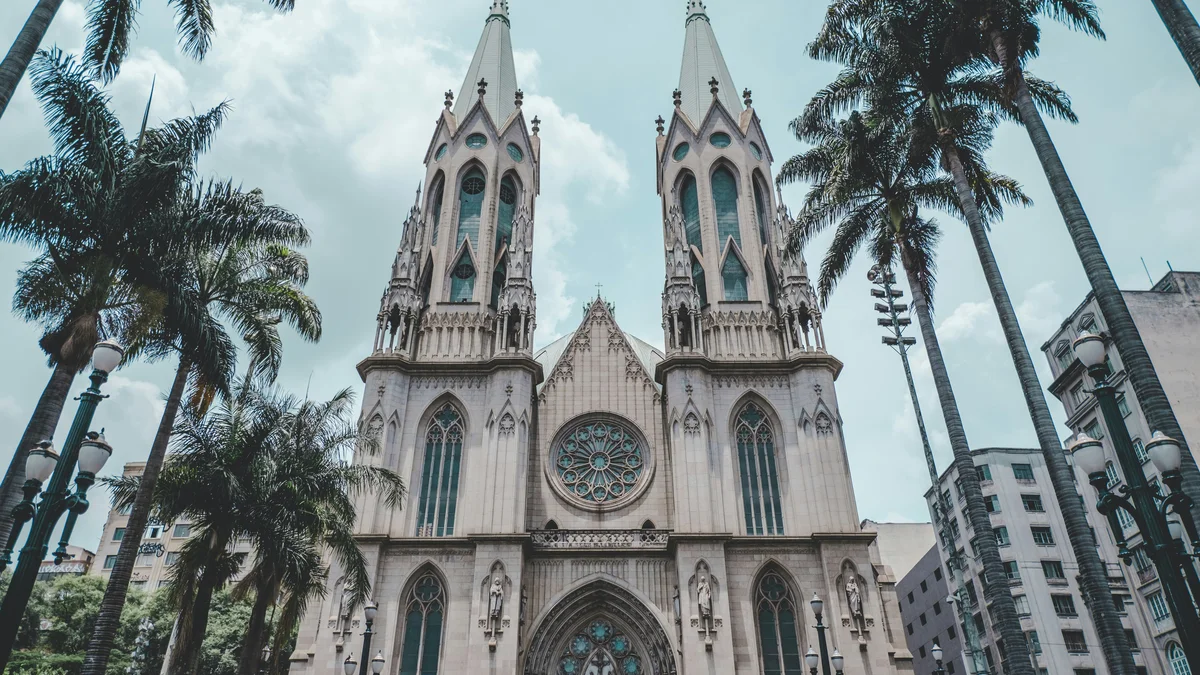
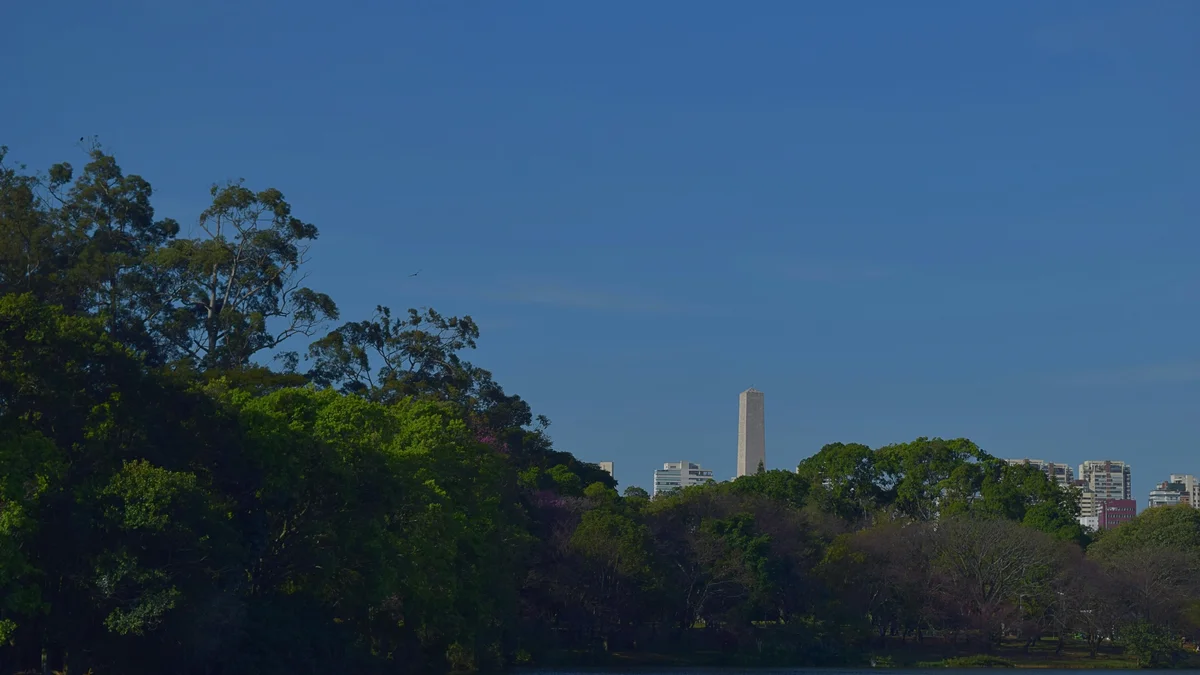
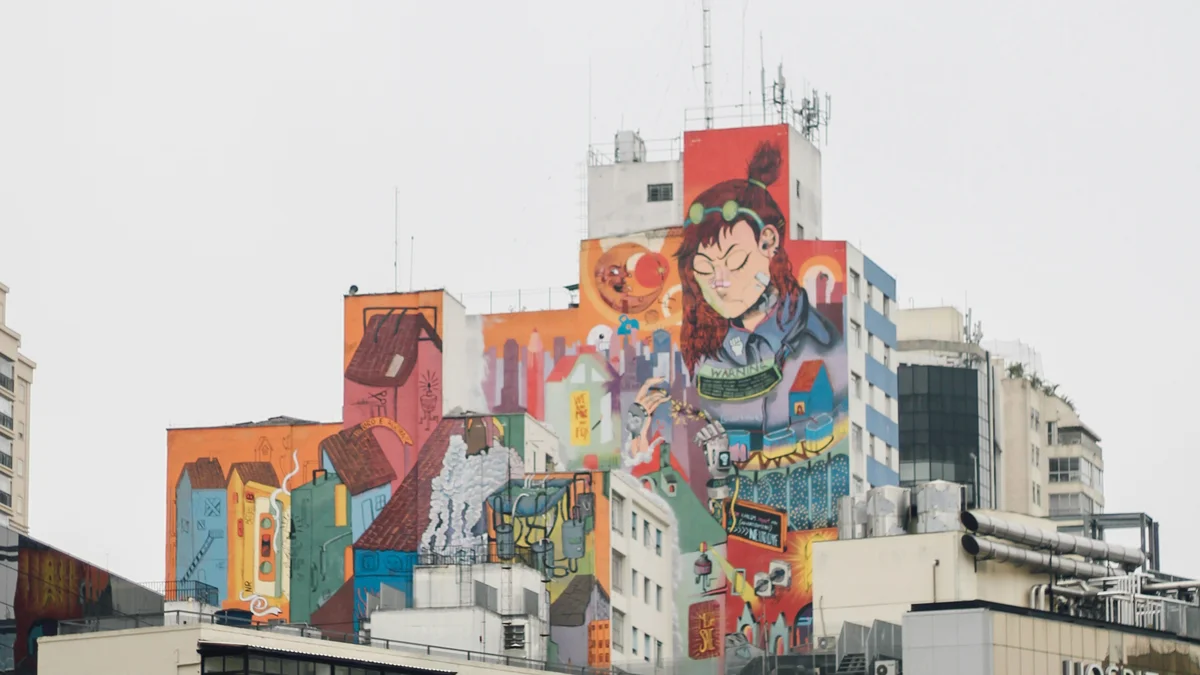
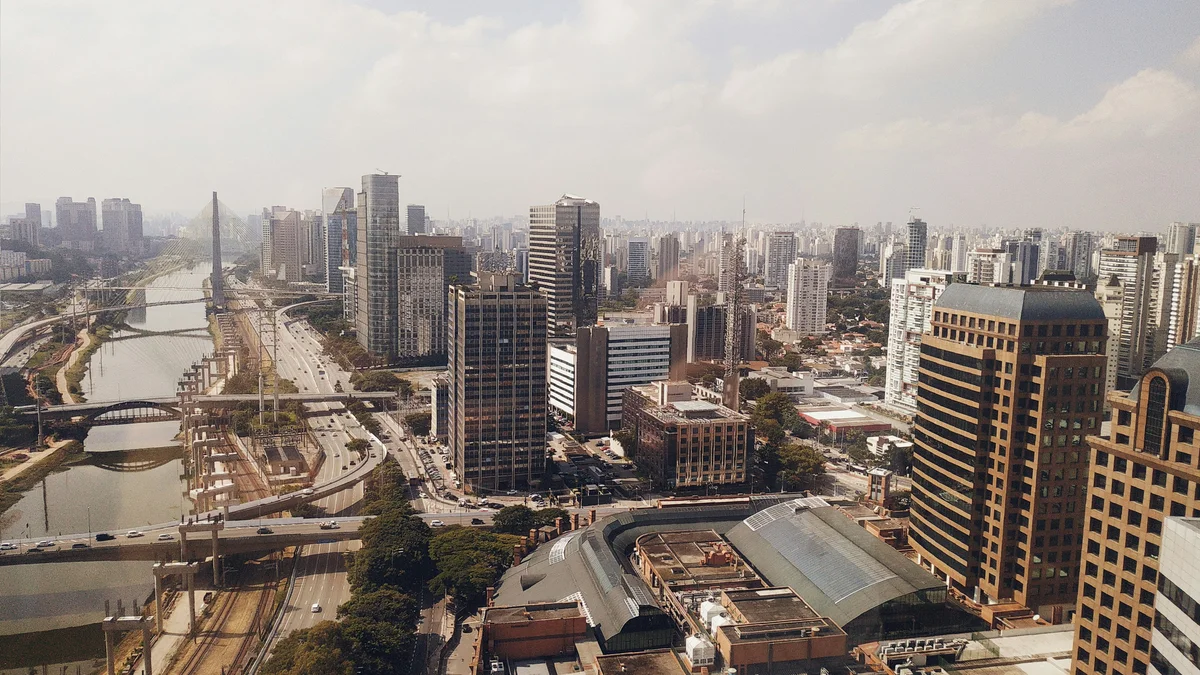
A comprehensive full-day private tour giving you unhurried time at São Paulo's downtown landmarks, Avenida Paulista, Ibirapuera Park, and the street art of Vila Madalena, with optional Guarulhos Airport pickup.
 Private Tours
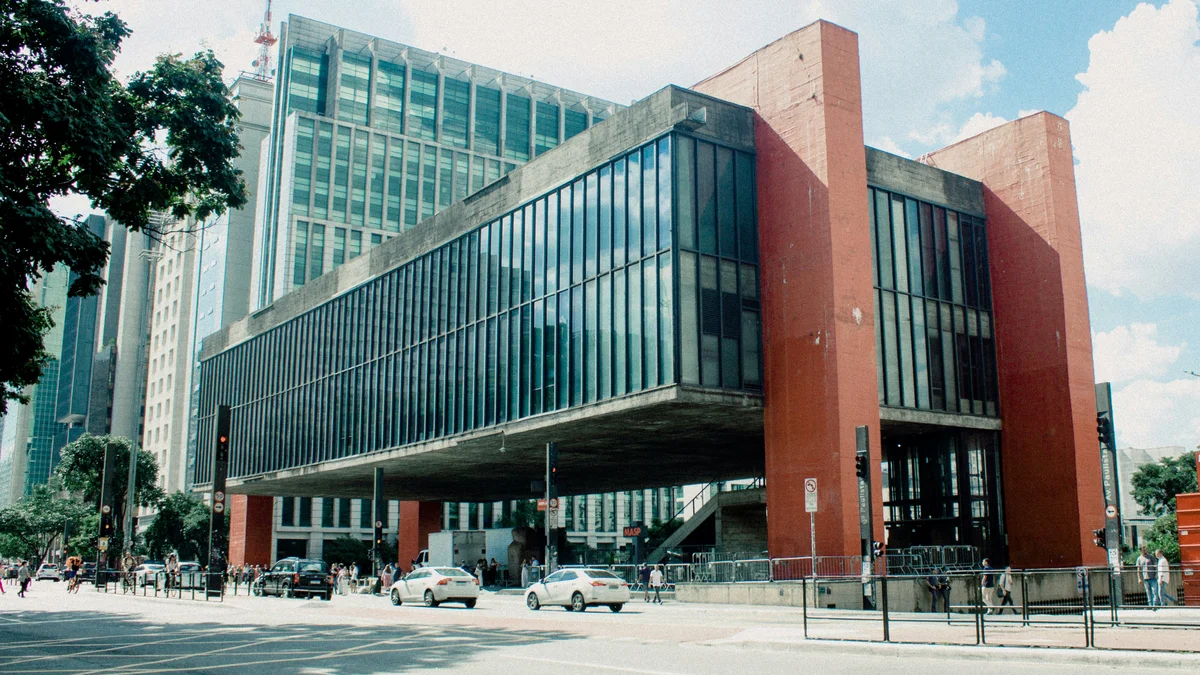
A private, skip-the-line visit to the São Paulo Museum of Art (MASP), Lina Bo Bardi's landmark glass-and-concrete building on Avenida Paulista, home to masterpieces by Van Gogh, Portinari, and more.
Visitor guide
The Sao Paulo Museum of Art, known as MASP, is a non-profit art museum on Avenida Paulista in Sao Paulo, Brazil. It is known both for its collection of European painting and for its building, a suspended concrete and glass structure designed by Lina Bo Bardi that is a symbol of modern Brazilian architecture.
MASP was founded by the businessman and journalist Assis Chateaubriand, owner of the Diarios Associados media group, who chose Sao Paulo over Rio de Janeiro because he believed fundraising would be easier. Postwar Europe had collections for sale at low prices, so he invited the Italian critic and gallerist Pietro Maria Bardi, who came to Brazil in 1946 with his wife, the architect Lina Bo Bardi. Bardi planned to stay a year but led the museum for decades, into the early 1990s. The museum opened on 2 October 1947 on the second floor of the Guilherme Guinle building on Rua Sete de Abril, in downtown Sao Paulo, and later moved to its Avenida Paulista building, which opened in 1968.
In 1950 the museum created the Institute of Contemporary Art, with courses in printmaking, drawing, painting and sculpture. It launched Habitat magazine, and Lina Bo Bardi coordinated an industrial design school that Portuguese Wikipedia describes as Brazil's first. From 1953 to 1957 about 100 paintings toured Europe and the United States, partly to answer press claims that its works were fake, and the tour was supported by Germain Bazin, then at the Louvre.
The land was the former site of the Belvedere Trianon, a meeting place for the city's elite that was demolished in 1951. Lina Bo Bardi designed the building in 1958 and construction took about ten years. It opened on 8 November 1968, with Queen Elizabeth II giving the inaugural speech, according to Portuguese Wikipedia.
The design pairs an underground block with an elevated block suspended about eight metres above ground on four pillars, leaving a 74-metre clear span. Wikipedia describes the span as the largest in the world at the time, a claim worth treating as a historical statement. The structural engineer was Jose Carlos de Figueiredo Ferraz. The open space beneath is a public plaza, and Wikipedia notes that a Sunday antique fair has long been held there. Lina Bo Bardi wrote in 1967 that she wanted it to host open-air exhibitions, music and children's play.
Inside, Lina Bo Bardi used sheets of tempered glass set on concrete bases to hold paintings, imitating an artist's easel and letting visitors walk among works that appear to float. Information about each work was placed on the back of the panel. The system was introduced in 1968, retired in 1996 and reinstated in December 2015 after a review by METRO Arquitetos.
MASP says it holds about 11,000 works, ranging from antiquity to the twenty-first century. It is strongest in European painting, with works named by Wikipedia including Raphael's Resurrection of Christ, acquired in 1954, five paintings by Van Gogh, and works by Botticelli, Bellini, Titian and Renoir. In 1969, at the museum's request, the collection was listed by the national heritage service, now IPHAN, and the building was registered as national heritage in 2003. The museum recorded 729,325 visitors in 2019.
An annex named for Pietro Maria Bardi has added more than 7,000 square metres across 14 floors, according to Wikipedia. In 2007 paintings by Candido Portinari and Pablo Picasso were stolen, valued at about 55 to 56 million dollars, and both were recovered in January 2008.
MASP is best approached as part of a day on Avenida Paulista. A private guide can explain both the collection and the architecture, and a driver can link it with other sites in Sao Paulo.
See every tour and attraction we cover in Sao Paulo.