TorontoOntario · 36 tours
 Niagara FallsOntario · 25 tours
 New York CityNew York · 30 tours
 Las VegasNevada · 8 tours
 San FranciscoCalifornia · 16 tours
 VancouverBritish Columbia · 17 tours
 DubaiUAE · 54 tours
 Abu DhabiUAE · 5 tours
 Buenos AiresArgentina · 23 tours
 AthensGreece · 31 tours
 AucklandNew Zealand · 38 tours
 CancunMexico · 54 tours
No destinations match “”. Try searching all tours instead — that search understands full questions, not just place names.
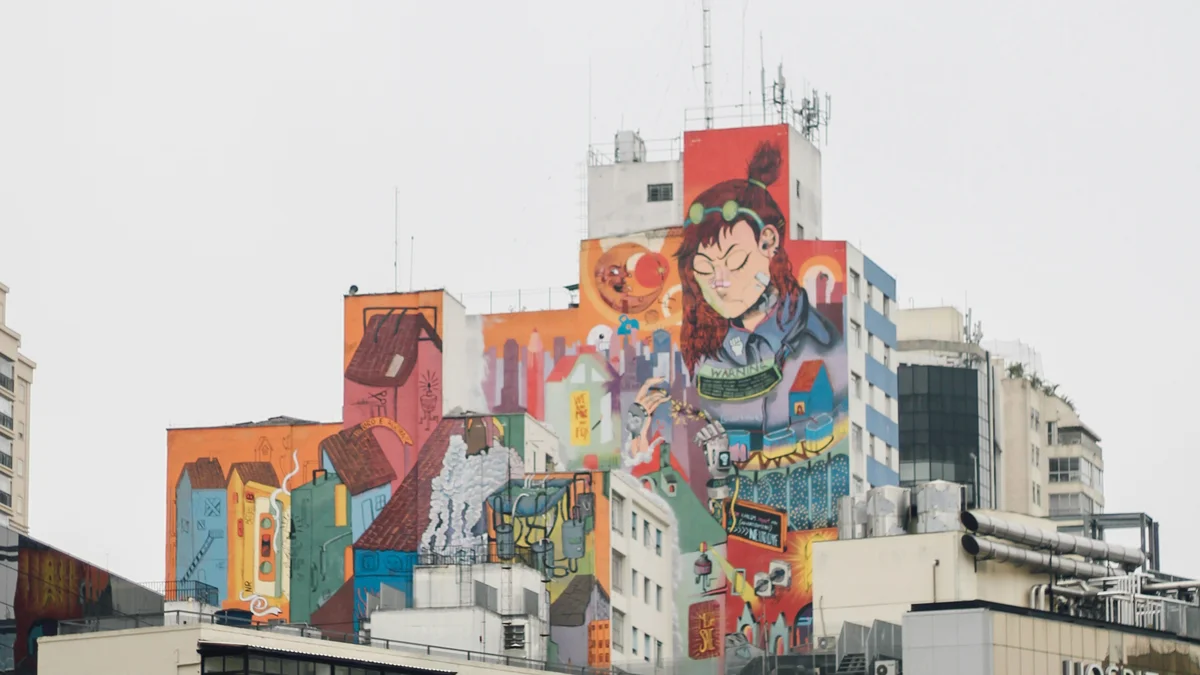
What began with a single Batman drawing in the 1980s has grown into one of Brazil's most celebrated open-air street art galleries, tucked into a cluster of alleys in the bohemian Vila Madalena neighborhood. The murals are continuously repainted by local and international artists, so no two visits look quite the same.
 Private Tours
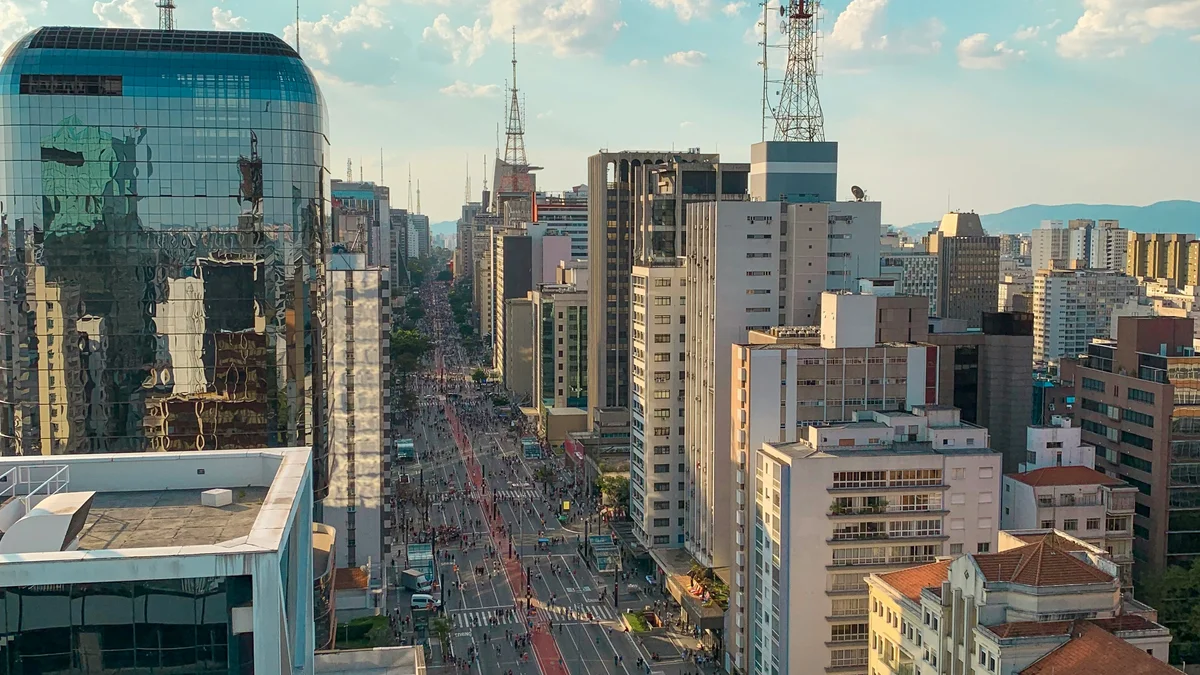
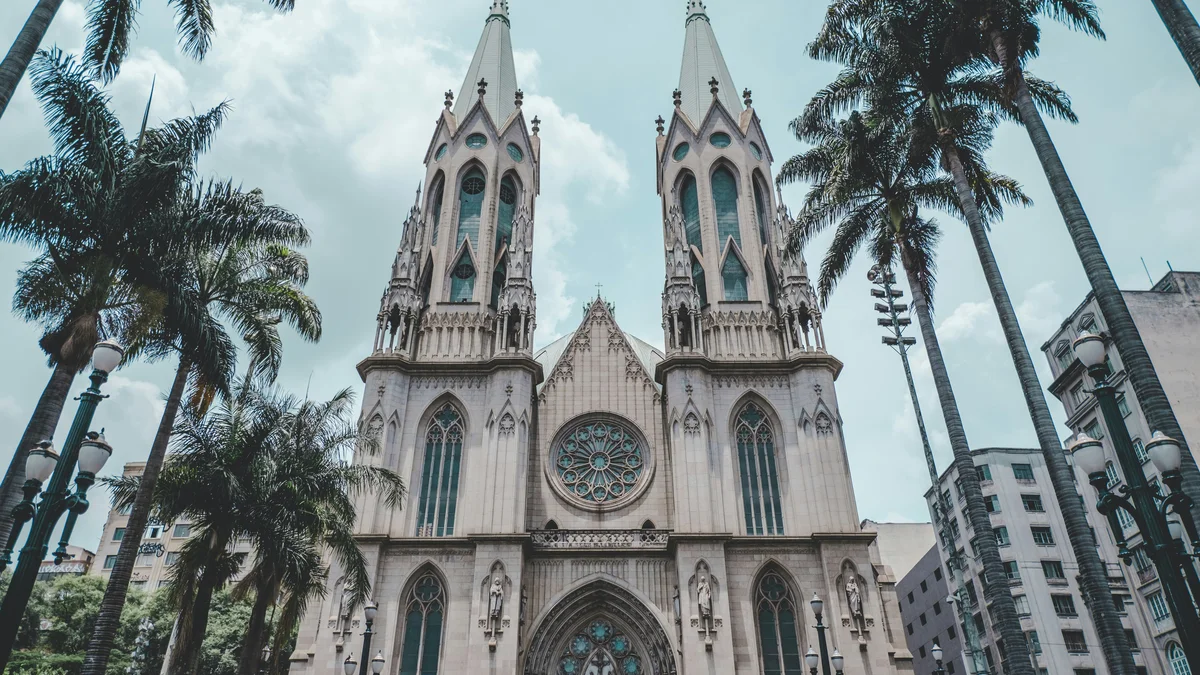
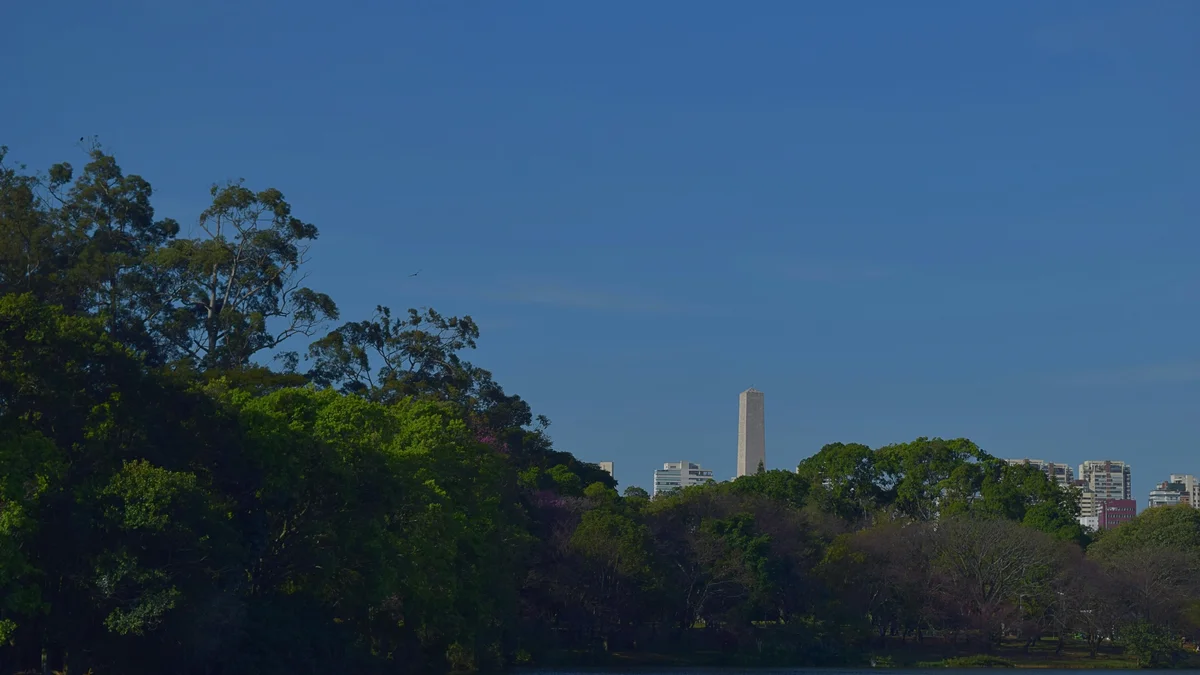
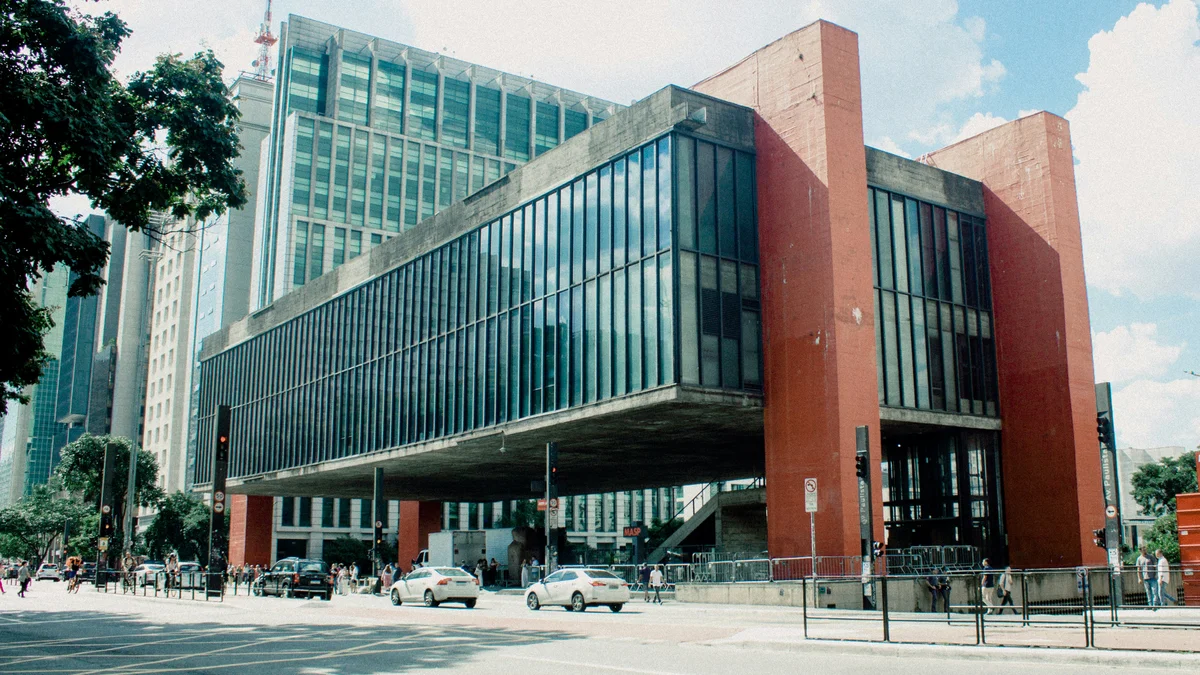
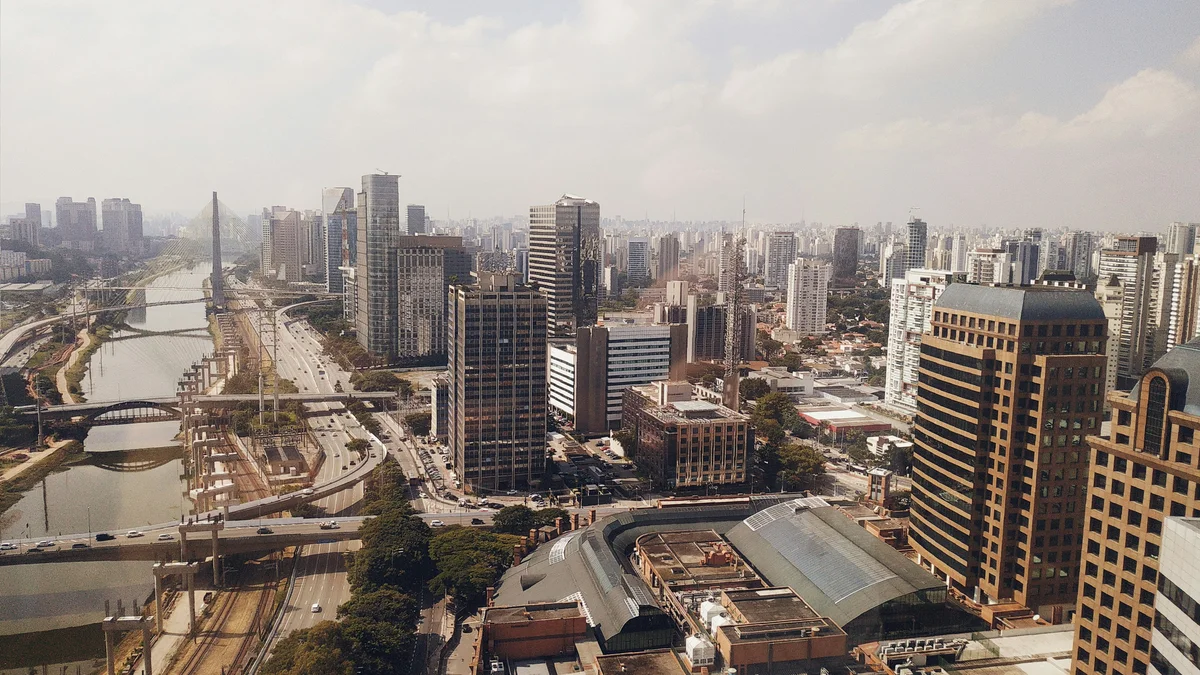
A comprehensive full-day private tour giving you unhurried time at São Paulo's downtown landmarks, Avenida Paulista, Ibirapuera Park, and the street art of Vila Madalena, with optional Guarulhos Airport pickup.
 Private Tours
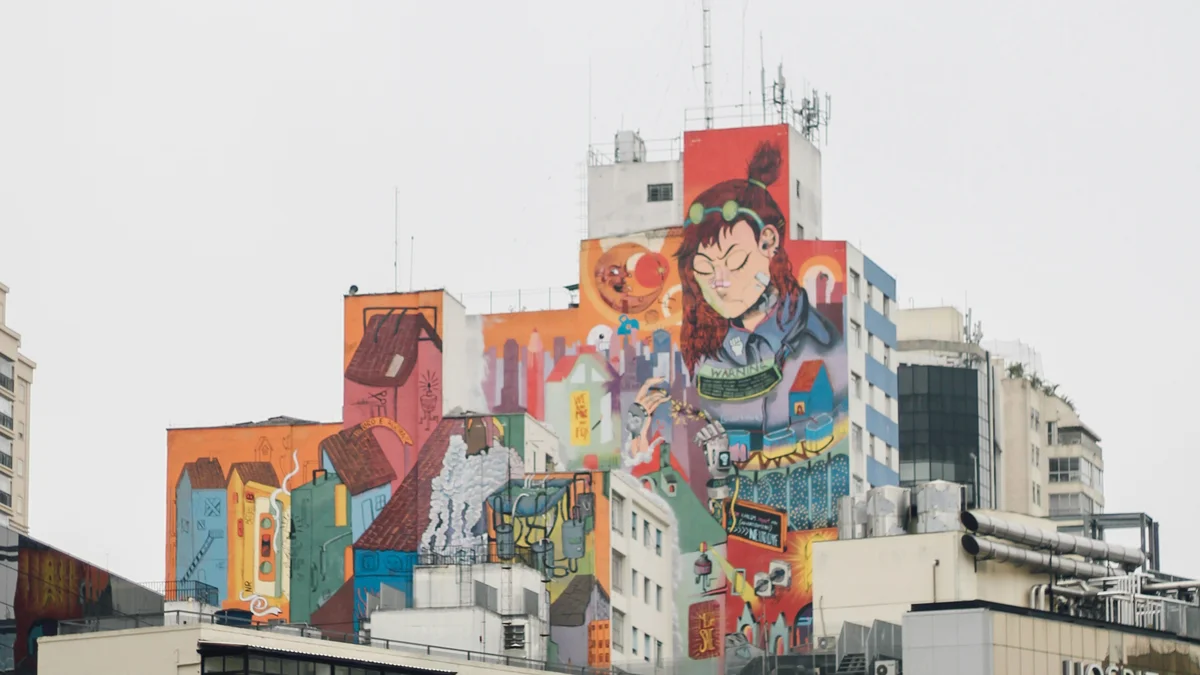
A private tour of São Paulo's renowned street art, centered on Vila Madalena's Beco do Batman (Batman's Alley), with real insight into the city's graffiti culture and its best-known artists.
Visitor guide
Beco do Batman, or Batman's Alley, is an informal name for a cluster of streets in the Vila Madalena neighborhood of Sao Paulo, Brazil, where the walls are covered in graffiti and street art. Wikipedia places it around Rua Gonçalo Afonso and Rua Medeiros de Albuquerque, in the Pinheiros district of the city's West Zone.
The nickname comes from a graffito of the DC Comics hero Batman painted on a wall. Sources disagree on when. Wikipedia and the city's Pinheiros subprefecture place the image in the 1980s, with the subprefecture saying the name emerged at the end of that decade and that the artist behind the first drawing remains unknown. Some tourism sources give an earlier start, and others credit the pioneering graffiti artists Alex Vallauri and the Tupinãodá collective with early superhero graffiti there, but the city source does not confirm this attribution.
Before the nickname, the alley had others. A gallery in the area reports that it was called Imporbox in the early 1970s after a metalwork shop, and around 1975 it was known as Larguinho, a small open space where young people gathered to play volleyball and football, according to the subprefecture. The original Batman drawing is no longer there.
The transformation began in the 1980s, when students from the University of Sao Paulo, who frequented nearby bars, began using the walls as a canvas for works inspired by cubism and psychedelia, according to the city. Today the area is known for its dense concentration of murals, which Wikipedia says are continually renovated and cared for by local community members. Many works are painted over or replaced every few weeks, so the alley looks different from one visit to the next.
The constant rotation has attracted well-known names. The subprefecture lists Os Gêmeos, Speto and Milo Tchais among artists whose work has appeared on the walls, and tourism sources also mention Eduardo Kobra, though the city page does not. The Tupinãodá collective is described as a pioneer of urban art at the site, with one of its works used for the cover of a Barão Vermelho album.
Vila Madalena is an upper-middle-class neighborhood in the Pinheiros district. Wikipedia says that from the early 1970s, students with little money began living there because of its closeness to the University of Sao Paulo and the Pontifical Catholic University of Sao Paulo, and it became a bohemian stronghold. It has dozens of art galleries and studios, many restaurants and bars, and the Pérola Negra samba school, along with other graffiti-covered streets and alleys. During the 2014 FIFA World Cup, the neighborhood received thousands of tourists.
Pichação, the cryptic tagging tradition found mainly in Sao Paulo and other South-Central Brazilian cities, is distinct from the muralist graffiti in Batman's Alley; Wikipedia describes it as a form of protest that is mostly seen as vandalism, while the alley's works are decorative and generally part of an established, neighborly tradition. Together they shape the city's visual identity.
The alley is short and best explored on foot, and because the murals change frequently, the experience is never identical. A private tour with a driver can place it in context alongside Vila Madalena's galleries and cafes. It is an open-air space with its own local rhythm.
See every tour and attraction we cover in Sao Paulo.