TorontoOntario · 36 tours
 Niagara FallsOntario · 25 tours
 New York CityNew York · 30 tours
 Las VegasNevada · 8 tours
 San FranciscoCalifornia · 16 tours
 VancouverBritish Columbia · 17 tours
 DubaiUAE · 54 tours
 Abu DhabiUAE · 5 tours
 Buenos AiresArgentina · 23 tours
 AthensGreece · 31 tours
 AucklandNew Zealand · 38 tours
 CancunMexico · 54 tours
No destinations match “”. Try searching all tours instead — that search understands full questions, not just place names.
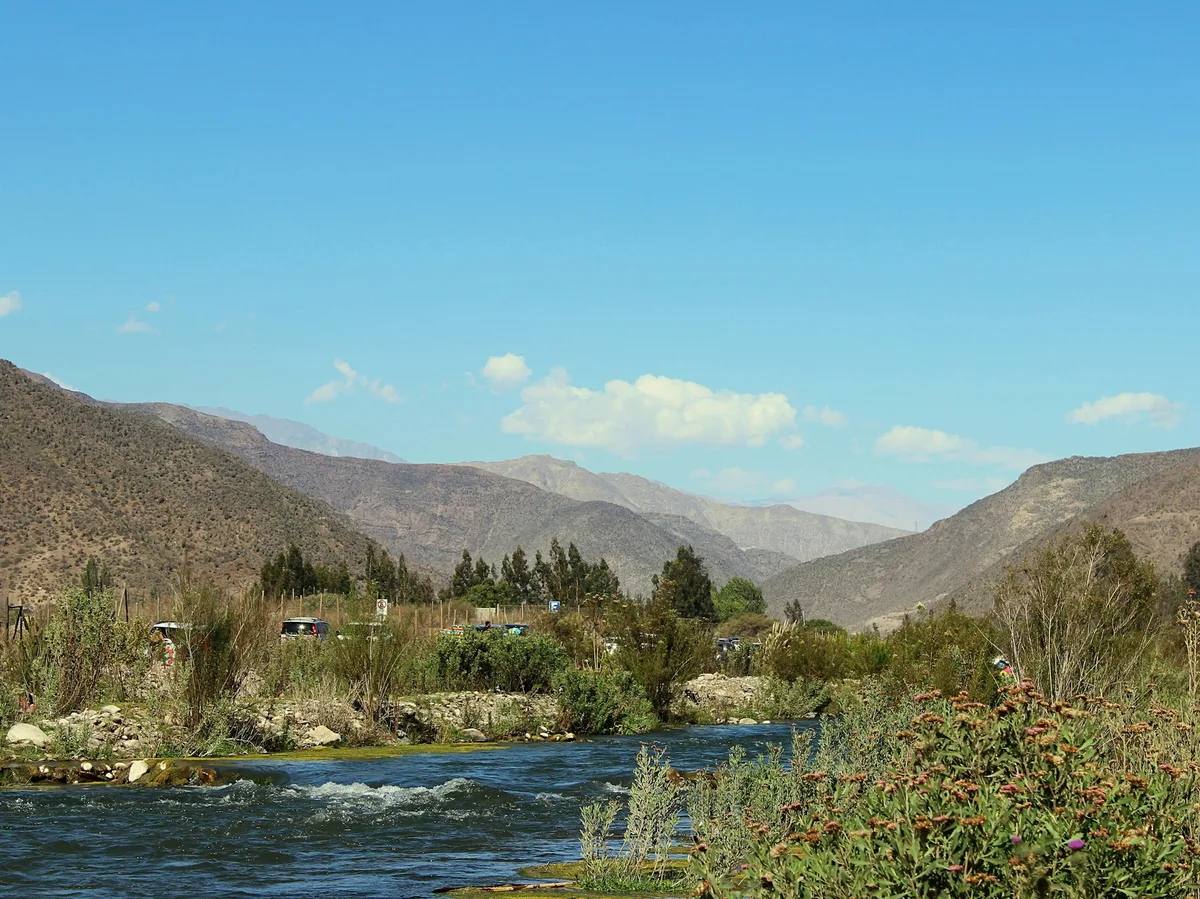
A fertile valley in Chile's Coquimbo Region known for its vineyards, pisco distilleries and some of the clearest, darkest night skies in the world.
Visitor guide
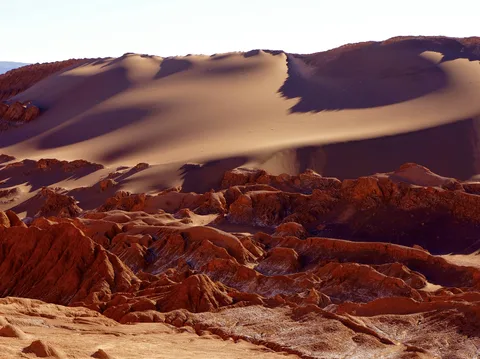
The Elqui Valley is a river valley in the Coquimbo Region of northern Chile, about 400 kilometres north of Santiago at the southern end of the Atacama Desert. The Elqui River rises in the Andes and flows west to the Pacific near La Serena, through an area known for pisco, vineyards and clear night skies.
Wikipedia describes the Elqui River as running through a wine and pisco producing area, with the town of Vicuna as the main town of the middle valley. The valley's vineyards extend from near the Pacific to elevations of about 2,000 metres in the Andes, in a sunny, desert-like climate with less than 70 millimetres of annual rainfall. Viticulture for wine began in the 1990s, and the wine region holds Denomination of Origin status.
Local place names reflect deep history. Wikipedia notes that about a quarter of the valley's toponymy is of indigenous origin, mostly Quechua and Mapuche, tied to the incorporation of the region into the Inca Empire in the late fifteenth and early sixteenth centuries.
The valley is one of Chile's pisco-producing areas, and tourism sources describe distillery visits and a pisco museum in Vicuna. The village of Pisco Elqui is known for tasting.
Vicuna was the home of the Nobel laureate poet Gabriela Mistral, who received the Nobel Prize in Literature in 1945. A museum there is dedicated to her life and works, according to tourism sources.
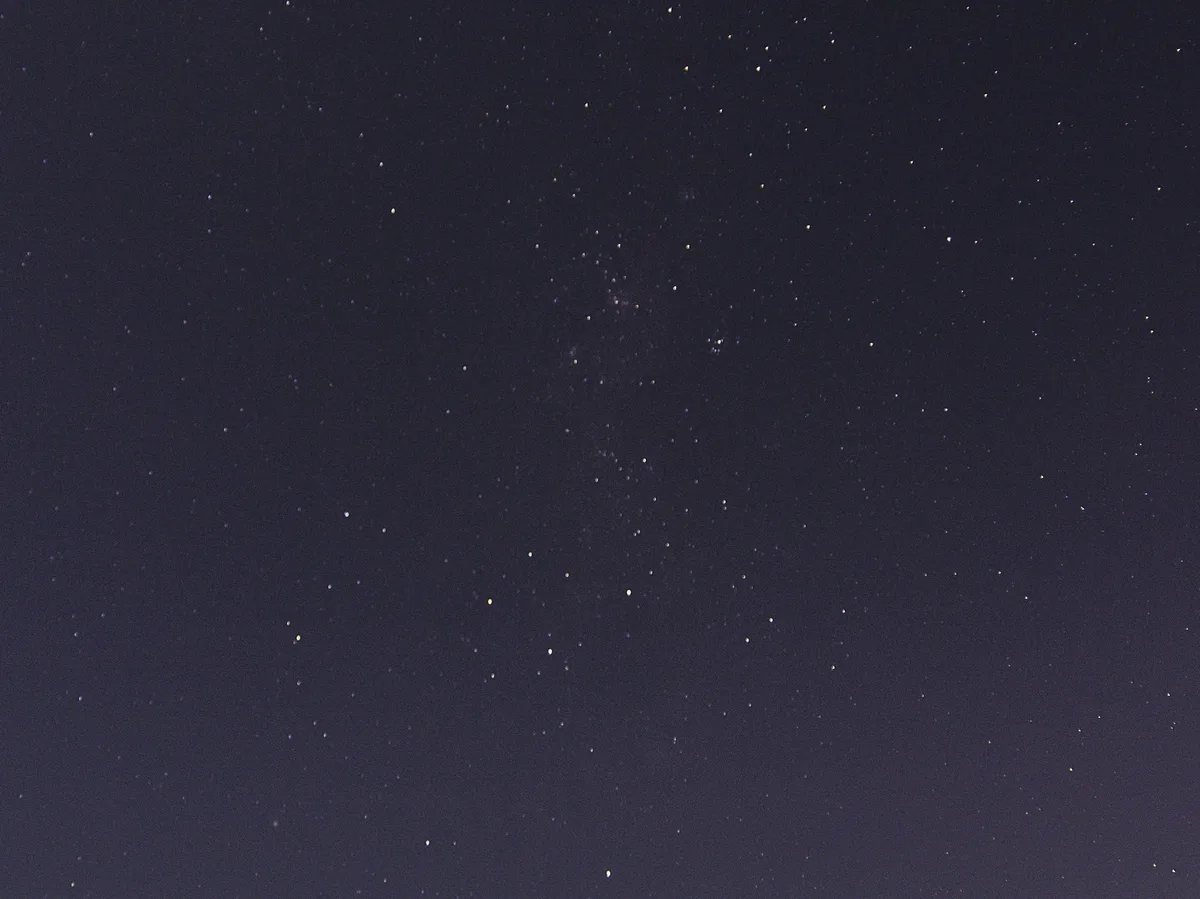
The dry climate and low light pollution make the valley a centre for astronomy. In 2015 the International Dark-Sky Association designated the site of the AURA Observatory as the Gabriela Mistral Dark Sky Sanctuary, described as the first of its kind, although sources differ on whether the designation covers the observatory site or the wider valley. Public observatories such as Cerro Mamalluca near Vicuna offer guided viewing.
Wikipedia calls the Elqui wine region the most commercially successful in northern Chile. About 286 hectares of vines have been planted, mainly along the river where growers have access to good irrigation water. The soils are clay, silt and chalk, and the terrain is dry, rocky and steep, cooled by winds from the Pacific and the Andes. These conditions are credited with strong results for varieties such as Syrah.
Table grapes and other fruit are also grown, and the valley is equally known for the grapes that feed the pisco industry. Guided tastings and distillery visits are a staple of a visit, though operating arrangements vary by producer.
Tourism sources suggest September to April for warmer weather and clearer skies, with winter rains from May to August making stargazing harder. A private guided visit with a dedicated vehicle and driver suits a day or an overnight stay, linking Vicuna, Pisco Elqui and an evening observatory session.
See every tour and attraction we cover in Chile.