TorontoOntario · 36 tours
 Niagara FallsOntario · 25 tours
 New York CityNew York · 30 tours
 Las VegasNevada · 8 tours
 San FranciscoCalifornia · 16 tours
 VancouverBritish Columbia · 17 tours
 DubaiUAE · 54 tours
 Abu DhabiUAE · 5 tours
 Buenos AiresArgentina · 23 tours
 AthensGreece · 31 tours
 AucklandNew Zealand · 38 tours
 CancunMexico · 54 tours
No destinations match “”. Try searching all tours instead — that search understands full questions, not just place names.
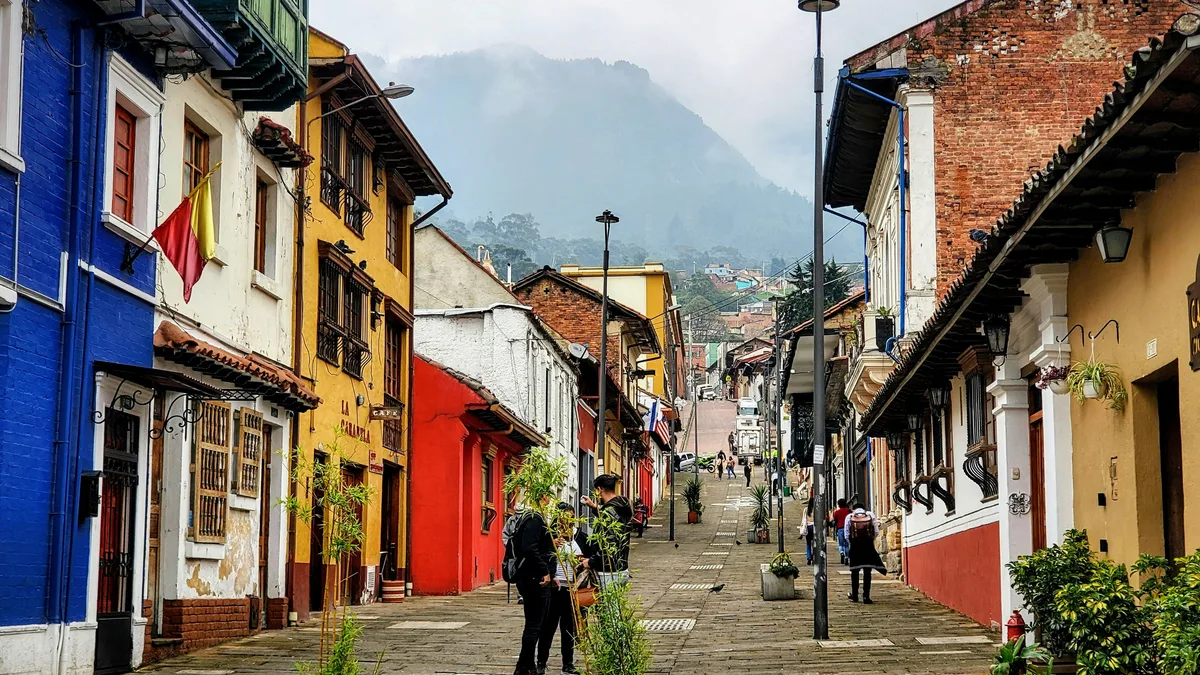
Bogota's historic old town, a dense grid of colonial and Republican-era streets, colorful balconies, and plazas dating back to the city's 1538 founding. Home to the presidential palace, the Gold Museum, the Botero Museum, and some of Latin America's most significant street art.
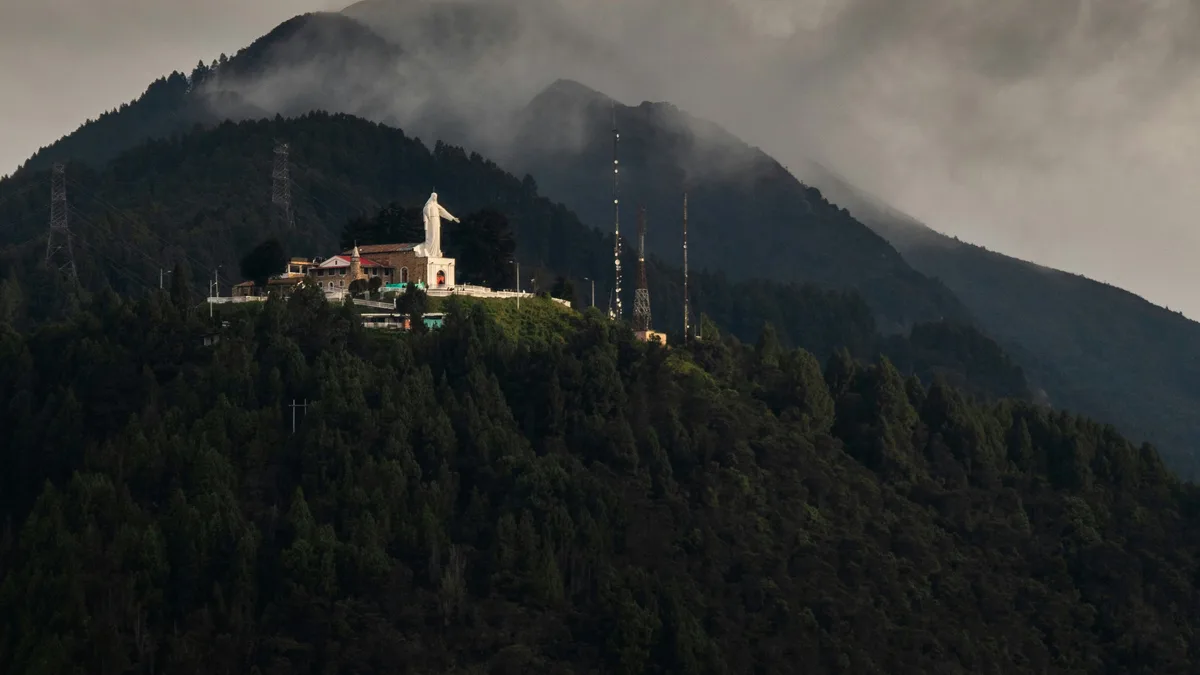 Private Tours
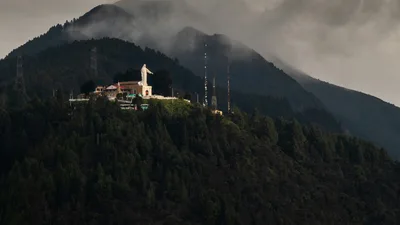
A private guide takes you up Monserrate by cable car or funicular, then through the colonial streets of La Candelaria to the Gold Museum and the Botero Museum.
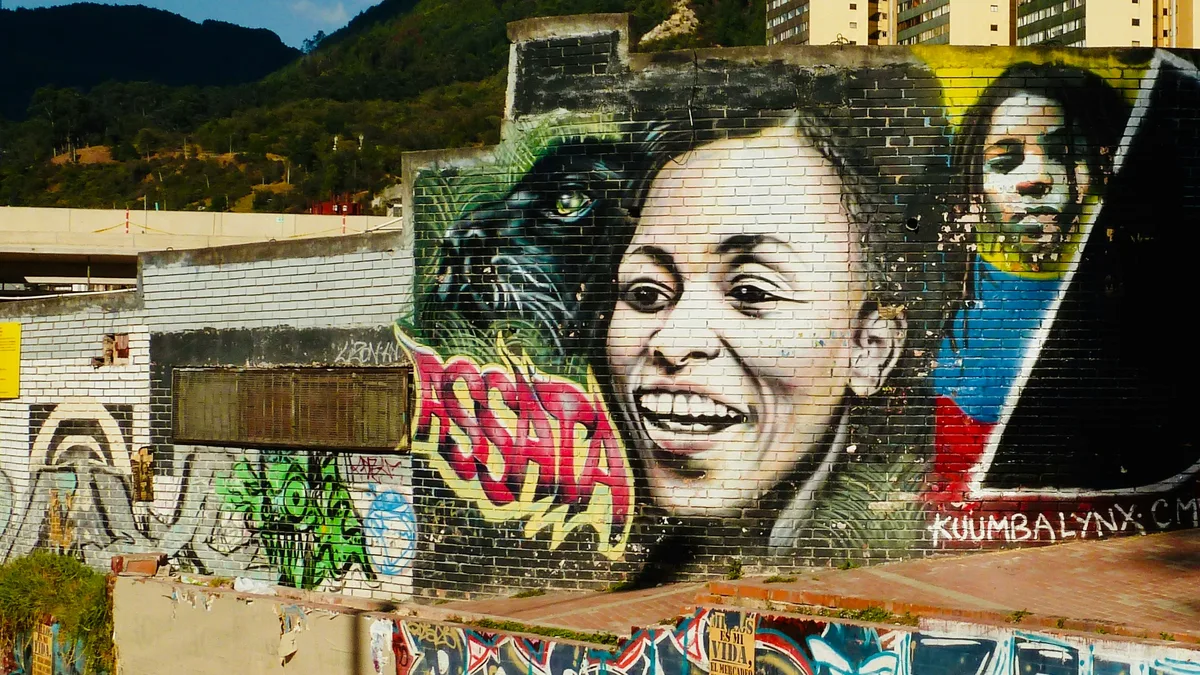 Private Tours
A private guide walks you through La Candelaria's murals and graffiti, explaining the artists and the history behind Bogota's street art scene.
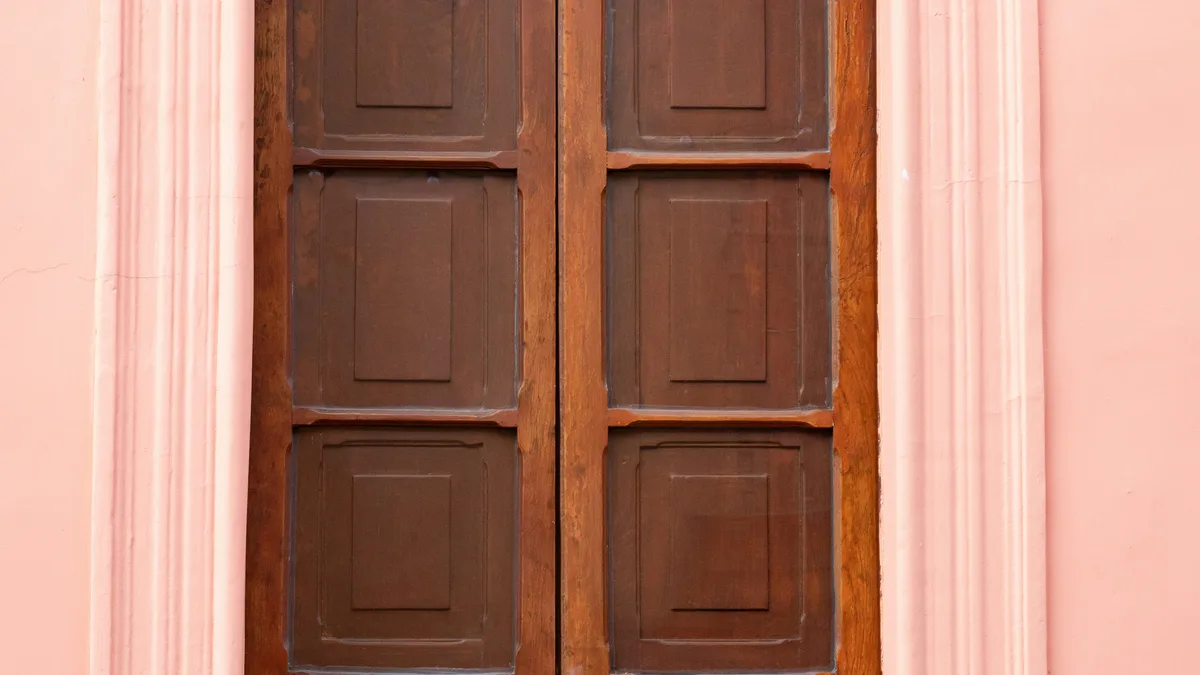 Private Tours
A private 3-hour walking tour of La Candelaria covering street art, a chicha bar, a local fruit market, and the historic emerald district.
Visitor guide
La Candelaria is the historic centre of Bogota, Colombia, and the capital's 17th locality. Its streets preserve Spanish colonial, Baroque and art deco architecture, and it is the site of the city's founding, as well as home to numerous museums, universities and cultural centres.
According to Wikipedia, Bogota was founded on 6 August 1538 by Gonzalo Jimenez de Quesada at a spot in La Candelaria then known as Teusaquillo, now the Chorro de Quevedo. It had been a resting place for the Muisca ruler, the Zipa. The district takes its name from the colonial church of Nuestra Senora de la Candelaria. The formal foundation followed in April 1539, centred on the Plaza Mayor, today's Plaza de Bolivar.
In the 1970s a corporation was set up to preserve the heritage of the neighbourhoods of La Catedral, La Concordia and La Candelaria. In 1991 the area was recognised as one of the 20 localities of the Capital District.
The Plaza de Bolivar is surrounded by a notable group of buildings. These include the Capitolio Nacional, seat of the Congress, the Palace of Justice, the Liévano Palace that houses the mayor's office, the Primatial Cathedral of Bogota, the Sagrario Chapel and the Archbishop's Palace. Nearby are the Casa de Narino, the presidential residence, and the Palacio de San Carlos, which houses the foreign ministry.
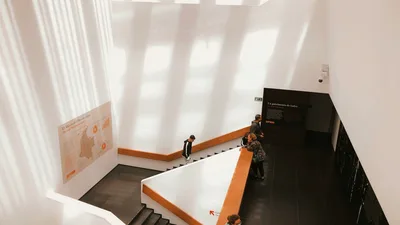
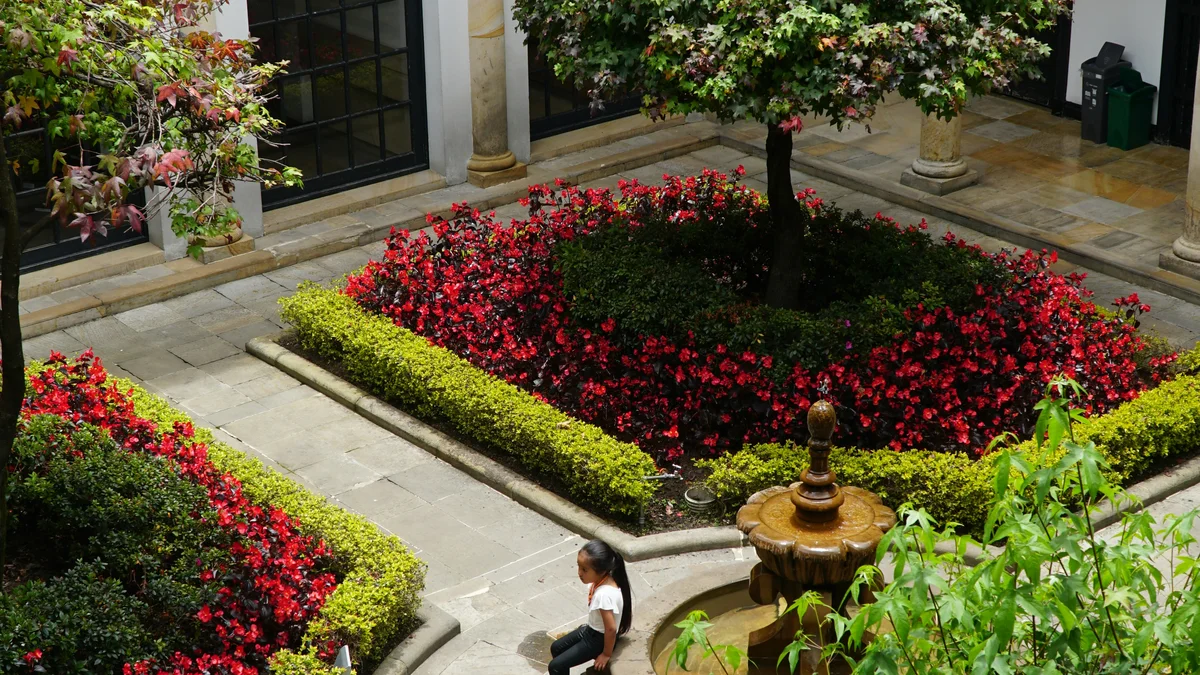
The locality is rich in museums. Wikipedia lists the Banco de la Republica museums, including the Casa de Moneda, the Botero Museum and the Art Museum, along with the Casa del Florero, the Museum of Colonial Art, the Museo de Bogota and others. The Gold Museum is also close by. The Luis Angel Arango Library is described as an important public library of the country. Churches include the Santa Clara church museum, San Ignacio, San Agustin, and the Church of La Candelaria itself.
The Calle del Embudo, or funnel street, is a narrow cobblestone lane leading to the Plaza del Chorro de Quevedo. Its walls are painted with street art in bright colours, and some designs depict pre-Columbian legends. The Plaza del Chorro de Quevedo takes its name from a friar who in 1832 purchased the site and set up a public fountain. It is believed to be the place where Bogota was founded, although the surrounding buildings now block the view across the savanna that the Zipa would have enjoyed.
Many universities have their seats in the district, including Los Andes, La Salle, Del Rosario and Externado, which gives the streets a student atmosphere.
La Candelaria is best explored on foot, with a guide who can explain what is behind the colonial facades. Bogota's altitude means evenings are cool and rain can arrive suddenly. Because the historic centre has narrow streets, a private driver can drop visitors at the edge of the district and collect them afterwards, which suits a day that also includes Monserrate or the museums.
See every tour and attraction we cover in Bogota.