TorontoOntario · 36 tours
 Niagara FallsOntario · 25 tours
 New York CityNew York · 30 tours
 Las VegasNevada · 8 tours
 San FranciscoCalifornia · 16 tours
 VancouverBritish Columbia · 17 tours
 DubaiUAE · 54 tours
 Abu DhabiUAE · 5 tours
 Buenos AiresArgentina · 23 tours
 AthensGreece · 31 tours
 AucklandNew Zealand · 38 tours
 CancunMexico · 54 tours
No destinations match “”. Try searching all tours instead — that search understands full questions, not just place names.
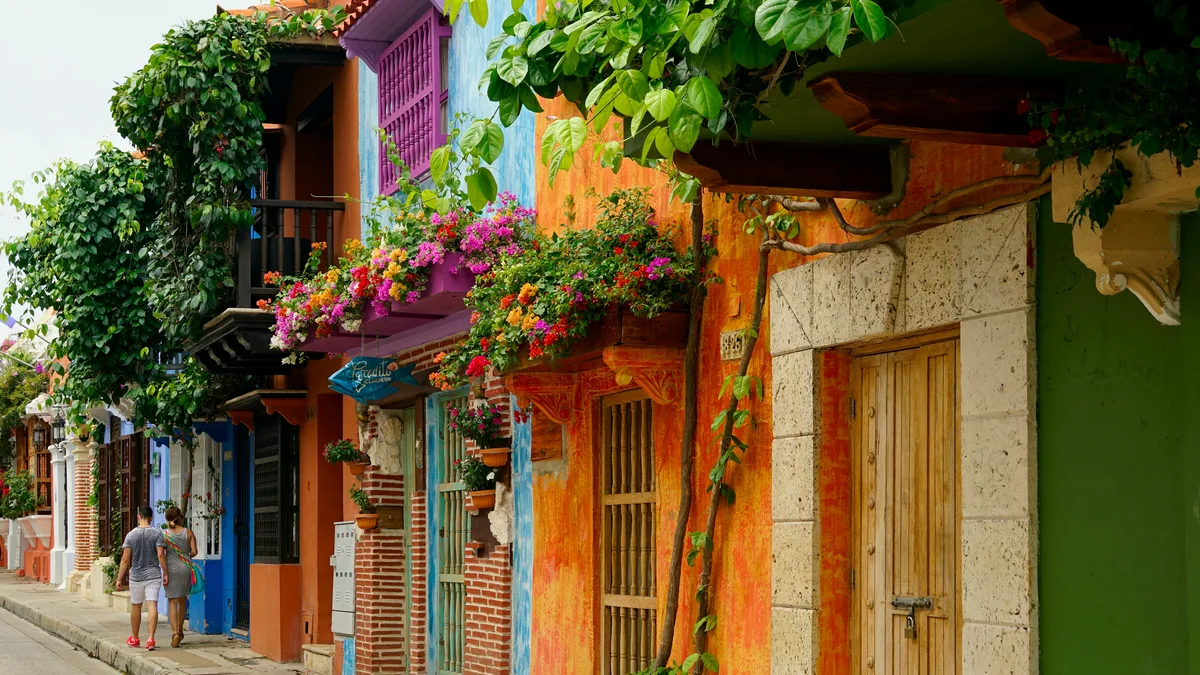
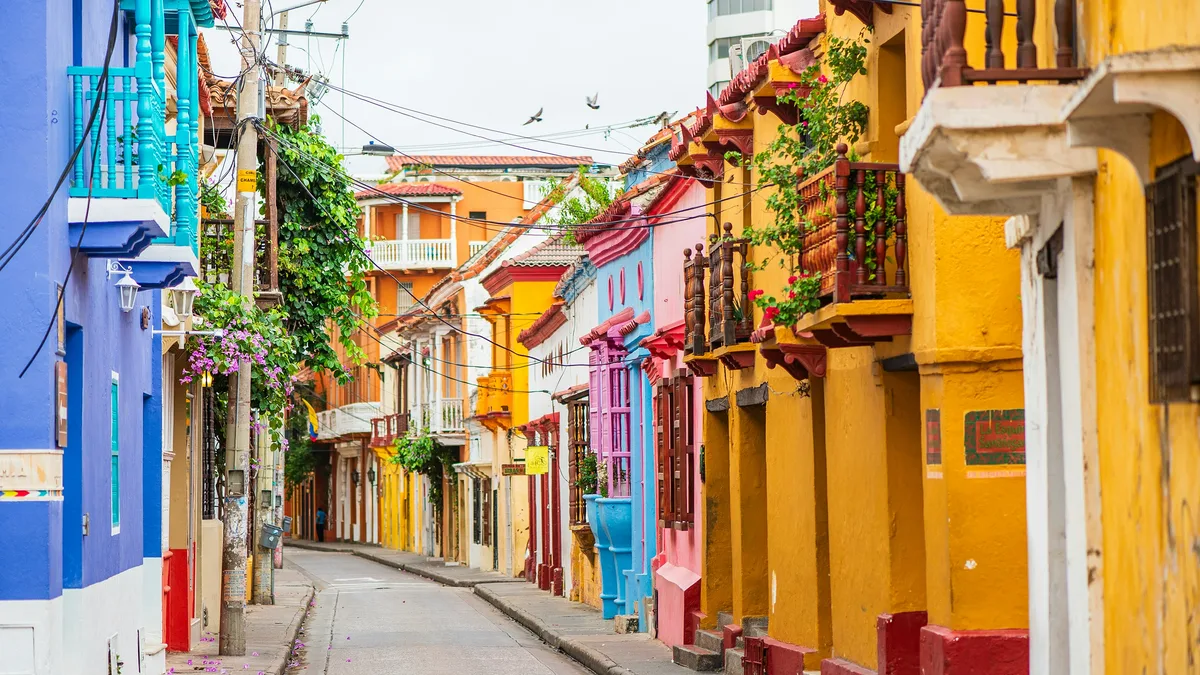
A formerly working-class neighborhood just outside the city walls, historically home to Cartagena's independence movement, which began here on November 11, 1811. Today Getsemaní is known for its dense layers of street art and murals, lively Plaza de la Trinidad, and a more local, bohemian energy than the Walled City's polished streets.
 Private Tours
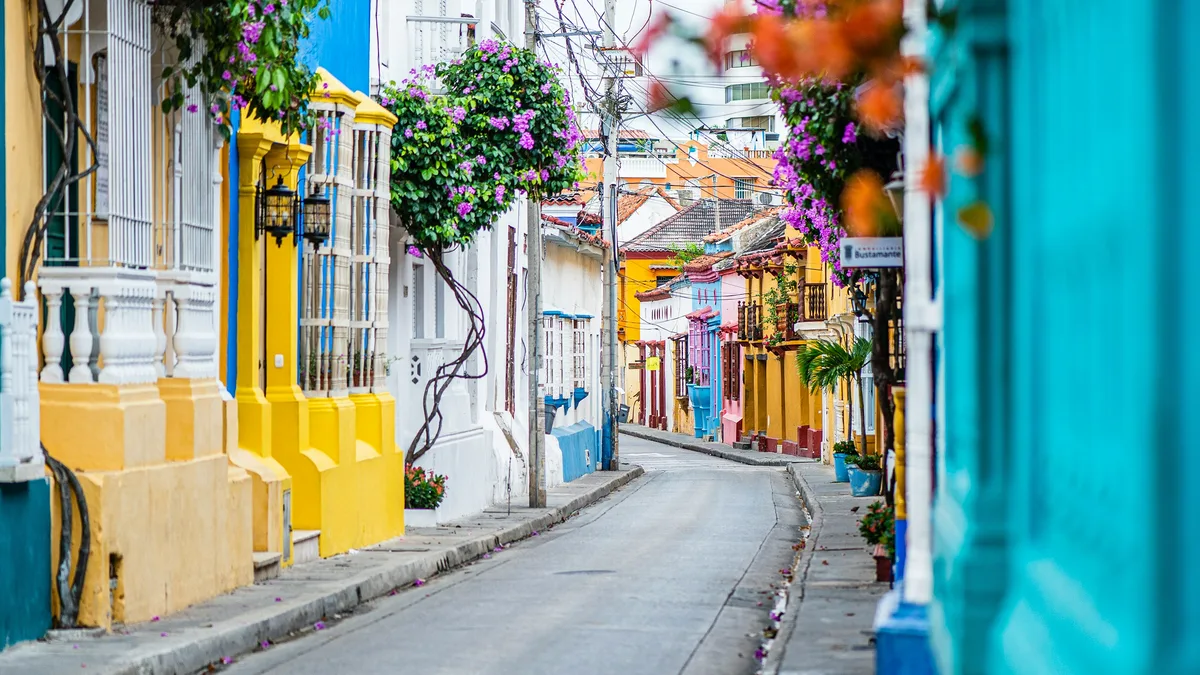
Explore the colorful plazas and colonial streets of the Walled City before crossing into Getsemaní, the once-overlooked neighborhood now known for its murals and bohemian energy.
 Private Tours
Go beyond the postcard landmarks with a private curator-led walk into Cartagena's living contemporary art scene, visiting galleries and, depending on the week, meeting working artists.
Visitor guide
Getsemani is a historic neighbourhood of Cartagena, Colombia, just outside the main walled core of the old city. Once an artisan and working-class district, it is known for its role in the 1811 independence movement, its lively plazas and its street art.
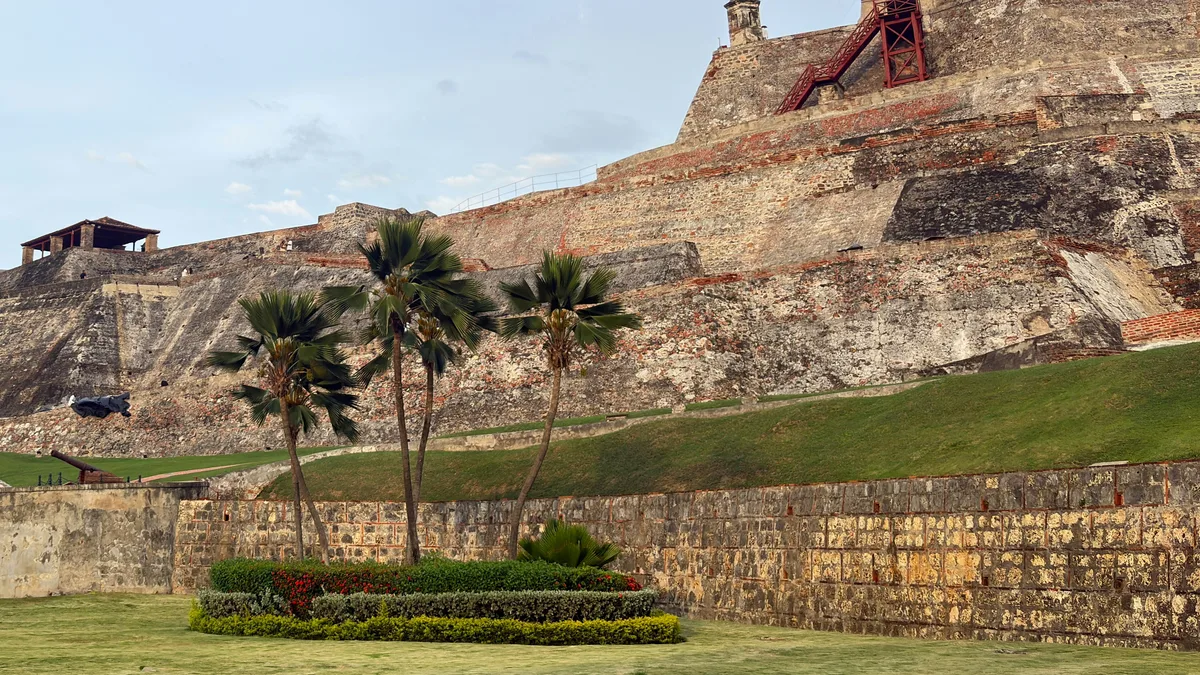
Getsemani began as a separate island linked to the walled city by a causeway. Published histories note that by around 1600 there was already some settlement here, including the San Francisco convent and a slaughterhouse, and that plans to fortify the growing district were made around 1630. Wikipedia records that Governor Francisco de Murga began enclosing Getsemani with protective walls in 1631, including the Media Luna battery which guarded the only gate and causeway to the mainland.
Although it was included in the city's defensive plans, Getsemani was regarded as peripheral and was home mostly to artisans such as masons, blacksmiths, shipwrights, carpenters, barbers and fishermen. That working-class identity still shapes how the neighbourhood describes itself.
Getsemani is closely associated with 11 November 1811, when Cartagena declared absolute independence from Spain. Accounts say residents armed themselves and gathered around the governing council to press for a declaration. Pedro Romero led the Lanceros de Getsemani, one of the first active military units in the resistance. Cartagena is often described as an early city in Colombia to declare independence, though how it ranks against others depends on the source.
The heart of the district is the Plaza de la Trinidad, named after the Holy Trinity church, built between 1643 and 1688 according to published accounts. A monument in the square commemorates the 1811 uprising and is described as showing Pedro Romero with a raised fist, a Franciscan priest and the drummer who called the citizens to arms.
For much of the twentieth century the neighbourhood had a rough reputation, but in recent years residents have promoted the area through art, food and dance. Wikipedia describes it as having been turned into a Ciudad Mural, with murals meant to preserve the customs, traditions and stories of its people. Along Calle de la Sierpe and Calle San Juan, older buildings carry large murals by local and international artists, many celebrating the Caribbean landscape, wildlife and the palenquera women of the coast. The Calle de la Sierpe street-art project of 2010 was titled Pedro Romero Vive Aqui.
Old buildings in the district have been turned into boutique hotels and small guesthouses, and its plazas come alive in the evening with music and cafes. The pace is more local and relaxed than inside the walls.
Getsemani is easy to combine with the walled city because it sits just across from the Clock Tower gate. Streets are compact and flat, and the best colours are seen in morning or late afternoon light. A private guide can add context on the independence story and the murals, which are easy to walk past without explanation.
See every tour and attraction we cover in Cartagena.