TorontoOntario · 36 tours
 Niagara FallsOntario · 25 tours
 New York CityNew York · 30 tours
 Las VegasNevada · 8 tours
 San FranciscoCalifornia · 16 tours
 VancouverBritish Columbia · 17 tours
 DubaiUAE · 54 tours
 Abu DhabiUAE · 5 tours
 Buenos AiresArgentina · 23 tours
 AthensGreece · 31 tours
 AucklandNew Zealand · 38 tours
 CancunMexico · 54 tours
No destinations match “”. Try searching all tours instead — that search understands full questions, not just place names.
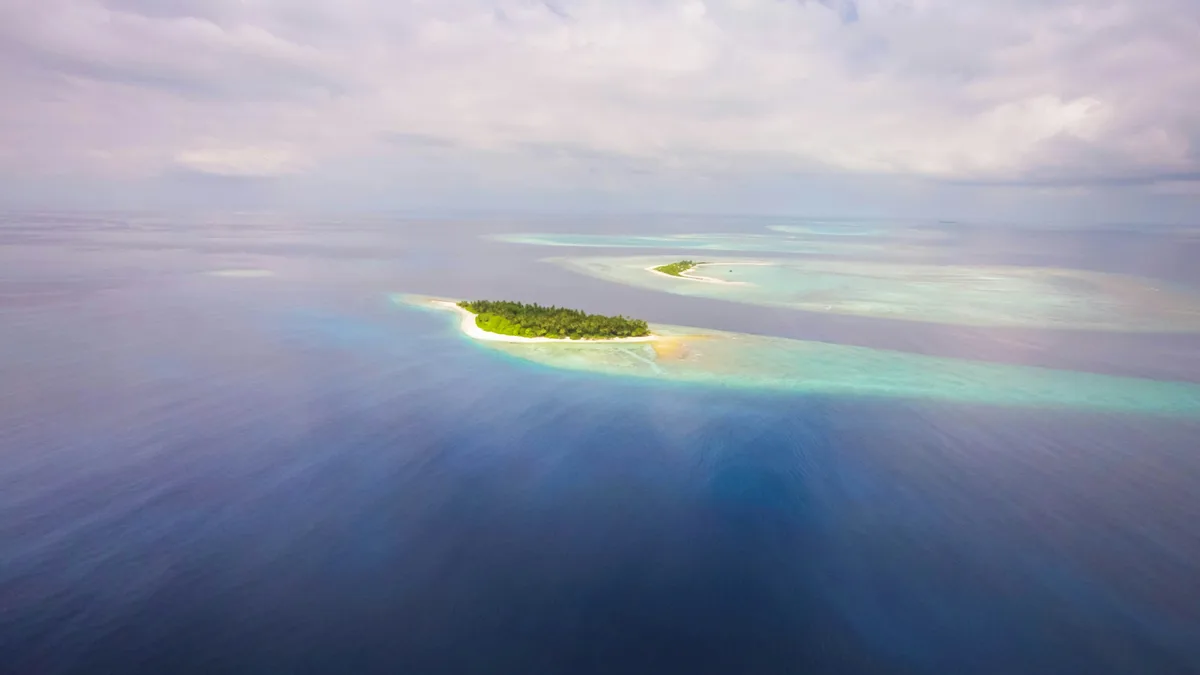
An archipelago of around 30 small coral islands roughly an hour by boat from Cartagena, part of the Corales del Rosario y de San Bernardo National Natural Park. Known for their turquoise, reef-fringed water, the islands are a popular day-trip destination for swimming, snorkeling, and beach time at spots like Cholón, Barú, and La Piscinita.
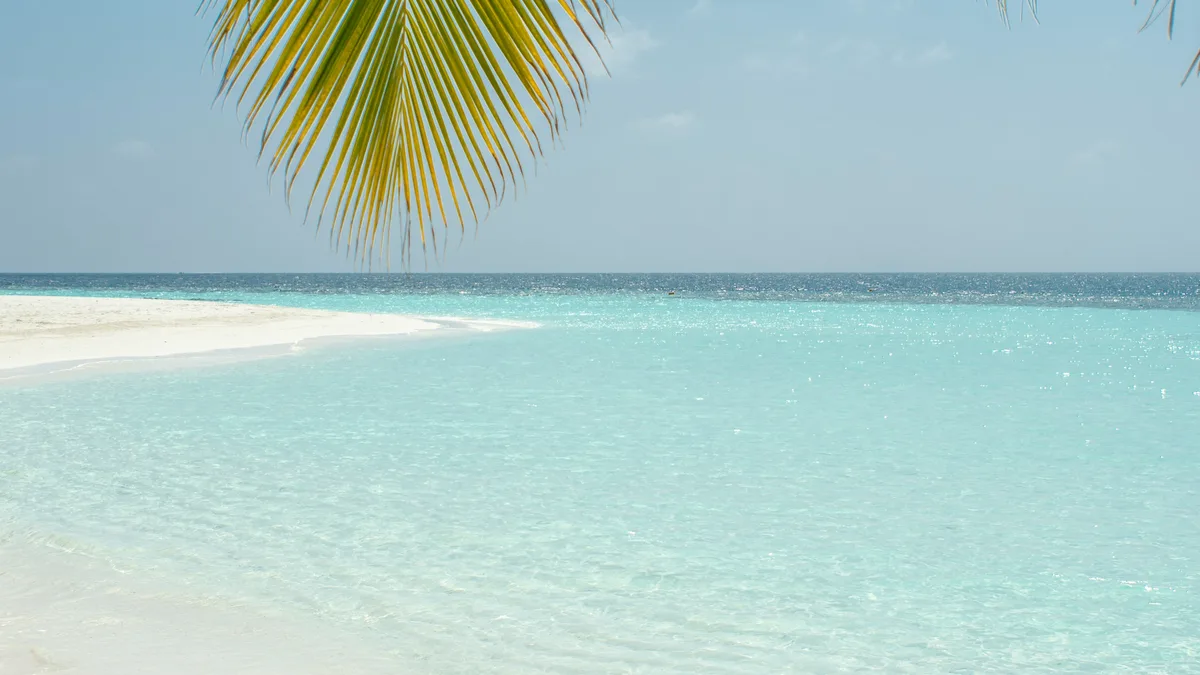 Private Tours
Leave Cartagena's private marina behind for a full day on the water, with stops at Cholón and Barú islands for sunbathing and swimming in the Caribbean's turquoise water.
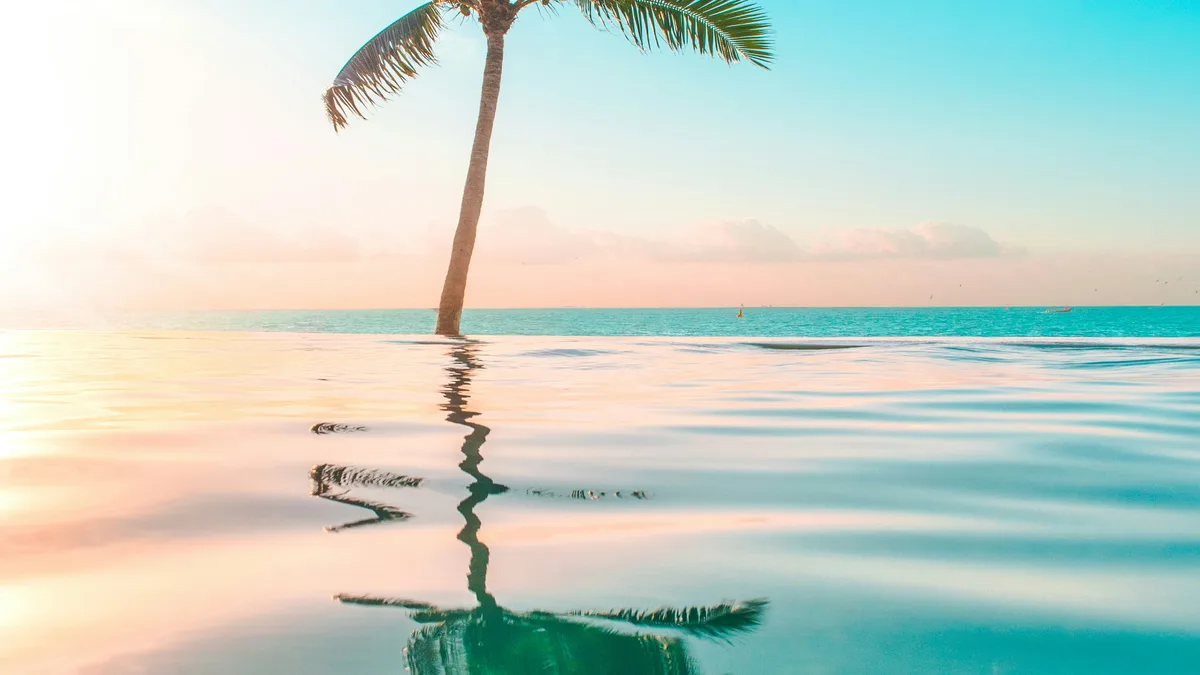 Private Tours
Discover the Rosario Islands at your own pace on an all-day private boat charter, with a stop for snorkeling at La Piscinita and free choice of where to eat rather than a fixed resort partnership.
Visitor guide
The Rosario Islands, or Islas del Rosario, are a coral archipelago off the Caribbean coast of Colombia, about 20 kilometres from Cartagena. They form part of the Corales del Rosario y de San Bernardo National Natural Park, one of Colombia's national natural parks.
According to Wikipedia, the national park was first declared in 1977 as Corales del Rosario and re-delimited in 1988 to protect one of the more important coral reefs of the Colombian Caribbean coast. It covers the reefs west of Isla Baru, the archipelagos of Nuestra Senora del Rosario and San Bernardo, and the seabed between them, taking in islands such as Tesoro, Rosario, Mucura and Maravilla. The area was declared a protected zone because of the need to conserve its coral reefs and the associated ecosystems of sea grass, mangroves, seaweed and marine animals.
The islands are low and sandy, edged by shallow turquoise water. Coral growth is stronger on the windward side of the islands, where waves and water quality favour it. The park is one of three national parks in the Colombian Caribbean with coral reefs on their territories, along with Old Providence McBean Lagoon and the Rosario and San Bernardo Corals themselves.
Sea and shoreline activity is the point of a visit. Wikipedia lists swimming, snorkelling and fishing among the usual activities, and notes that around 28 diving sites are known in the area, with scuba diving offered by local operators. Isla Rosario has an aquarium and open-sea oceanarium that visitors can see. Day trips from Cartagena are well established, and a few islands have hotels and lodges for longer stays.
The islands were once difficult to approach by boat; Wikipedia quotes a 1985 description of the area as extremely dangerous to approach, which reflects the reef and shallows around the archipelago. Navigation here has always depended on knowing where the coral lies, which is one reason visits are made with local boat captains who know the channels. The surrounding seabed includes an underwater platform that links the Rosario and San Bernardo archipelagos, and this shallow shelf is what supports the grass beds, mangroves and coral that the park protects.
Tourism on the islands has developed over recent decades into day tours as well as hotels and lodges on a few of the islands, so a visit can range from a few hours on the water to a longer stay. Shoreline vegetation, small beaches and clear shallows are the typical scenery, and the contrast with Cartagena's busy old town is part of the appeal.
The Rosario Islands are reached by boat from Cartagena, and the crossing and activities depend on sea conditions and the season. Visits are often made as a full-day trip, or as part of a private itinerary that includes time to swim and snorkel. The tropical sun is strong, so sun protection, a hat and reef-safe habits such as not touching coral are worthwhile. Because the park is protected, rules on what can be taken or damaged apply, and local guides can explain them.
See every tour and attraction we cover in Cartagena.