TorontoOntario · 36 tours
 Niagara FallsOntario · 25 tours
 New York CityNew York · 30 tours
 Las VegasNevada · 8 tours
 San FranciscoCalifornia · 16 tours
 VancouverBritish Columbia · 17 tours
 DubaiUAE · 54 tours
 Abu DhabiUAE · 5 tours
 Buenos AiresArgentina · 23 tours
 AthensGreece · 31 tours
 AucklandNew Zealand · 38 tours
 CancunMexico · 54 tours
No destinations match “”. Try searching all tours instead — that search understands full questions, not just place names.
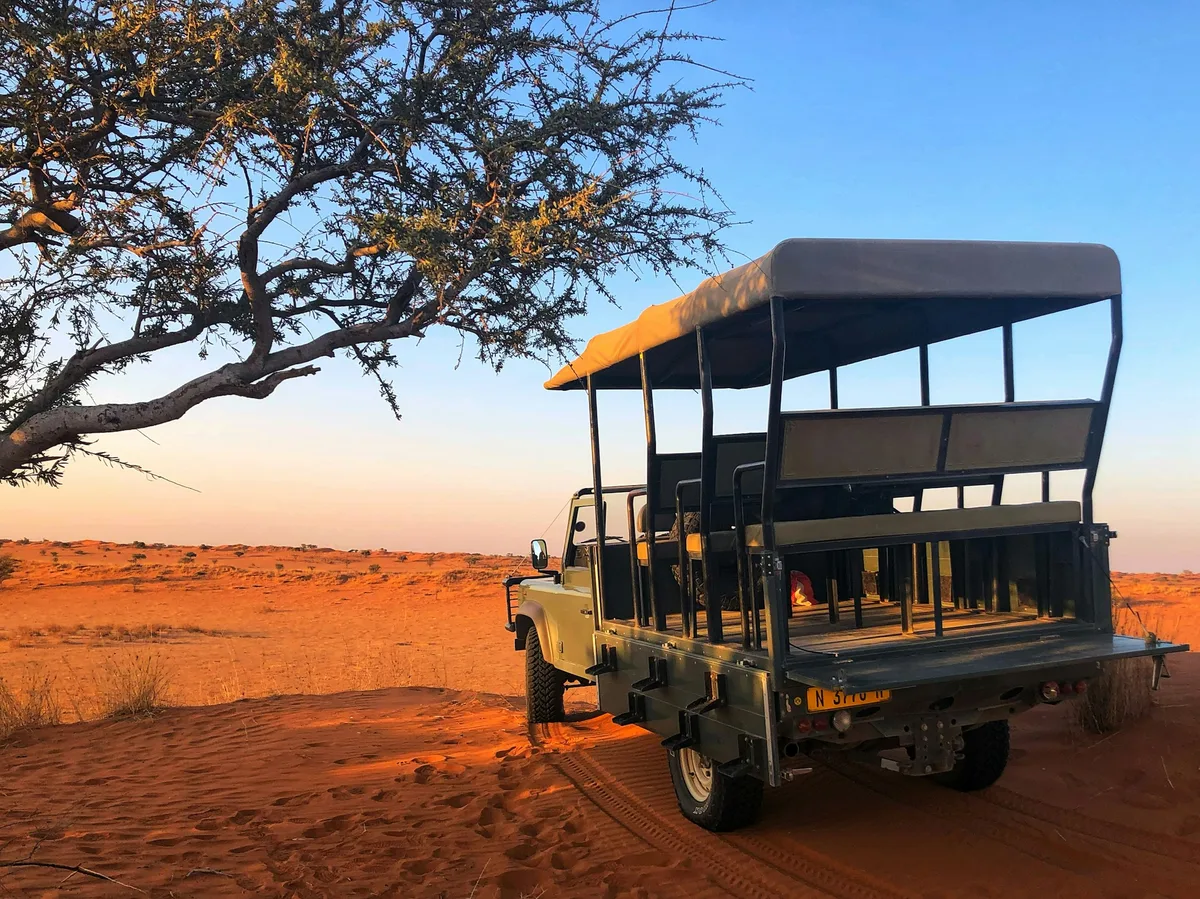
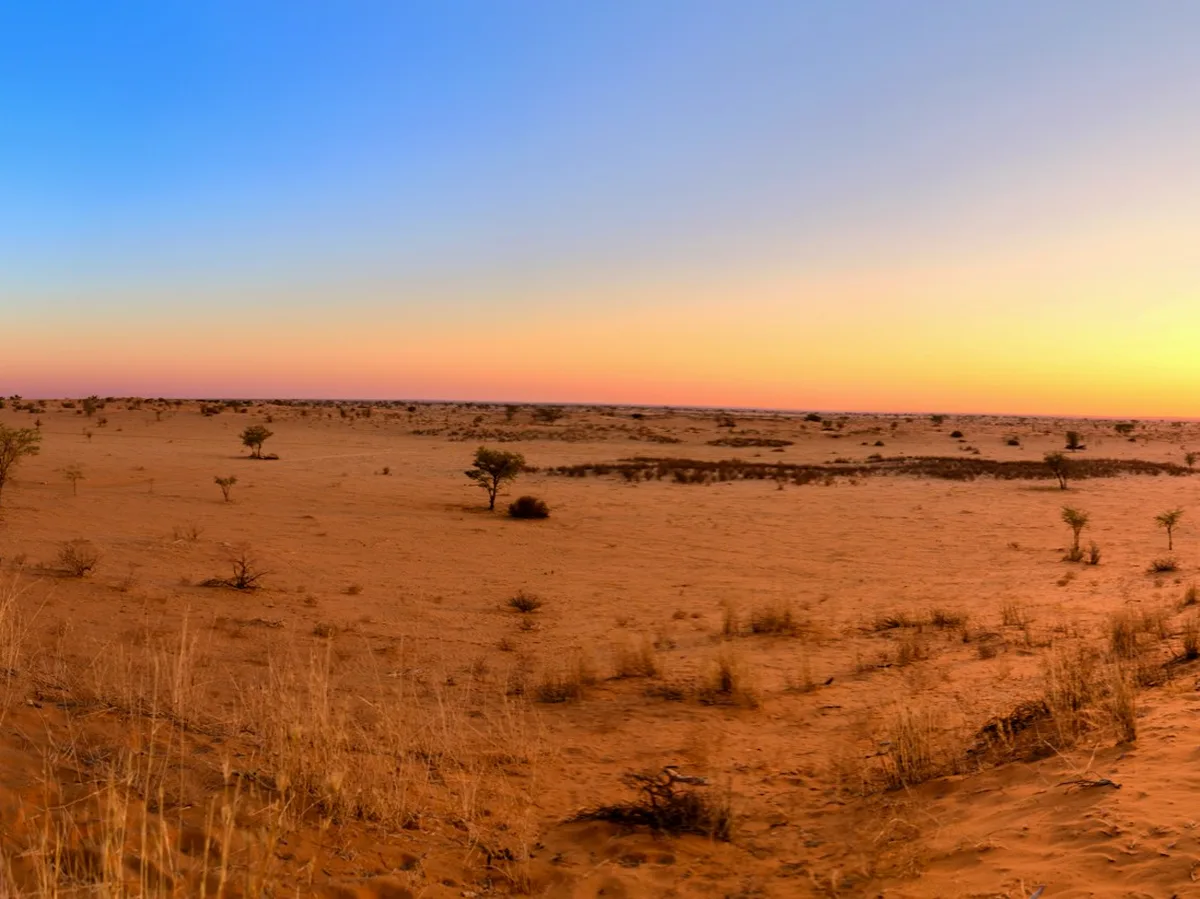
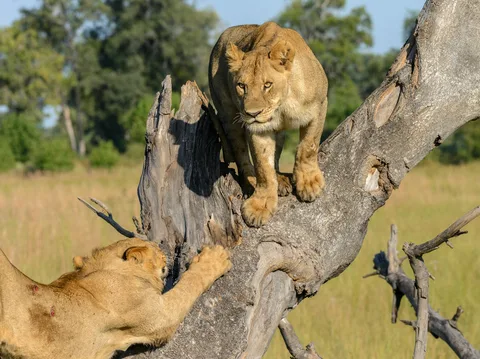
One of the world's largest protected wildlife reserves, the Central Kalahari's semi-arid grasslands are home to black-maned lion, brown hyena, and the San Bushmen communities who have lived across this desert for millennia.
Visitor guide
The Central Kalahari Game Reserve is a vast protected area in the Kalahari Desert of Botswana, covering 52,800 square kilometres. It is known for open grasslands, fossil river valleys, desert-adapted wildlife and the San people who have lived in the region for thousands of years.
The reserve was established in 1961 and lies entirely within Botswana's Ghanzi District, making up over 40 percent of that district. According to Wikipedia it is larger than the Netherlands and about 10 percent of Botswana's land area, and is described as the second-largest game reserve in the world. The land is mostly flat and gently undulating, with grasses and bush covering sand dunes and areas of larger trees. Acacias and terminalias are the most common trees.
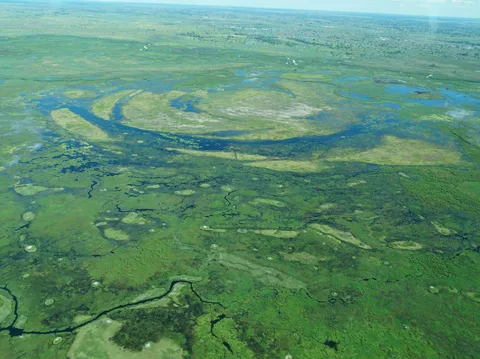
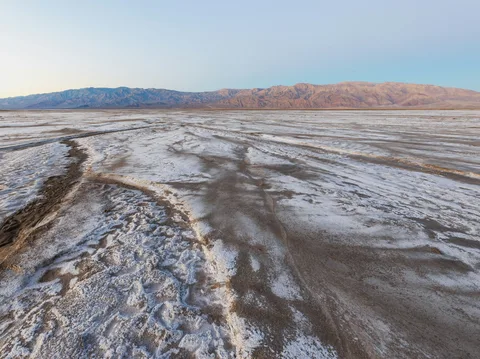
The reserve is a semi-arid landscape rather than a pure sand desert. Four fossilised rivers meander through it, and many of these valleys now contain salt pans. Deception Valley, one of them, began forming around 16,000 years ago, according to Wikipedia. After rain these valleys turn green and draw grazing animals, while in the dry season the land looks very different. A major bush fire in September 2008 burned about 80 percent of the reserve; the cause remains unknown.
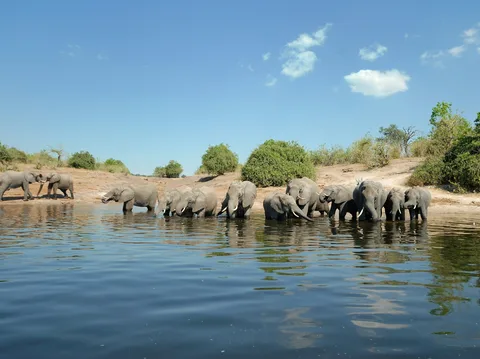
Wikipedia lists a wide range of animals, though notes that the list is marked as needing citations. It includes elephant, giraffe, lion, leopard and cheetah, as well as spotted and brown hyenas, African wild dogs, black-backed jackals and caracals. Antelope include gemsbok, springbok, eland, sable, kudu and impala. Smaller animals such as meerkats, honey badgers, aardvarks and warthogs live there, together with ostriches and many birds. Many of these species have adapted to long periods without surface water.
The San, also called Bushmen, have lived in the area for thousands of years as nomadic hunter-gatherers. From the mid-1990s the Botswana government tried to relocate them, and in 1997 about three-quarters of the San population was moved out of the reserve. Relocations resumed in October 2005, leaving about 250 permanent residents. In 2006 a Botswana court ruled the eviction illegal and affirmed the San's right to return. As of 2015, Wikipedia reports that most San were still blocked from their traditional lands. This history is contested, and visitors should expect a range of views.
Gem Diamonds opened the Ghaghoo diamond mine in the southeast of the reserve in 2014, a project that drew controversy because of its location on ancestral San land, according to the Rapaport Diamond Report cited in Wikipedia. The reserve is remote and roads are sandy and demanding, so a private guided visit with an experienced driver suits the conditions. Because of the extreme heat of summer and the cold of winter nights, timing and preparation matter.
See every tour and attraction we cover in Botswana.