TorontoOntario · 36 tours
 Niagara FallsOntario · 25 tours
 New York CityNew York · 30 tours
 Las VegasNevada · 8 tours
 San FranciscoCalifornia · 16 tours
 VancouverBritish Columbia · 17 tours
 DubaiUAE · 54 tours
 Abu DhabiUAE · 5 tours
 Buenos AiresArgentina · 23 tours
 AthensGreece · 31 tours
 AucklandNew Zealand · 38 tours
 CancunMexico · 54 tours
No destinations match “”. Try searching all tours instead — that search understands full questions, not just place names.
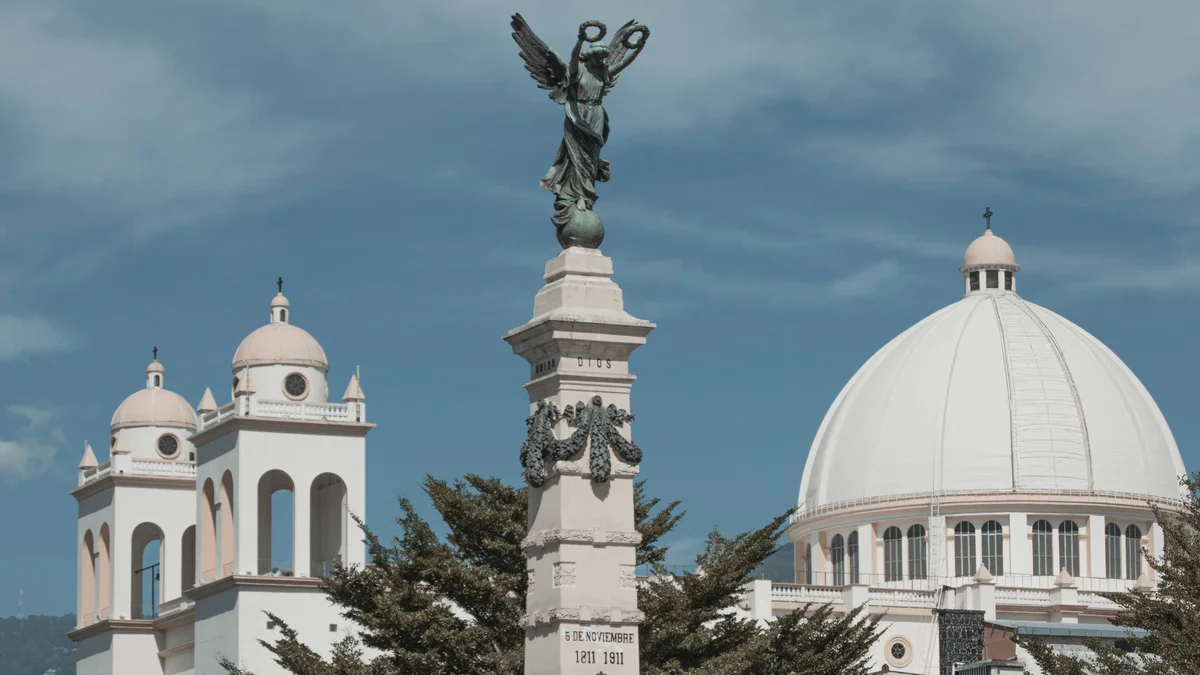
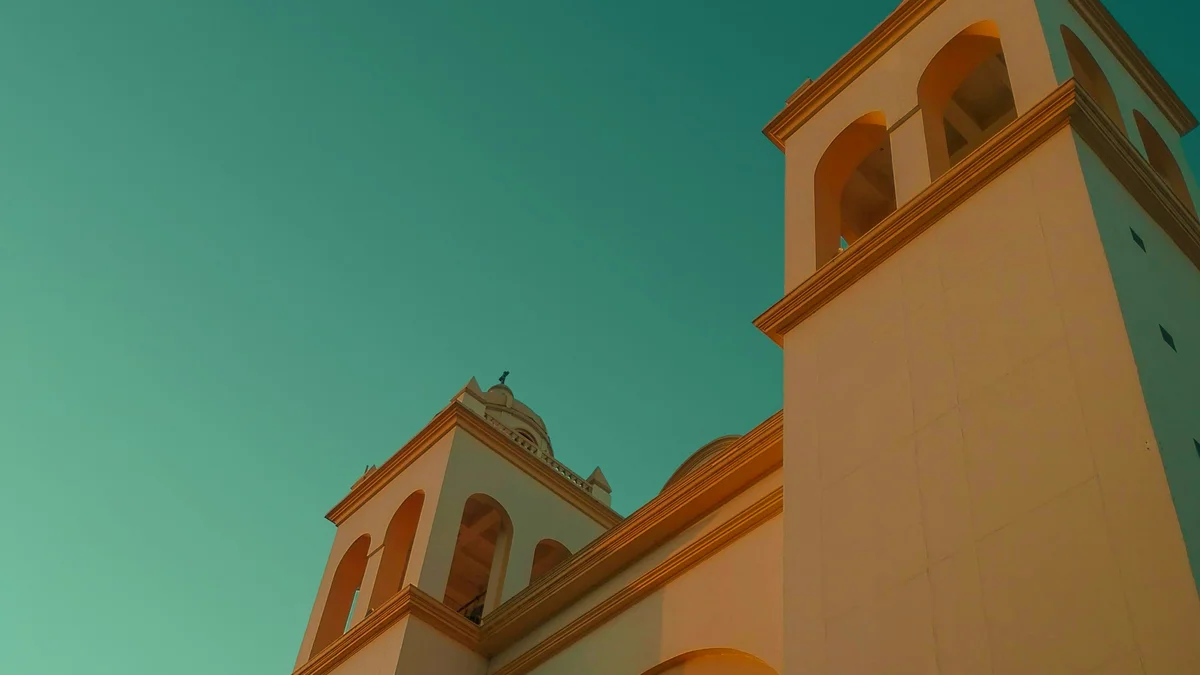
The neo-Gothic cathedral on Plaza Barrios in San Salvador's historic center, seat of the Archdiocese of San Salvador. Its lower-level crypt holds the tomb of Archbishop Óscar Romero, assassinated while celebrating Mass in 1980 and canonized a saint by the Catholic Church in 2018 — his tomb remains one of the most visited sites in the country.
 Private Tours
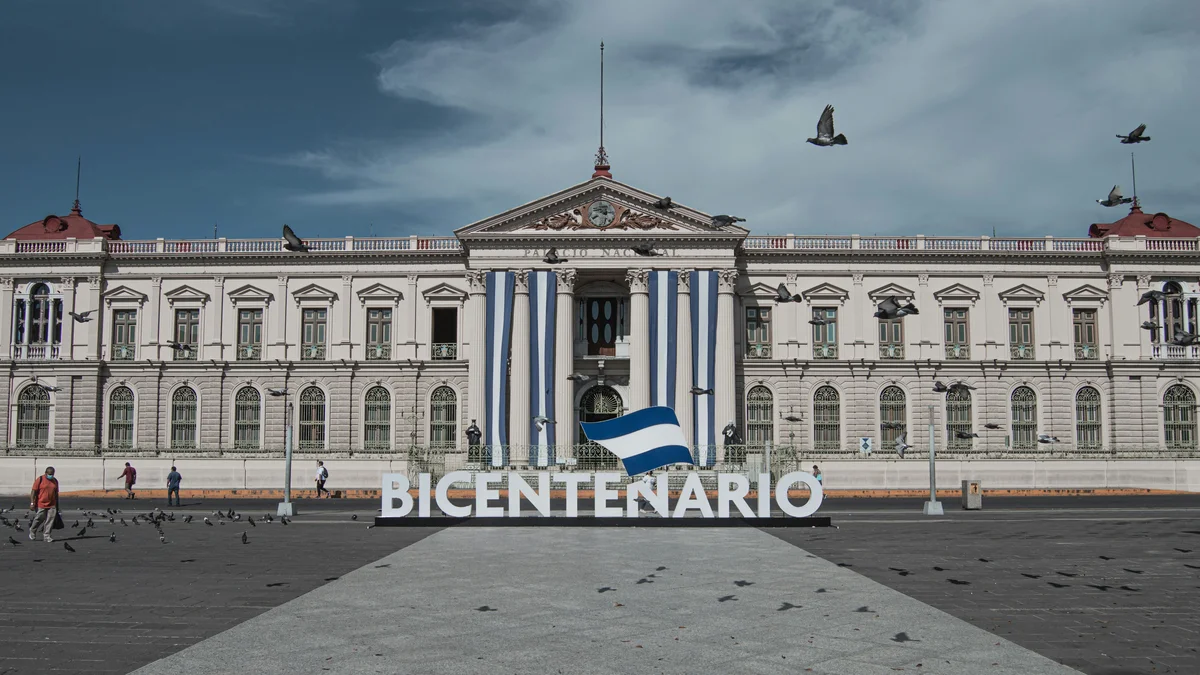
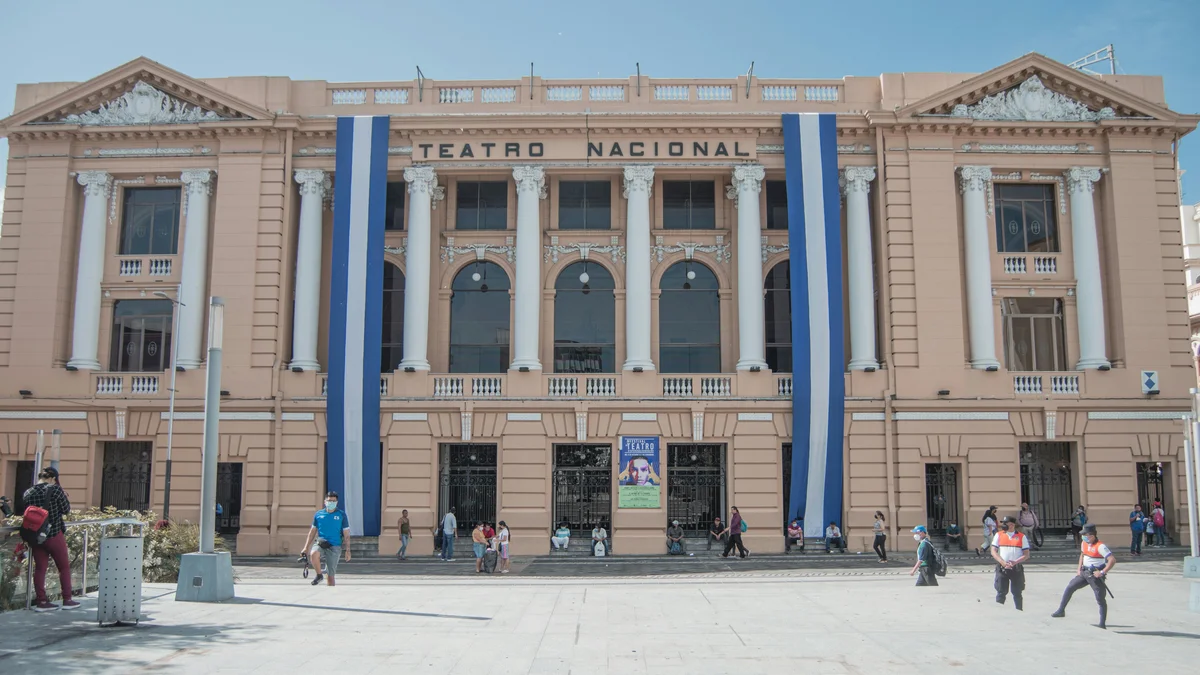
A private guide leads you on foot through San Salvador's historic center: the National Theatre, the Metropolitan Cathedral, Iglesia El Rosario, the neoclassical National Palace, the craft market, and the National Library, learning the capital's history and culture at your own pace.
 Private Tours
A private walking tour of San Salvador's historic squares and markets with a local, street-smart guide, covering the city's civil war history, the crypt of Archbishop Óscar Romero, the National Library, and the capital's real transformation from one of the world's most dangerous cities to one of its safest.
Visitor guide
The Metropolitan Cathedral of the Holy Savior is the cathedral of the Catholic Archdiocese of San Salvador, standing on the north side of Plaza Barrios in the Salvadoran capital. Its crypt holds the tomb of Archbishop Óscar Romero, which has made the building a major pilgrimage site. The cathedral's story is closely tied to the political and religious history of El Salvador.
The site once held the Temple of Santo Domingo, dedicated to St. Dominic. The first cathedral was established in 1842 and was destroyed in an earthquake on 19 March 1873. A second cathedral, a wooden building completed in 1888, served as the seat of the archbishops until it burned on 8 August 1951. According to Wikipedia, for about forty years afterwards the site was left as a bare concrete structure of exposed brick and iron buttresses. In the late 1970s Archbishop Romero chose to defer completion so that funds could go to projects for the poor.
The cathedral's steps and square were the setting for several events in the country's history. On 9 May 1979 security forces reportedly shot 24 demonstrators on the front steps, in what is known as the San Salvador Cathedral Massacre. Romero was assassinated on 24 March 1980, and his funeral on Palm Sunday, 30 March 1980, was marred by a stampede that killed 44 people; gunfire from unidentified attackers was reported but never officially corroborated. After the Chapultepec Peace Accords ended the civil war in 1992, the square became a site of celebration.
The cathedral was completed and inaugurated on 19 March 1999. Salvadoran artist Fernando Llort finished it with a colourful tiled facade, which Wikipedia reports was removed in late December 2012 on the order of the archbishop, with its roughly 2,700 tiles destroyed. The facade surrounds a shrine to the Divine Saviour of the World, a figure of Jesus after the Transfiguration who is the patron of El Salvador. The sculpture is credited to Friar Francisco Silvestre García in 1777.
Inside, the main altar holds an image of the Divine Saviour that tradition says was donated by Holy Roman Emperor Charles V in 1546, resting beneath a four-column baldacchino flanked by statues of Moses and Elijah. Eight large paintings by Andrés García Ibáñez depict scenes from the life of Christ, and the cupola is described as Churrigueresque, about 148 feet high.
Romero's tomb is in the cathedral's crypt. Pope John Paul II knelt and prayed there during his 1983 and 1996 visits, and United States President Barack Obama visited the tomb during a March 2011 trip to Latin America. Romero was canonised as a saint by the Catholic Church in 2018. The tomb remains a major pilgrimage destination for Salvadorans and international visitors alike.
The cathedral faces Plaza Barrios, named after the Salvadoran military hero Gerardo Barrios, with the old National Palace forming the eastern edge of the plaza. Because both buildings sit in the same historic square, they are easily visited together, and a private guided walk can explain how the cathedral, the palace and the surrounding streets reflect the country's religious and civic history.
See every tour and attraction we cover in San Salvador.