TorontoOntario · 36 tours
 Niagara FallsOntario · 25 tours
 New York CityNew York · 30 tours
 Las VegasNevada · 8 tours
 San FranciscoCalifornia · 16 tours
 VancouverBritish Columbia · 17 tours
 DubaiUAE · 54 tours
 Abu DhabiUAE · 5 tours
 Buenos AiresArgentina · 23 tours
 AthensGreece · 31 tours
 AucklandNew Zealand · 38 tours
 CancunMexico · 54 tours
No destinations match “”. Try searching all tours instead — that search understands full questions, not just place names.
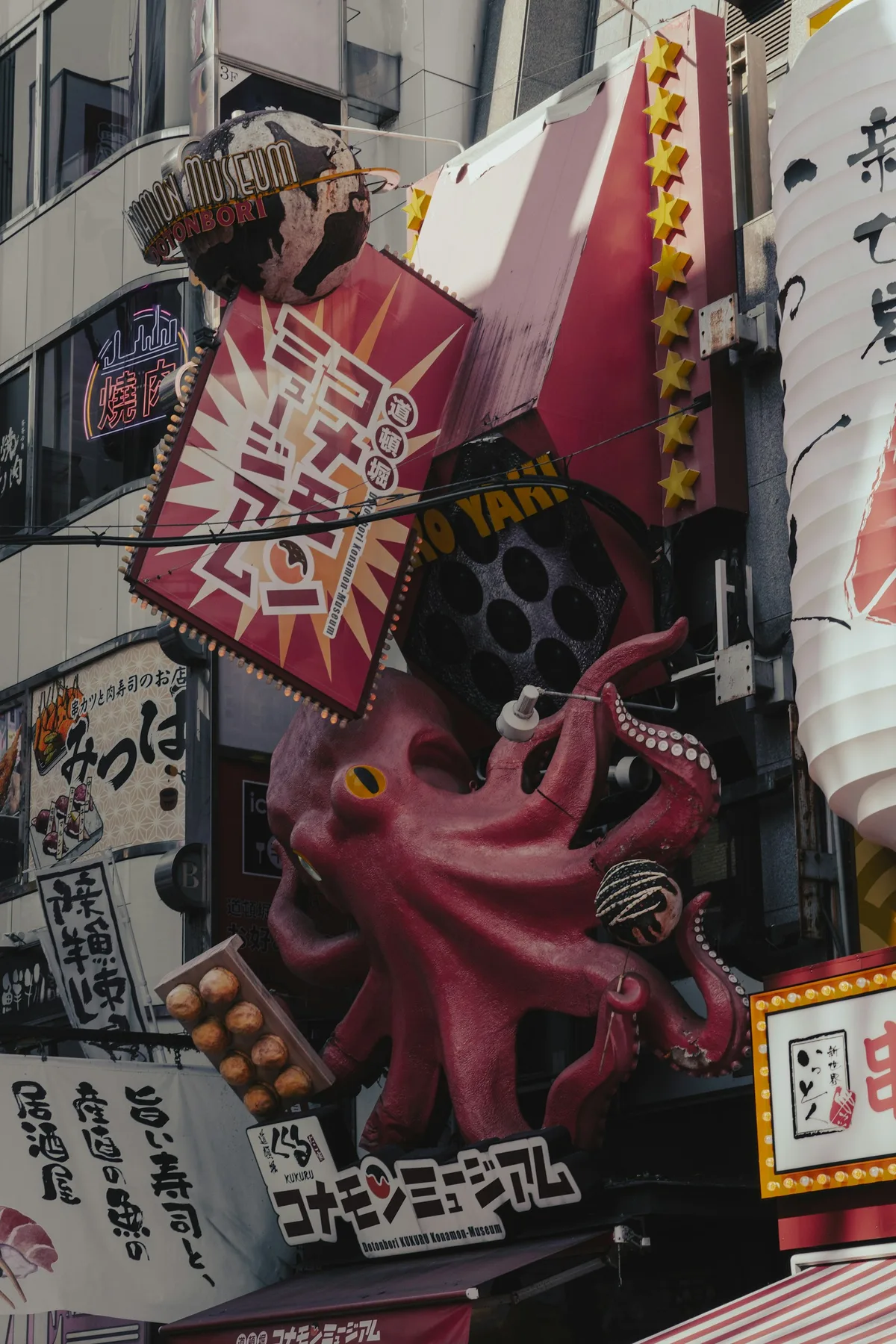
Osaka's neon-lit canal-side entertainment district, famous for oversized illuminated signs, including the running Glico Man, and street food like takoyaki and okonomiyaki.
 Multi-Day Tours
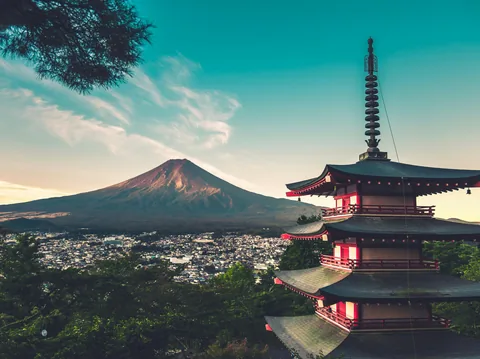
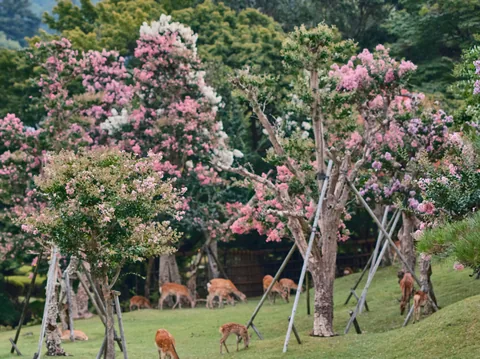
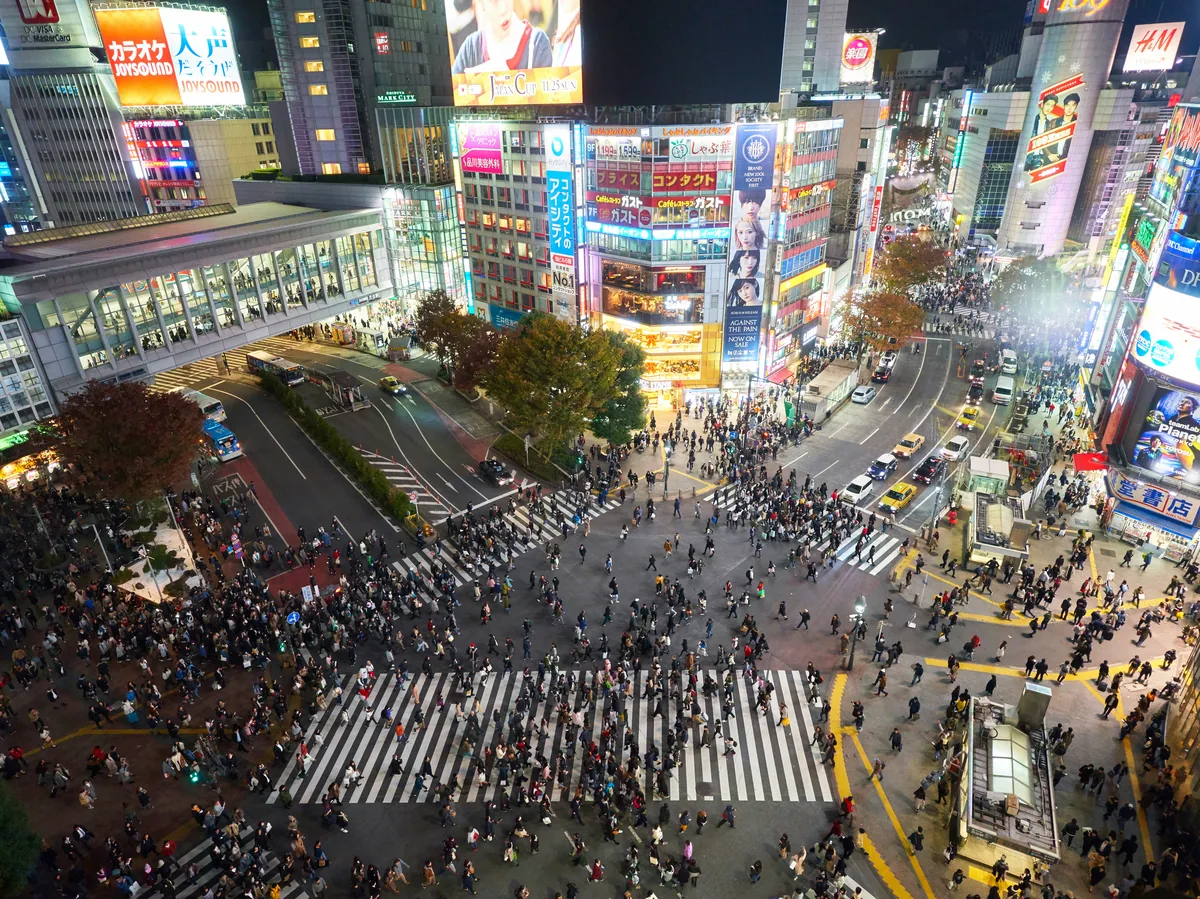
A 12-day route from Tokyo's neighborhoods and teamLab Borderless, through Hakone's Mount Fuji views, into Kyoto's temples, Nara's deer, Hiroshima's Peace Memorial, and Osaka's street food.
 Multi-Day Tours
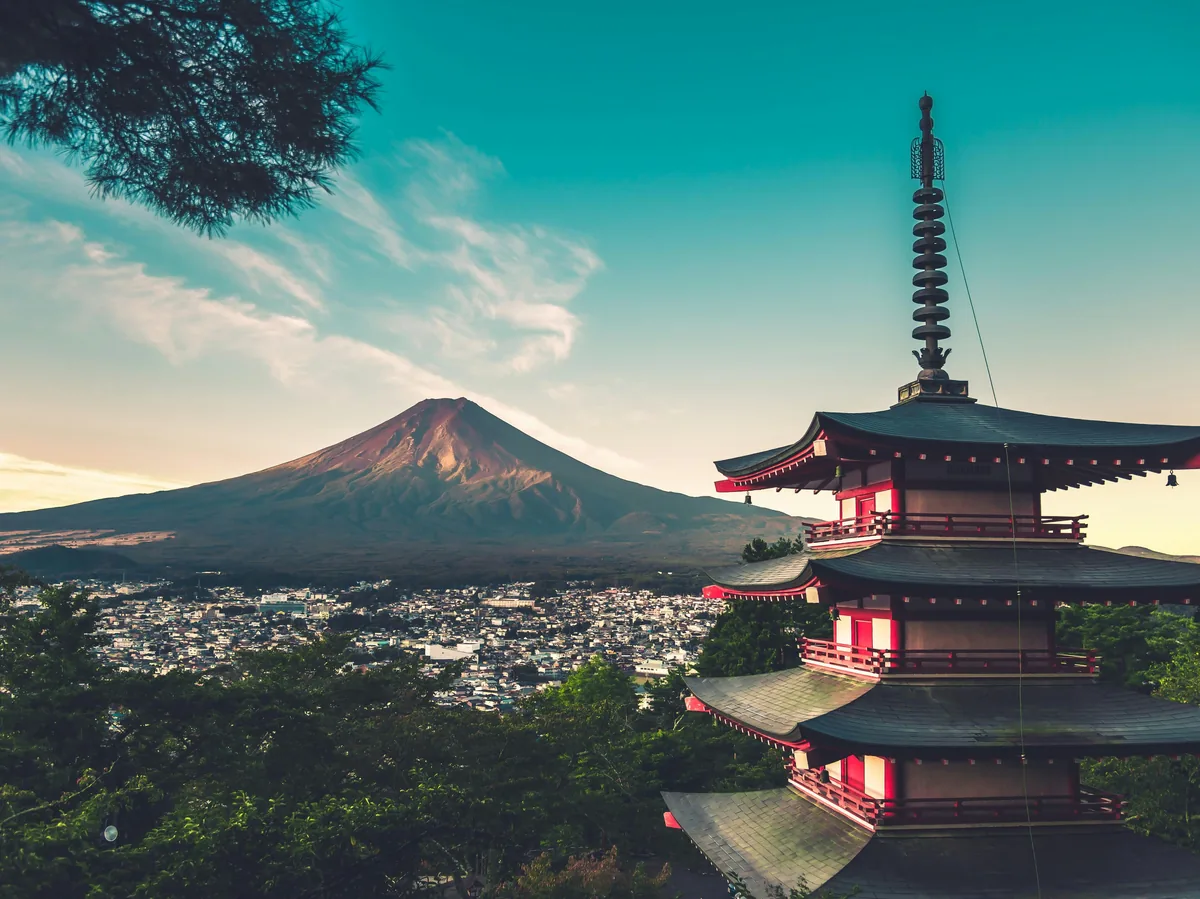
A 10-day family itinerary from Tokyo's kawaii culture and Mount Fuji views to a ninja and samurai experience in Kyoto, Hiroshima's Peace Memorial, and a full day at Universal Studios Japan in Osaka.
 Multi-Day Tours
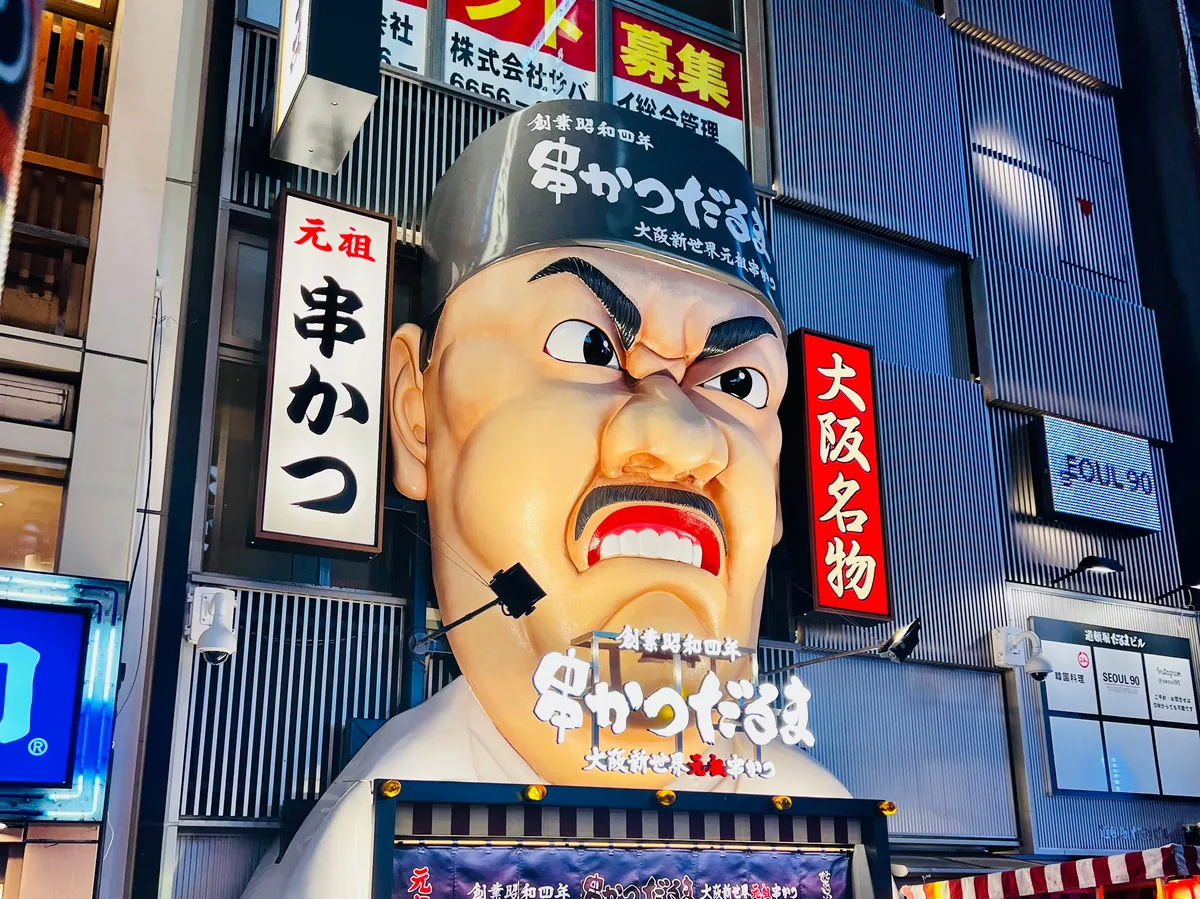
A 10-day food-focused route from Tokyo's Tsukiji Fish Market and a sushi-making class, through a kimono tea ceremony and grand tour of Kyoto, to Kobe beef, sake tasting, and Osaka's Dotonbori food crawl.
Visitor guide
Dotonbori is a district in Osaka, Japan, running along the Dotonbori canal from Dotonboribashi Bridge to Nipponbashi Bridge in the Namba area of Chuo Ward. Historically a theatre district, it is now one of Osaka's principal tourist and nightlife areas, characterized by large illuminated signboards, mechanical restaurant signs and an abundance of street food.
According to Wikipedia, the history of Dotonbori goes back to 1612, when the canal administrator Nariyasu Doton began construction of the canal on the southern edge of Osaka. After he died during the Siege of Osaka in 1615, others continued the work and the canal was completed by September 1615. The new lord of Osaka Castle, Matsudaira Tadaaki, named the canal and the avenue beside it Dotonbori, with bori meaning canal. A later story credited the canal to a local entrepreneur called Yasui Doton, but a 1965 court case concluded that this figure was fictional.
The district's character was set in 1621, when the Tokugawa shogunate designated Dotonbori as Osaka's entertainment district. Playhouses and performance tents were drawn to the area, and by 1662 the avenue boasted six Kabuki theatres and five Bunraku puppet theatres, as well as a mechanical puppet theatre. Restaurants and cafes grew up to serve the crowds. Most of the original theatres were destroyed during World War II, with the exception of the Osaka Shochikuza.
One of the best-known features is the Glico Man, an illuminated billboard of a runner crossing a finish line with both arms raised. It was originally installed in 1935 by the confectionery company Ezaki Glico to promote its caramel candy. The sign has been altered on several occasions to mark events, and the current version, the sixth, uses LEDs and was installed in October 2014. The earlier five used neon.
Other signs have become landmarks in their own right. The Kani Doraku restaurant's mechanised crab, about six and a half metres long, can move its arms and eyestalks; Wikipedia says the original mechanical sign dates from 1960 and spawned imitations such as a squid that puffs steam. In front of the former Cui-daore building stands Kuidaore Taro, a drum-playing mechanical clown installed in 1950. A Ferris wheel built into the facade of a discount-store branch, Ebisu Tower, reaches a height of 77 metres.
Dotonbori is closely associated with the proverb kuidaore, which means ruin yourself with food and appears in the saying that people ruin themselves with clothes in Kyoto and with meals in Osaka. Foods associated with Osaka and kuidaore include okonomiyaki, takoyaki and kitsune udon. The district has a wide range of restaurants, from takoyaki stands and ramen shops to crab restaurants and a long-established udon restaurant that has served diners since 1946. Because trading hours, menus and venues change over time, it is best to check current listings rather than rely on any single recommendation.
The canal is crossed by footbridges that connect Dotonbori to the neighbouring Namba and Shinsaibashi shopping districts. Ebisubashi, just east of the Glico Man, is a popular gathering point and the subject of a baseball superstition about the Hanshin Tigers. A canal-side promenade of 170 metres between Tazaemonbashi and Ebisubashi opened to the public in 2004, which turned storefronts toward the water for the first time.
The district is at its most atmospheric after dark, when the signs light up and the canal reflects them. It can be very crowded, so a private guided visit can help with navigating the lanes, choosing food stops and adding context on Osaka's theatre history.
See every tour and attraction we cover in Japan.