TorontoOntario · 36 tours
 Niagara FallsOntario · 25 tours
 New York CityNew York · 30 tours
 Las VegasNevada · 8 tours
 San FranciscoCalifornia · 16 tours
 VancouverBritish Columbia · 17 tours
 DubaiUAE · 54 tours
 Abu DhabiUAE · 5 tours
 Buenos AiresArgentina · 23 tours
 AthensGreece · 31 tours
 AucklandNew Zealand · 38 tours
 CancunMexico · 54 tours
No destinations match “”. Try searching all tours instead — that search understands full questions, not just place names.
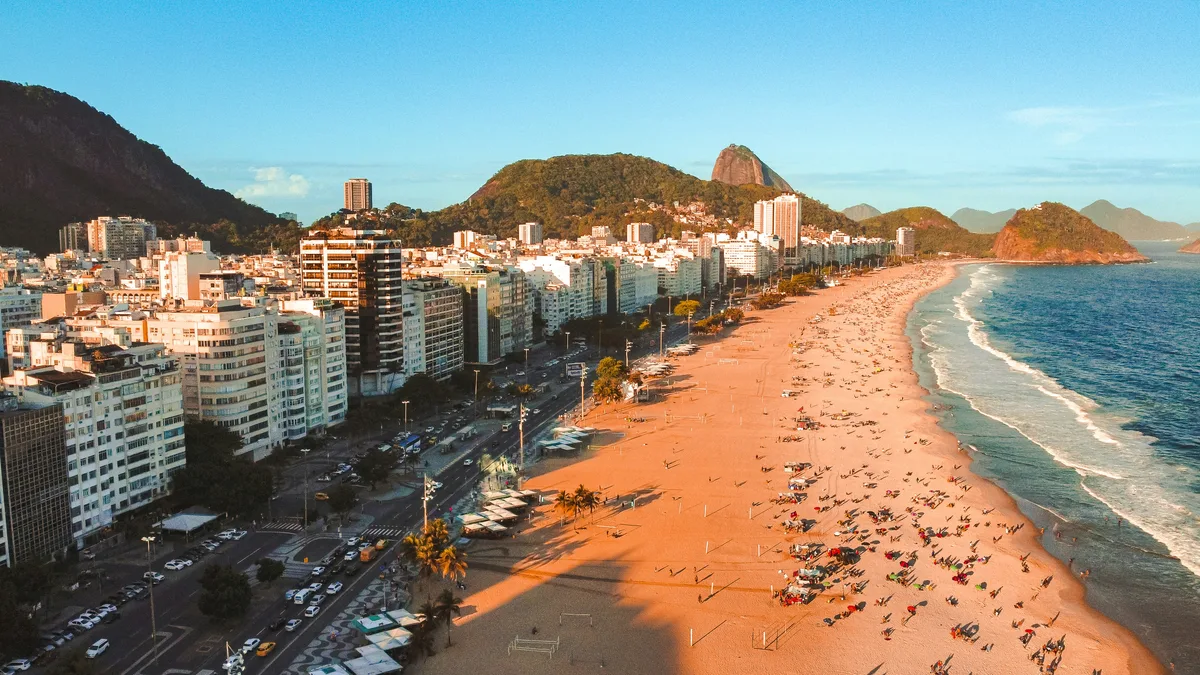
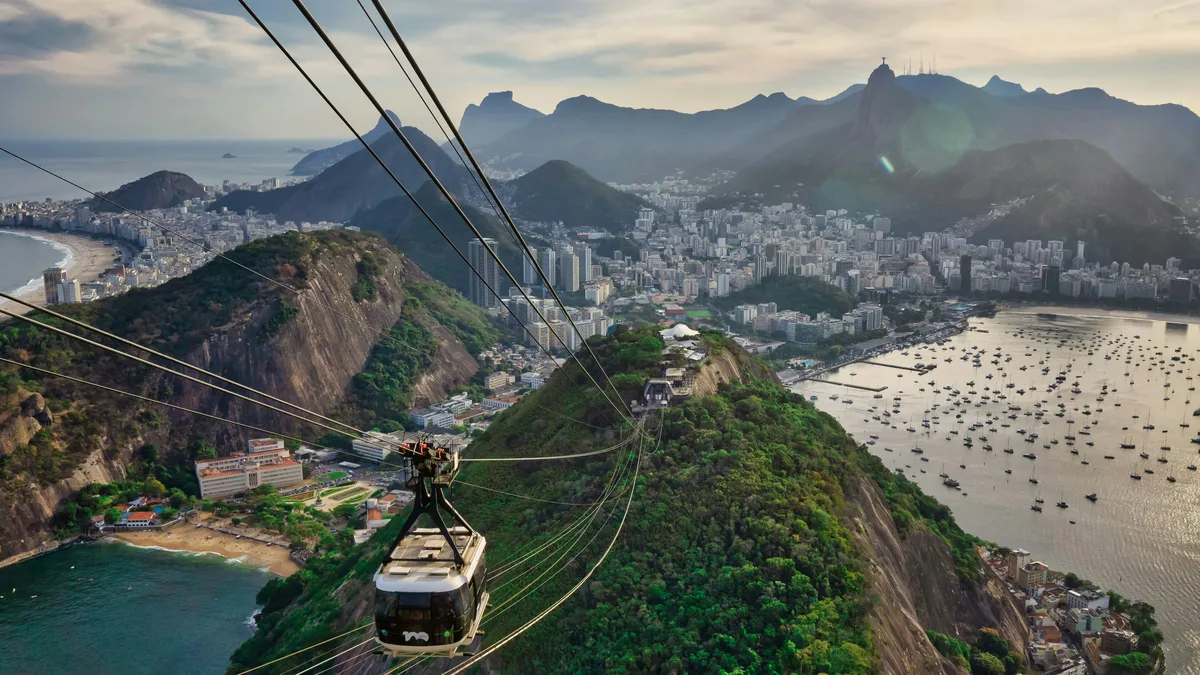
This 4-kilometer arc of white sand, framed by its famous black-and-white wave-pattern promenade, has been Rio's most iconic beach since the 1920s. Lined with hotels, kiosks, and beach volleyball courts, Copacabana remains the city's classic beachfront, with Sugarloaf Mountain visible at its northern end.
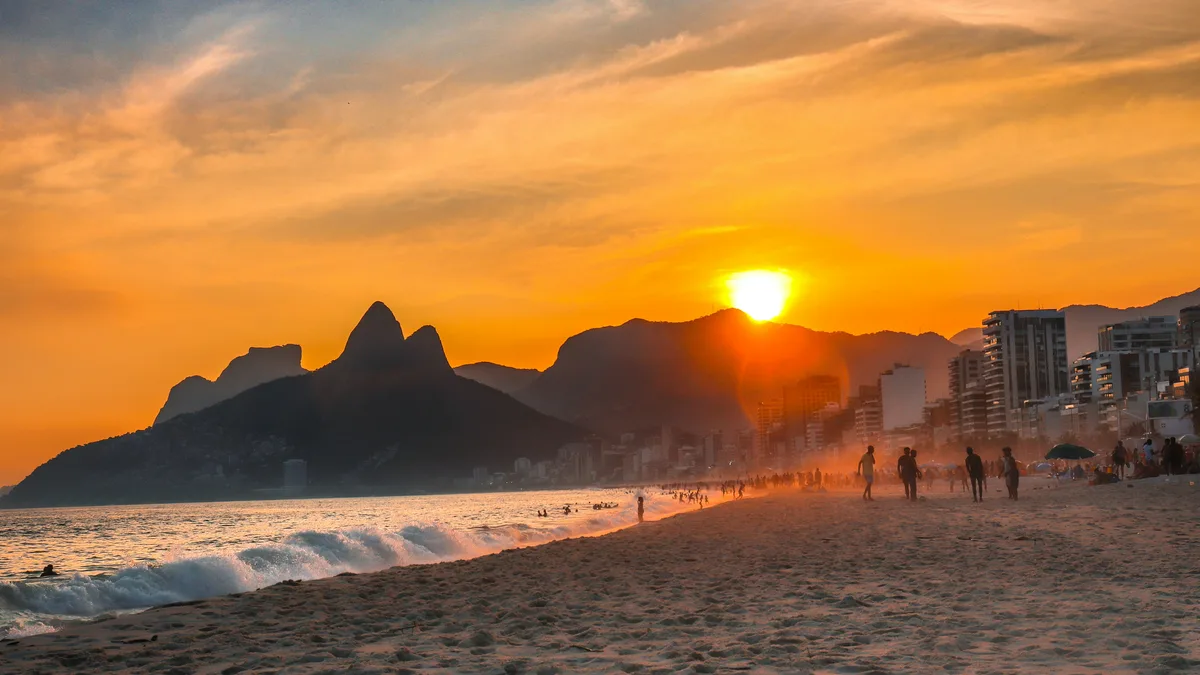 Private Tours
A fully customized private sightseeing tour where you and your local guide decide which sights to prioritize, from Copacabana and Ipanema to Santa Teresa and the historic center.
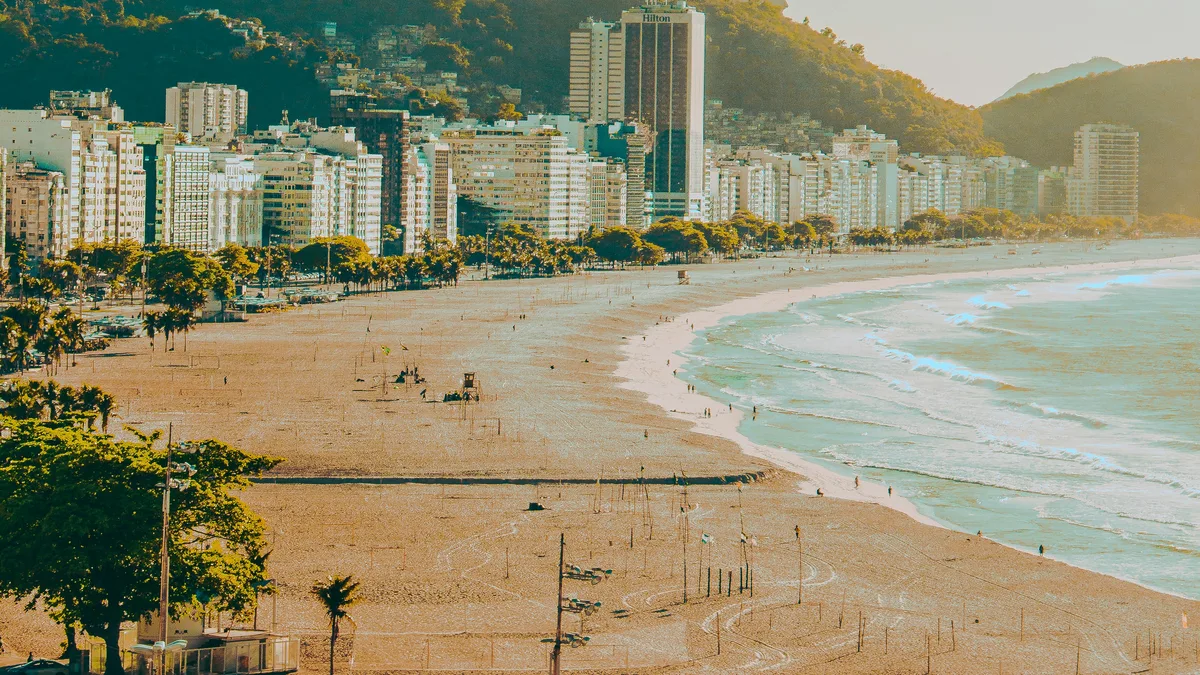 Private Tours
A private tour to four off-the-beaten-path viewpoints — Parque do Penhasco, the Chinese Pagoda, Mirante Dona Marta, and Parque das Ruínas — away from the crowds at Rio's main attractions.
 Private Tours
A private sightseeing overview covering historic downtown, bohemian Santa Teresa, and Rio's legendary beaches — Ipanema, Copacabana, and Leblon — built for travelers finishing a cruise in Rio.
Visitor guide
Copacabana is a neighbourhood in the South Zone of Rio de Janeiro, Brazil, famous for its crescent beach of about four kilometres and its black-and-white wave-patterned promenade. It is one of the best-known beaches in the world and the stage for major public events such as New Year's Eve celebrations.
Wikipedia says the area was originally called Sacopenapã, a Tupi term meaning the way of the socós, a type of heron, until the mid-eighteenth century. It was renamed after a chapel was built holding a replica of Our Lady of Copacabana, the patron saint of Bolivia.
The beach runs from Posto Dois to Posto Seis, with Leme beginning at Posto Um. Fort Copacabana, built in 1914, stands at the southern end, and Fort Duque de Caxias, built in 1779, at the northern end. Beyond lie Diabo Beach, Arpoador, popular with surfers, and then Ipanema.
The paved promenade is about four kilometres long and was rebuilt in 1970. Its black-and-white Portuguese pavement wave pattern dates to the 1930s and is credited to Roberto Burle Marx. On Sundays and holidays one side of Avenida Atlântica is closed to cars, creating more space for walkers and cyclists.
Copacabana is densely built. Wikipedia gives a population of about 160,000 across 5.2 square kilometres, with residential buildings typically eleven to thirteen storeys high, and notes that more than a quarter of residents are aged 60 or older. Three metro stations and many bus routes serve it.
New Year's Eve celebrations on the beach, known as Réveillon, date to the 1950s, when Afro-Brazilian religious groups held ritual gatherings on the sand. The first fireworks display came in 1976, and concerts were added from 1993 to 1994. Wikipedia reports that about two million people attend, and that Rod Stewart's 1994 concert drew an estimated 4.5 million, listed as a record concert crowd.
The beach hosted beach volleyball at the 2016 Summer Olympics, 11 of the 15 FIFA Beach Soccer World Cups, and the final mass of World Youth Day 2013, which drew about three million people according to the article.
Copacabana sits in a chain of South Zone beaches, and its two forts bracket the sand with centuries of coastal defence history between them. Wikipedia counts 63 hotels and 10 hostels in the neighbourhood as of 2007, and notes that the area was one of four Olympic zones for the 2016 Summer Olympics. This mix of residential life, tourism and large public events gives the beach a character that is quite different from the quieter coves elsewhere along Rio's coast.
Copacabana suits a relaxed walk along the promenade and sand at any time of year. A private driver and guide can combine it with Sugarloaf, Christ the Redeemer or Ipanema, and advise on the best times of day to visit.
See every tour and attraction we cover in Rio de Janeiro.