TorontoOntario · 36 tours
 Niagara FallsOntario · 25 tours
 New York CityNew York · 30 tours
 Las VegasNevada · 8 tours
 San FranciscoCalifornia · 16 tours
 VancouverBritish Columbia · 17 tours
 DubaiUAE · 54 tours
 Abu DhabiUAE · 5 tours
 Buenos AiresArgentina · 23 tours
 AthensGreece · 31 tours
 AucklandNew Zealand · 38 tours
 CancunMexico · 54 tours
No destinations match “”. Try searching all tours instead — that search understands full questions, not just place names.
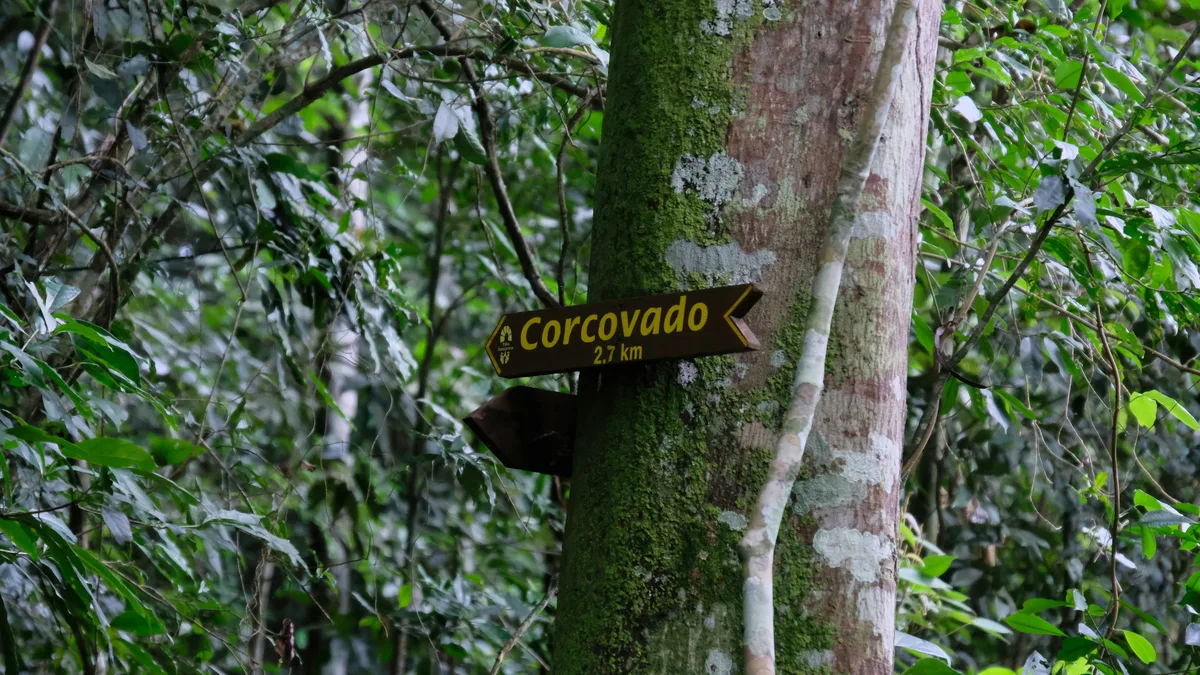
Tijuca National Park protects what is often described as one of the world's largest urban rainforests (a title disputed by Johannesburg), a hand-replanted Atlantic Forest covering nearly 4,000 hectares within Rio's city limits. Trails wind past waterfalls, caves, and viewpoints including the Chinese View and Corcovado's own summit, with wildlife such as toucans and marmosets among its dense green canopy.
 Private Tours
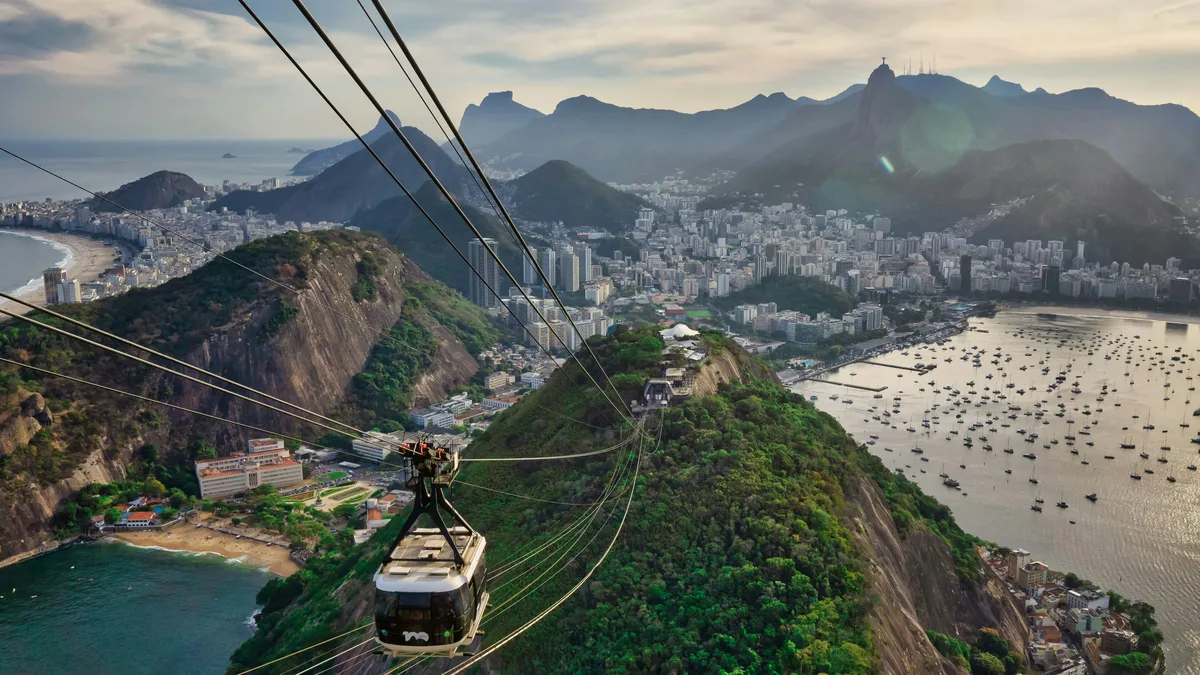
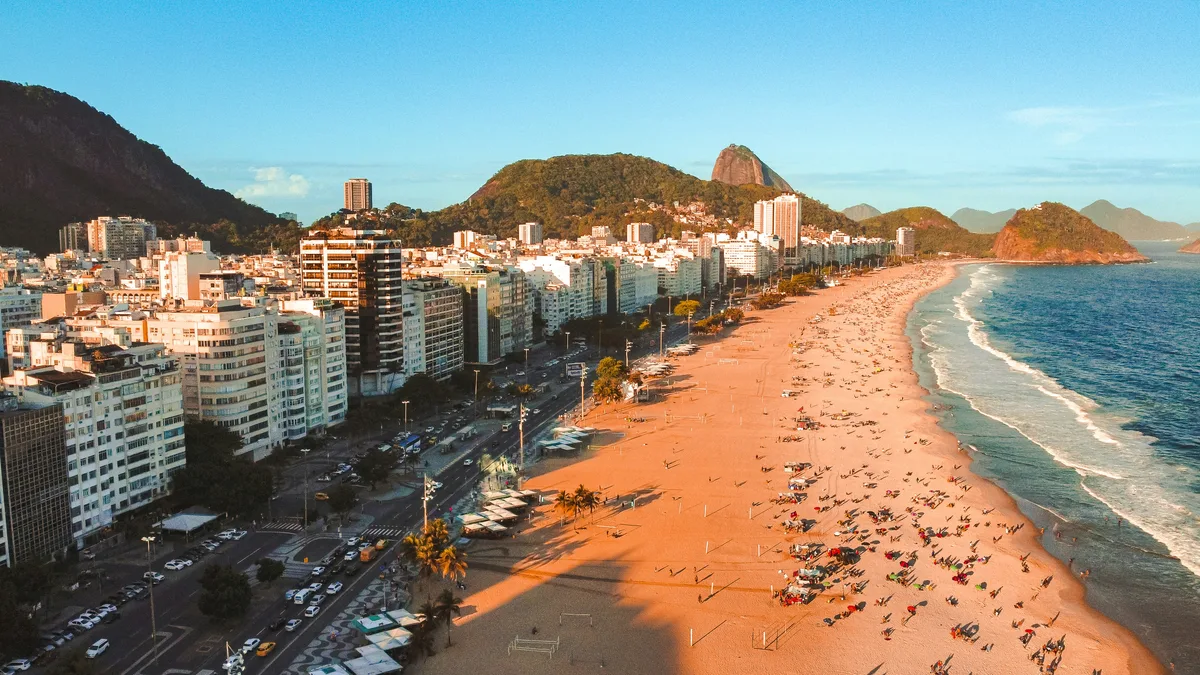
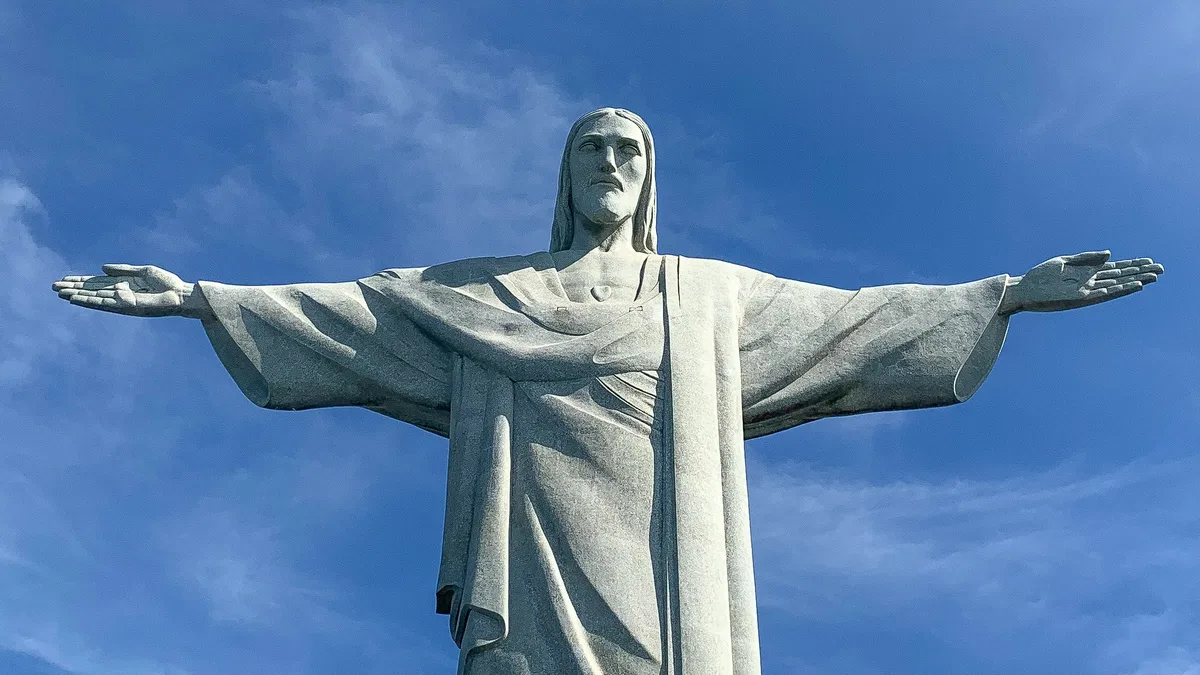
A fully customizable full-day private tour visiting the landmarks you choose most, from Christ the Redeemer to Sugarloaf Mountain and the city's famous beaches.
 Private Tours
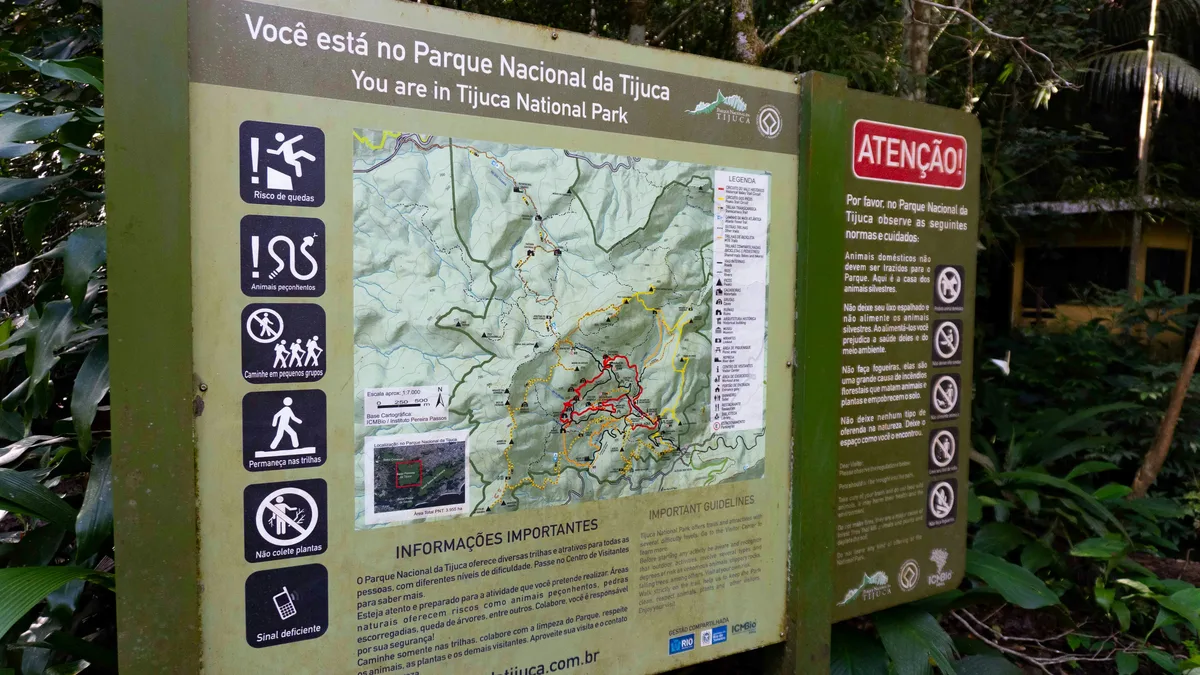
Climb to the summit of Tijuca Peak inside Tijuca National Park for panoramic views over Maracanã, Barra da Tijuca, and Pedra da Gávea, guided by a local hiking specialist.
Visitor guide
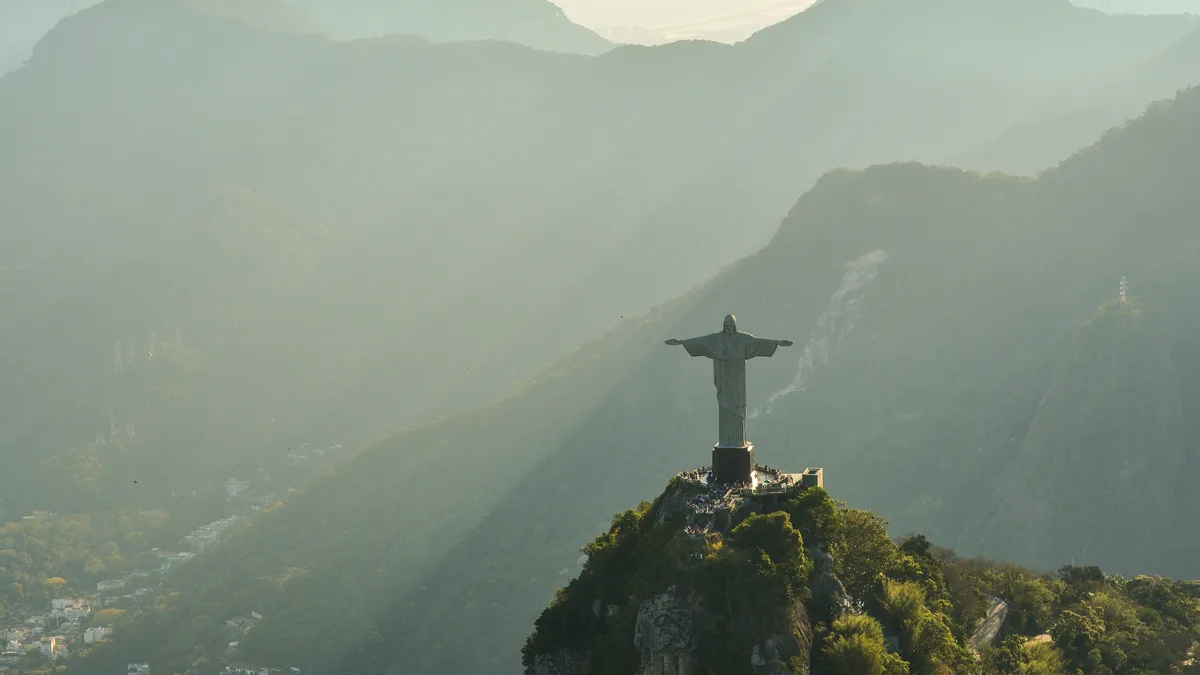
Tijuca National Park is an urban national park in the mountains of Rio de Janeiro, Brazil, protecting a large Atlantic Forest within the city. It is part of the Atlantic Forest Biosphere Reserve and contains Corcovado, the site of Christ the Redeemer.
Wikipedia gives the park an area of about 3,958 hectares, and it was established in 1961. The forest is largely a restoration story. Trees in the area were cleared in the 1700s for fuel, coffee and livestock, leading to water shortages and flash floods. In 1817 King Dom João VI decreed protection for trees around the springs of the Carioca River, and in 1861 Emperor Pedro II placed the area under federal control.
Replanting was carried out by forest manager Major Manuel Gomes Archer with six enslaved workers. Between 1861 and 1887 more than 100,000 trees were planted, prioritising native hardwoods. The article notes that scientists estimate the dense vegetation lowers ambient temperatures in surrounding areas by up to 9 degrees Celsius.
The park lies in the Tijuca Massif, whose notable peaks include Pedra da Gávea, Corcovado and Pico da Tijuca. About 30 waterfalls are found in the forest. Landmarks include Christ the Redeemer, the Cascatinha waterfall, the Mayrink Chapel with murals by Cândido Portinari, the pagoda-style gazebo at Vista Chinesa, and Mesa do Imperador, a giant granite table.
Hiking destinations include Pico da Tijuca, Bico do Papagaio, the Excelsior lookout and the Bat's Cave.
More than 230 animal and bird species live in the park, including capuchin monkeys, coatis, agoutis, marmosets, hummingbirds and thrushes. The critically endangered tree Annona ferruginea is described as endemic to the park. Human-set fires and invasive flammable grasses are noted as ongoing threats.
The park was included in the Carioca Mosaic, established in 2011, and in 2012 UNESCO designated the surrounding landscapes of Rio de Janeiro as a World Heritage Site. Wikipedia notes the claim that it is the world's largest urban forest, but says Johannesburg disputes this, so the claim is best treated as contested.
The forest divides Rio's North and South Zones as well as separating the West Zone, so it shapes the city's geography as well as its climate. Visitors who travel through it often encounter the Cascatinha waterfall and the Mayrink Chapel before reaching the higher viewpoints. Wikipedia reports that the park received more than 3.3 million visitors in 2016, which reflects how central the forest is to everyday life in Rio as well as to tourism.
The forest separates Rio's West Zone from the rest of the city and offers cooler, shaded scenery close to the beaches. A private guided visit with a driver and guide helps cover the park's scattered viewpoints and waterfalls, and explains the story of the replanted forest.
See every tour and attraction we cover in Rio de Janeiro.