TorontoOntario · 36 tours
 Niagara FallsOntario · 25 tours
 New York CityNew York · 30 tours
 Las VegasNevada · 8 tours
 San FranciscoCalifornia · 16 tours
 VancouverBritish Columbia · 17 tours
 DubaiUAE · 54 tours
 Abu DhabiUAE · 5 tours
 Buenos AiresArgentina · 23 tours
 AthensGreece · 31 tours
 AucklandNew Zealand · 38 tours
 CancunMexico · 54 tours
No destinations match “”. Try searching all tours instead — that search understands full questions, not just place names.
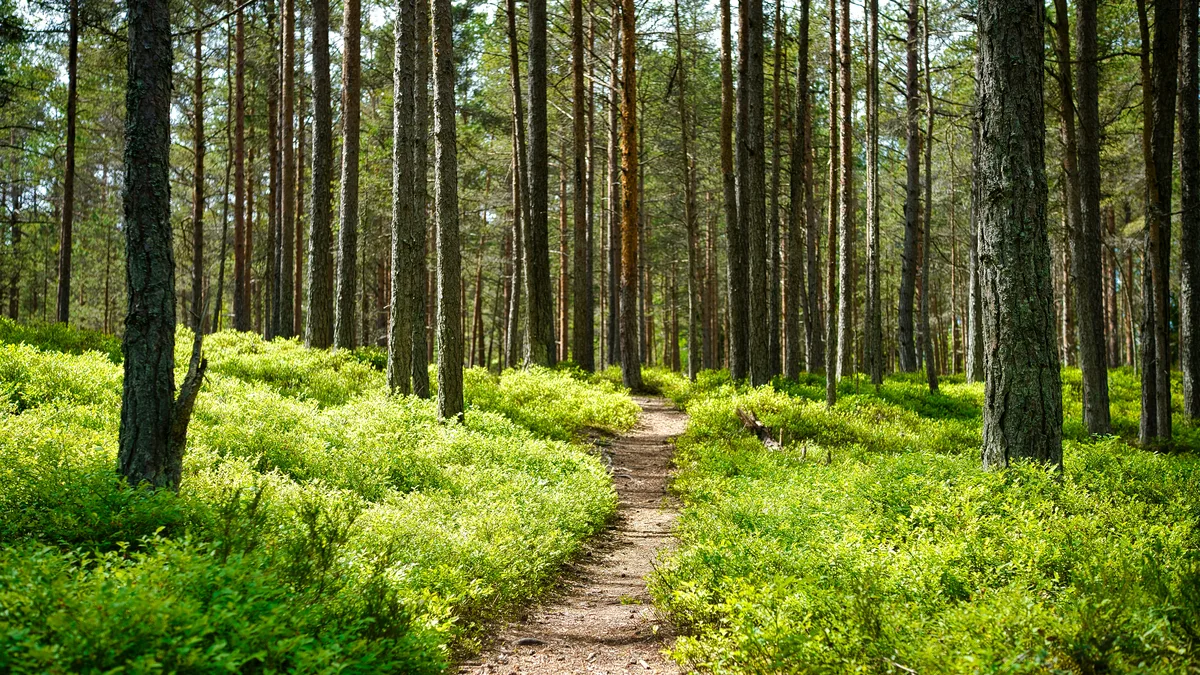
A large nature reserve in the mountains above Medellin, reached by riding the city's Metrocable and a connecting cable-car line up from the valley floor. The park protects real Andean cloud forest with lakes, streams, and hiking trails, and is home to a wide range of native bird species.
 Private Tours
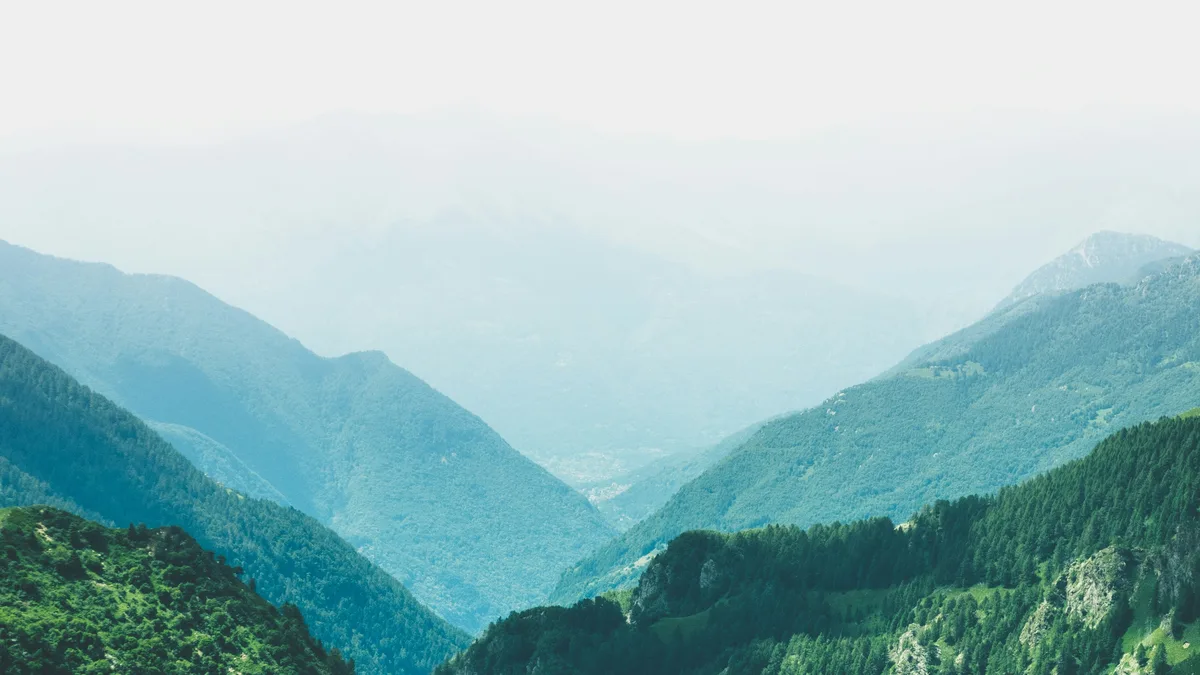
A private tour into Parque Arvi, a large nature reserve above Medellin with lakes, waterfalls, and forest trails, reached by riding the city's real Metrocable and Arvi cable-car lines.
 Private Tours
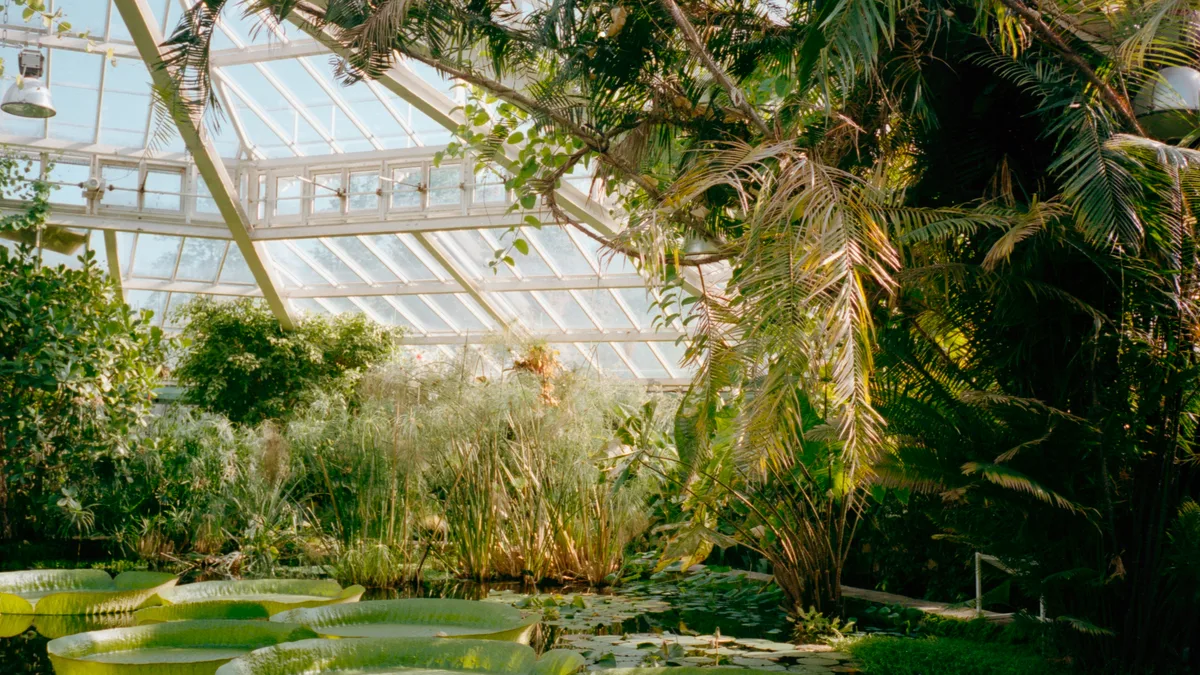
A private tour contrasting Medellin's urban core with its natural surroundings: a guided walk through the Botanical Garden downtown, then a Metrocable ride up to the forest trails of Parque Arvi.
Visitor guide
Parque Arvi is a large nature reserve and archaeological area on the eastern slopes of the Aburra Valley, in the mountains above Medellin, Colombia. It extends into several municipalities and is reached from the city by the Metrocable line known as Cable Arvi.
According to Wikipedia, Arvi Park, also called the Ecotourism Park Arvi, is both an ecological nature preserve and a pre-Hispanic archaeological site. It lies in the northeast of Medellin and also covers parts of Envigado, Bello and Copacabana. The Medellin municipal government gives the park's extent as about 1,761 hectares, although Wikipedia cites about 16,000 hectares of which 1,760 are natural forest, and the park has some 54 miles of walkable trails.
The park is known for wildflowers, butterflies and trails, and activities include hiking, nature tours, cycling and outdoor adventure sports. An outdoor food market stands next to the cable car station, and a nearby ecological hotel, Piedras Blancas, has a private reserve beside the park.
The park was developed entirely by regional public agencies and companies, including EPM, the Metro de Medellin and Comfenalco. Wikipedia reports that it raised the amount of green space per resident in Medellin from about 4 square metres to 12 square metres. It forms part of the city's strategy of linking its hillside areas with the urban core.
Arvi preserves traces of pre-Hispanic construction, including old buildings, water works, platforms, roads, gardens and ditches. A route called the Camino Cieza de Leon, or the Prehispanic Trail, is thought to be more than 1,500 years old. It is wide and built of stone, and parts of the original surface are still well preserved. Walking it gives a sense of how long people have travelled through the hills above Medellin.
The approach is part of the experience. According to Wikipedia, the park can be reached from downtown Medellin via the metro, where a line connects to Arvi Station with a direct link to the Metrocable. Cable Arvi, also called Metrocable Line L, connects the Santo Domingo Savio station with the Arvi Ecotourism Park. It is described as the first tourist line of the Metro system and the third cable car line, and it began commercial operation in February 2010. The ride rises from the city's hillside neighbourhoods to the park, and the gondola itself is oriented towards ecological tourism rather than daily commuting.
Because the park sits in the mountains above the valley, the air is generally cooler than in the city centre, so a light layer and sturdy shoes are advisable. Trails range from short walks to longer routes, and local guides can show visitors the pre-Hispanic path, the plants and the birds. The outdoor food market beside the station is a natural place to pause. A private guided visit can combine the cable car ride with a walk and lunch, with transfers arranged to and from the metro stations by a driver.
See every tour and attraction we cover in Medellin.