TorontoOntario · 36 tours
 Niagara FallsOntario · 25 tours
 New York CityNew York · 30 tours
 Las VegasNevada · 8 tours
 San FranciscoCalifornia · 16 tours
 VancouverBritish Columbia · 17 tours
 DubaiUAE · 54 tours
 Abu DhabiUAE · 5 tours
 Buenos AiresArgentina · 23 tours
 AthensGreece · 31 tours
 AucklandNew Zealand · 38 tours
 CancunMexico · 54 tours
No destinations match “”. Try searching all tours instead — that search understands full questions, not just place names.
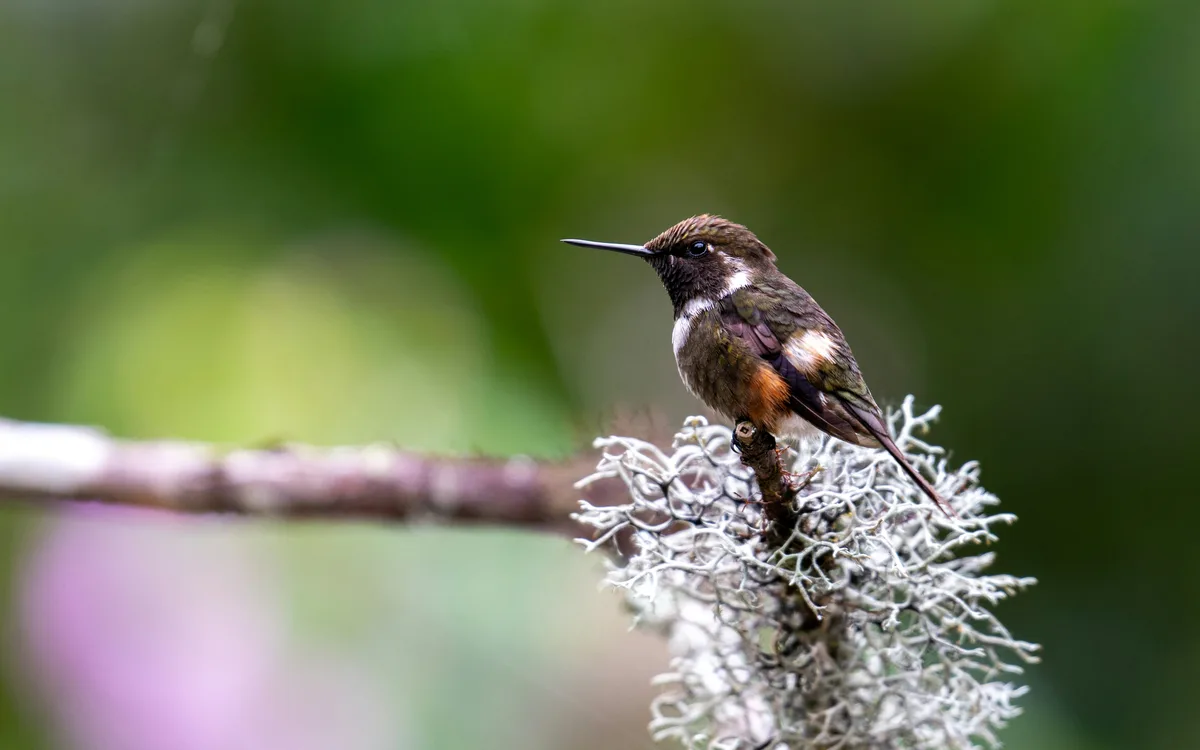
A cloud forest reserve a couple of hours from Quito on the western slope of the Andes, known for hummingbird feeders, butterfly farms, and some of Ecuador's best birdwatching.
 Multi-Day Tours Popular Pick
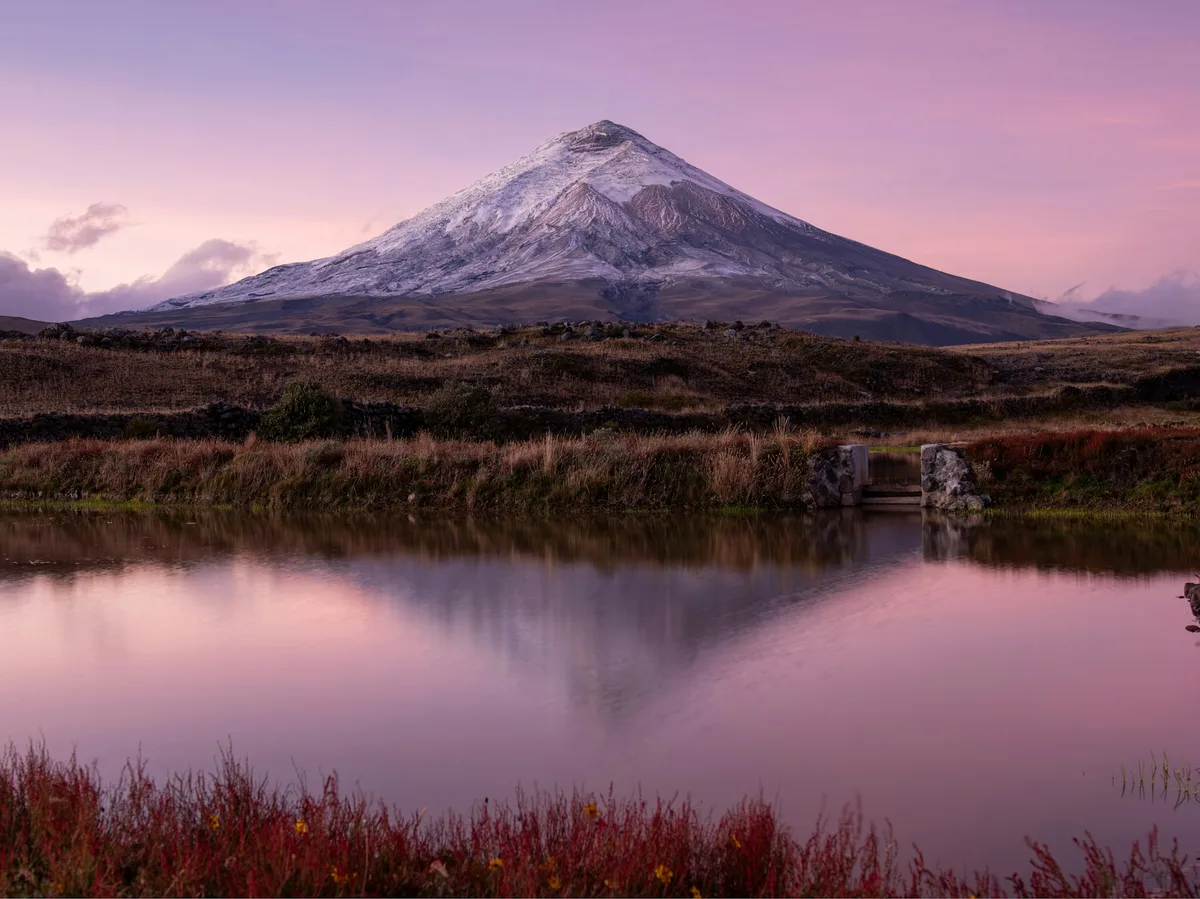
A comprehensive 14-day cross-section of Ecuador — the northern Andes, the Cuyabeno Amazon reserve, and four days island-hopping the Galapagos — built around wildlife and landscape at every stage.
 Multi-Day Tours
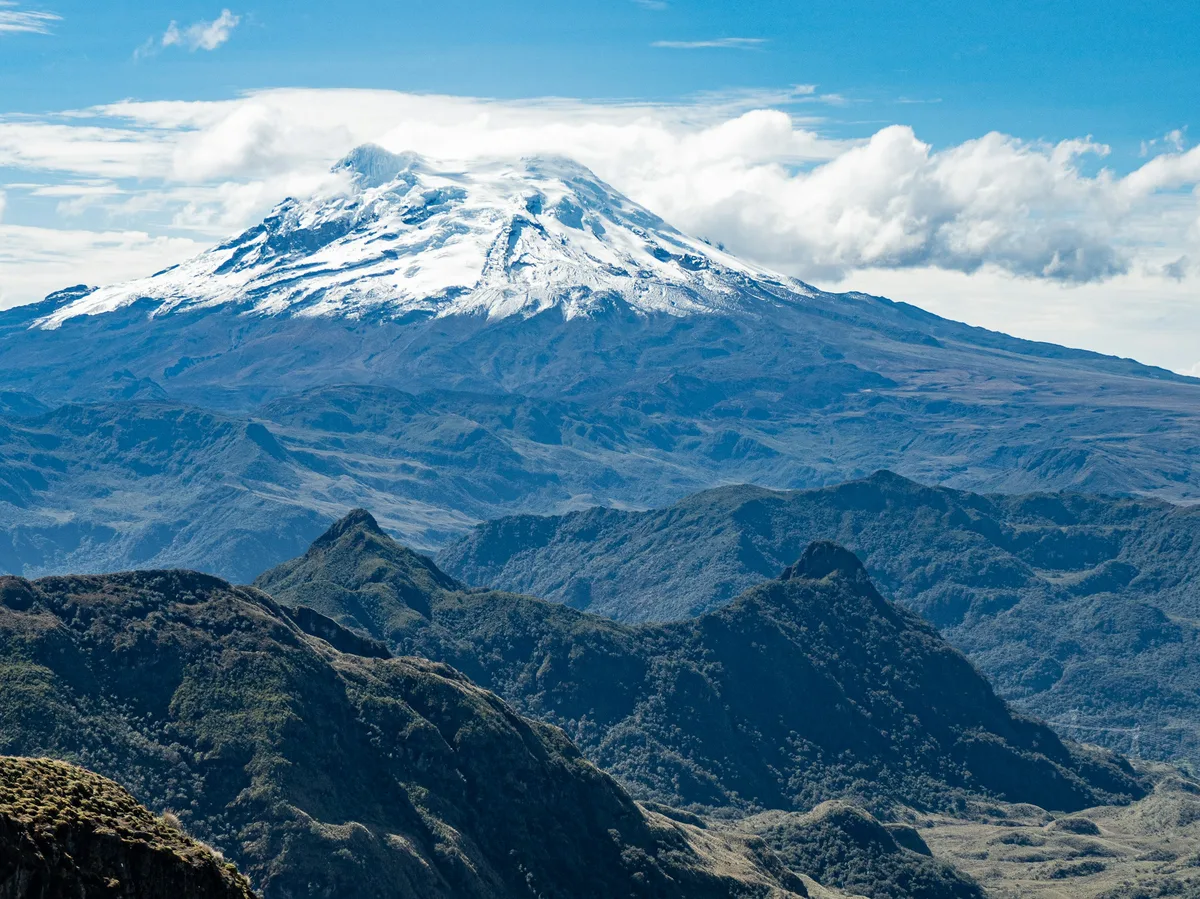
The full picture of Ecuador over 31 days — cloud forest, indigenous markets, Cotopaxi, Quilotoa, Cuenca, the Yasuni Amazon, and a ten-day island-hopping finale across San Cristóbal, Isabela, and Santa Cruz.
 Multi-Day Tours
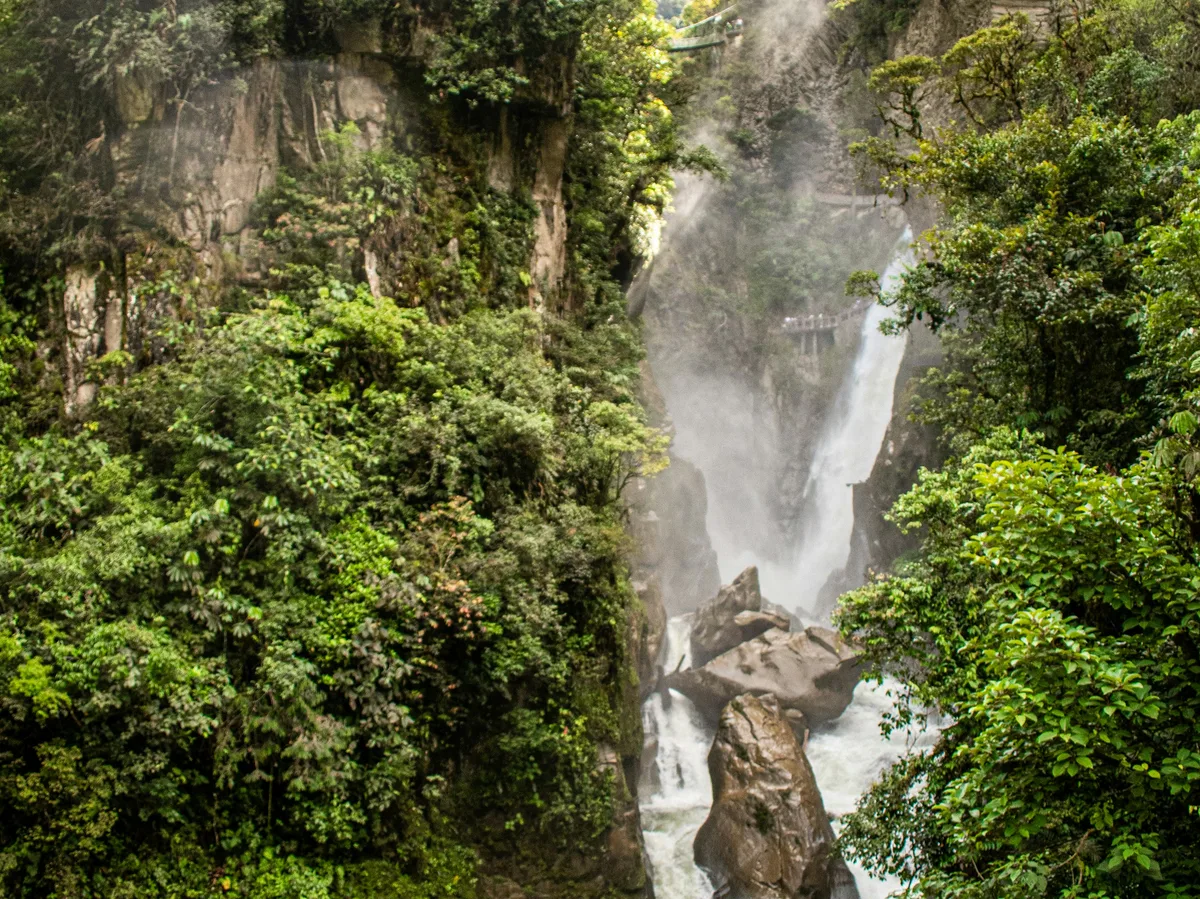
An adrenaline-focused 8-day circuit from Quito through Mindo, Cotopaxi, Baños, Misahualli, and Papallacta, combining downhill biking, zip-lining, whitewater rafting, and hot springs.
 Multi-Day Tours
A sweeping 26-day mainland circuit — Amazon, cloud forest, Andean markets, Cotopaxi, and colonial cities — followed by six days island-hopping San Cristóbal, Isabela, and Santa Cruz in the Galapagos.
Visitor guide
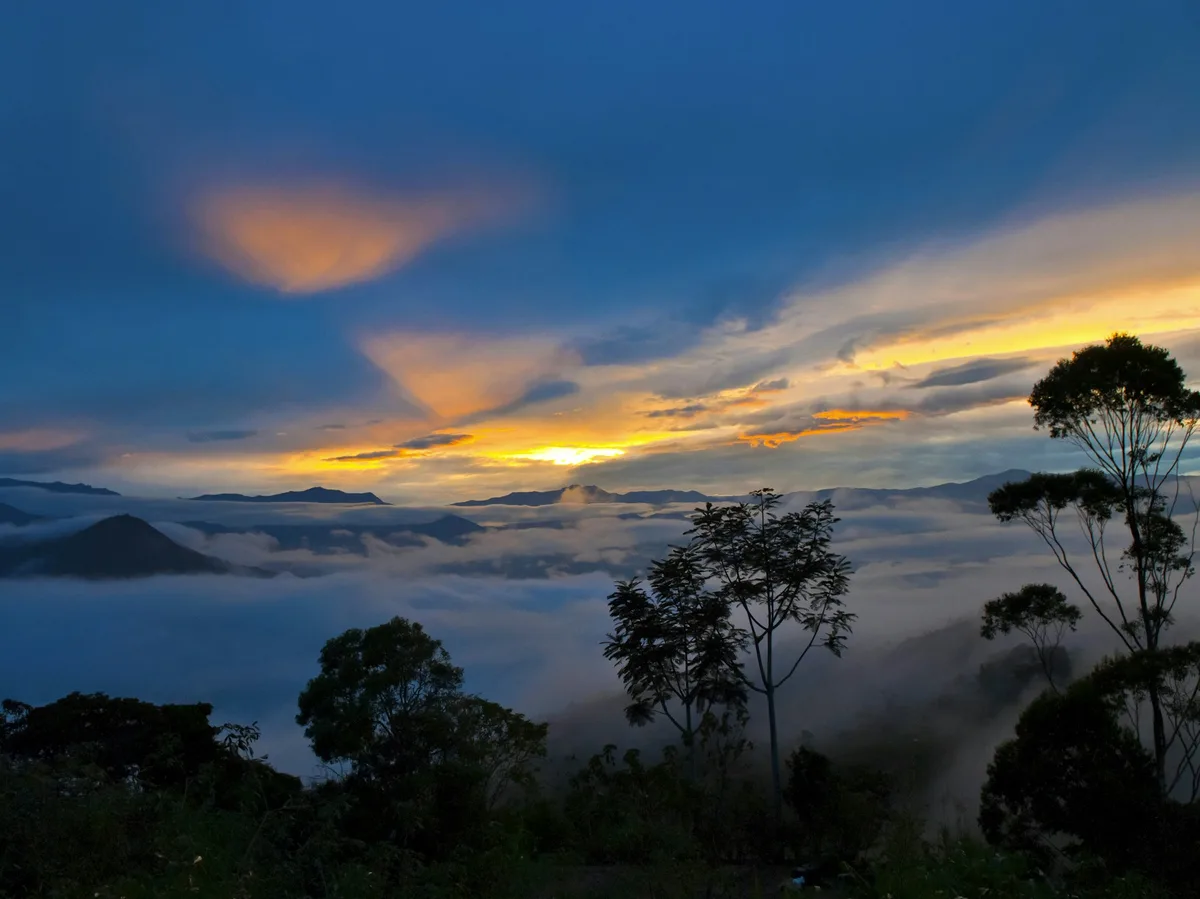
Mindo is a mountainous watershed and cloud forest region on the western slopes of the Andes in Pichincha Province, Ecuador, within reach of Quito. It is known for birdwatching, hummingbirds, waterfalls and butterfly farms, set in a landscape where two of the world's most biologically diverse ecoregions meet.
According to Wikipedia, the Mindo Valley covers about 268 square kilometres and ranges in elevation from roughly 960 to 3,440 metres above sea level. It lies where the lowland Chocó and the tropical Andes ecoregions converge, which helps explain its diversity of plants and animals. Three rivers, the Mindo, the Saloya and the Cinto, and hundreds of streams cross the landscape, which is a patchwork of cloud forest, secondary forest, farmland and small settlements. The rural parishes of Gualea, Nanegal, Nanegalito and Pacto form part of the wider area.
Much of the land is privately protected, and about 86 square kilometres lie within the Mindo-Nambillo protected forest (Bosque Protector Mindo Nambillo). Sources disagree on the reserve's overall size, with tour operators giving figures ranging from roughly 19,500 to 22,000 hectares, so any number is approximate. Several private reserves and lodges in the valley, including bird sanctuaries such as Milpe, also protect forest and offer guided access.
Mindo is best known as a birdwatching destination. Reserve and travel sources describe hundreds of bird species, with one blog citing 380, though these figures come from tourism material rather than a formal survey. Hummingbird feeders draw several species close to lodge terraces, and guides also point out toucans, tanagers and, with luck, the Andean cock-of-the-rock. Chocó endemics such as the Chocó toucan and Chocó trogon are listed by local bird sanctuaries. Butterfly farms in the valley allow visitors to see the life cycle from caterpillar to adult, and orchids, bromeliads and ferns festoon the trees of the cloud forest.
Wikipedia reports that nearly 200,000 tourists visit the Mindo area each year for activities such as tubing, rafting, trekking, canyoning, birdwatching and chocolate making. Trails lead to waterfalls through the forest, and some lodges offer night walks to look for frogs and insects. Cacao is grown in the region, and local farms explain how chocolate is made from bean to bar.
Because the cloud forest is damp, mornings tend to be best for birds and light rain is common at any time of year. A private day tour from Quito with a driver and a bilingual naturalist guide is a practical way to see the forest without arranging separate transfers between lodges, feeders and trails.
Wikipedia describes a cloud forest as a moist, evergreen mountain forest where low cloud persists at canopy height. Moisture from the cloud condenses on leaves and drips to the ground, which can add substantially to the water reaching the forest floor and makes these forests important freshwater sources. The constant humidity supports epiphytes such as mosses, ferns, bromeliads and orchids, and the same source notes that cloud forests cover only a small share of the world's woodland yet shelter a disproportionate number of species, including many hummingbirds, tanagers and the spectacled bear of the Andean cloud forests. Mindo shows this on a small scale, with mist-draped trees, layered canopy and birdsong that is loudest at dawn.
See every tour and attraction we cover in Ecuador & Galapagos.