TorontoOntario · 36 tours
 Niagara FallsOntario · 25 tours
 New York CityNew York · 30 tours
 Las VegasNevada · 8 tours
 San FranciscoCalifornia · 16 tours
 VancouverBritish Columbia · 17 tours
 DubaiUAE · 54 tours
 Abu DhabiUAE · 5 tours
 Buenos AiresArgentina · 23 tours
 AthensGreece · 31 tours
 AucklandNew Zealand · 38 tours
 CancunMexico · 54 tours
No destinations match “”. Try searching all tours instead — that search understands full questions, not just place names.
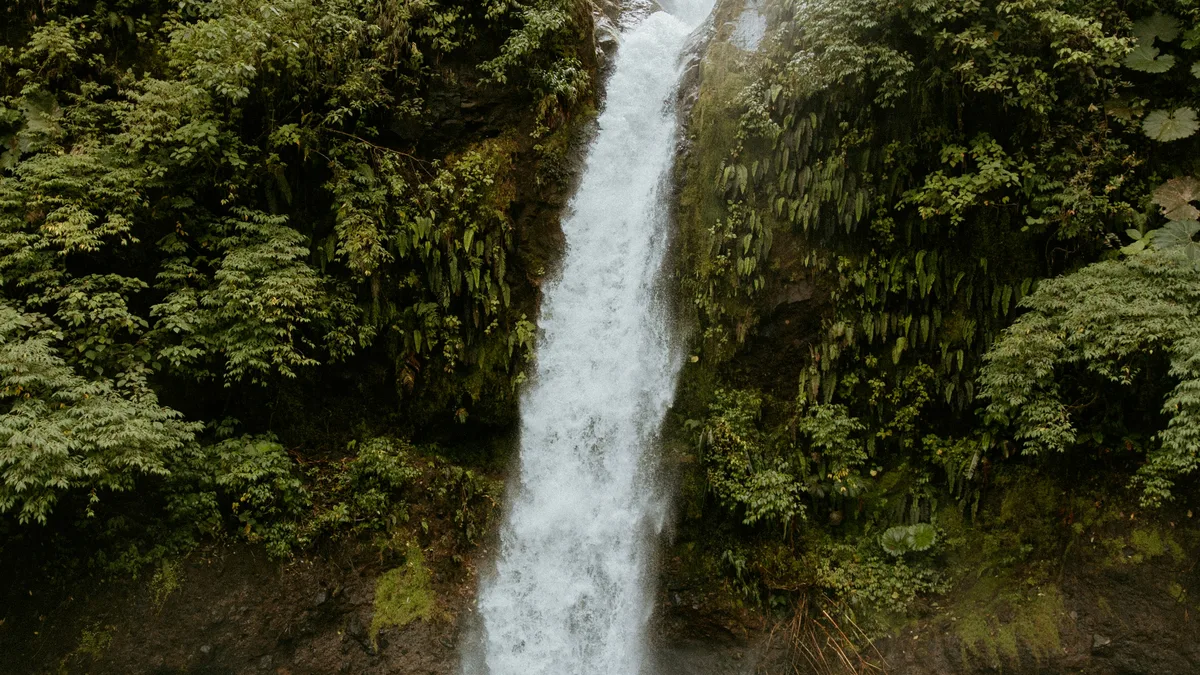
A privately run ecological reserve in the Alajuela highlands, home to five waterfalls, cloud forest and rainforest trails, and a wildlife sanctuary with more than 100 animal species. Visitors can walk trails past the cascades, explore a butterfly observatory and hummingbird garden, and see rescued wildlife including monkeys, toucans, and big cats living in the park's care.
Visitor guide
La Paz Waterfall Gardens is a privately run nature park and wildlife sanctuary in the highlands of Alajuela Province, Costa Rica, near Vara Blanca, not far from Poas Volcano National Park. It combines forest trails and waterfall viewpoints with exhibits of animals that cannot be released into the wild.
According to the park's own website, the site has five waterfalls reached by about 3.5 kilometres of trails and viewing platforms through cloud and rainforest. The trails were built between 1998 and 2000 without cutting trees or vine systems, with materials carried in on foot, and they are mostly concrete pavers with many stairs. The largest cascade is described in promotional material as around 120 feet high, though this is the operator's own figure.
The park lies at elevations between about 4,200 and 5,200 feet, which gives it a cool, misty climate typical of the Costa Rican highlands. Wet-weather clothing and sturdy shoes are advisable because the stairs and viewing platforms can be slippery.
The operator describes the setting as a mix of cloud forest and rainforest, with the property rising and falling across the slope. Because the park is a managed attraction with paved paths and numerous stairs, it suits visitors who want a structured, guided-style walk with wildlife viewing included rather than a remote wilderness hike.
The reserve covers about 70 acres, of which roughly 40 acres are cloud and rainforest under private animal sanctuary status and about 30 acres are former pasture being reforested. The operator says its animals were confiscated by Costa Rica's wildlife ministry, often from illegal pet ownership, and cannot be returned to the wild.
Exhibits include an aviary with toucans, scarlet macaws and aracaris, a sloth habitat, a serpentarium, a ranarium for frogs, and a jungle cats exhibit with jaguars, pumas, ocelots and margays. White-faced capuchin and black-handed spider monkeys are also on display. A hummingbird garden has recorded 26 species, and a butterfly observatory and orchid exhibit round out the collection. These figures come from the operator rather than an independent survey.
The operator states that construction of the trails, butterfly observatory and reception began in July 1998 and the park opened around autumn 2000. The restaurant and serpentarium followed in 2004, the ranarium and trout lake in 2005, and an enclosed butterfly observatory opened in 2006. A guest lodge was added in later years. A small historical house with a petting area and an ox cart shows traditional rural life.
The park's stated mission is to preserve and protect the local environment for education and enjoyment.
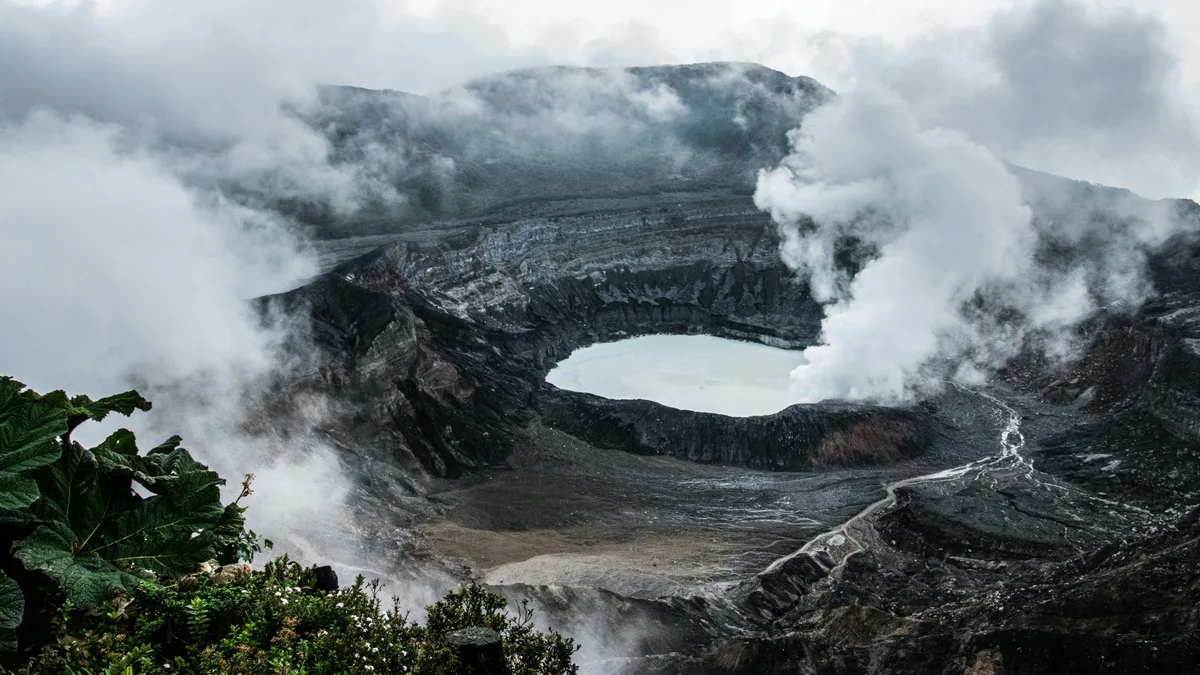
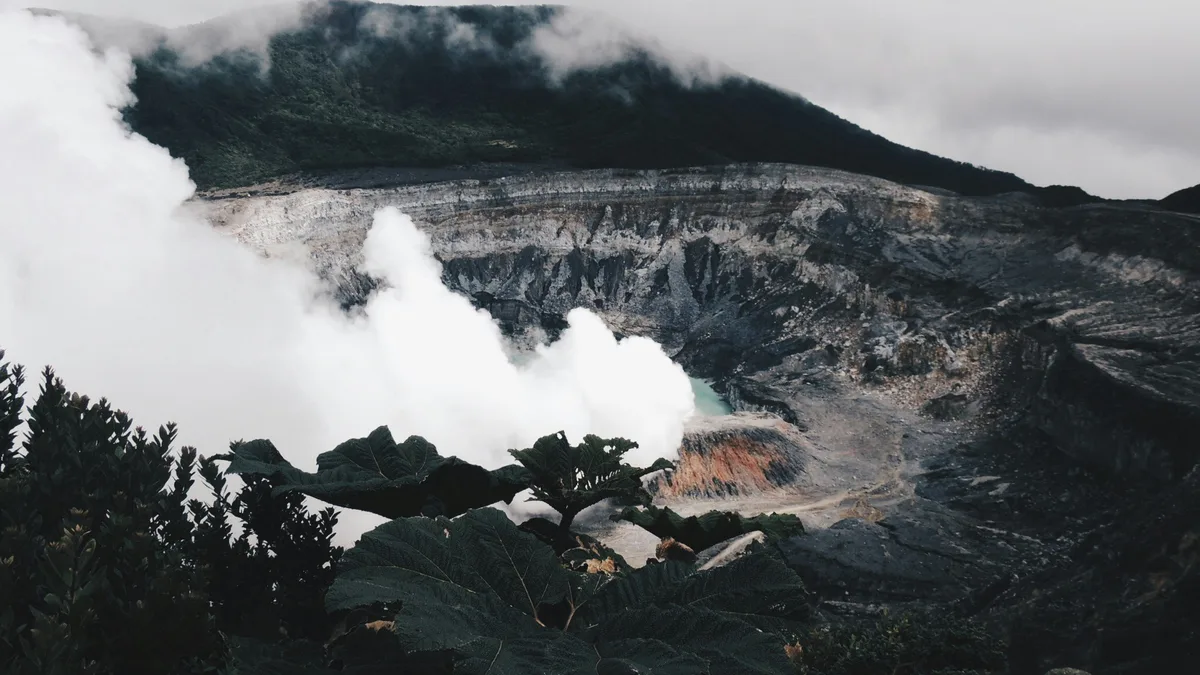
The park is about 45 minutes from the San Jose airport according to its website and about 20 minutes from Poas Volcano National Park, so it is often paired with the volcano on a day trip or placed on the road toward Arenal. A private guided visit lets a driver manage the mountain roads and keeps the day flexible. Entry arrangements are set by the operator and should be confirmed before travel.
See every tour and attraction we cover in San Jose.