TorontoOntario · 36 tours
 Niagara FallsOntario · 25 tours
 New York CityNew York · 30 tours
 Las VegasNevada · 8 tours
 San FranciscoCalifornia · 16 tours
 VancouverBritish Columbia · 17 tours
 DubaiUAE · 54 tours
 Abu DhabiUAE · 5 tours
 Buenos AiresArgentina · 23 tours
 AthensGreece · 31 tours
 AucklandNew Zealand · 38 tours
 CancunMexico · 54 tours
No destinations match “”. Try searching all tours instead — that search understands full questions, not just place names.
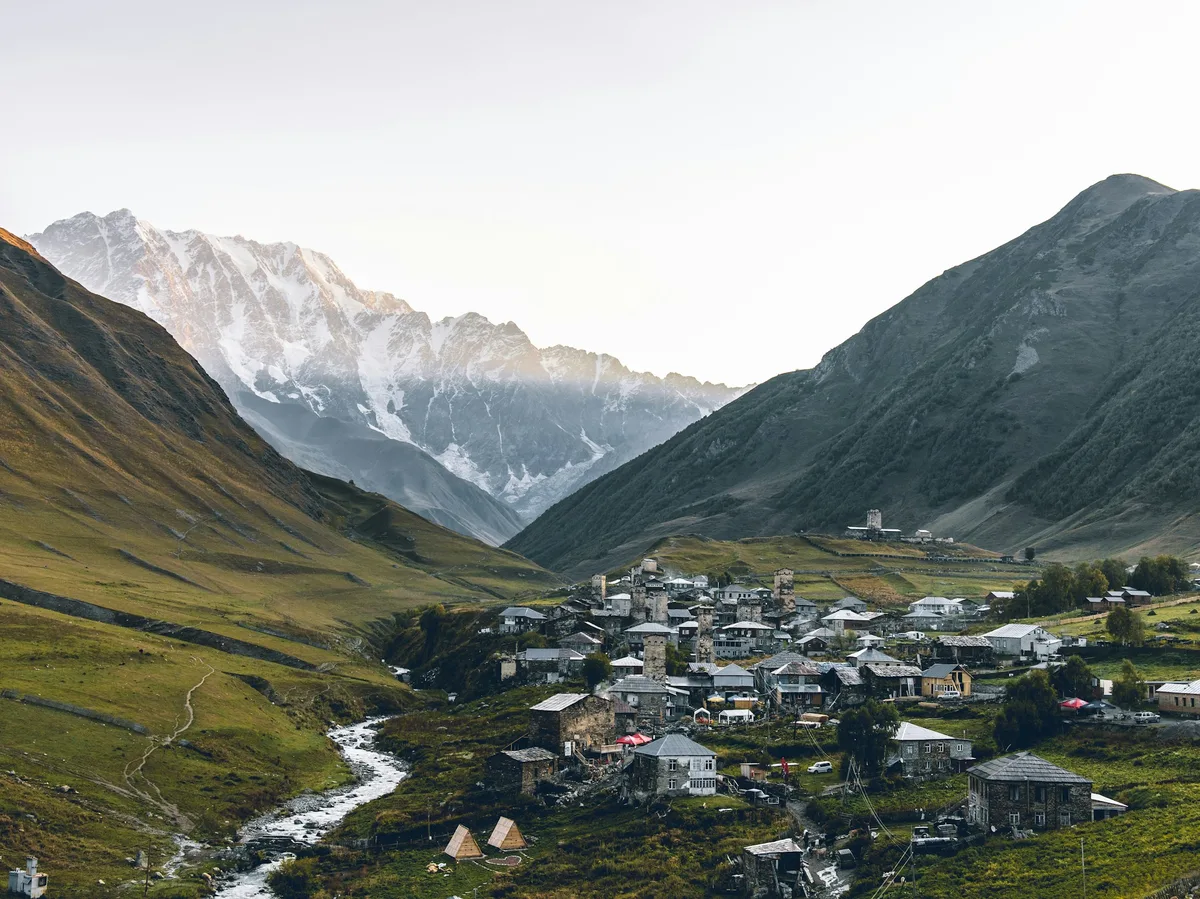
Centuries-old stone tower houses dot the villages of Upper Svaneti, most famously in Ushguli — one of Europe's highest permanently inhabited settlements, at roughly 2,100 to 2,200 meters — built by local clans for defense and still standing watch beneath Mount Shkhara.
 Multi-Day Tours
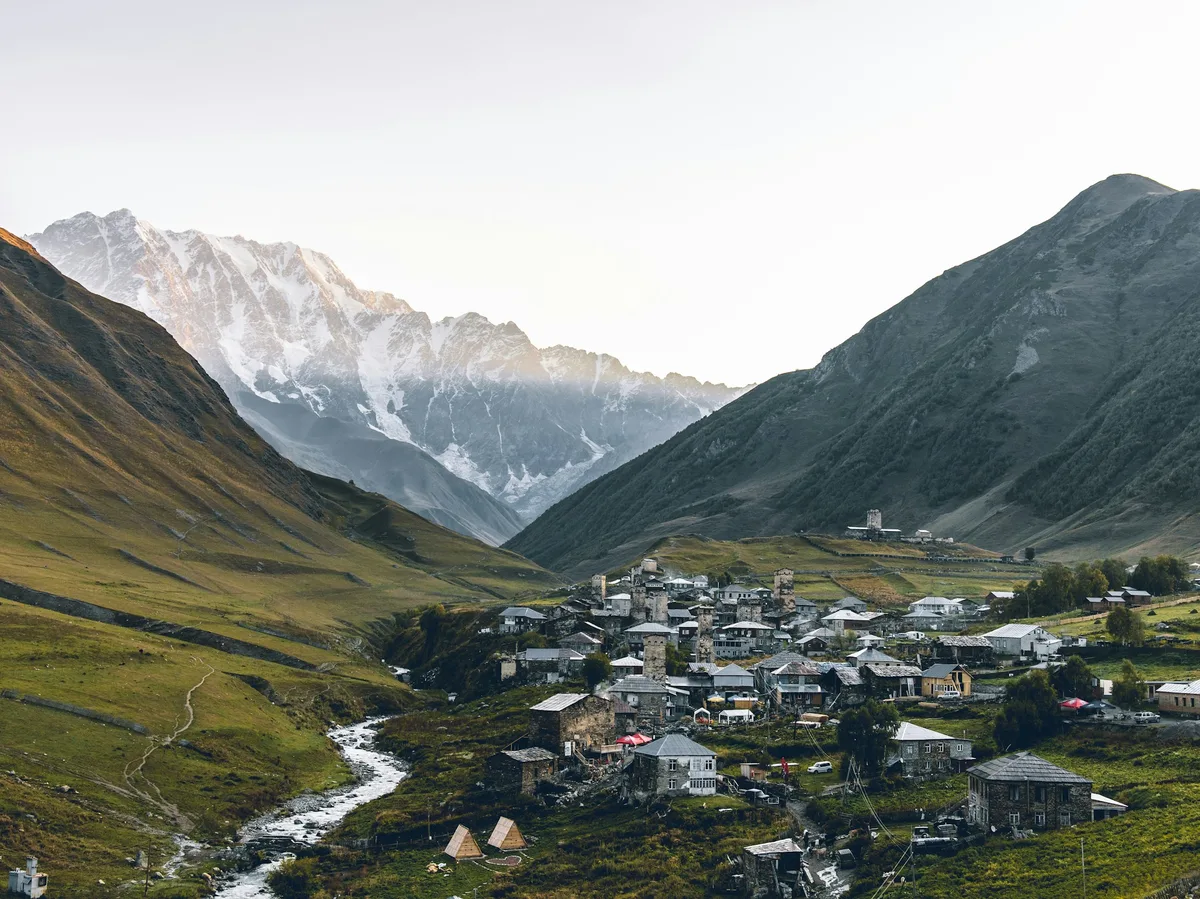
An 8-day village-to-village trek through Georgia's Svaneti highlands, from Mestia to the base of the Shkhara Glacier, past medieval defensive towers, alpine valleys, and the Ushba Falls.
 Multi-Day Tours
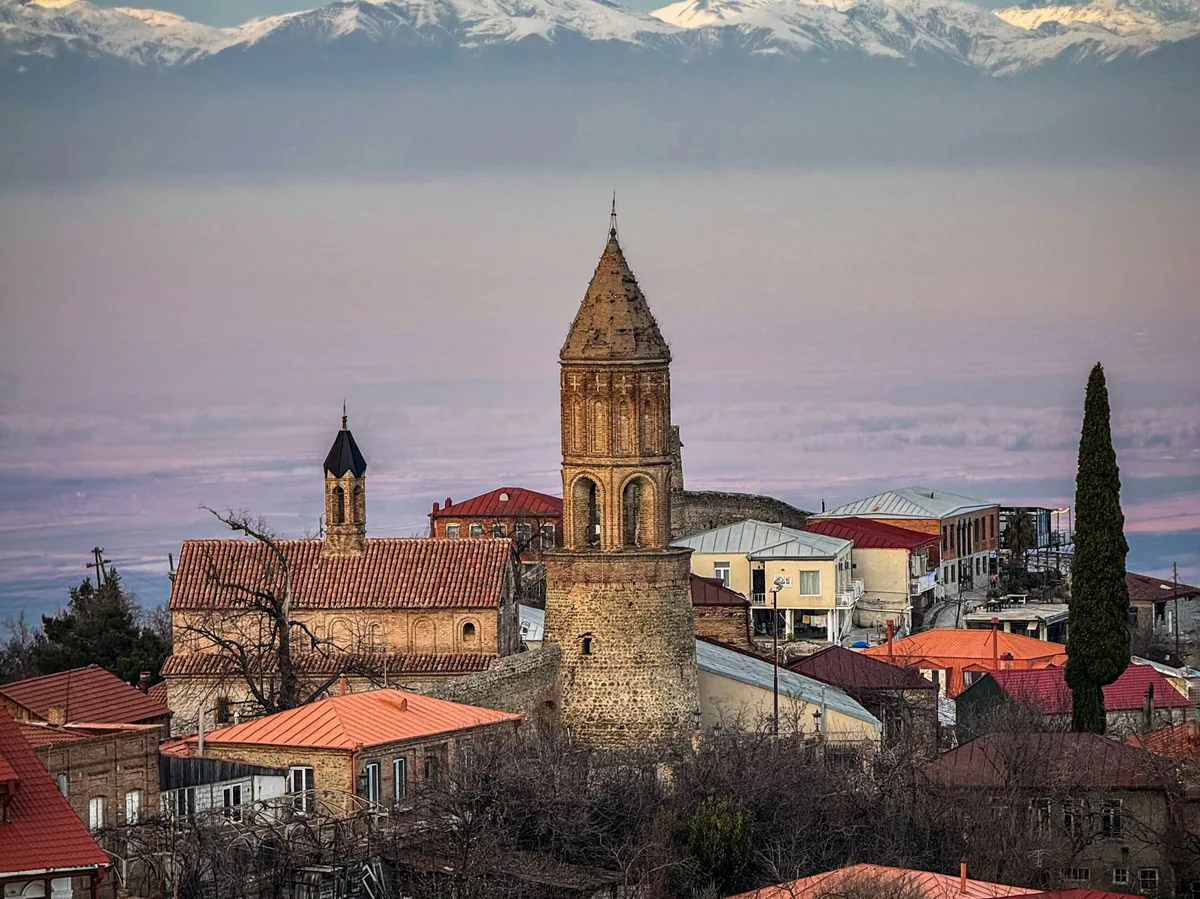
An 8-day journey into the Svaneti highlands' village life — cozy family-run stays, a trek to the Koruldi Lakes, Kubdari bread-making with locals in Mestia, and a hike to the base of the Shkhara Glacier.
 Multi-Day Tours
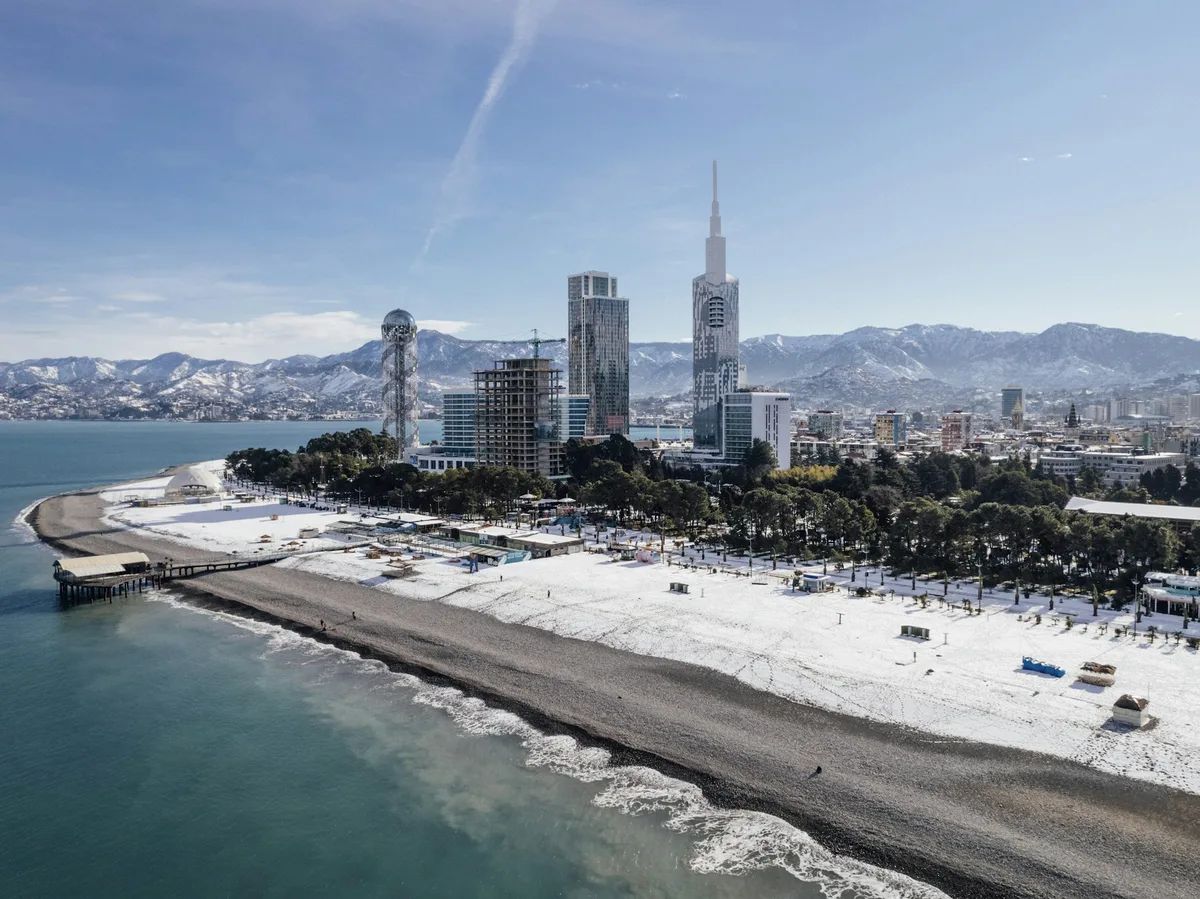
A 15-day loop around Georgia built for food lovers — Tbilisi's cooking traditions, the cave monastery of Vardzia, the Black Sea coast at Batumi, Svaneti's Mestia and Ushguli, and Kakheti's 8,000-year-old wine culture.
Visitor guide
Svaneti is a mountainous historic province in northwestern Georgia, famous for its stone tower houses. Wikipedia calls it the highest inhabited area in the Caucasus, and the towers of Upper Svaneti, including those at Ushguli, form part of a UNESCO World Heritage Site inscribed in 1996.
Svaneti lies along the Greater Caucasus and is largely inhabited by the Svans, a Georgian ethnic subgroup. Upper Svaneti lies on the upper Inguri River with Mestia as its main town, while Lower Svaneti lies on the Tskhenistsqali River with Lentekhi as its main town. Mount Shkhara, at 5,201 metres, is described as Georgia's highest mountain, and Ushba is the region's signature peak. The climate is humid, with heavy winter snowfall and frequent avalanches.
Svans are Georgian Orthodox but some pre-Christian beliefs persist, and they are typically bilingual in Georgian and the unwritten Svan language. The region is also known for archaic three-part polyphonic singing.
Svanetian tower houses, mostly built between roughly the 9th and 12th centuries (some sources give a wider range of the 8th to 14th centuries), are a defining feature of the landscape. According to Wikipedia's Ushguli article, they are three to five storeys tall and were built as defensive homes. Their isolation helped preserve them in Ushguli, while many in Mestia fell into disrepair. Chazhashi has over 200 towers and is a museum-reserve.
The towers rose beside family houses in the villages, and their height gave a clear view up and down the valley. The traditional explanation, found in general accounts of the region, is that clans used them for refuge during feuds and invasions, although specific details vary by village.
Ushguli is a community of medieval villages at the head of the Enguri gorge, near the foot of Shkhara, usually listed as Zhibiani, Chvibiani, Chazhashi and Murqmeli, with Lamjurishi sometimes counted as a fifth. Wikipedia gives its elevation as about 2,100 metres, though other sources, including the project description, cite about 2,200, so the figure varies by source. The 2014 census recorded 228 residents.
The Lamaria church in Zhibiani stands on a hilltop above the village and dates to the 12th century, with Georgian Golden Age frescoes. It is named after the goddess Lamaria, reflecting how pre-Christian traditions blended with Christianity in the highlands.
Svanetia was a dependency of Colchis and later Lazica before joining the Kingdom of Georgia, and Queen Tamar is remembered there with particular reverence. The Mongols never reached the region. Russia gained a protectorate in 1833, abolished the principality's autonomy in 1857, and crushed an uprising in 1875-1876. In 1987 avalanches killed at least 80 people, and about 2,500 families were resettled. Upper Svaneti was inscribed by UNESCO in 1996.
A private tour is the practical way to see the region, as roads between villages are long and mountainous, and a local driver and guide can explain the towers in each village.
See every tour and attraction we cover in Georgia.