TorontoOntario · 36 tours
 Niagara FallsOntario · 25 tours
 New York CityNew York · 30 tours
 Las VegasNevada · 8 tours
 San FranciscoCalifornia · 16 tours
 VancouverBritish Columbia · 17 tours
 DubaiUAE · 54 tours
 Abu DhabiUAE · 5 tours
 Buenos AiresArgentina · 23 tours
 AthensGreece · 31 tours
 AucklandNew Zealand · 38 tours
 CancunMexico · 54 tours
No destinations match “”. Try searching all tours instead — that search understands full questions, not just place names.
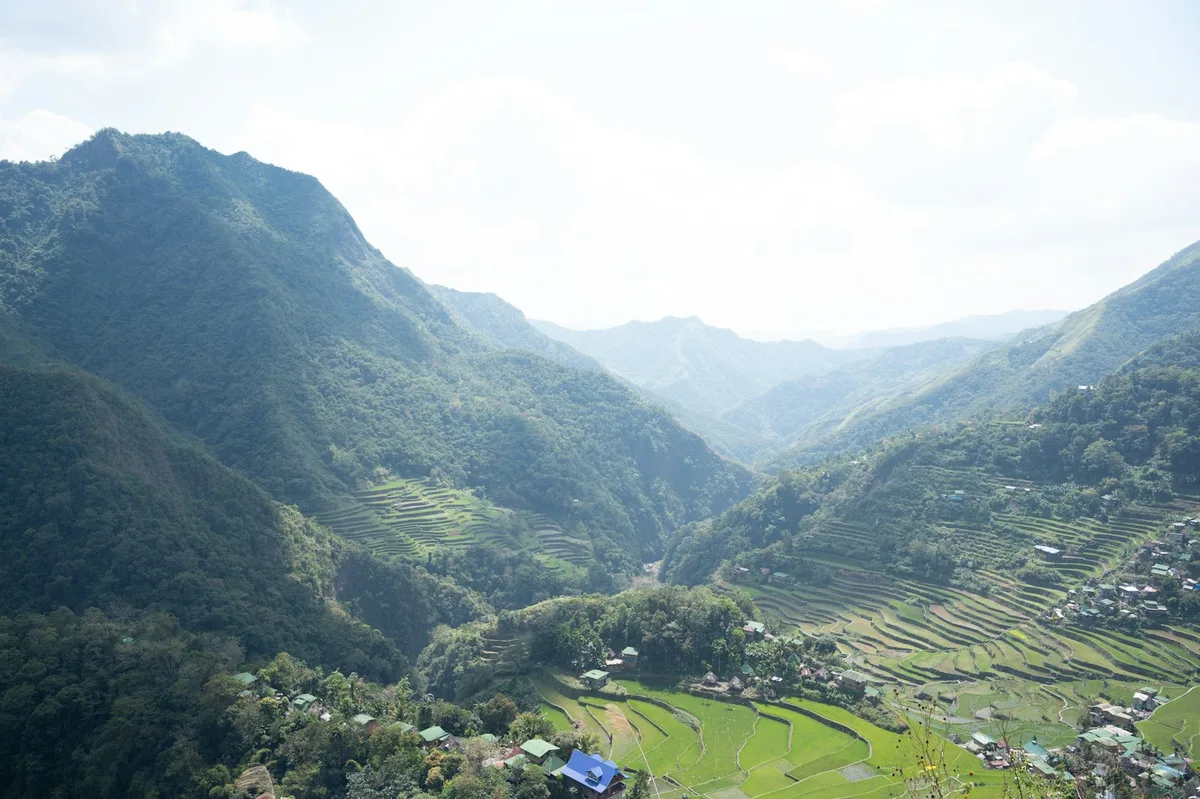
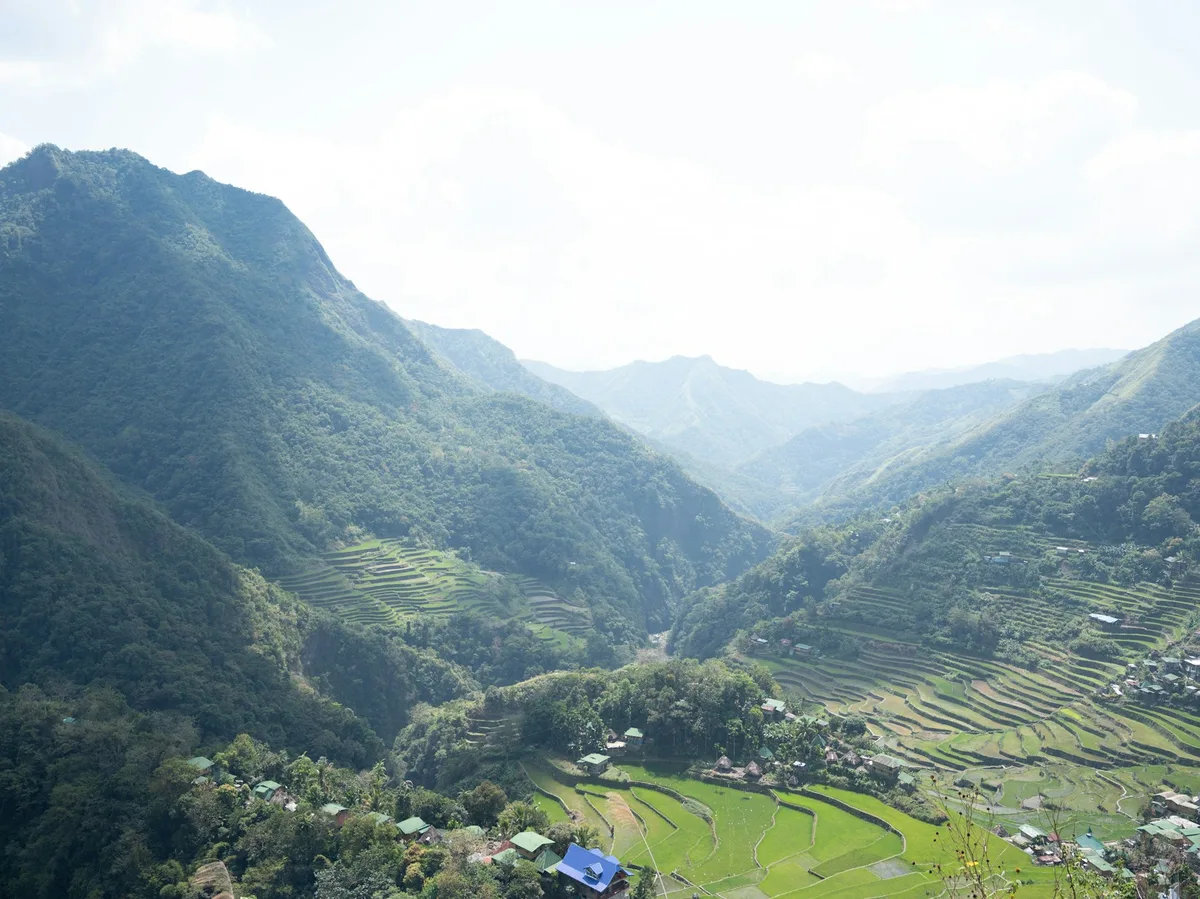
Hand-carved rice terraces climbing the Ifugao mountains of northern Luzon, farmed by the same communities for an estimated 2,000 years and often called the "Eighth Wonder of the World."
Visitor guide
The Banaue Rice Terraces are hand-carved terraces cut into the mountains of Banaue in Ifugao province on the island of Luzon, Philippines. Built by the ancestors of the Igorot people and cared for by the Ifugao, they sit at roughly 1,500 metres above sea level.
According to Wikipedia, the terraces were built with minimal equipment, largely by hand, using stone retaining walls and rammed earth. Water comes from an ancient irrigation system fed by the rainforest above the terraces, drawn from a main canal above each terrace cluster. The local soil is similar to the clay used for pots and jars. Indigenous knowledge covers irrigation, stonework, earthwork and the maintenance of the terraces.
The terraces are often said to be around 2,000 years old. Wikipedia notes that the anthropologist Otley Beyer estimated them to be over 2,000 years old, but that several researchers dispute this and argue they were built much later. The age is therefore best given as a traditional estimate, not an established fact. Rice has been grown in the Philippines since at least 1500 BCE, brought by Austronesian migrations.
The Ifugao are the terraces' caretakers, and their culture centres on rice, including a black rice variety called kalinayan. Agricultural rites and celebrations run from planting through consumption, and the harvest ends with rites, called tango or tungul, that include a day of rest with a strict ban on farm work. Festivities feature rice wine (bayah), rice cakes and betel nut. In March 2009 the terraces were declared free of genetically modified organisms at an event with Greenpeace and the Miss Earth Foundation.
Wikipedia states that the Banaue Rice Terraces themselves are not a UNESCO World Heritage Site, although they are often associated with the UNESCO-listed Rice Terraces of the Philippine Cordilleras. That listing includes five clusters: Batad, Bangaan, Hungduan, Mayoyao Central and Nagacadan. Batad and Bangaan are in the municipality of Banaue but are not called the Banaue Rice Terraces. Presidential Decree No. 260, signed in 1973, declared the terraces a National Cultural Treasure. They also appeared on the reverse of the 1,000-peso note and, later, the 20-peso note.
Wikipedia describes Batad as resembling an amphitheatre, Mayoyao as known for tinawon, a rare organic rice grown in red and white varieties, and Hapao in Hungduan as stone-walled terraces. Kiangan grows the nagacadan and julungan rice varieties.
The terraces need constant repair. Wikipedia lists damage blamed on giant earthworms called olang, rodents and snails, and notes that younger Ifugao increasingly prefer work in hospitality or cities, so steps erode. A drought in March 2010 dried the terraces completely. Tourism is a major local economy, with sightseeing and visits to nearby villages. A private tour with a driver suits the long mountain road from Manila and lets the group stop at viewpoints in Banaue and nearby clusters.
See every tour and attraction we cover in Philippines.