TorontoOntario · 36 tours
 Niagara FallsOntario · 25 tours
 New York CityNew York · 30 tours
 Las VegasNevada · 8 tours
 San FranciscoCalifornia · 16 tours
 VancouverBritish Columbia · 17 tours
 DubaiUAE · 54 tours
 Abu DhabiUAE · 5 tours
 Buenos AiresArgentina · 23 tours
 AthensGreece · 31 tours
 AucklandNew Zealand · 38 tours
 CancunMexico · 54 tours
No destinations match “”. Try searching all tours instead — that search understands full questions, not just place names.
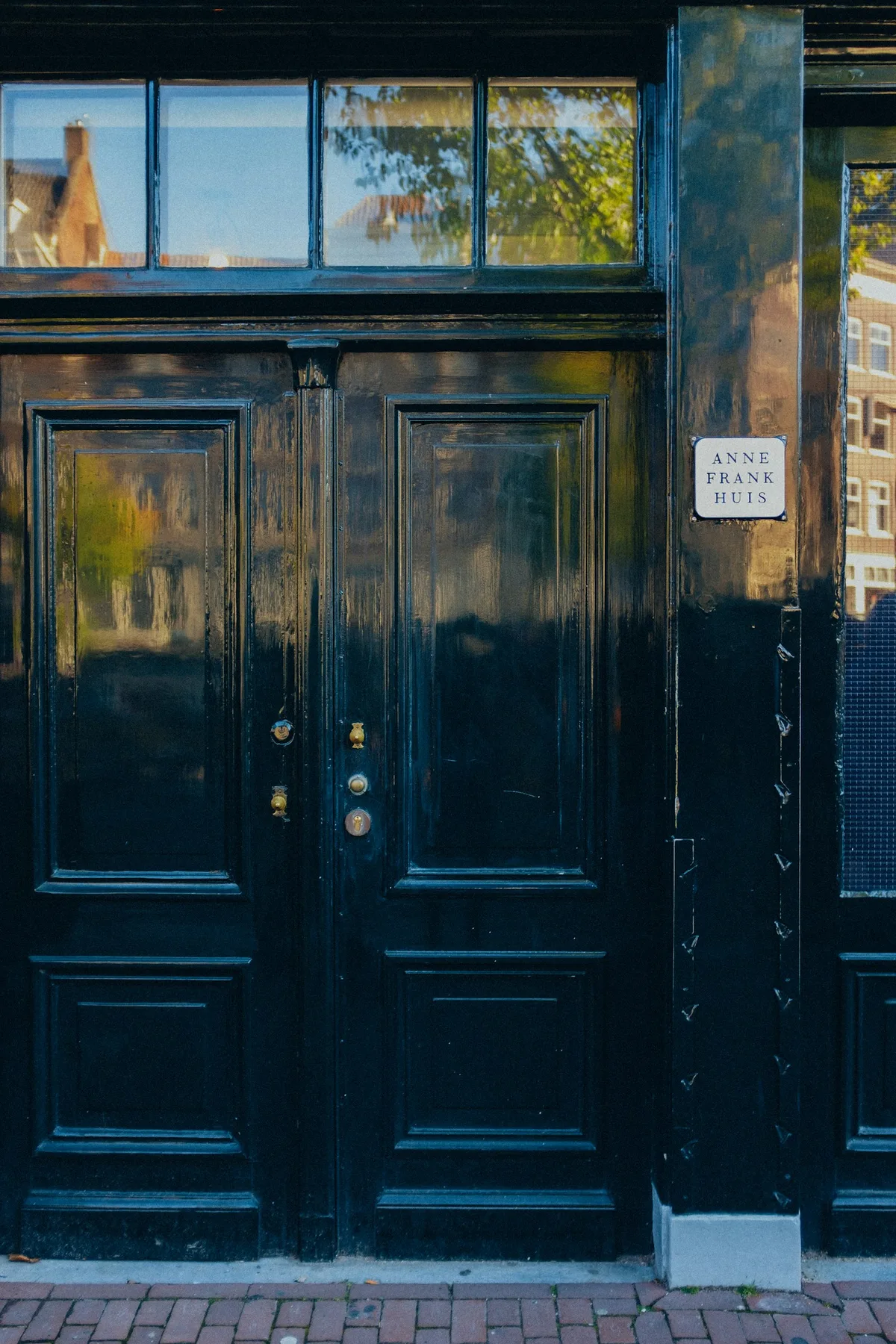
The Prinsengracht canal-house museum built around the hidden annex where Anne Frank and her family hid from the Nazis between 1942 and 1944, now one of Amsterdam's most-visited sites.
 Multi-Day Tours
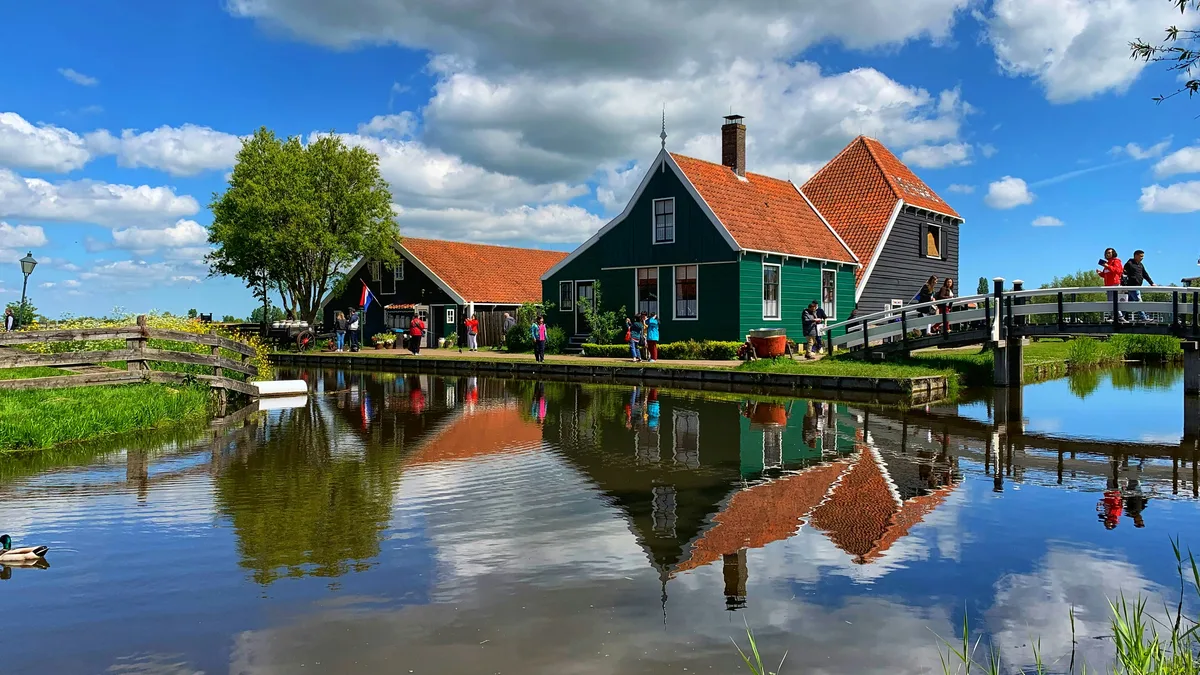
A 10-day cross-section of the Netherlands, from Amsterdam and The Hague's Old Masters to the university city of Leiden, Rotterdam's architecture, the Hoge Veluwe's Kröller-Müller Museum, and North Holland's coastal villages by bike, boat and steam train.
 Multi-Day Tours
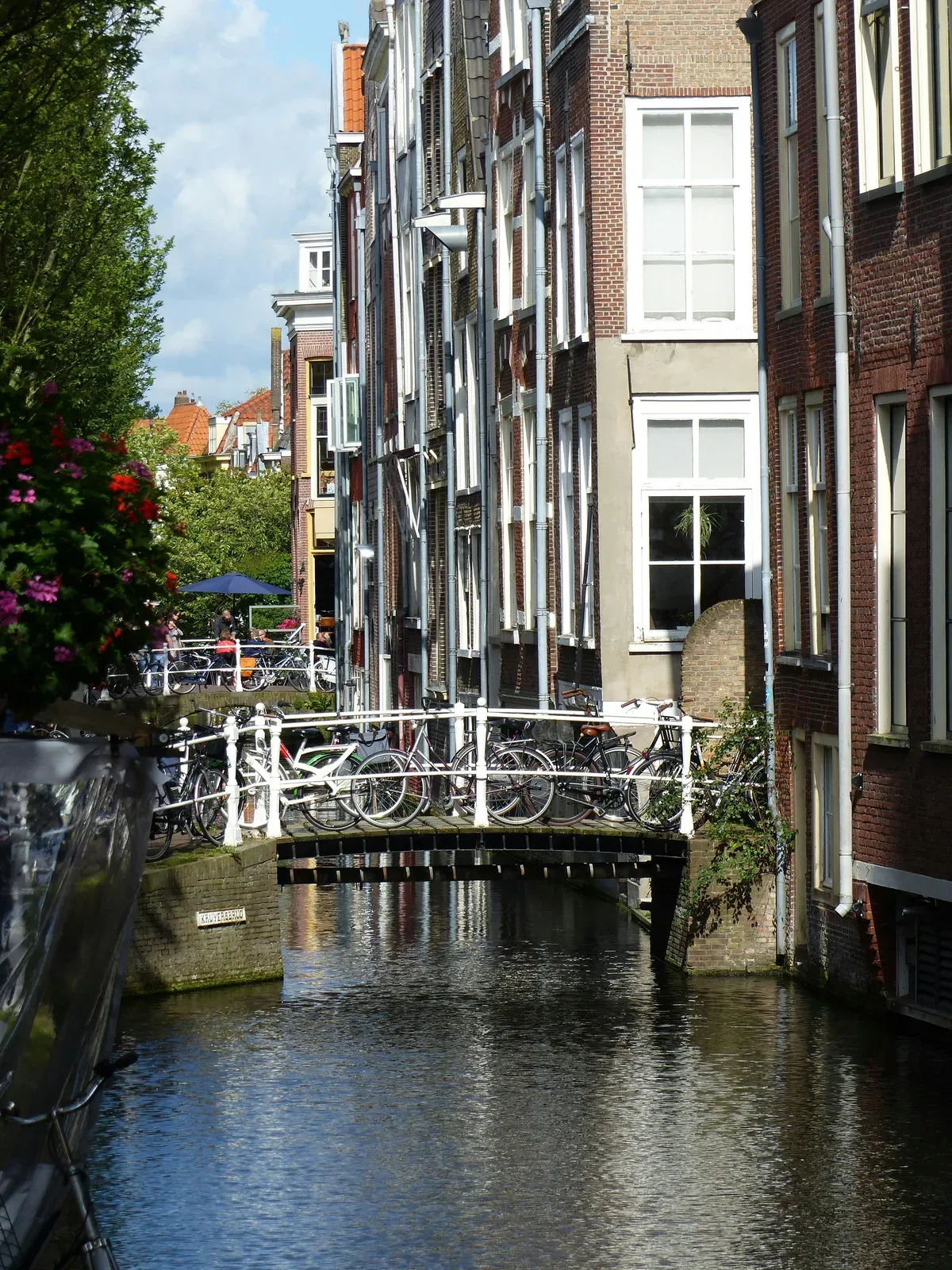
A 5-day trip through Amsterdam's Anne Frank House, Rijksmuseum, and canals, with day trips to Edam's cheese market, the windmills of Zaanse Schans, and either Keukenhof's tulip fields or historic Haarlem.
 Multi-Day Tours
A relaxed 12-day tour based from just two hotels — Amsterdam and The Hague — covering the Rijksmuseum and Van Gogh Museum, Dutch countryside traditions, Delft's Delftware factory, and Rotterdam's architecture.
 Multi-Day Tours
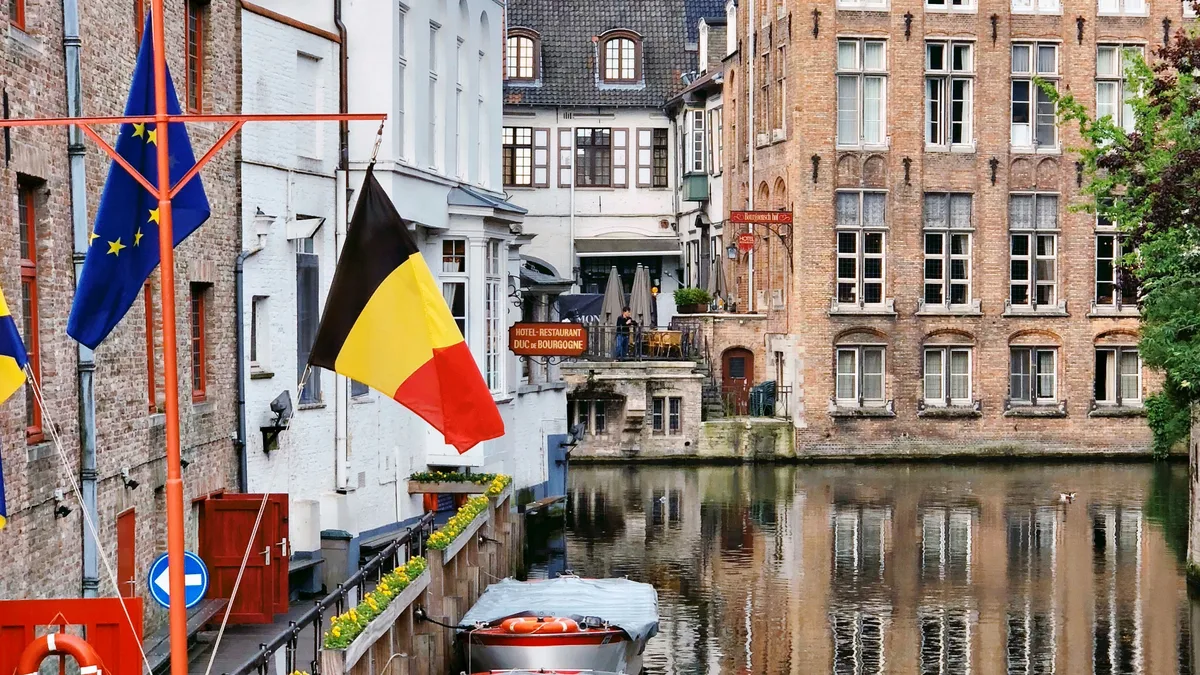
A 7-day springtime route through Amsterdam's flower auction and Floating Flower Market, the tulip fields of the Bollenstreek, Keukenhof Gardens, and Dutch cheese and windmill traditions, best from mid-March to early May.
 Multi-Day Tours
A 12-day round-trip based from just two hotels — 6 nights in Amsterdam covering its museums and countryside, then 5 nights in Ghent with day trips to Antwerp and Bruges in Belgium's Flanders region.
Visitor guide
The Anne Frank House is a museum on the Prinsengracht canal in Amsterdam, in the Netherlands, built around the hidden rear annex where Anne Frank, her family and four other people lived in hiding during the Nazi occupation. It is the place where Anne wrote her diary, one of the most widely read personal accounts of the Second World War.
According to Wikipedia, the house was built in 1635 by Dirk van Delft, together with its neighbour. The canal-side facade dates from a renovation in 1740, when a rear annex was demolished. On 1 December 1940 Otto Frank moved his companies, Opekta and Pectacon, which dealt in pectin and spices, into the building. The Secret Annex, or Achterhuis, stood at the back and was hidden from view by the surrounding houses.
The Frank family, Otto, Edith, Margot and Anne, hid in the annex together with four other Jewish people. Wikipedia describes the period as two years and one month, ending when the group was raided, arrested and deported in 1944. Only Otto Frank survived the camps. Their helpers were employees and associates of the company, among them Miep Gies, Bep Voskuijl and Johannes Kleiman. Bep's father, Johannes Voskuijl, built the movable bookcase that concealed the entrance to the annex in 1942.
After the arrests, Miep Gies and Bep Voskuijl returned to the building against police orders and rescued books and papers. These became the basis of the diary, which Otto Frank compiled and which was published in Dutch in 1947 as Het Achterhuis. The English edition is titled The Diary of a Young Girl, and Otto Frank is recognised as a co-author.
In 1955 a clothing company planned to demolish the houses, but public protest and a newspaper campaign stopped the demolition. The Anne Frank Foundation was established on 3 May 1957, led by Otto Frank, to buy and restore the building, and the museum opened to the public on 3 May 1960. More than 9,000 people visited in the first year it was open, according to Wikipedia. The museum closed temporarily for renovations in 1970 and 1999.
A visit follows the route through the former offices and warehouse into the Secret Annex, passing the bookcase that hid the entrance. The rooms are narrow and quiet, and the focus is on the stories of the eight people in hiding and of the helpers who supported them. The house is a short distance from the Westerkerk and sits within Amsterdam's canal ring, so it often forms part of a walking day in the old centre. Because it is a memorial site as well as a museum, visitors are asked to keep a respectful tone.
Entry to the house is controlled, and arrangements for entry should be made with the museum in advance. A private guide can explain the wider history of the Netherlands under occupation and the story of Amsterdam's Jewish community, which gives the rooms of the annex a deeper context.
See every tour and attraction we cover in Netherlands.