TorontoOntario · 36 tours
 Niagara FallsOntario · 25 tours
 New York CityNew York · 30 tours
 Las VegasNevada · 8 tours
 San FranciscoCalifornia · 16 tours
 VancouverBritish Columbia · 17 tours
 DubaiUAE · 54 tours
 Abu DhabiUAE · 5 tours
 Buenos AiresArgentina · 23 tours
 AthensGreece · 31 tours
 AucklandNew Zealand · 38 tours
 CancunMexico · 54 tours
No destinations match “”. Try searching all tours instead — that search understands full questions, not just place names.
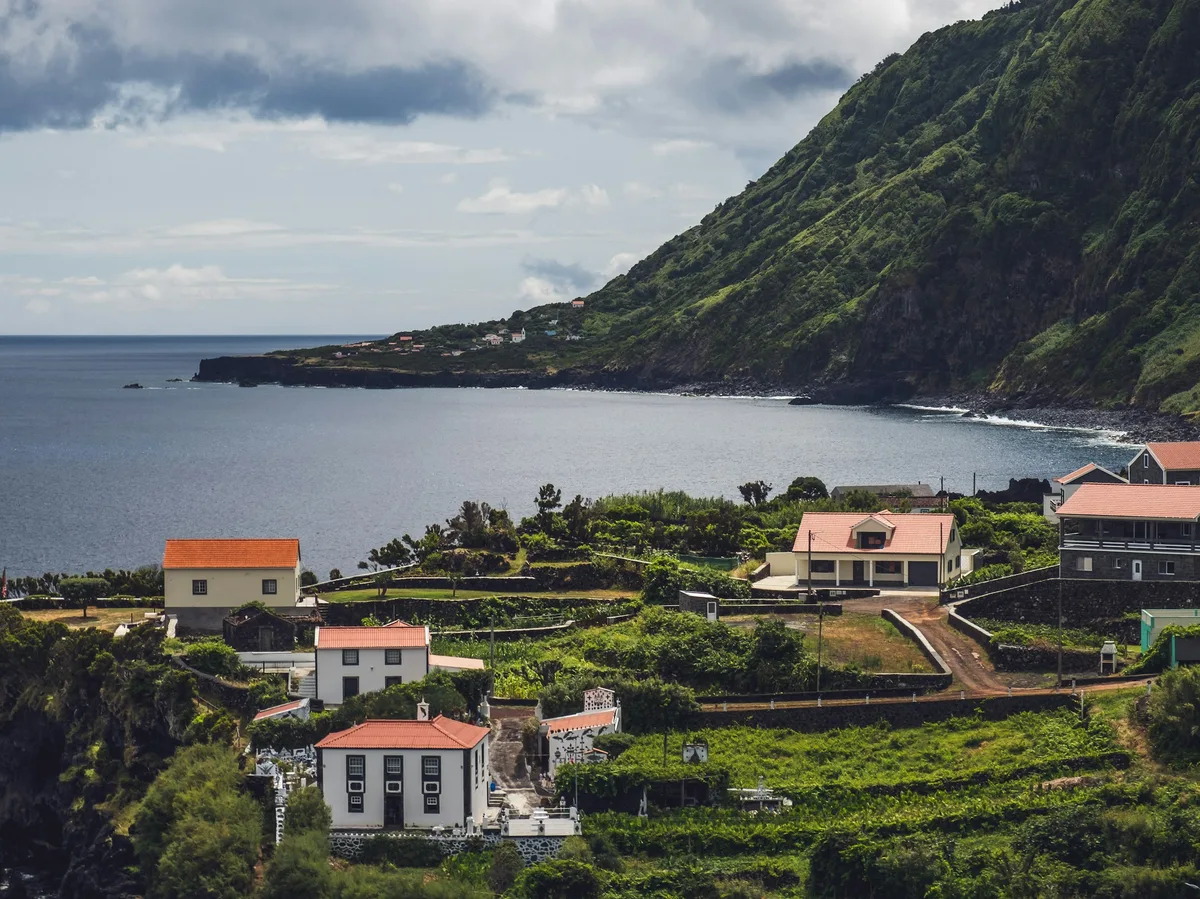
The Azores' capital, marked by black-and-white cobbled streets, the 18th-century Portas da Cidade gate, and a lively harbor market — the arrival and departure point for most Azores itineraries.
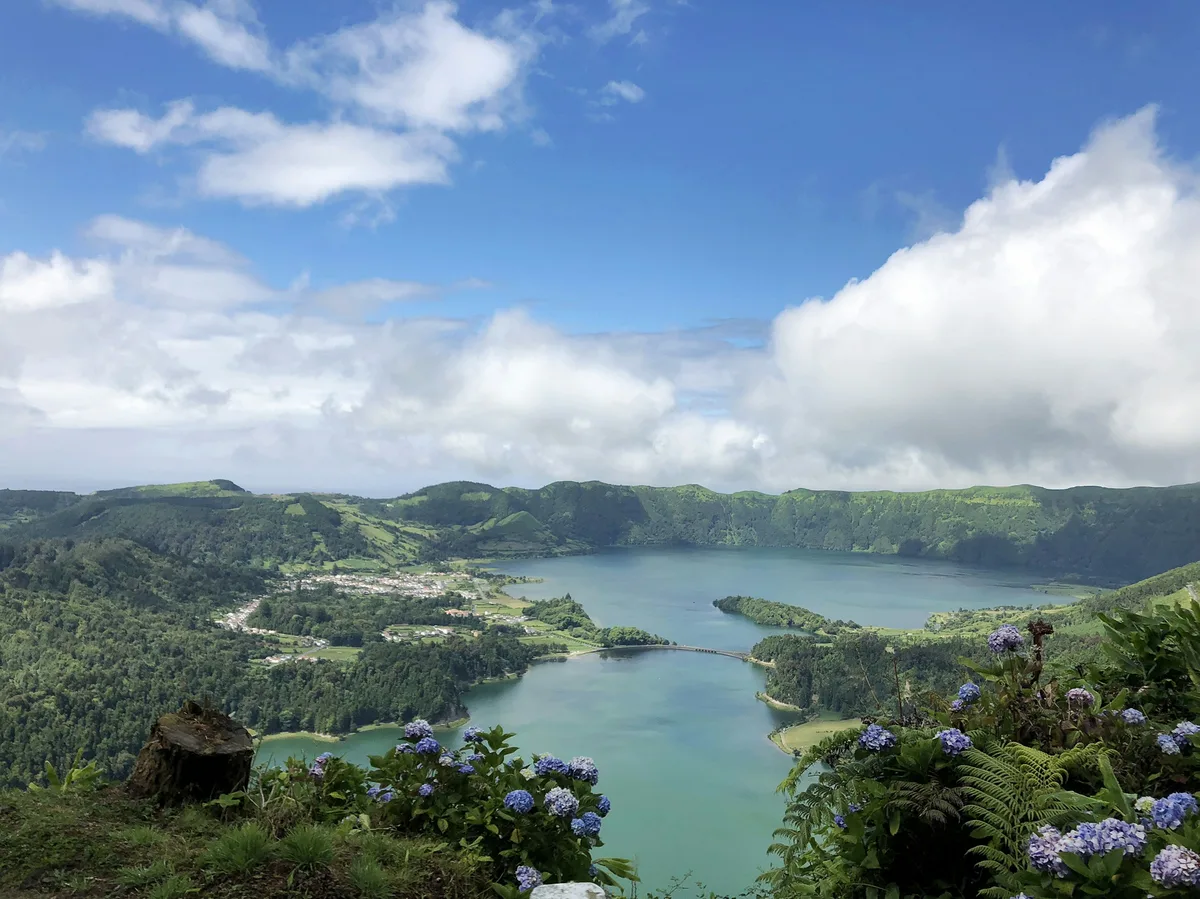 Multi-Day Tours Popular Pick
An 8-day journey across São Miguel, Faial and Pico islands — crater lakes, volcanic hikes, lava caves and whale-country waters — all with your own private guide and driver.
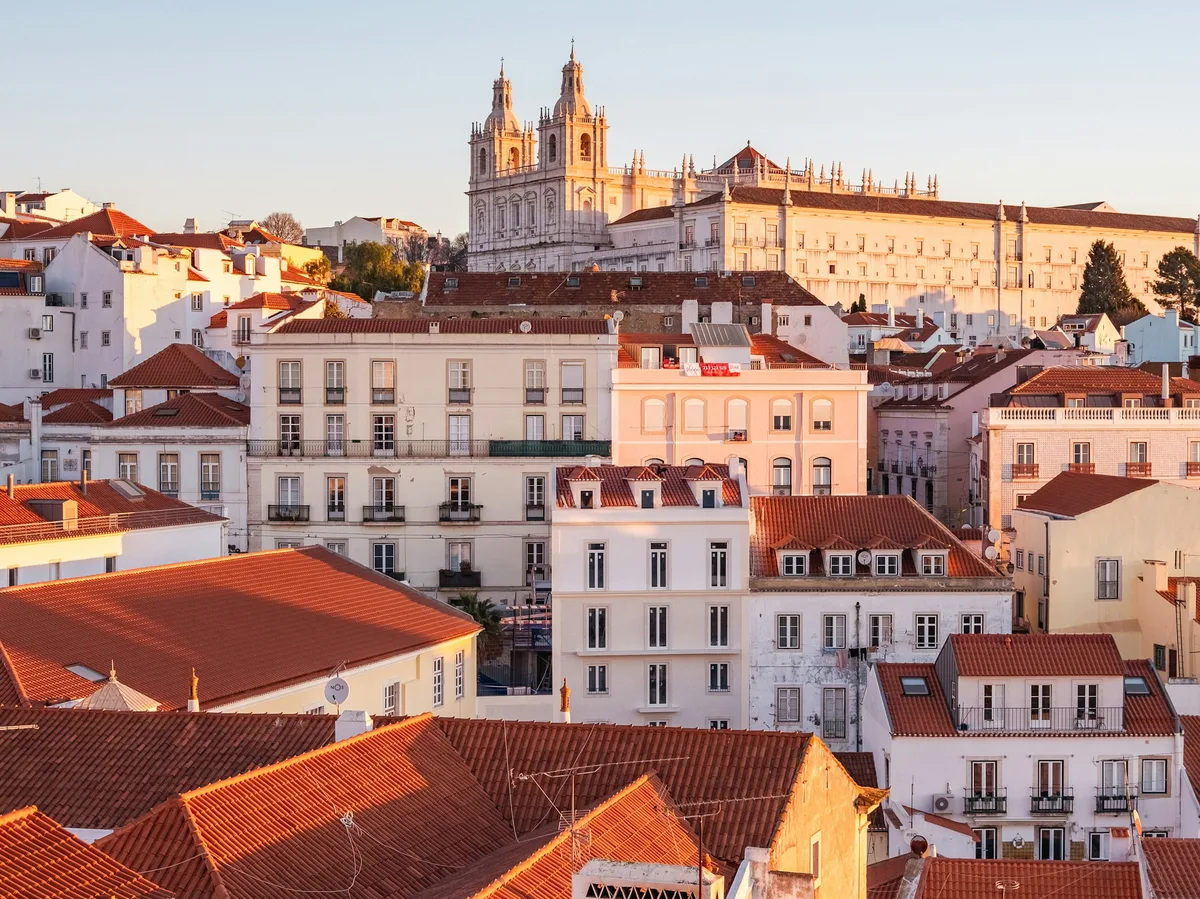 Multi-Day Tours
Four nights discovering Lisbon, Sintra and Cascais on mainland Portugal, then four nights exploring São Miguel in the Azores — with a private driver throughout instead of a rental car.
Visitor guide
The historic centre of Ponta Delgada is the old core of the main city of Sao Miguel Island and the administrative capital of the Azores, in Portugal. Its harbourfront streets, churches, convent and civic buildings reflect centuries as the Azores' main port.
According to Wikipedia, Pero de Teive founded a small fishing settlement around 1450 that grew into the Santa Clara area. King Manuel I raised it to the status of a vila around 1507, although some sources give 1499, and after an earthquake and landslide devastated the island's provincial capital in 1522, Ponta Delgada took over its economic and administrative role. King Joao III granted it city status on 2 April 1546. In 1582 an Anglo-French corsair fleet fought a naval battle off the coast. In the 19th century, citrus exports to Britain and foreign-owned businesses boosted the town's economy. Under the 1976 constitution, Ponta Delgada became the region's administrative capital.
The Portas da Cidade, or Gates to the City, were the historic entrance to the village and stand in the central parish of Sao Sebastiao near the municipal hall and old customs buildings. The Matriz Church, the Church of Sao Jose, the Church of the Jesuit College and other historic buildings cluster nearby, along with the Hospital do Divino Espirito Santo. The Convento de Nossa Senhora da Esperanca houses the image of Senhor Santo Cristo dos Milagres, the focus of the annual feasts of the Lord Holy Christ of the Miracles around the fifth Sunday of Easter.
The Fort of Sao Bras lies west of the coastal road, opposite the Campo de Sao Francisco square. The city's historic gardens, including those of Antonio Borges and Jose do Canto, are part of its 19th-century greening, and the Viscount of Porto Formoso's garden later became part of the University of the Azores. The Sahar Hassamaim Synagogue, described as the oldest surviving synagogue in the town, stands downtown.
The port has a fishermen's wharf and is a centre for fishing in southern Sao Miguel, while Marina Pero de Teive serves yachts. Wikipedia describes the municipality as the main entry point for goods and people arriving in the Azores. Services, tourism and banking are key industries.
In the 20th century the city's administrative structures changed. After the 1975 Carnation Revolution, the Micalense Farmers' Protest led to the departure of the Civil Governor, and the Autonomous District of Ponta Delgada was dissolved on 22 August 1975. The regional government's administrative services, including the Regional Presidency, are now based here, while the judiciary and the Catholic see remain in Angra do Heroismo and the Legislative Assembly sits in Horta. Ponta Delgada's airport, in the Relva parish, is the main air gateway to the island.
Because the centre is compact and many visitors begin or end island itineraries here, a private guide can pair a walk through the old streets with the harbour and nearby gardens. A driver handles transfers to the airport and other parts of Sao Miguel.
See every tour and attraction we cover in Azores.