TorontoOntario · 36 tours
 Niagara FallsOntario · 25 tours
 New York CityNew York · 30 tours
 Las VegasNevada · 8 tours
 San FranciscoCalifornia · 16 tours
 VancouverBritish Columbia · 17 tours
 DubaiUAE · 54 tours
 Abu DhabiUAE · 5 tours
 Buenos AiresArgentina · 23 tours
 AthensGreece · 31 tours
 AucklandNew Zealand · 38 tours
 CancunMexico · 54 tours
No destinations match “”. Try searching all tours instead — that search understands full questions, not just place names.
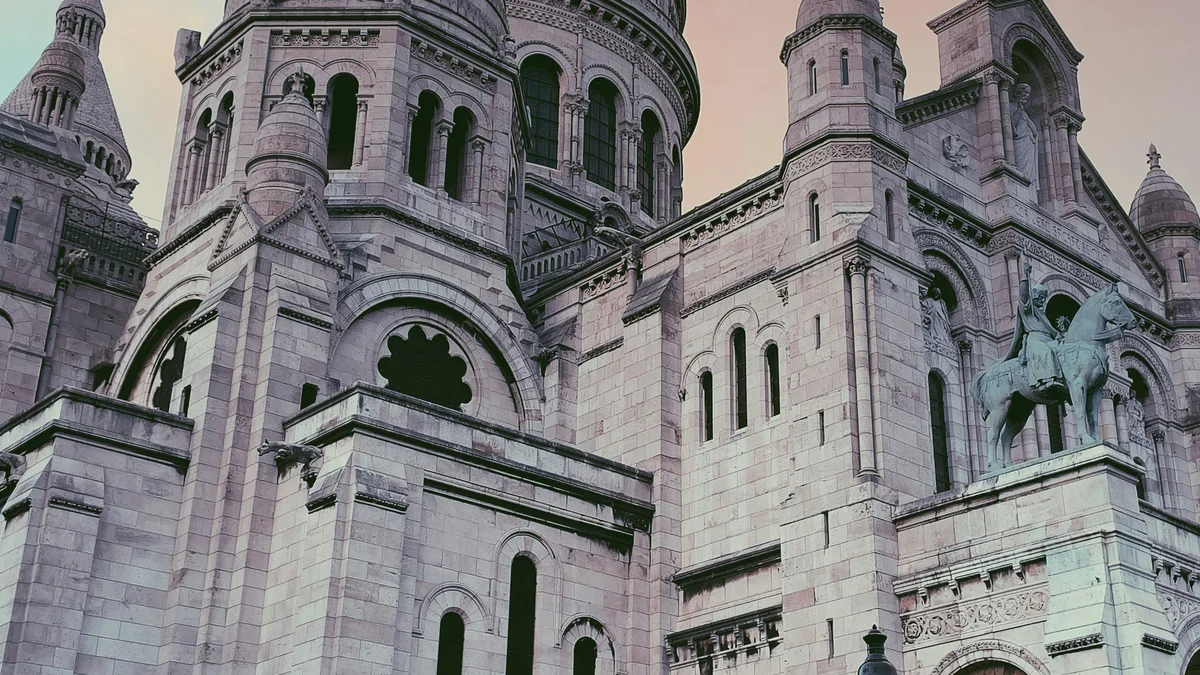
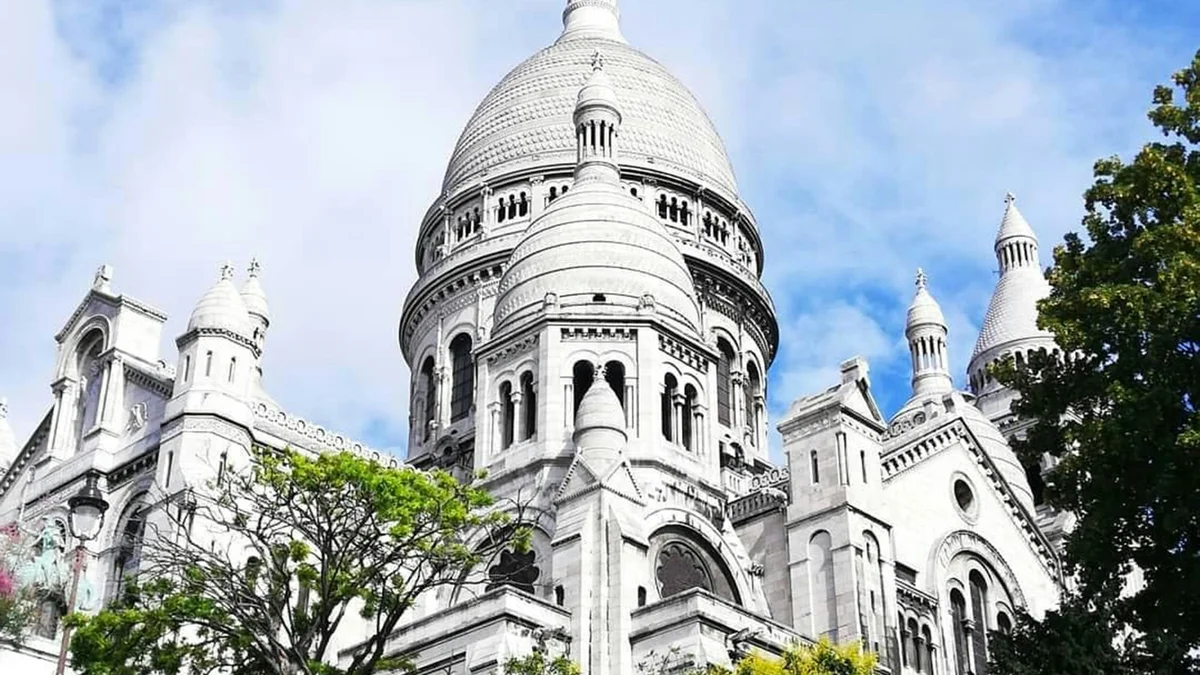
This hilltop neighborhood is crowned by the white-domed Sacré-Cœur Basilica, a Romano-Byzantine church built from self-cleaning travertine stone and consecrated in 1919. Its winding cobblestone streets and steep staircases were once home to artists like Picasso and Renoir, and the area still draws painters to Place du Tertre today. The basilica's steps offer one of the best panoramic views over Paris.
Visitor guide
Montmartre is a hill, 130 metres high, in the 18th arrondissement of northern Paris, France, known for its artistic history, its nightclub district and the white-domed Basilica of the Sacre-Coeur on its summit. The basilica, dedicated to the Sacred Heart of Jesus, overlooks the whole city.
Excavations show the heights were occupied from at least Gallo-Roman times. The name's origin is uncertain: one proposed etymology is Mons Martis, Mount of Mars, and another is Mons Martyrum, Mount of the Martyrs. Tradition holds that Saint Denis, the patron saint of Paris, was beheaded on the hill around 250 AD. The church of Saint-Pierre de Montmartre dates from 1147, and in 1534 Ignatius of Loyola and his companions took vows nearby, a step in founding the Jesuits.
Until the 19th century the hill was a village of vineyards, orchards, windmills and gypsum mines. The mining left tunnels beneath the butte, which is why the basilica needed deep foundations.
Another important church on the hill is Saint-Pierre de Montmartre, built in 1147 as the church of the Montmartre Abbey. King Louis VI founded the Royal Abbey in the 12th century, and the abbey was destroyed in 1790 during the French Revolution, although Saint-Pierre survived. The last abbess, Marie-Louise de Laval-Montmorency, was guillotined in 1794. Windmills once stood on the western slope; Wikipedia says there were once thirteen mills, though by the late nineteenth century only two remained.
After France's defeat in the Franco-Prussian War, a vow to build a church to the Sacred Heart, associated with the Catholic laymen Alexandre Legentil and Hubert Rohault de Fleury, led to the project, which was declared a public-utility work by the law of 24 July 1873. Its hilltop site above the scene of the 1871 Paris Commune made it controversial with some on the French left, who saw it as a symbol of the repression of the Communards. Paul Abadie's neo-Byzantine-Romanesque design was chosen from seventy-seven proposals, and the cornerstone was laid on 16 June 1875.
Because of the unstable ground, eighty-three wells about thirty metres deep were dug and filled with rock and concrete. Funding came entirely from private donors. After Abadie died, five other architects continued the work. The basilica was completed in 1914 and consecrated in 1919, after the First World War. It was formally approved as a monument historique on 8 December 2022.
Wikipedia notes that during the Belle Epoque many artists lived or worked around Montmartre, including Renoir, Toulouse-Lautrec, Suzanne Valadon, Maurice Utrillo, Picasso, Modigliani and van Gogh. The district also appears as the setting for several well-known films.
The Sacre-Coeur is described by Wikipedia as the second most popular tourist destination in Paris after the Eiffel Tower. Rue Foyatier beside the funicular has 222 stairs, and the funicular offers an alternative for those who prefer not to climb. Streets are steep and cobbled in places. A private guided visit with a driver can drop a group close to the summit and help them explore the quieter lanes of the old village.
See every tour and attraction we cover in Paris.