TorontoOntario · 36 tours
 Niagara FallsOntario · 25 tours
 New York CityNew York · 30 tours
 Las VegasNevada · 8 tours
 San FranciscoCalifornia · 16 tours
 VancouverBritish Columbia · 17 tours
 DubaiUAE · 54 tours
 Abu DhabiUAE · 5 tours
 Buenos AiresArgentina · 23 tours
 AthensGreece · 31 tours
 AucklandNew Zealand · 38 tours
 CancunMexico · 54 tours
No destinations match “”. Try searching all tours instead — that search understands full questions, not just place names.
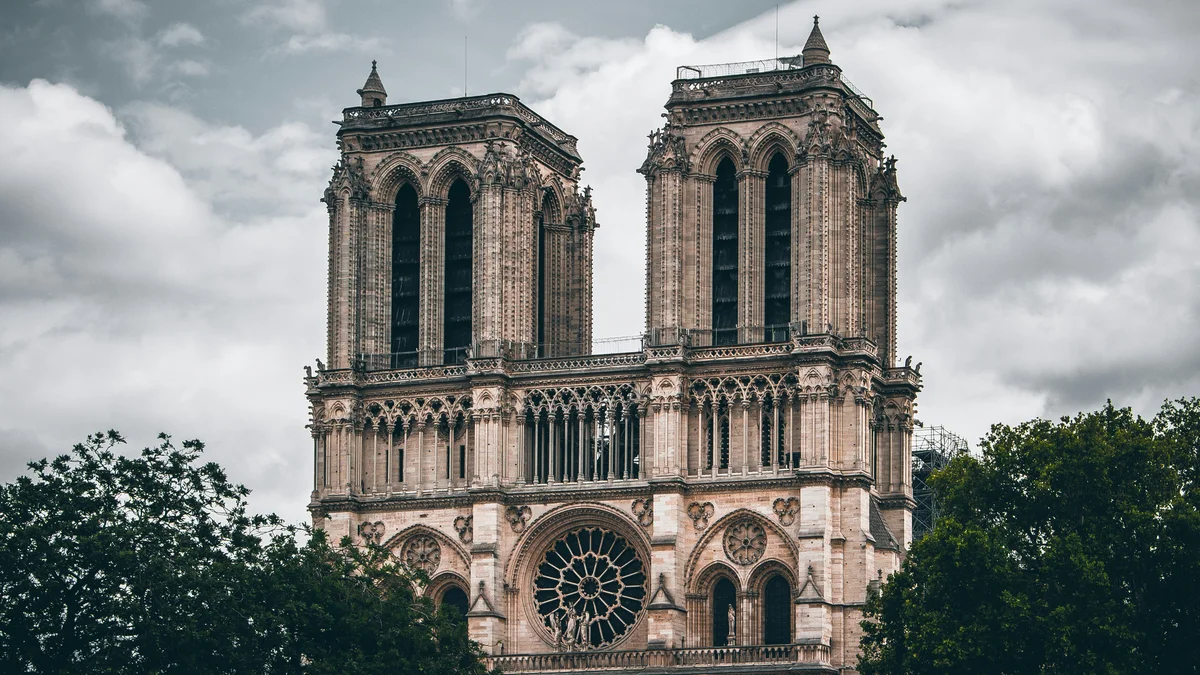
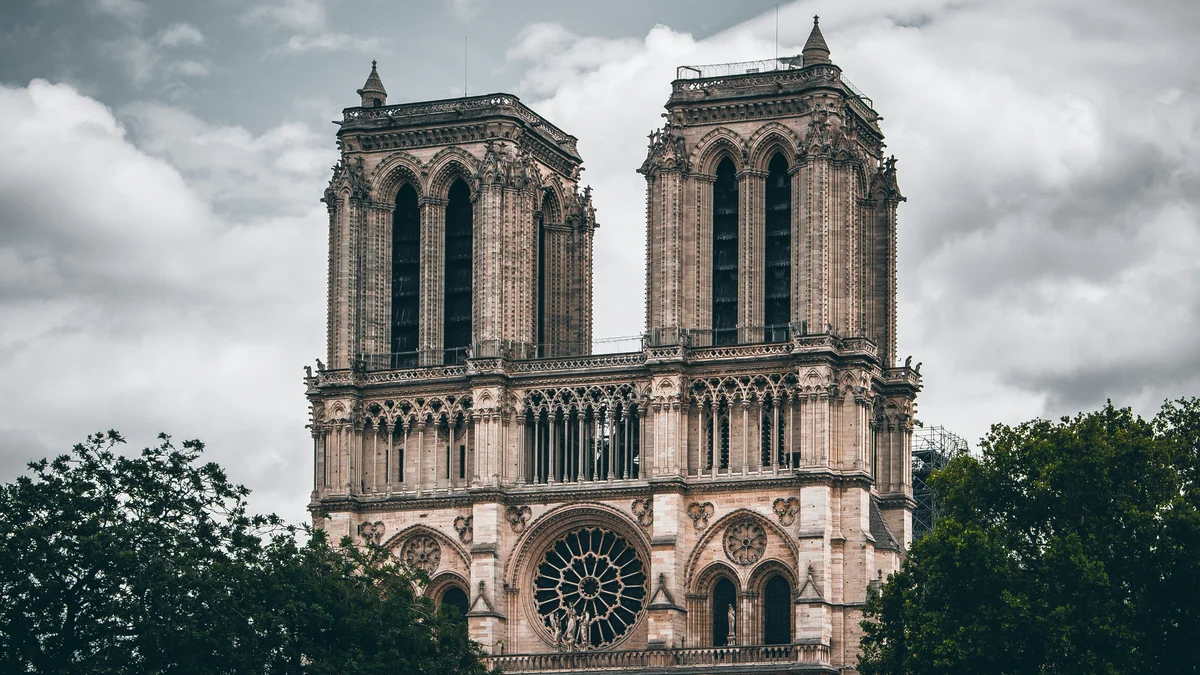
Construction of this Gothic masterpiece on the Île de la Cité began in 1163 and took nearly two centuries to complete, giving Paris its famous flying buttresses and rose windows. A devastating fire in April 2019 destroyed the spire and much of the roof, triggering a years-long international restoration effort. The cathedral reopened to visitors and worshippers in December 2024.
Visitor guide
Notre-Dame de Paris is a medieval Catholic cathedral on the Ile de la Cite, an island in the River Seine, in the 4th arrondissement of Paris, France. Dedicated to the Virgin Mary, it is considered one of the finest examples of French Gothic architecture and is the cathedral church of the Archdiocese of Paris.
Construction began in 1163 under Bishop Maurice de Sully; the cathedral's own site dates the first building phase to about 1250, while the French Ministry of Culture gives 1163 to 1345 for the main construction, and it was modified in later centuries. It replaced an earlier cathedral dedicated to Saint Stephen. Wikipedia lists the choir as completed around 1182 or 1185, the nave and flying buttresses around 1200, and the west rose window by 1220, with the transept rose windows added later in the 13th century.
The cathedral is known for its pioneering use of rib vaults and flying buttresses, its enormous colourful rose windows, and the naturalism and abundance of its sculpture. It also has three pipe organs and large bells.
During the French Revolution in the 1790s the cathedral suffered extensive desecration, and much of its religious imagery was damaged or destroyed. It was converted into a Temple of Reason in 1793. The Concordat of 1801 returned its use to the Catholic Church, and on 2 December 1804 Napoleon crowned himself Emperor there. In 1805 Pope Pius VII gave it honorary status as a minor basilica.
Victor Hugo's 1831 novel Notre-Dame de Paris, known in English as The Hunchback of Notre-Dame, inspired renewed interest in the building. A major restoration between 1844 and 1865, supervised by Eugene Viollet-le-Duc, followed. The liberation of Paris from German occupation was celebrated in the cathedral on 26 August 1944.
Notre-Dame was the setting for several important events of French history beyond religion. Wikipedia notes that in 1871, in the final days of the Paris Commune, the Communards prepared to burn the cathedral but abandoned the plan, and that from 1963 the facade was cleaned of soot and grime, with another cleaning and restoration project between 1991 and 2000.
Over time the cathedral has been stripped of many decorations, yet it still contains Gothic, Baroque and 19th-century sculptures and altarpieces. Wikipedia states that it holds some of the most important relics in Christendom, including the crown of thorns and a sliver and nail from the True Cross. Since 1905, like other French cathedrals, it has been owned by the French state, with use granted to the Catholic Church.
A fire in April 2019 caused serious damage and closed the cathedral for extensive repairs. According to Wikipedia, it reopened in December 2024. Before the fire it was the most visited monument in Paris, with around 12 million visitors a year in the early 21st century.
Even from outside, the west facade, the twin towers and the flying buttresses behind the east end are striking. The cathedral sits close to other central Paris sights, and a private tour with a driver and guide can combine it with the Seine islands and nearby districts. Access arrangements change, so confirm details before visiting.
See every tour and attraction we cover in Paris.