TorontoOntario · 36 tours
 Niagara FallsOntario · 25 tours
 New York CityNew York · 30 tours
 Las VegasNevada · 8 tours
 San FranciscoCalifornia · 16 tours
 VancouverBritish Columbia · 17 tours
 DubaiUAE · 54 tours
 Abu DhabiUAE · 5 tours
 Buenos AiresArgentina · 23 tours
 AthensGreece · 31 tours
 AucklandNew Zealand · 38 tours
 CancunMexico · 54 tours
No destinations match “”. Try searching all tours instead — that search understands full questions, not just place names.
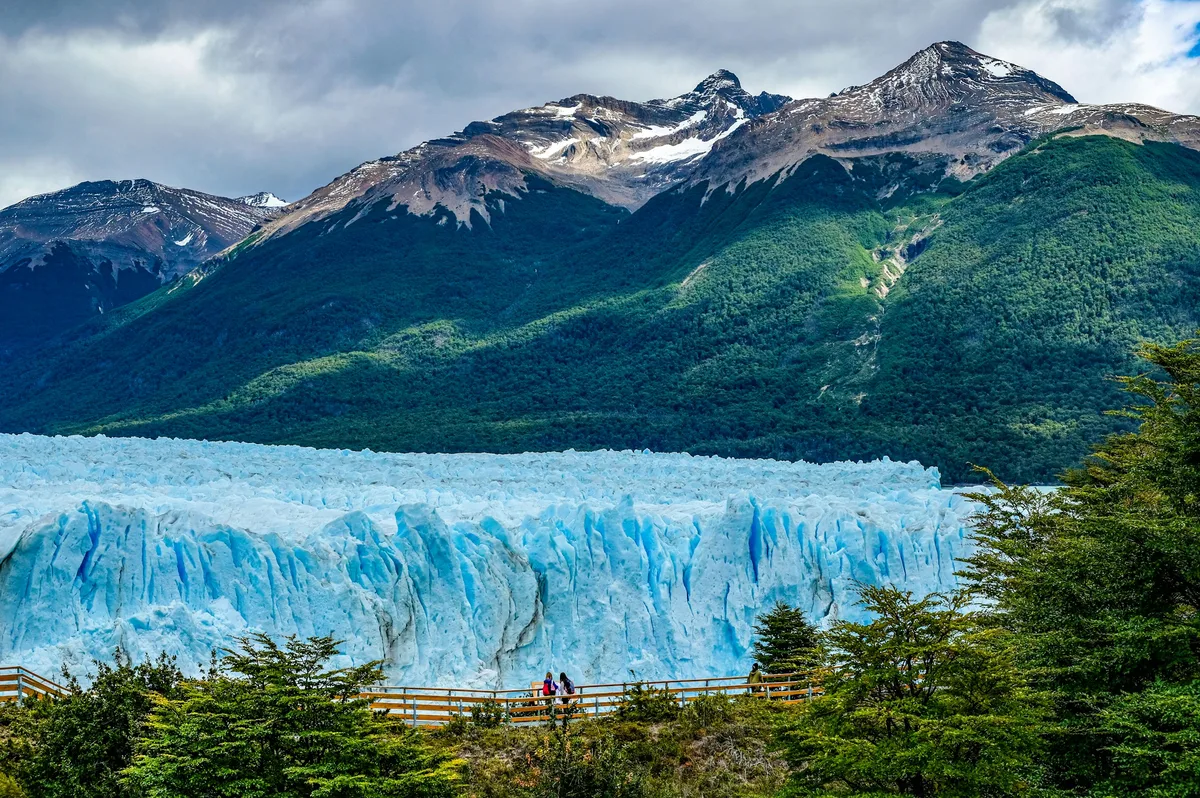
A colossal advancing glacier in Los Glaciares National Park near El Calafate, with sapphire-blue ice walls best seen from a boat tour or the park's viewing walkways.
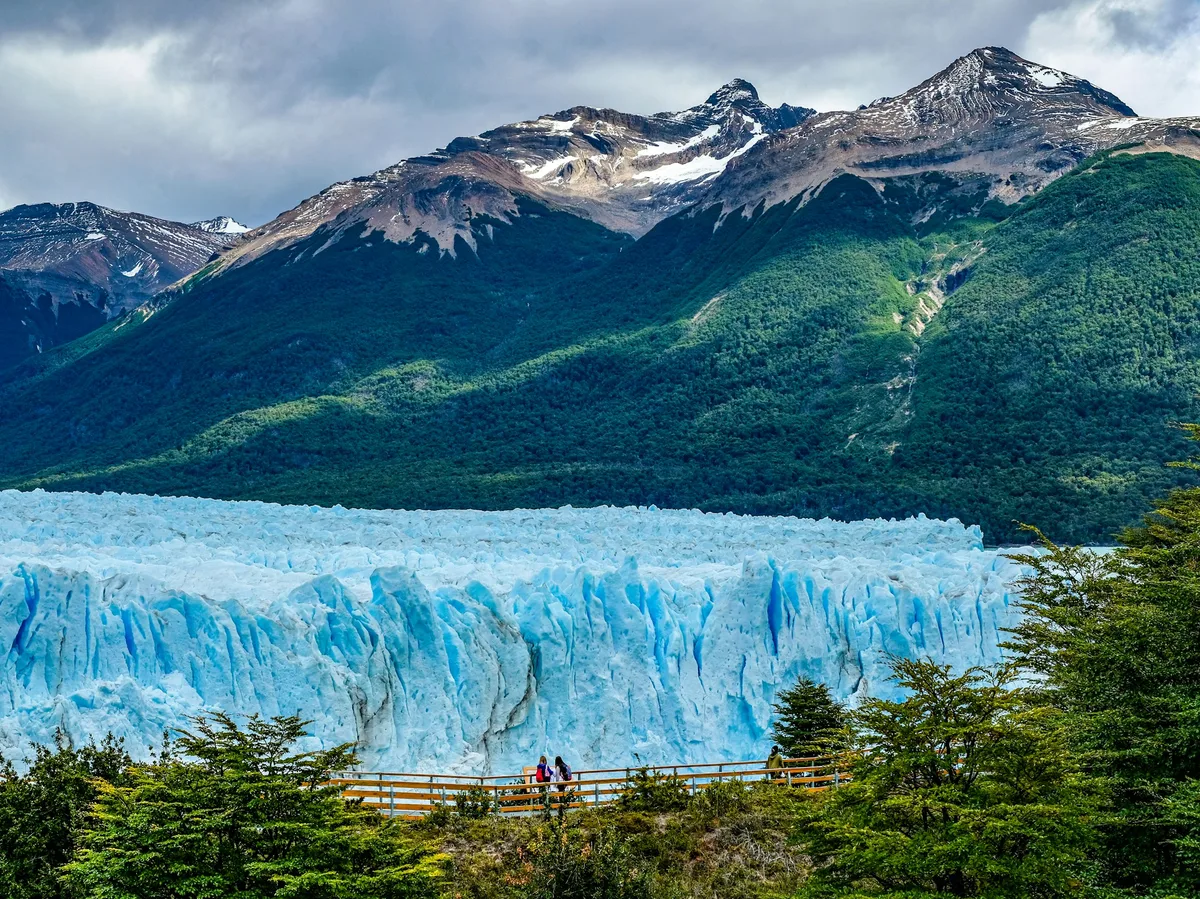 Multi-Day Tours
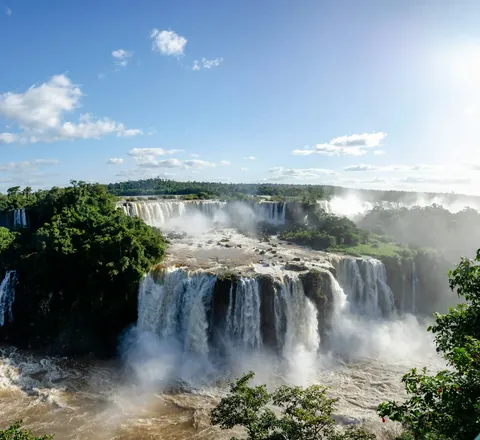
A 12-day private circuit through Argentina's icons — Buenos Aires, glacier boat tours in El Calafate, the Beagle Channel in Ushuaia, and Iguazu Falls (with a day trip to the Brazilian side).
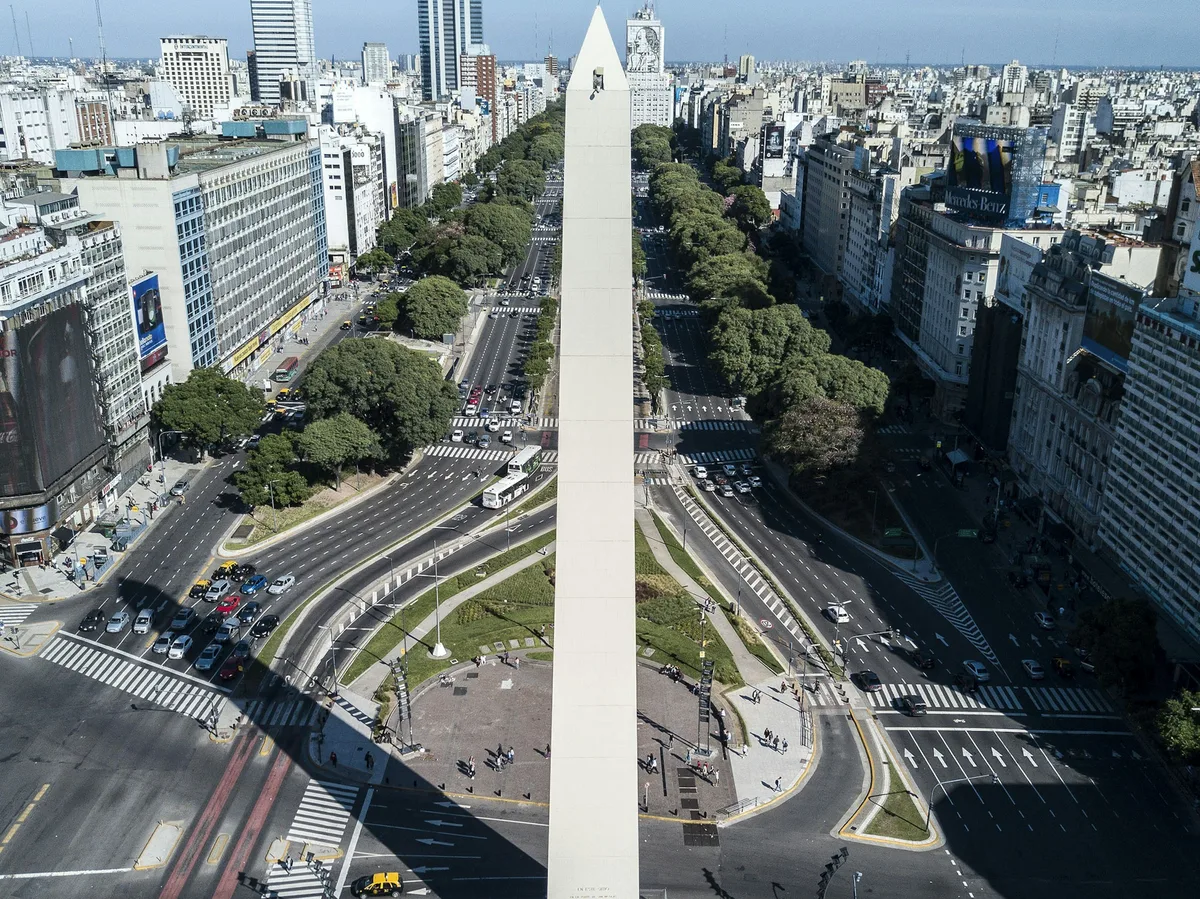 Multi-Day Tours
A 10-day family-friendly private tour through Buenos Aires by bike, glacier sailing in El Calafate, and the rainforests of Iguazu Falls.
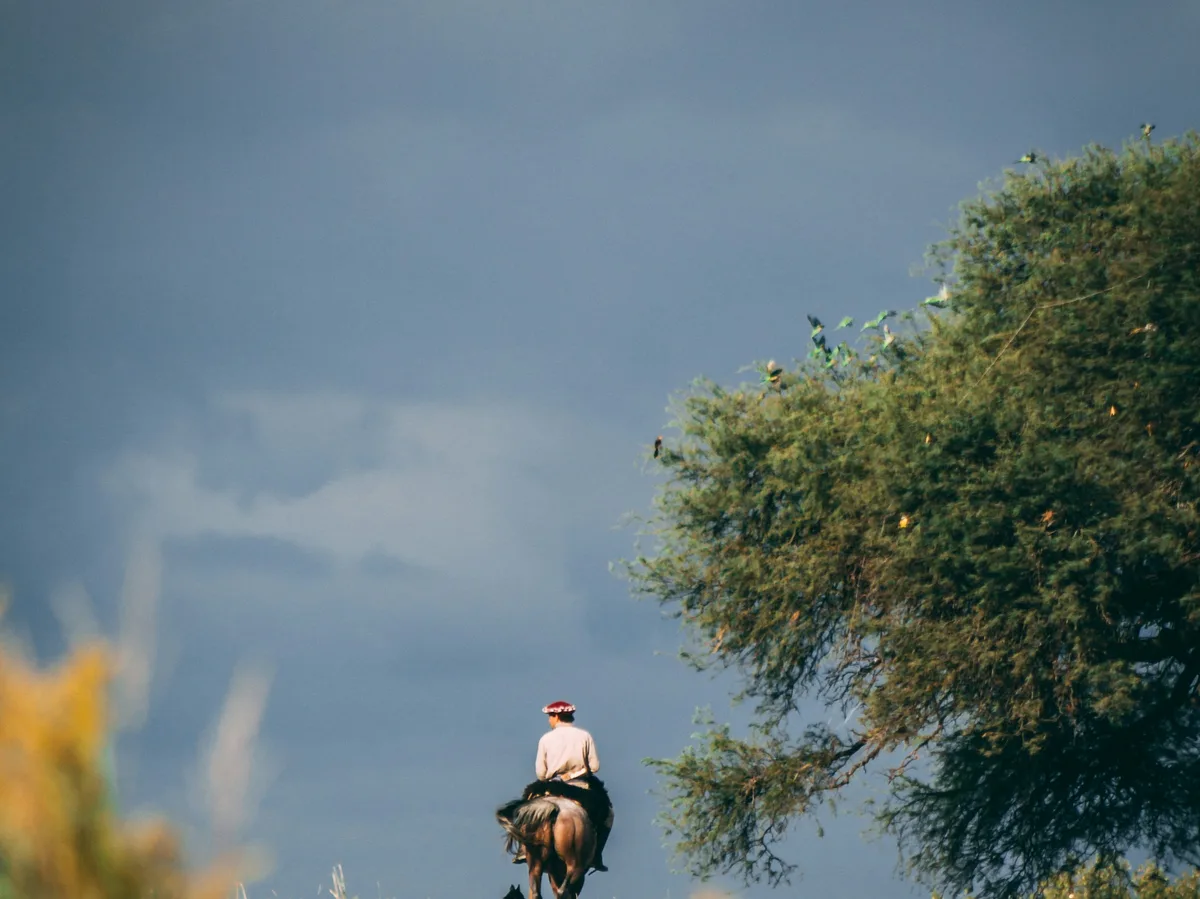 Multi-Day Tours
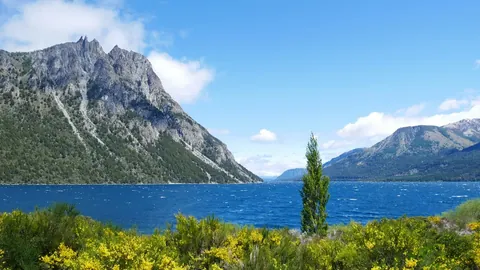
A 15-day private tour into Argentina's gaucho culture — horseback riding through the Pampas near San Antonio de Areco, then the Andes and Patagonia's Great Lakes on horseback.
Visitor guide
The Perito Moreno Glacier is a large glacier in Los Glaciares National Park in southwest Santa Cruz Province, Argentina, about 78 km from the town of El Calafate. Wikipedia describes it as one of the most important tourist attractions in Argentine Patagonia, and it ends in the waters of Lake Argentino.
The glacier covers about 250 square kilometres and is roughly 30 km long. It is one of 48 glaciers fed by the Southern Patagonian Ice Field, which Wikipedia describes as the world's third largest reserve of fresh water. The ice field is shared by Argentina and Chile, and a small part of the glacier's origin lies on the Chilean side.
The glacier's terminus is about 5 km wide, rises on average around 74 m above the surface of the lake, and has a total ice depth given as 170 m. Wikipedia notes that for much of the late 20th and early 21st centuries it was unusual among glaciers for staying in near equilibrium, accumulating ice at a rate similar to its loss, although the reason is still debated by glaciologists. Since 2020 it has been retreating along its northern front, possibly because of climate change.
The glacier has carried several names. In 1879 the Chilean naval captain Juan Tomás Rogers sighted it and called it Francisco Gormaz, and later Rudolph Hauthal of the Argentine Boundary Commission named it Bismarck. In 1899 Lieutenant Iglesias of the Argentine Hydrographic Institute named it for Francisco Moreno, the explorer known as Perito Moreno, who studied the region and played a major role in defending Argentina's position in the 1902 arbitration with Chile.
Pressure from the ice pushes the glacier across an arm of the lake, reaching the Magallanes Peninsula and splitting the water into the Brazo Rico and the Canal de los Témpanos. With no outlet, the water on the Brazo Rico side can rise as much as 30 m above the main body of the lake. Eventually the water breaks through the ice barrier in what is called a rupture.
According to Wikipedia, this cycle recurs between about once a year and less than once a decade, with recorded ruptures including 1917, 1988, 2004, 2008 and 2019. The 2004 event drew an estimated 10,000 onlookers. The glacier is also described as advancing between June and December and receding between December and April.
Visitors typically see the glacier from walkways and viewing points on the Magallanes Peninsula, where the ice wall is seen across the water, and from boat trips on Lake Argentino. The sound of ice cracking and calving into the lake is part of the experience. Patagonian weather can change quickly and winds off the ice are cold even in summer, so warm layers are advisable. A private guided visit from El Calafate suits the site because the journey of about 78 km is easily combined with time at the viewpoints.
See every tour and attraction we cover in Argentina.