TorontoOntario · 36 tours
 Niagara FallsOntario · 25 tours
 New York CityNew York · 30 tours
 Las VegasNevada · 8 tours
 San FranciscoCalifornia · 16 tours
 VancouverBritish Columbia · 17 tours
 DubaiUAE · 54 tours
 Abu DhabiUAE · 5 tours
 Buenos AiresArgentina · 23 tours
 AthensGreece · 31 tours
 AucklandNew Zealand · 38 tours
 CancunMexico · 54 tours
No destinations match “”. Try searching all tours instead — that search understands full questions, not just place names.
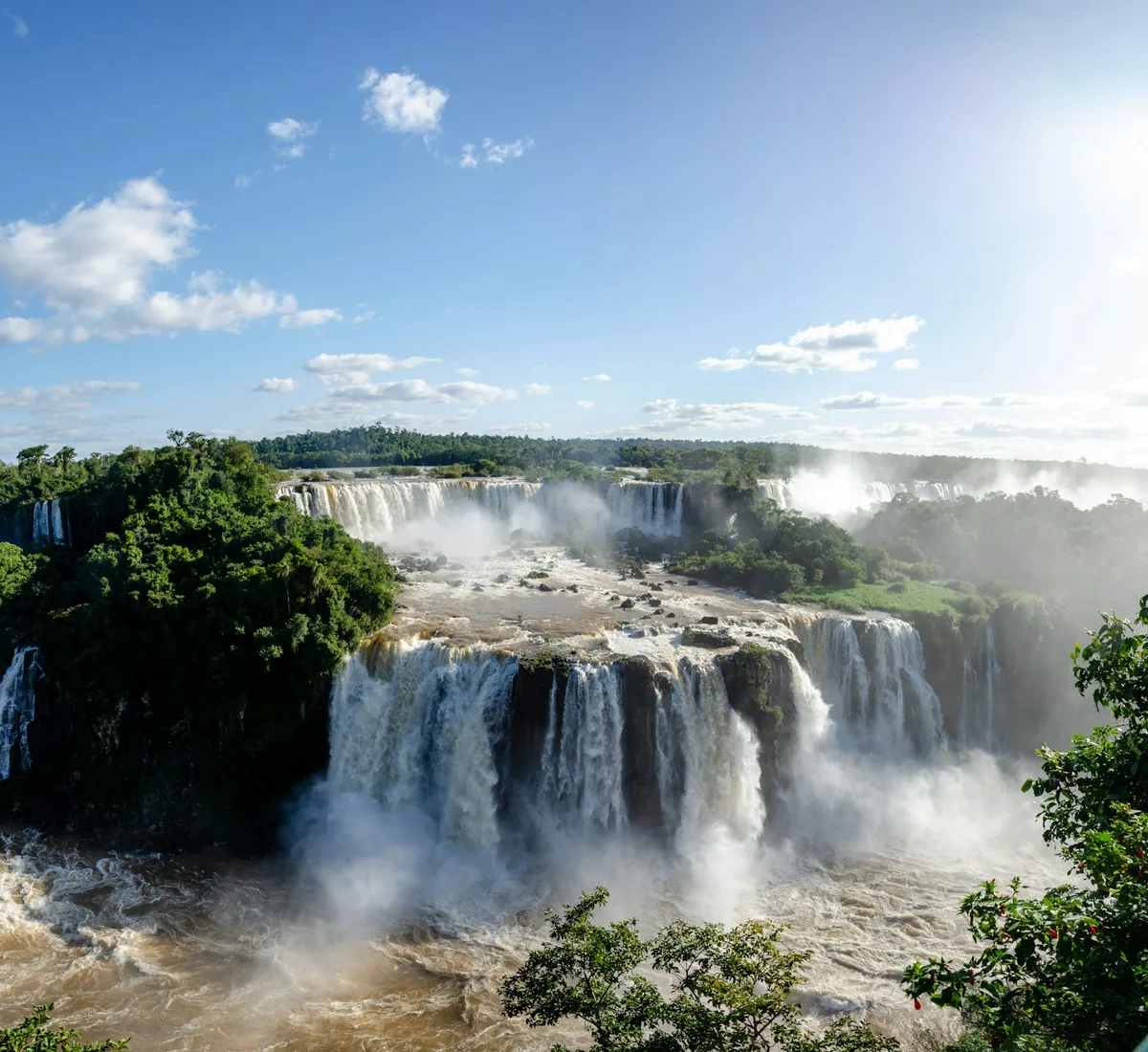
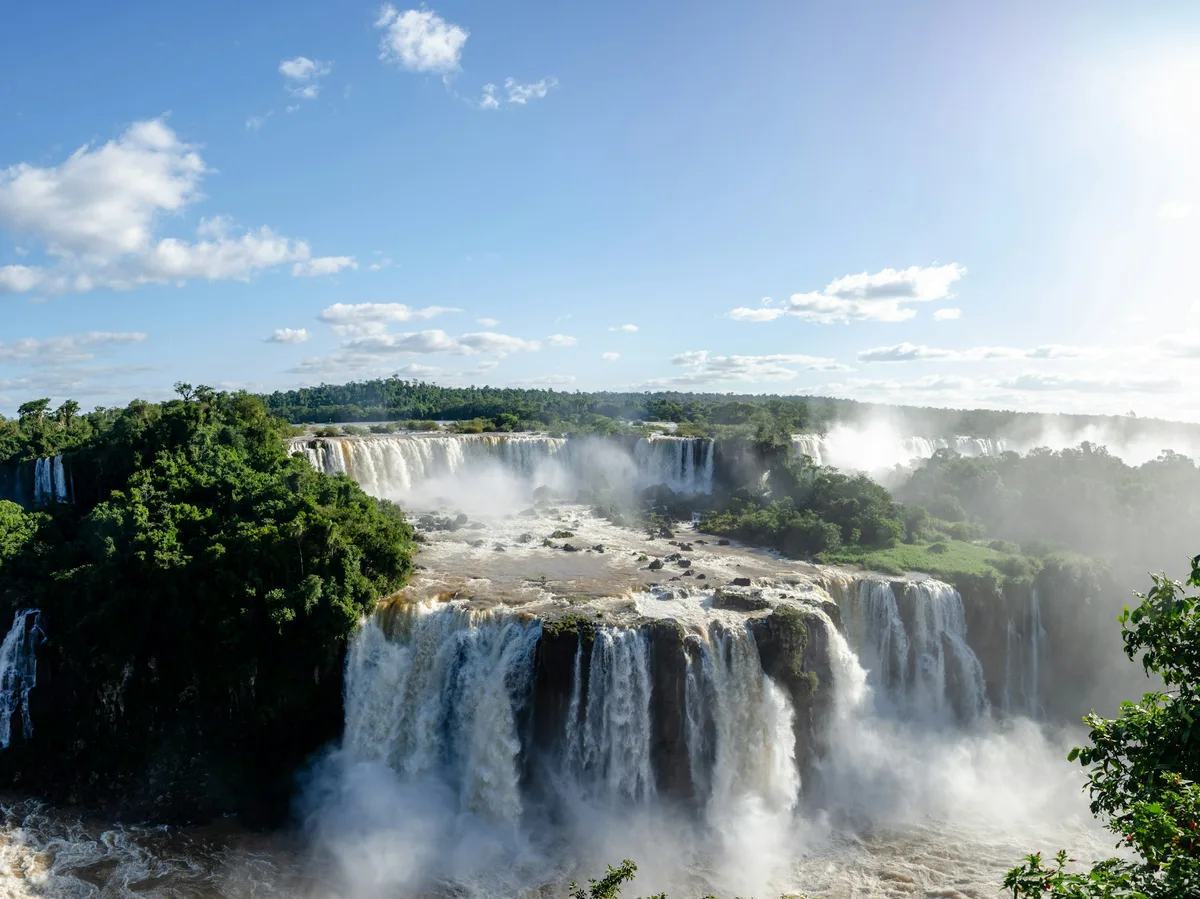
The Argentine side of the Iguazu Falls system, with walkways that bring visitors to the edge of the Garganta del Diablo, the largest of the roughly 275 individual cascades.
 Multi-Day Tours
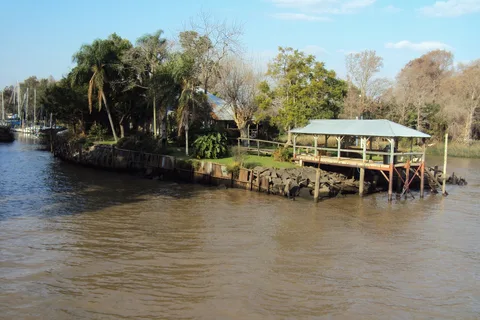
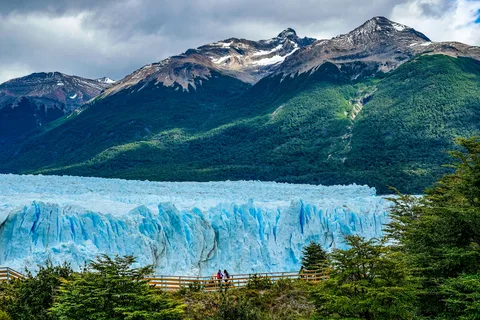
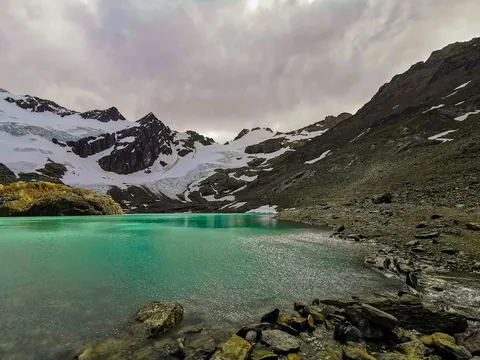
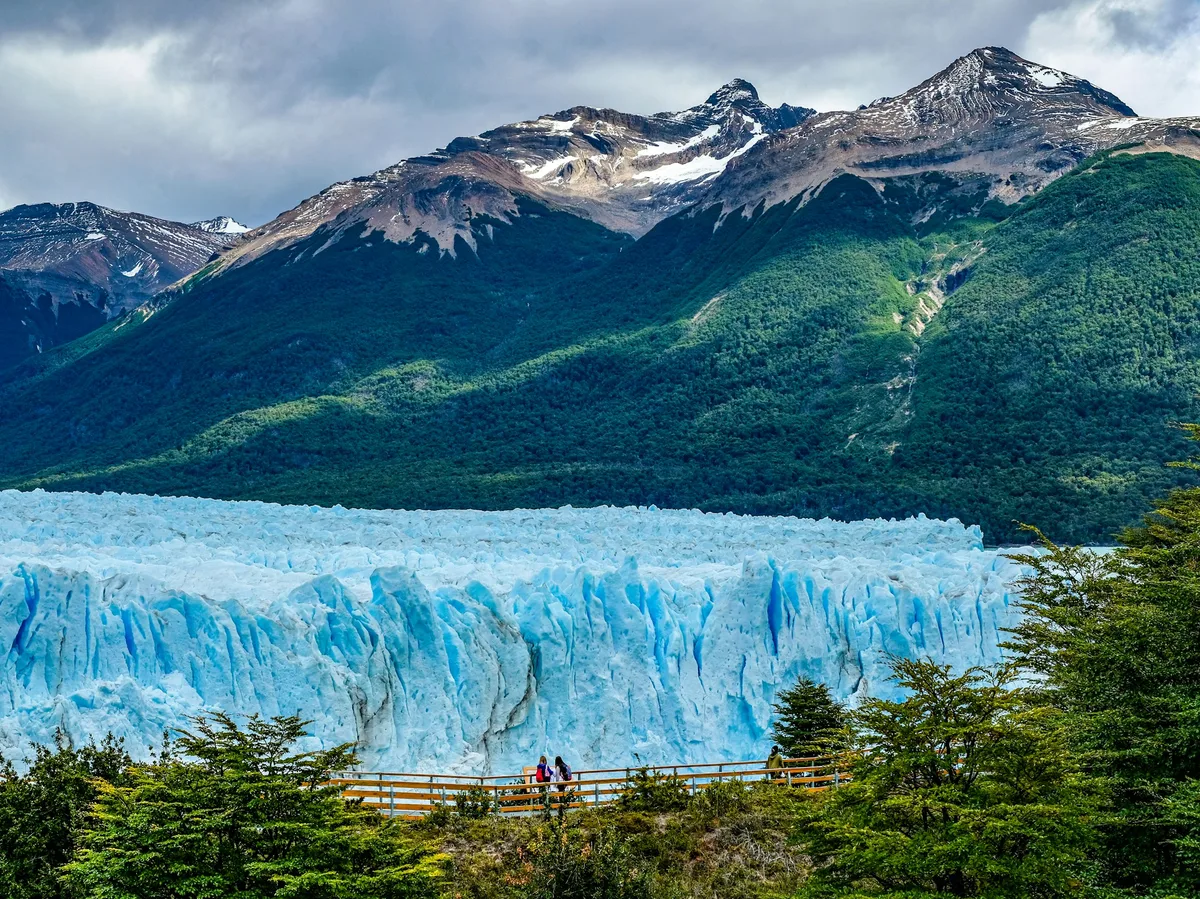
A 12-day private circuit through Argentina's icons — Buenos Aires, glacier boat tours in El Calafate, the Beagle Channel in Ushuaia, and Iguazu Falls (with a day trip to the Brazilian side).
 Multi-Day Tours
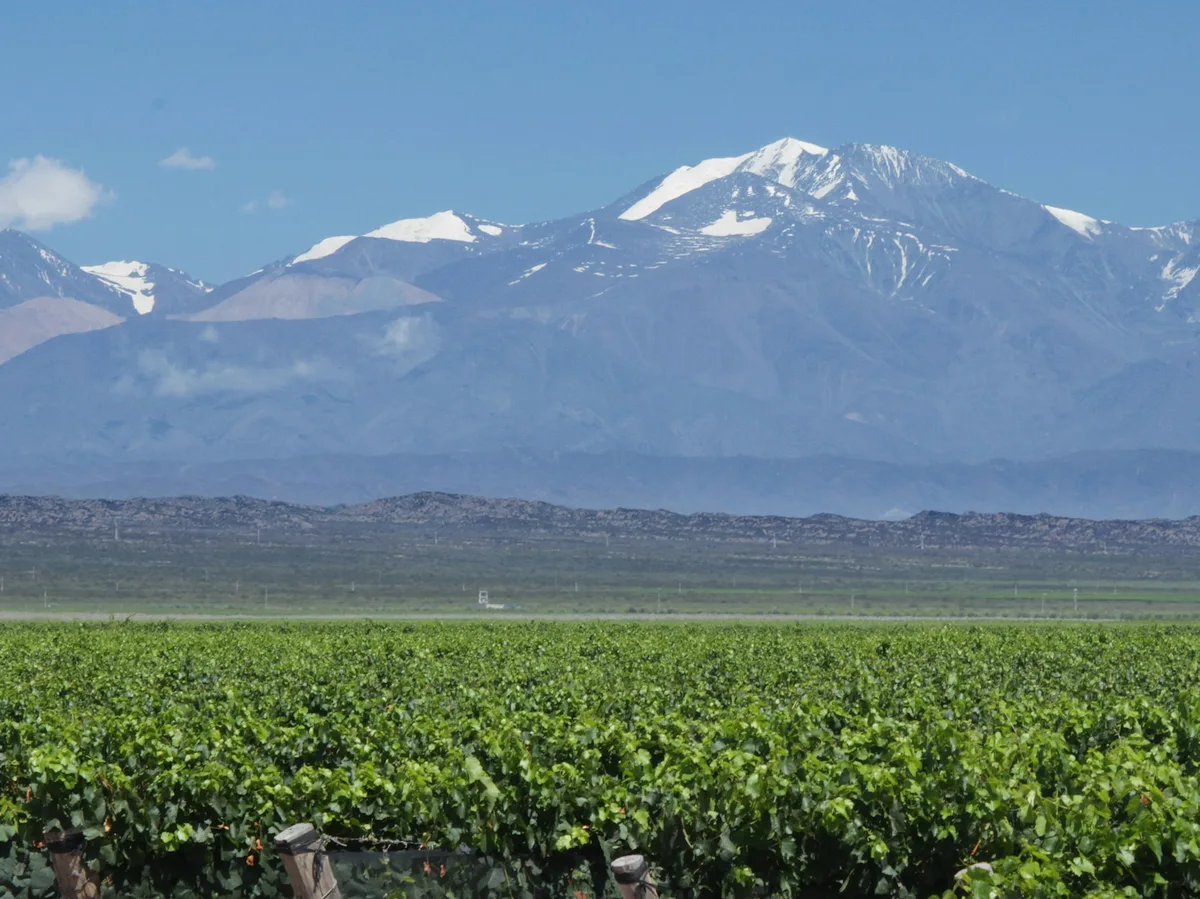
A 9-day private tour through Buenos Aires' tango culture and Mendoza's wine country — the Uco Valley, olive oil production, and the Andes' Aconcagua Provincial Park.
 Multi-Day Tours
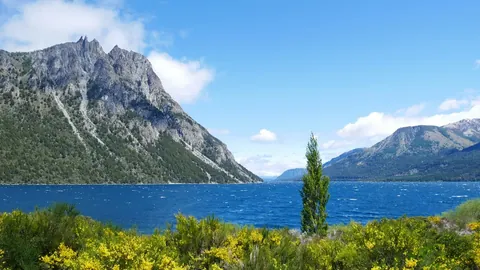
A 19-day private odyssey across Argentina — Buenos Aires, Iguazu Falls, Bariloche's Lake District, glacier trekking in El Chaltén and El Calafate, and Ushuaia's Beagle Channel.
 Multi-Day Tours
A 12-day sustainable private tour through the Tigre Delta, Iguazu Falls, and the Iberá Wetlands, staying in hand-picked eco-lodges throughout.
 Multi-Day Tours
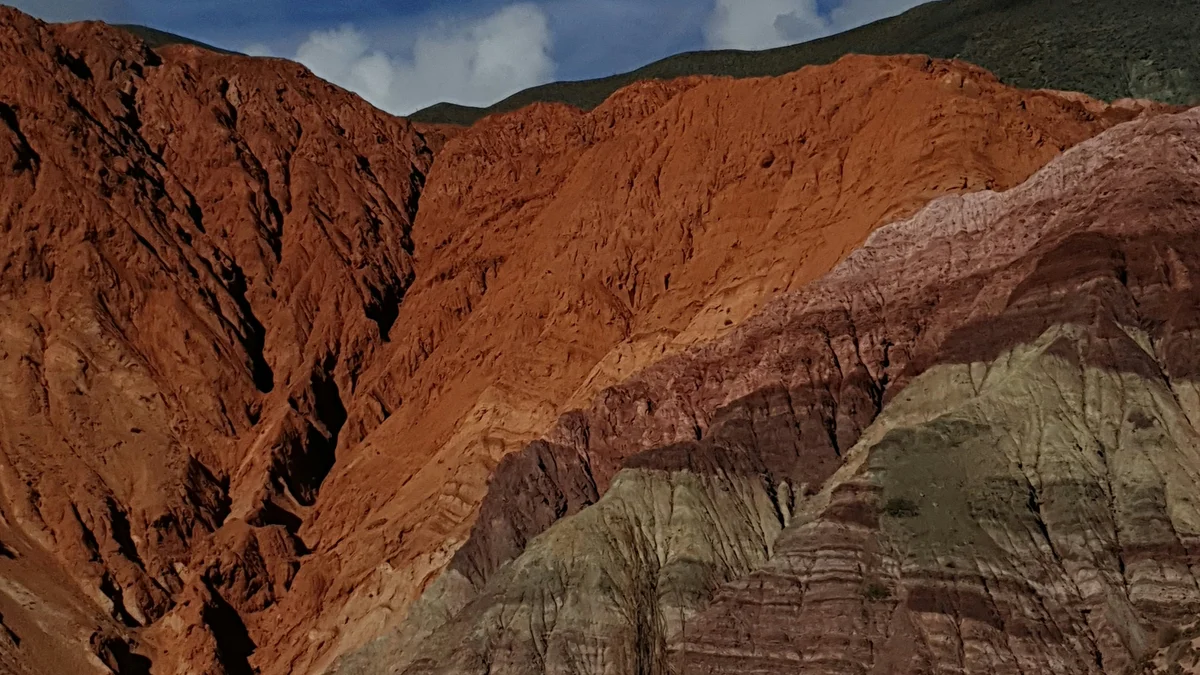
A 14-day private tour spanning Argentina's extremes — Buenos Aires, Iguazu Falls, Salta's colorful north with Purmamarca's Rainbow Mountain, and glaciers in El Calafate.
Visitor guide
Iguazu Falls on the Argentine side is the larger share of the waterfall system on the Iguazu River, on the border of Argentina's Misiones Province and Brazil's state of Paraná. The Argentine part lies in Iguazú National Park, and Wikipedia states that most of the falls are on the Argentine side.
The Iguazu River rises near Curitiba and flows mostly through Brazil before forming the border between the two countries. The falls run along an edge about 2.7 km long, broken by islands into many separate cascades. Their number varies with water level and is commonly given as between 150 and 300, with heights between about 60 and 82 m. The Devil's Throat, or Garganta del Diablo, is a long, narrow chasm that takes about half of the river's flow and is roughly 80 to 90 m wide and 70 to 80 m deep.
Wikipedia gives the share of the falls on each side as roughly 80 percent Argentine and just over 20 percent Brazilian, although more than 95 percent of the river basin is in Brazil. Among the larger named falls are San Martín, Adam and Eve, Penoni and Bergano. The name Iguazú comes from Guarani or Tupi words for big water, and a legend, told as legend, says a deity split the river in rage after the lovers Naipí and Tarobá fled in a canoe.
According to Wikipedia, the first European to record the falls was the Spanish conquistador Álvar Núñez Cabeza de Vaca in 1541. The area around the Argentine park was inhabited about 10,000 years ago by hunter-gatherers of the Eldoradense culture, later displaced by the Guaraní. Iguazú National Park was created in 1934, and the Argentine and Brazilian parks were inscribed as UNESCO World Heritage Sites in 1984 and 1986. The Argentine park covers about 677 square kilometres.
On the Argentine side, walkways run through the forest to the elongated stretch of falls, and a trail of roughly one kilometre brings visitors directly over the Devil's Throat. Boats connect to San Martín Island, and inflatable boat services take visitors close to the falls. A small train, the Rainforest Ecological Train, serves the park's access route.
The park lies in the Alto Paraná Atlantic forests ecoregion. Wikipedia lists jaguar, South American tapir, ocelot, anteater, harpy eagle and yacare caiman among its fauna, with coatis, toucans and many butterflies commonly seen. Trees along the river include the ceibo, whose flower is Argentina's national flower, and lapacho and palo rosa.
The falls can be reached from Puerto Iguazú in Argentina, and the park has an international airport nearby. The subtropical climate is humid, so rain gear and sun protection are both useful. A private guided visit suits the site because the park is large and the walkways link several viewpoints, and a guide can help you choose the order in which to see them.
See every tour and attraction we cover in Argentina.