TorontoOntario · 36 tours
 Niagara FallsOntario · 25 tours
 New York CityNew York · 30 tours
 Las VegasNevada · 8 tours
 San FranciscoCalifornia · 16 tours
 VancouverBritish Columbia · 17 tours
 DubaiUAE · 54 tours
 Abu DhabiUAE · 5 tours
 Buenos AiresArgentina · 23 tours
 AthensGreece · 31 tours
 AucklandNew Zealand · 38 tours
 CancunMexico · 54 tours
No destinations match “”. Try searching all tours instead — that search understands full questions, not just place names.
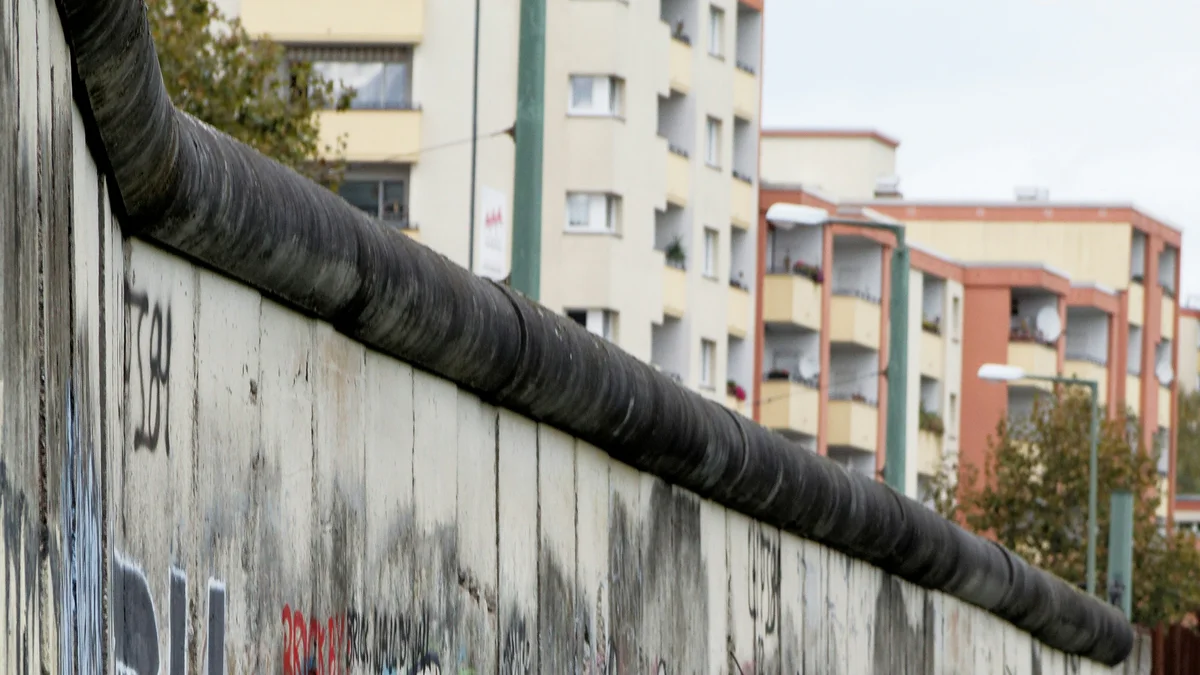
Stretching along Bernauer Strasse, the Berlin Wall Memorial preserves an original, protected section of the Wall along with its death strip, a documentation center, and a chapel of reconciliation. It is the most complete surviving record of how the Wall divided the city from 1961 to 1989, distinct from the East Side Gallery's painted murals on another preserved stretch near the Spree.
Visitor guide
The Berlin Wall Memorial is the main memorial to the division of Berlin and the people who died at the Wall, located on Bernauer Strasse in the city centre. It combines a preserved stretch of the border strip, a documentation centre, a chapel and a visitor centre.
According to Wikipedia, the memorial was created by the Federal Republic of Germany and the State of Berlin and stands on Bernauer Strasse at the corner of Ackerstrasse. The German Historical Museum proposed the idea on behalf of the federal government, and the architects Kohlhoff and Kohlhoff were commissioned. The page cites 1998 as its creation date, while also noting that the Berlin House of Representatives approved the opening on 11 September 2008, a discrepancy it does not explain. The federal government paid for construction and the state covers maintenance.
The memorial includes a 70-metre section of the former border that shows the Wall as it stood when it fell. From the west it consists of an L-shaped element wall, a sandy strip, a lit patrol road, a signal fence, an inner wall and a tower. The area is closed to walking, and both ends are sealed with stainless steel. An inscription on the northern wall commemorates the division of the city and the victims of communist rule.
Across Bernauer Strasse, the Documentation Centre contains seminar rooms and exhibitions and a five-storey observation tower. Wikipedia records that the centre drew over 220,000 visitors in 2006. A visitor centre opened at the corner of Gartenstrasse and Bernauer Strasse, and the open-air area west of Nordbahnhof was developed as a memorial landscape.
The Chapel of Reconciliation, designed by the architects Rudolf Reitermann and Peter Sassenroth, is an oval building with a facade of wooden rods. It contains a prayer room and materials from the former Versoehnungskirche, the Reconciliation Church, which was destroyed in 1985 because it stood inside the border strip.
A planned extension was meant to show original border relics, mark missing parts of the Wall in steel on the ground, and divide the site into four areas covering the Wall and death strip, the destruction of the city, the building of the Wall, and what happened at the Wall. Because the memorial has grown in stages, it is worth confirming current exhibitions before visiting.
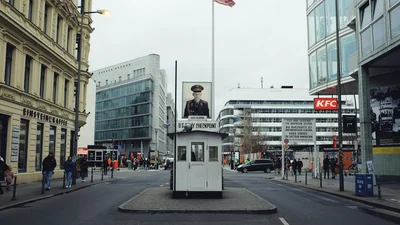
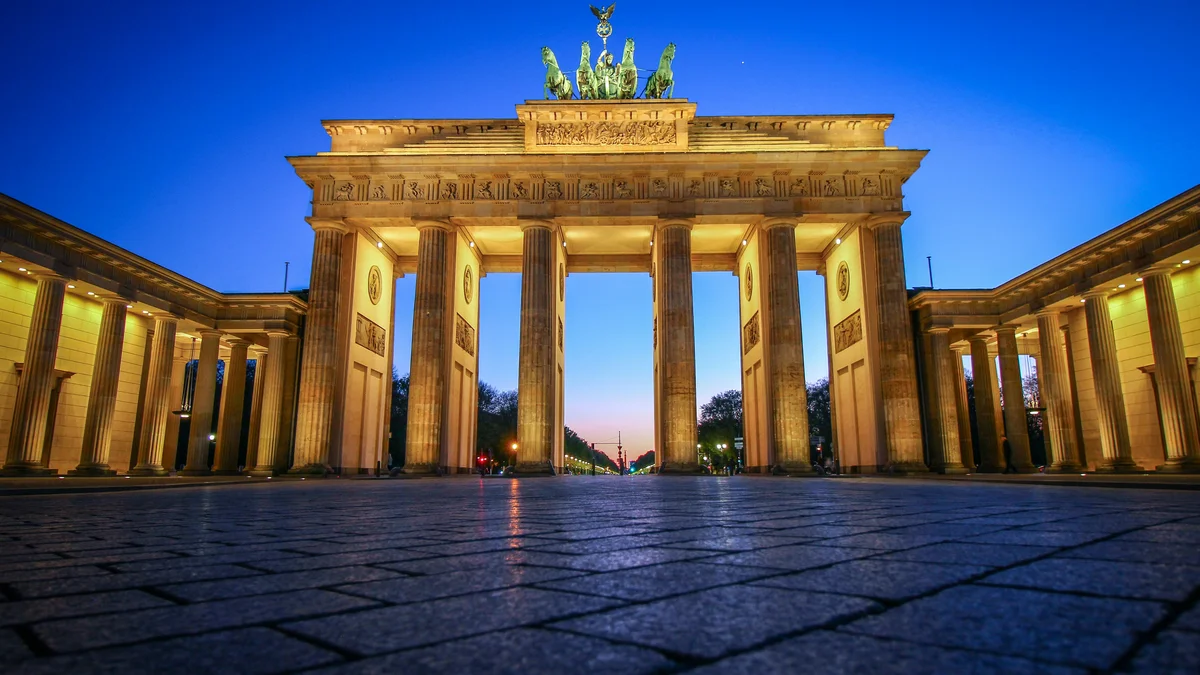
The memorial sits on Bernauer Strasse, a street in central Berlin that the border strip ran along, and a private guided visit can place it in the wider story of the divided city, alongside sites such as Checkpoint Charlie and the Brandenburg Gate. The preserved strip, the tower and the chapel make it one of the places where the physical structure of the border can still be read on the ground.
See every tour and attraction we cover in Berlin.