TorontoOntario · 36 tours
 Niagara FallsOntario · 25 tours
 New York CityNew York · 30 tours
 Las VegasNevada · 8 tours
 San FranciscoCalifornia · 16 tours
 VancouverBritish Columbia · 17 tours
 DubaiUAE · 54 tours
 Abu DhabiUAE · 5 tours
 Buenos AiresArgentina · 23 tours
 AthensGreece · 31 tours
 AucklandNew Zealand · 38 tours
 CancunMexico · 54 tours
No destinations match “”. Try searching all tours instead — that search understands full questions, not just place names.
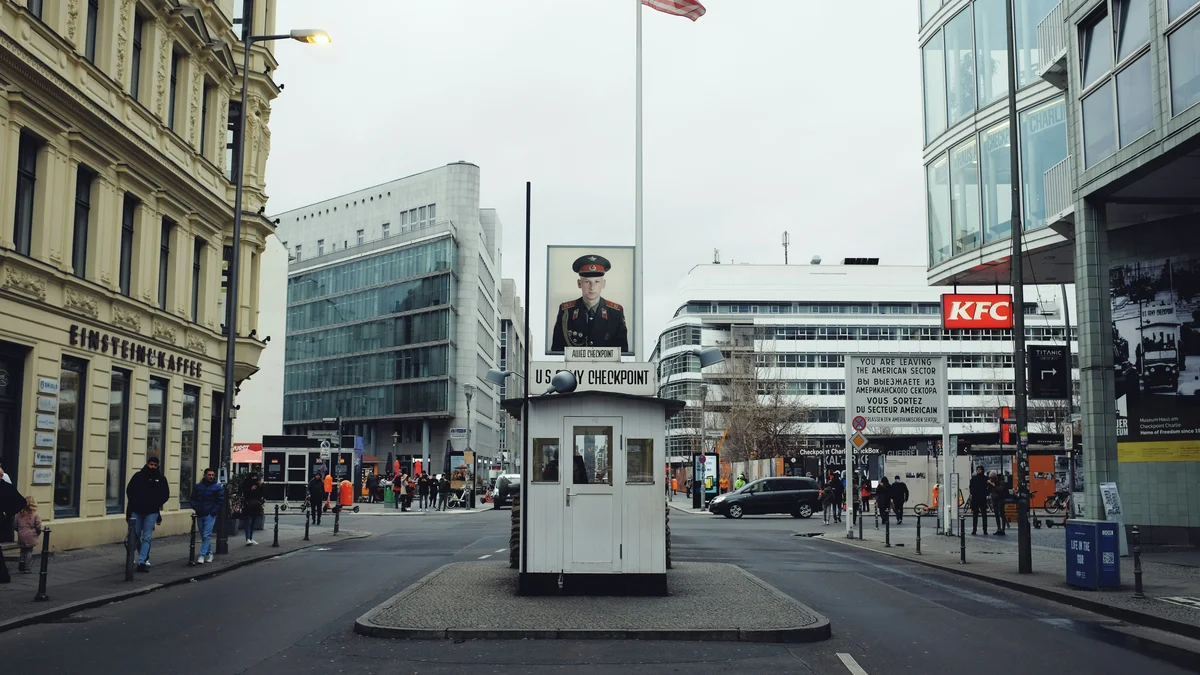
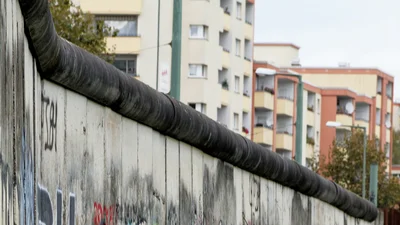
The best-known Allied border crossing point between East and West Berlin during the Cold War, Checkpoint Charlie was the site of a tense 1961 standoff between American and Soviet tanks. Today a replica guard booth and sign mark the spot, and the nearby Mauermuseum (Wall Museum) documents real escape attempts made across the border here.
Visitor guide
Checkpoint Charlie was the Western Allies' name for the best-known crossing point between East and West Berlin during the Cold War. Located in central Berlin at the junction of Friedrichstrasse, Zimmerstrasse and Mauerstrasse, it became a symbol of the division between East and West.
East Germany erected a barbed-wire barrier on 13 August 1961, and police and army engineers began building a concrete wall two days later. According to the Berlin Wall Foundation, as cited on Wikipedia, the crossing was created roughly ten weeks after the border closure. The Western Allies protested the restriction on their movement, then accepted it and set up their own checkpoint on the West Berlin side. The name Charlie comes from the letter C in the NATO phonetic alphabet, following Checkpoint Alpha at Helmstedt and Checkpoint Bravo at Dreilinden.
It was the only designated crossing for foreign tourists, dignitaries and Allied military personnel. The Allies never built permanent structures there, and their wooden guardhouse was replaced in May 1976 by a larger metal container, while East Germany added watchtowers, zig-zag barriers and an inspection shed over the crossing's 28 years of operation.
The confrontation began on 22 October 1961 over whether East German guards could check the travel documents of the US diplomat Allan Lightner, who was heading to an opera in East Berlin. By 27 October ten Soviet tanks and a similar number of American tanks faced each other about 100 yards apart. The standoff ended peacefully on 28 October after a US-Soviet understanding, with Robert F. Kennedy and the Soviet intelligence officer Georgi Bolshakov playing key roles in the talks.
On 17 August 1962, 18-year-old Peter Fechter was shot by East German guards while trying to escape and lay in barbed wire in view of the world's media. He bled to death, and his body was removed more than an hour later. His death prompted a spontaneous protest on the West German side, criticising both the East's actions and the West's inaction.
The Wall opened in November 1989, and the checkpoint booth was removed on 22 June 1990. It remained an official crossing for foreigners and diplomats until German reunification in October 1990. The original American guardhouse was removed in 1990 and is now displayed at the Allied Museum in Zehlendorf; a replica resembling the 1961 guardhouse stands roughly on the original site.
The Mauermuseum, also called the Haus am Checkpoint Charlie, opened on 14 June 1963 and displays escape devices such as a hot-air balloon and escape cars. The open-air BlackBox Cold War exhibition has operated since 2012. In 2019 Berlin authorities banned staged photo sessions with costumed actors after complaints. A private guided visit can set the site in the wider story of the Berlin Wall.
See every tour and attraction we cover in Berlin.