TorontoOntario · 36 tours
 Niagara FallsOntario · 25 tours
 New York CityNew York · 30 tours
 Las VegasNevada · 8 tours
 San FranciscoCalifornia · 16 tours
 VancouverBritish Columbia · 17 tours
 DubaiUAE · 54 tours
 Abu DhabiUAE · 5 tours
 Buenos AiresArgentina · 23 tours
 AthensGreece · 31 tours
 AucklandNew Zealand · 38 tours
 CancunMexico · 54 tours
No destinations match “”. Try searching all tours instead — that search understands full questions, not just place names.
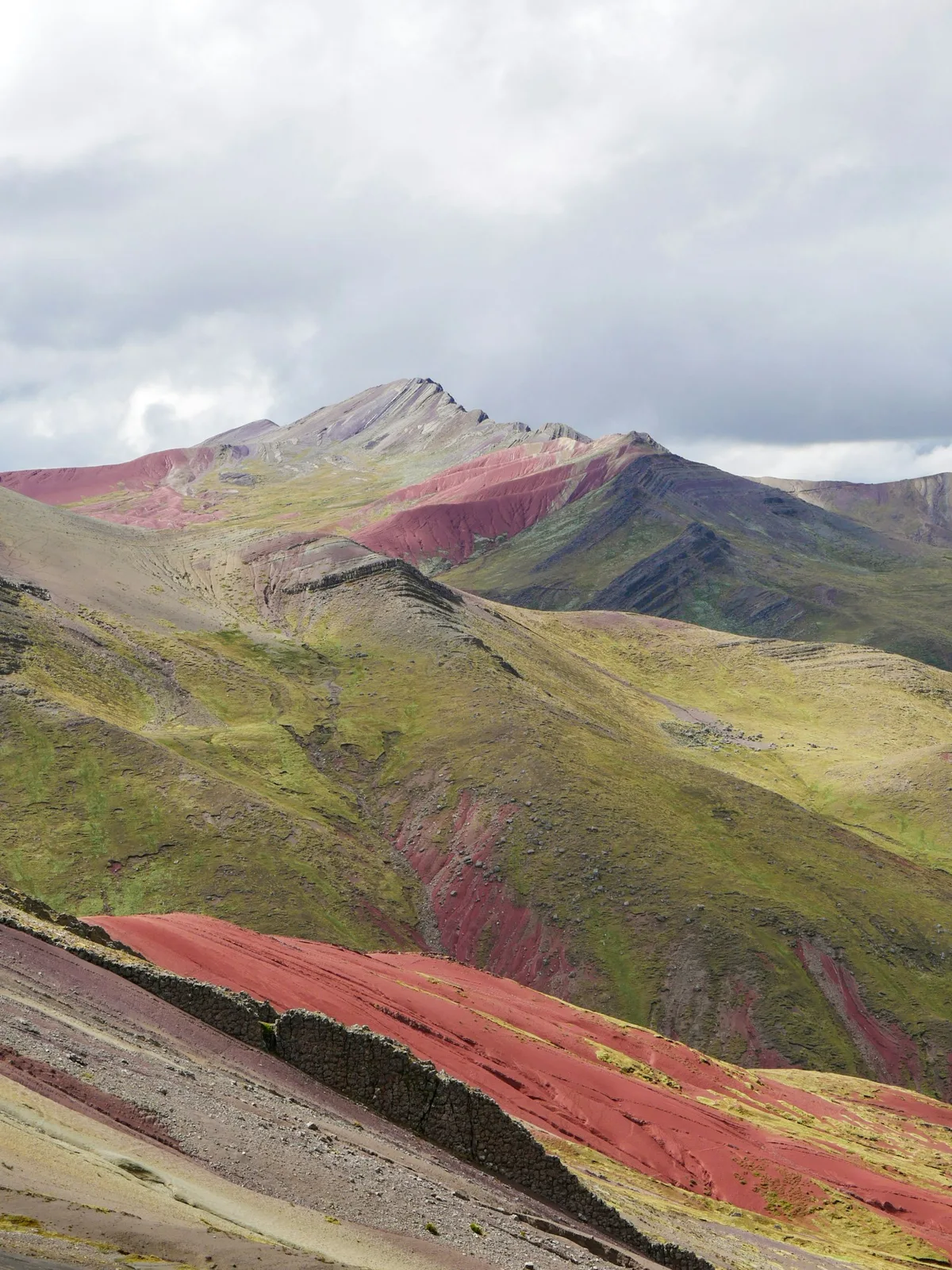
A UNESCO-listed Andean valley in Argentina's far north, famous for the striped rock face of the Cerro de los Siete Colores above the town of Purmamarca.
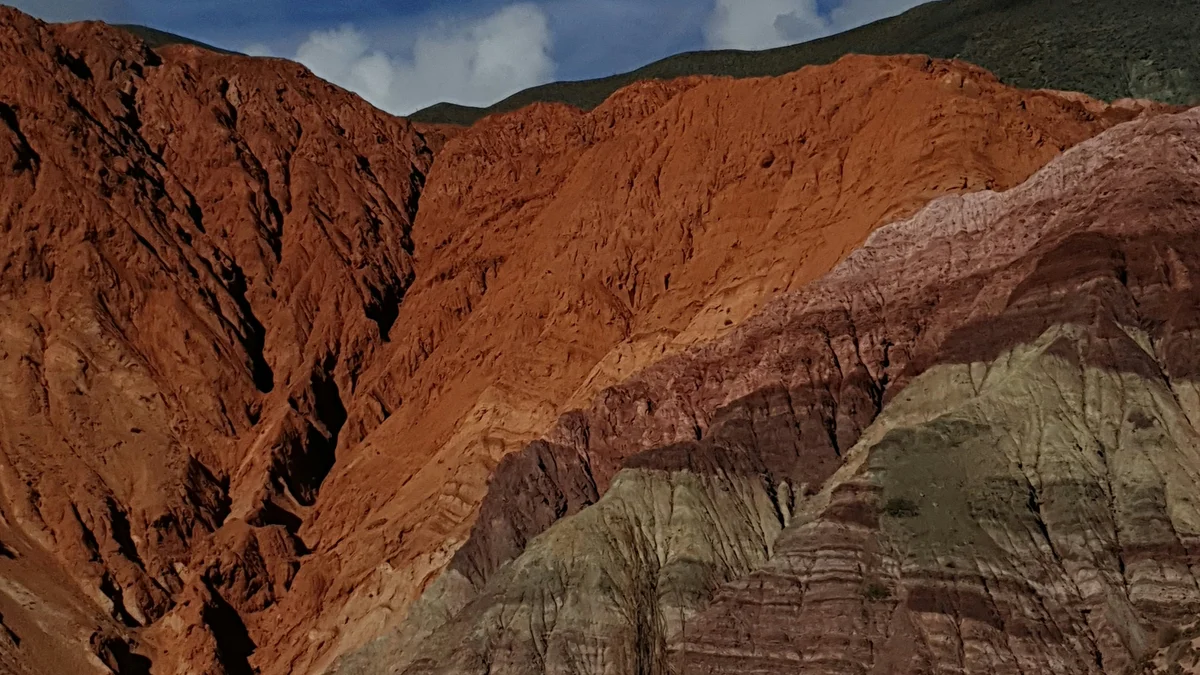 Multi-Day Tours
A 14-day private tour spanning Argentina's extremes — Buenos Aires, Iguazu Falls, Salta's colorful north with Purmamarca's Rainbow Mountain, and glaciers in El Calafate.
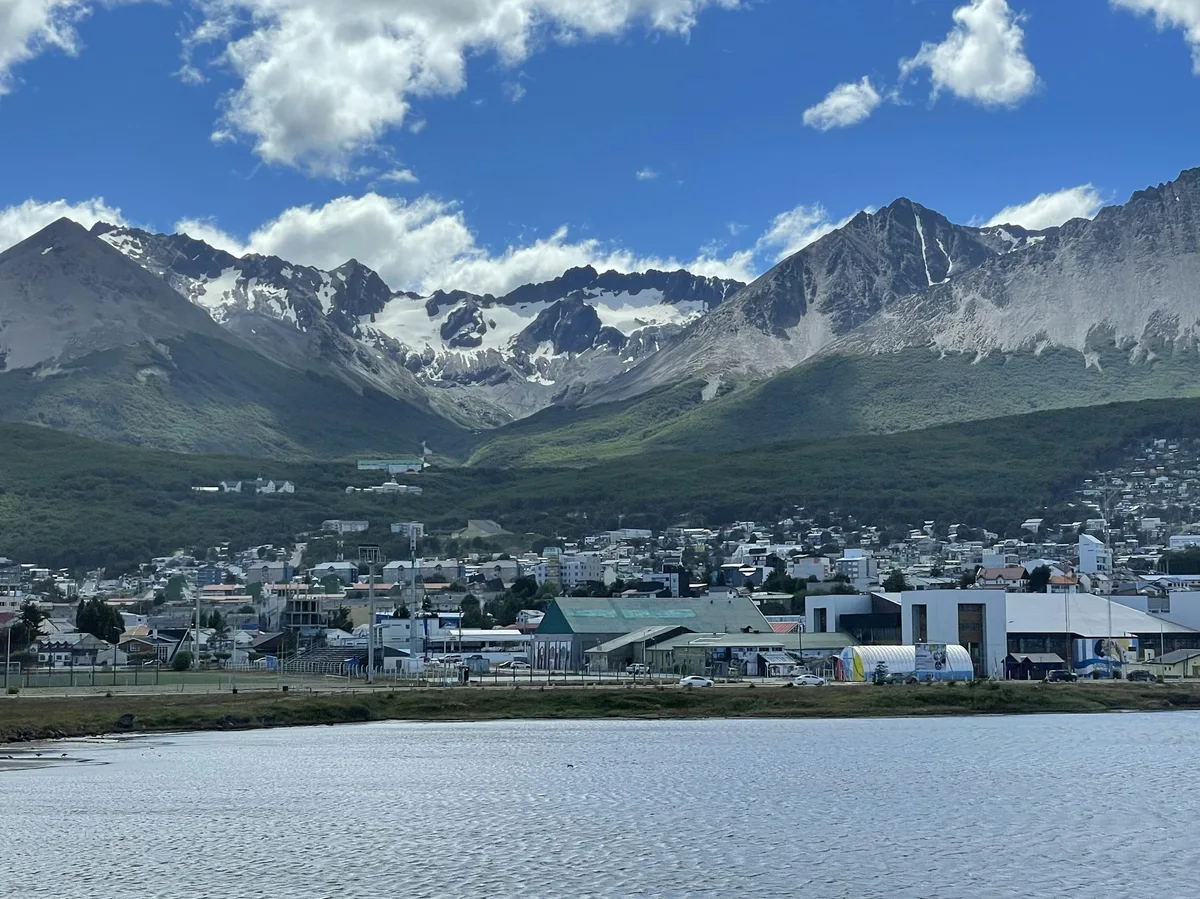 Multi-Day Tours
A romantic 15-day private tour from Buenos Aires' tango scene through Ushuaia and Tierra del Fuego, glacier estancias in El Calafate, Salta's Rainbow Mountain, and Iguazu Falls.
Visitor guide
The Quebrada de Humahuaca is a narrow mountain valley in Jujuy Province in northwest Argentina, about 155 km long and running north to south. It is a UNESCO World Heritage Site known for its colourful rock walls, adobe villages and a history as a crossroads of Andean trade.
Wikipedia states that the valley has been populated for at least 10,000 years and that its stone-walled agricultural terraces, thought to be more than 1,500 years old, are still in use. The terraces connect a series of fortified towns called pucaras. The valley later became a caravan route of the Inca Empire in the 15th century, then a link between the Viceroyalty of the Río de la Plata and the Viceroyalty of Peru, and was a stage for battles in the Spanish War of Independence. It was designated a protected landscape in 2000 and became a UNESCO World Heritage Site on 2 July 2003.
The name quebrada means a deep valley or ravine, and the valley takes its name from the town of Humahuaca. The Río Grande flows through it, running strongly in summer and dry in winter.
Purmamarca is a small town whose name is interpreted from Aymara as something like town of the virgin land. Its church, built in 1648 and dedicated to Saint Rose of Lima, is a National Historic Monument with adobe walls, a roof of cactus wood and a single narrow nave. Behind the town rises the Cerro de los Siete Colores, whose bands of colour, according to Wikipedia, come from a complex geological history of marine sediments and lake and river deposits uplifted by tectonic movement.
Tilcara lies about 2,500 m above sea level and is one of the oldest continuously inhabited settlements in Argentina. Just outside it, the Pucará de Tilcara is a partially rebuilt pre-Inca fortification built by the Omaguaca people from around the 12th century. Wikipedia says it once housed more than 2,000 people and was later used by the Incas as a military outpost. It was rediscovered in 1908 by Juan Bautista Ambrosetti and Salvador Debenedetti.
The town of Humahuaca is known for a town hall tower with a clock figure of Saint Francisco Solano that appears at midday. About 25 km away, the Serranía de Hornocal reaches roughly 4,761 m and shows the Yacoraite limestone formation in banded colours. Humahuaca has a cool arid climate, with warm afternoons but cold mornings, especially in the dry winter.
The valley is generally visited by road, stopping in villages along the way, with altitude to bear in mind. A private guided visit lets you move between towns and viewpoints at an easy pace and adjust time at each stop.
See every tour and attraction we cover in Argentina.