TorontoOntario · 36 tours
 Niagara FallsOntario · 25 tours
 New York CityNew York · 30 tours
 Las VegasNevada · 8 tours
 San FranciscoCalifornia · 16 tours
 VancouverBritish Columbia · 17 tours
 DubaiUAE · 54 tours
 Abu DhabiUAE · 5 tours
 Buenos AiresArgentina · 23 tours
 AthensGreece · 31 tours
 AucklandNew Zealand · 38 tours
 CancunMexico · 54 tours
No destinations match “”. Try searching all tours instead — that search understands full questions, not just place names.
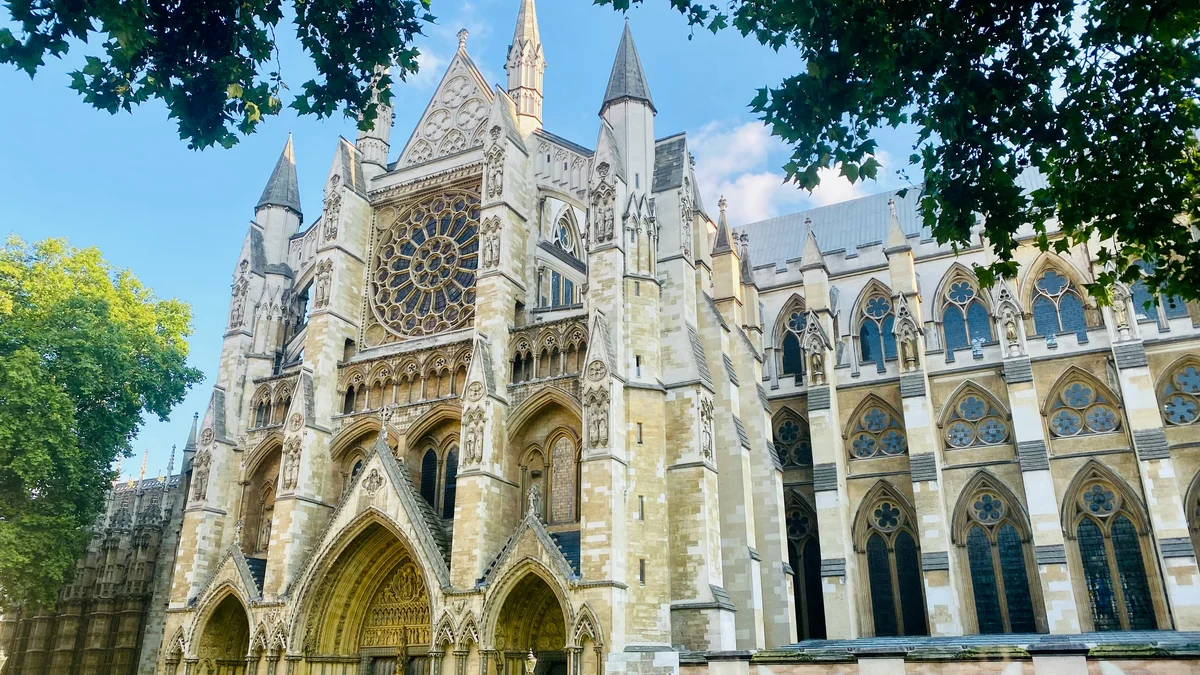
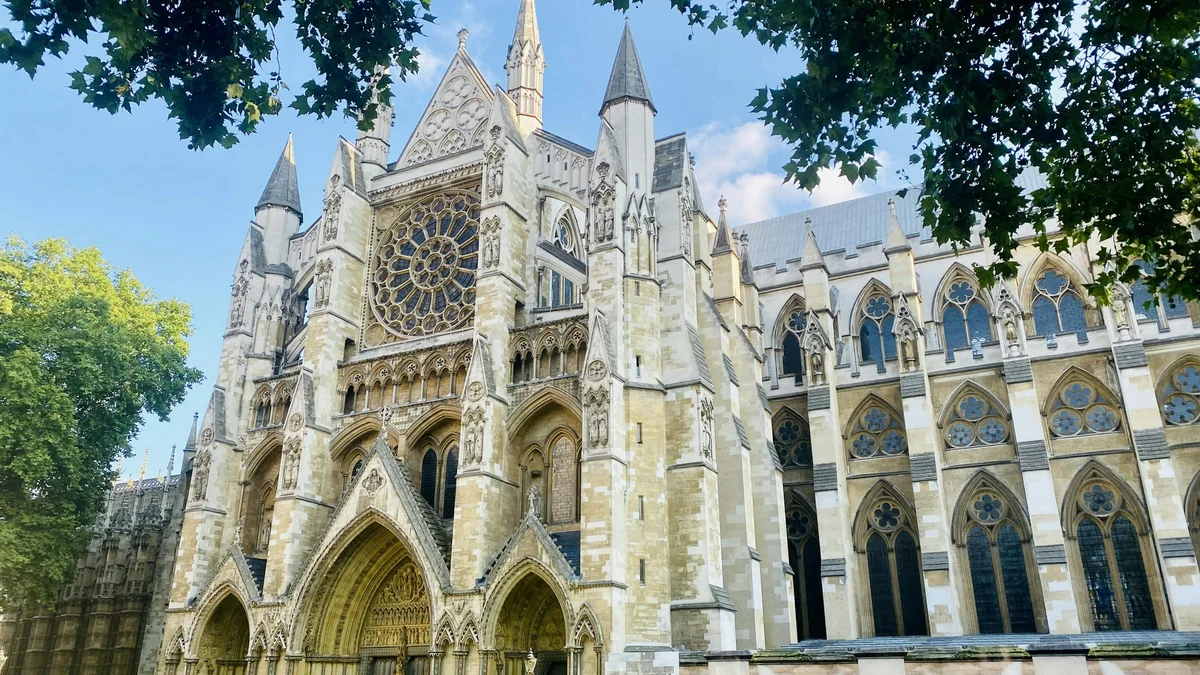
This Gothic abbey church has hosted every English and British coronation since William the Conqueror in 1066, and its interior is the resting place of numerous monarchs, poets, scientists, and statesmen, including Isaac Newton, Charles Darwin, and Geoffrey Chaucer. Its soaring nave, intricate rose window, and the medieval Poets' Corner make it as much a living monument to British history as a working church.
Visitor guide
Westminster Abbey, formally the Collegiate Church of Saint Peter at Westminster, is a Gothic church in the City of Westminster, London. It has been the setting for coronations since 1066, is the burial place of monarchs, poets and scientists, and forms part of a UNESCO World Heritage Site together with the Palace of Westminster and St Margaret's Church.
A monastery dedicated to Saint Peter stood on the site before the eleventh century, and the abbey's origins are generally dated to about 959, when Dunstan and King Edgar installed Benedictine monks on Thorney Island. Between 1042 and 1052 Edward the Confessor began rebuilding it as a royal burial church. It was Romanesque, the first church in England built on a cruciform plan, and was consecrated on 28 December 1065. Edward died about a week later and was buried there; he was canonised in 1161.
Henry III began rebuilding the church in the Gothic style on 6 July 1245 under his master mason Henry of Reynes, intending to honour Edward and to rival great French churches such as Reims Cathedral. The Cosmati pavement in front of the high altar dates from this period, and Edward's remains were moved to their present shrine behind the high altar in 1269. The nave was completed from 1376 under Richard II, and the west window was finished in 1495.
The vault rises about 31 metres, among the highest church vaults in Britain, and the church uses Purbeck marble piers and Reigate stone facings. The octagonal chapter house was built between 1250 and 1259, and the Pyx Chamber, a late eleventh-century undercroft, has a door described as the oldest dated door in Britain.
Henry VII's Lady Chapel was built from 1503 and structurally complete by 1509 in late Perpendicular Gothic style. The antiquary John Leland called it the wonder of the world. It holds the tomb of Henry VII and Elizabeth of York by Pietro Torrigiano, along with tombs of Elizabeth I, Mary I, Mary, Queen of Scots and others.
After the dissolution of the monasteries Elizabeth I re-established the church in 1560 as a royal peculiar, answerable directly to the sovereign. The west towers were built in the 1740s by Nicholas Hawksmoor and John James, and George II, buried in 1760, was the last monarch interred in the abbey.
Wikipedia records that 40 English and British monarchs have been crowned in the abbey, while the abbey's own website says thirty kings and queens are buried there, with more than 3,300 people interred or commemorated, including prime ministers, scientists and military leaders. The Coronation Chair was made for Edward I, who captured the Stone of Scone in 1296 to hold in it; a suffragette bomb damaged the chair in 1914. Poets' Corner is among the best-known memorial areas, and the Unknown Warrior is buried within the church. Royal weddings have taken place here since 1100, including that of Prince William and Catherine Middleton on 29 April 2011.
Because the abbey is a working church, a private guided visit with a driver can set the abbey in context beside Parliament Square and the nearby Houses of Parliament.
See every tour and attraction we cover in London.