TorontoOntario · 36 tours
 Niagara FallsOntario · 25 tours
 New York CityNew York · 30 tours
 Las VegasNevada · 8 tours
 San FranciscoCalifornia · 16 tours
 VancouverBritish Columbia · 17 tours
 DubaiUAE · 54 tours
 Abu DhabiUAE · 5 tours
 Buenos AiresArgentina · 23 tours
 AthensGreece · 31 tours
 AucklandNew Zealand · 38 tours
 CancunMexico · 54 tours
No destinations match “”. Try searching all tours instead — that search understands full questions, not just place names.
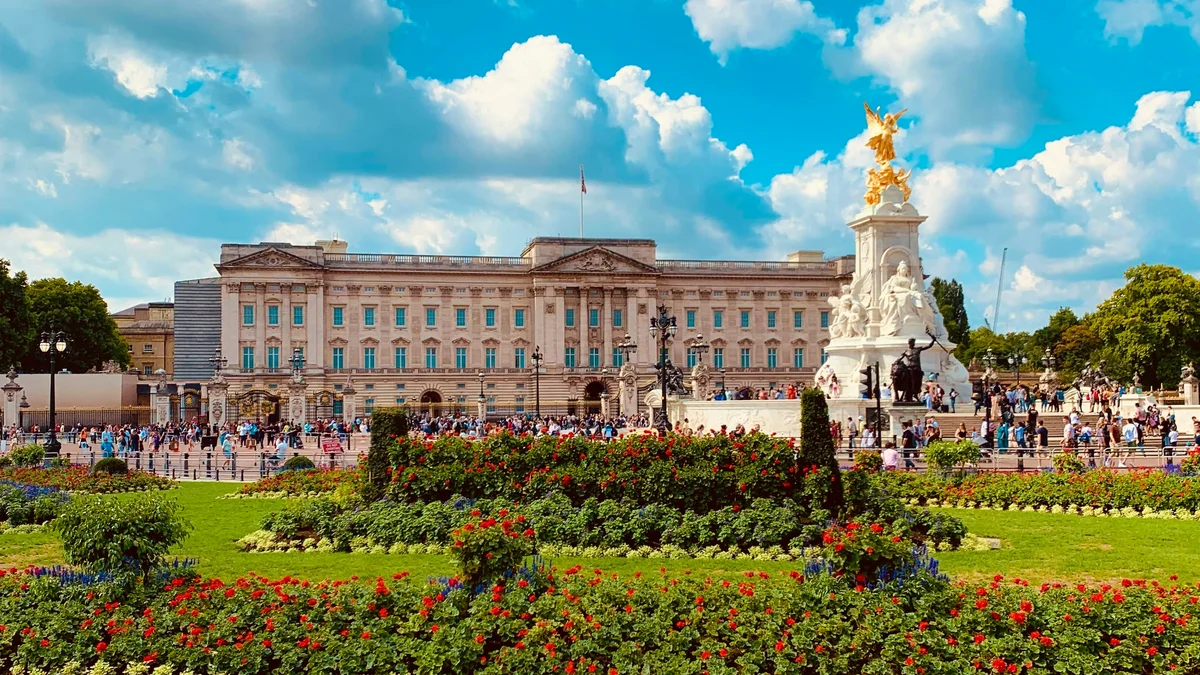
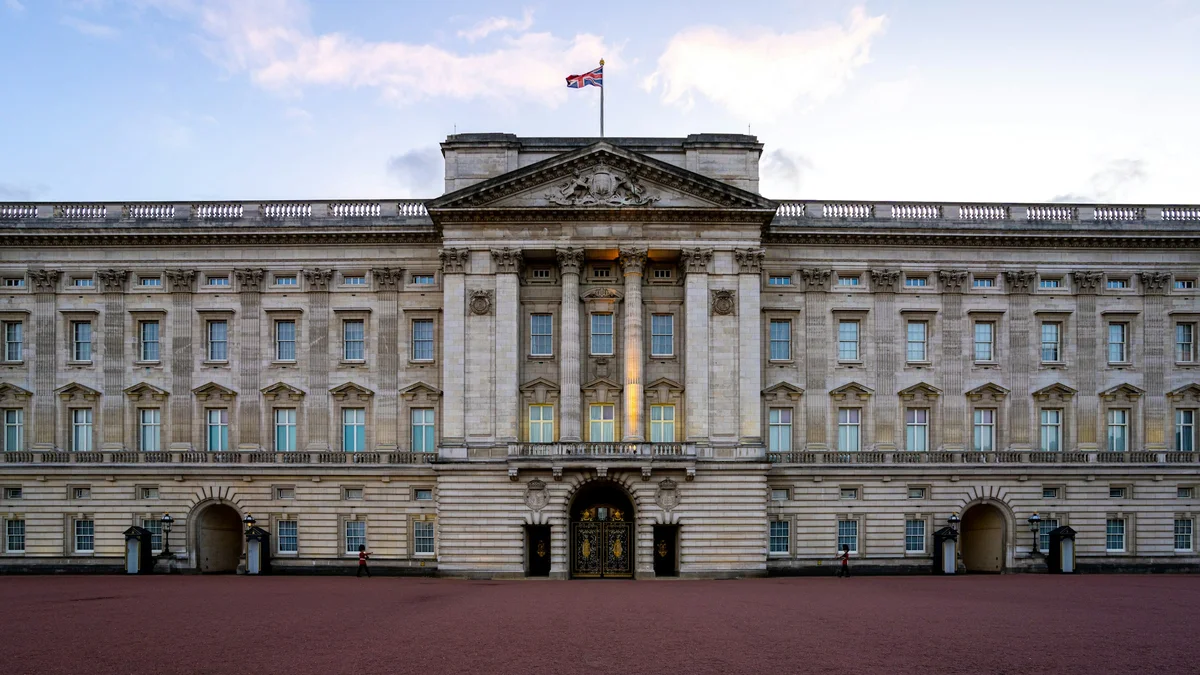
The official London residence of the British monarch since 1837, Buckingham Palace has 775 rooms and remains the working headquarters of the royal household. Its most famous public moment is the Changing of the Guard ceremony held in the forecourt, while the ornate Victoria Memorial and the flower-filled gardens facing the palace gates draw crowds of visitors year-round.
Visitor guide
Buckingham Palace is the official London residence and administrative headquarters of the British monarch, in the City of Westminster. It is a Grade I listed building and is the focus of royal ceremony and national celebration.
The core of the building began as Buckingham House, a large townhouse built in 1703 for John Sheffield, 1st Duke of Buckingham and Normanby, to a design by William Winde. George III acquired it in 1761 as a private residence for Queen Charlotte, and it became known as The Queen's House. In 1826 George IV commissioned John Nash to turn it into a palace, but Nash was removed in 1829 after costs rose dramatically, and William IV hired Edward Blore to finish the work. Queen Victoria became the first monarch to reside at the palace after her accession in 1837.
Blore designed a new east wing, built by Thomas Cubitt from 1847 to 1849, which enclosed the central quadrangle. James Pennethorne added a ballroom wing, and the Ballroom of 1854 is the largest room in the palace. In 1913 Aston Webb redesigned the east front in Portland stone, creating the facade now seen from The Mall. The Victoria Memorial, a statue of Queen Victoria by Thomas Brock, stands outside the main gates as the centrepiece of the memorial and ceremonial approach.
The palace has 775 rooms, including 19 state rooms, 52 principal bedrooms, 188 staff bedrooms and 92 offices, and the front measures 355 feet. The state rooms are on the first floor and include the Throne Room, the Picture Gallery and the Blue and White Drawing Rooms. The balcony on the east front is where the royal family traditionally greets crowds.
The garden covers about 39 acres and contains over 1,000 trees and a lake, and garden parties are held there each summer. The nearby Royal Mews, designed by Nash, houses the royal carriages, including the Gold State Coach designed by William Chambers in 1760. The King's Gallery, which opened in 1962 on the site of the palace chapel destroyed in the Second World War, displays works from the Royal Collection.
The palace was bombed nine times in the Second World War, and the royal family appeared on the balcony on VE Day in 1945. State rooms have been open to the public in the summer and on selected dates since 1993, and admissions income was originally directed toward rebuilding Windsor Castle after its 1992 fire. The Changing of the Guard takes place in the forecourt, with music from the Band of the Grenadier Guards. Wikipedia notes that King Charles III and Queen Camilla live at nearby Clarence House but conduct official business at the palace.
A private guided visit with a driver can pair the palace with the Mall, St James's Park and Westminster.
See every tour and attraction we cover in London.