TorontoOntario · 36 tours
 Niagara FallsOntario · 25 tours
 New York CityNew York · 30 tours
 Las VegasNevada · 8 tours
 San FranciscoCalifornia · 16 tours
 VancouverBritish Columbia · 17 tours
 DubaiUAE · 54 tours
 Abu DhabiUAE · 5 tours
 Buenos AiresArgentina · 23 tours
 AthensGreece · 31 tours
 AucklandNew Zealand · 38 tours
 CancunMexico · 54 tours
No destinations match “”. Try searching all tours instead — that search understands full questions, not just place names.
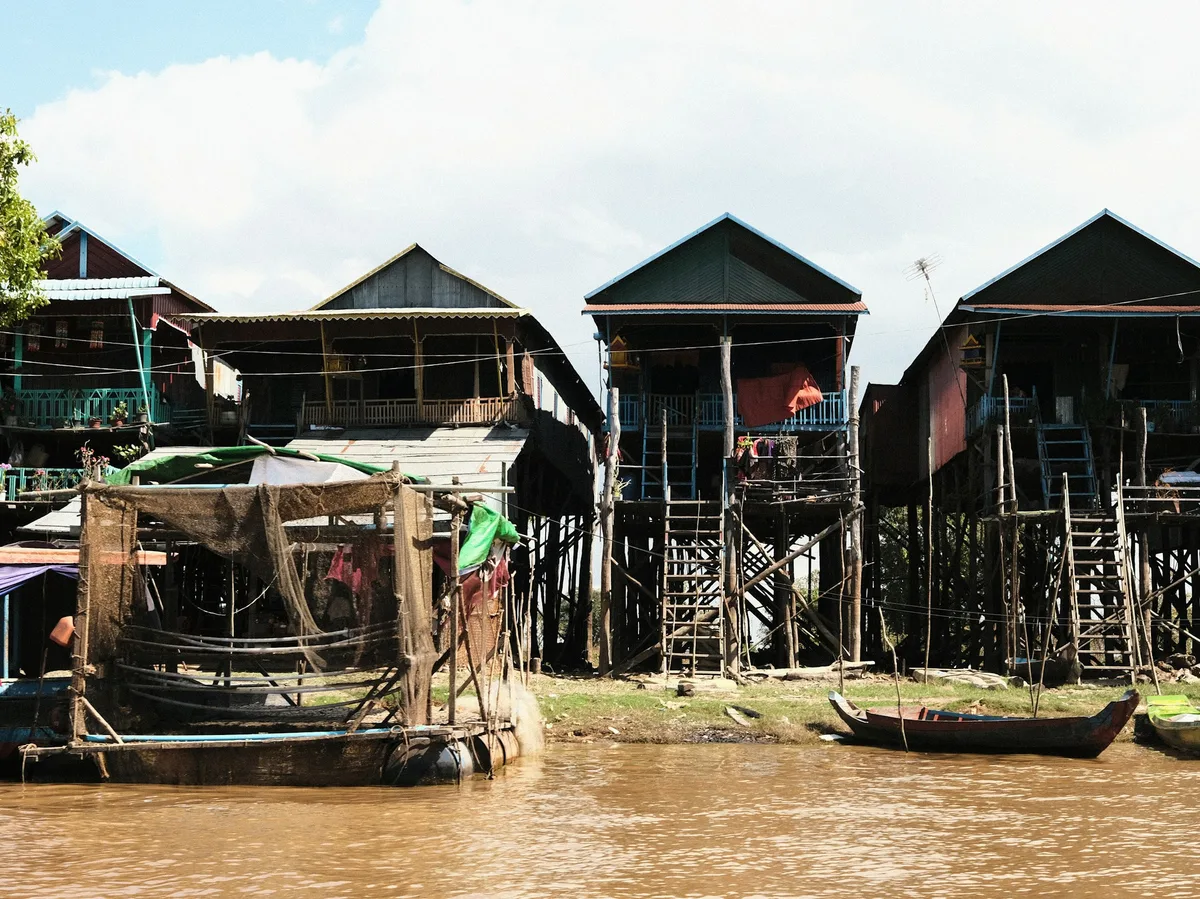
Southeast Asia's largest freshwater lake, home to floating and stilt villages where communities fish, farm, and trade on the water — a striking window into rural Cambodian life.
 Multi-Day Tours Popular Pick
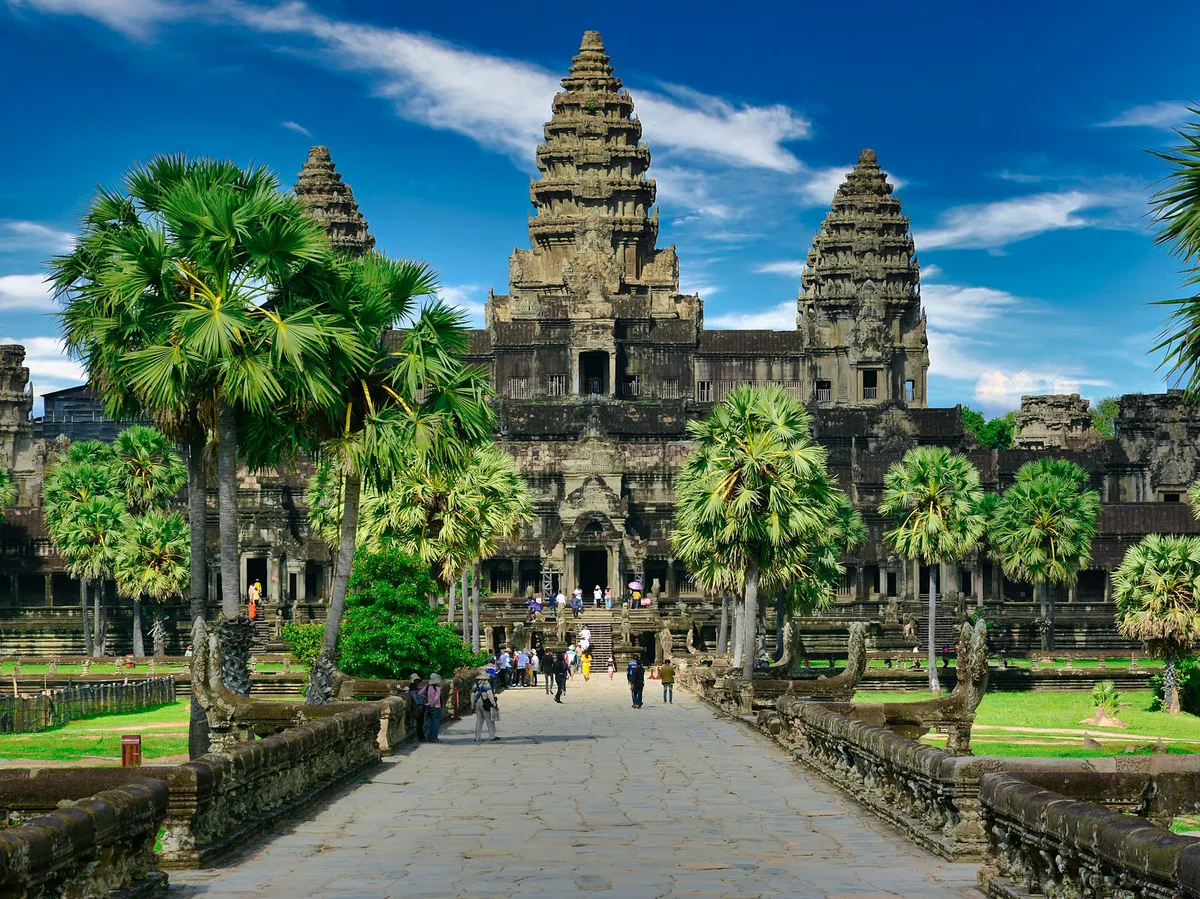
A 9-day journey through Cambodia's ancient Angkor temples, the floating villages of Tonlé Sap, Phnom Penh's history, and a restful finish on the Sihanoukville coast.
 Multi-Day Tours
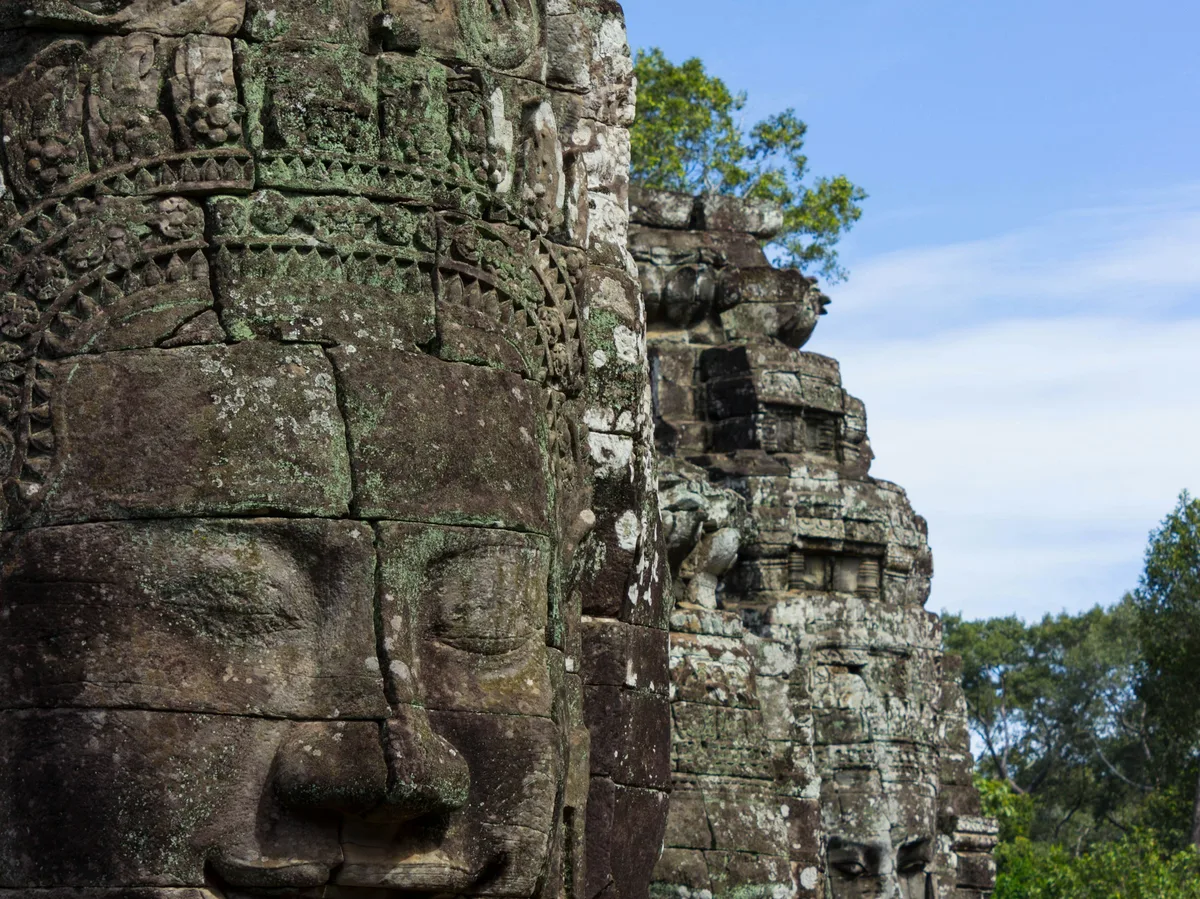
A 9-day pairing of Cambodia's Angkor temples and Tonlé Sap floating villages with Laos's Luang Prabang, its waterfalls, and a Mekong-tributary kayaking route.
Visitor guide
Tonle Sap is a lake in central Cambodia and the largest freshwater lake in Southeast Asia, part of the Mekong river system. Its name is often translated as Great Lake, and it is known for a remarkable seasonal cycle in which the water changes direction and the lake multiplies in size.
According to Wikipedia, the lake drains a basin of about 86,000 square kilometres, bordered by the Cardamom Mountains to the southwest and the Piandan Mountains to the north. Its waters are thought to be remnants of a former bay that formed as sea levels rose after the last glacial period. A river about 120 kilometres long links the lake to the Mekong.
The water volume changes dramatically over the year. In the dry season the lake covers roughly 2,500 to 3,000 square kilometres and is typically about a metre deep. In the rainy season it expands to a maximum of about 16,000 square kilometres, with depths of 9 to 14 metres.
Monsoon rains begin in May or June, and the rising Mekong pushes water up the Tonle Sap River into the lake. When the Mekong falls below the lake's level late in the rainy season, the river reverses and flows back toward the Mekong. The river therefore flows in one direction for about six months and the other for the remaining six. The lake acts as a natural flood reservoir that reduces flooding downstream near Phnom Penh, and in the dry season it supplies a substantial share of the Mekong Delta's flow.
The lake supports at least 149 fish species, including several that are globally threatened, and it is one of the world's most productive freshwater ecosystems. Birds recorded include the spot-billed pelican, greater adjutant and Bengal florican, and the lake also hosts Siamese crocodiles. Flooded forests fringe the shore. UNESCO designated Tonle Sap a Biosphere Reserve in 1997, and a 2001 royal decree formalised the reserve across nine provinces, with core areas at Prek Toal, Boeng Chhmar and Stung Sen.
Around 1.2 million people live in the Tonle Sap area. The lake produces roughly 60 percent of Cambodia's annual freshwater fish catch, and fish provide a major share of local protein. Prahok, a fermented fish paste, is a staple of Cambodian cooking. Many fishing families, including ethnic Vietnamese and Cham communities, live in floating villages, while rice farming is also central to the region's economy. Houses in many communities are built on stilts or float so they can rise and fall with the changing water level.
Wikipedia notes that illegal fishing, poaching and forest clearing remain problems, and that dams upstream in the wider Mekong basin may reduce flows and fish populations. Because the water level shifts so much, what a visitor sees depends heavily on the season, from stilt houses towering over dry mud to boats gliding among treetops in the flooded forest. A private guided visit helps explain how the community and the lake depend on each other.
See every tour and attraction we cover in Cambodia.