TorontoOntario · 36 tours
 Niagara FallsOntario · 25 tours
 New York CityNew York · 30 tours
 Las VegasNevada · 8 tours
 San FranciscoCalifornia · 16 tours
 VancouverBritish Columbia · 17 tours
 DubaiUAE · 54 tours
 Abu DhabiUAE · 5 tours
 Buenos AiresArgentina · 23 tours
 AthensGreece · 31 tours
 AucklandNew Zealand · 38 tours
 CancunMexico · 54 tours
No destinations match “”. Try searching all tours instead — that search understands full questions, not just place names.
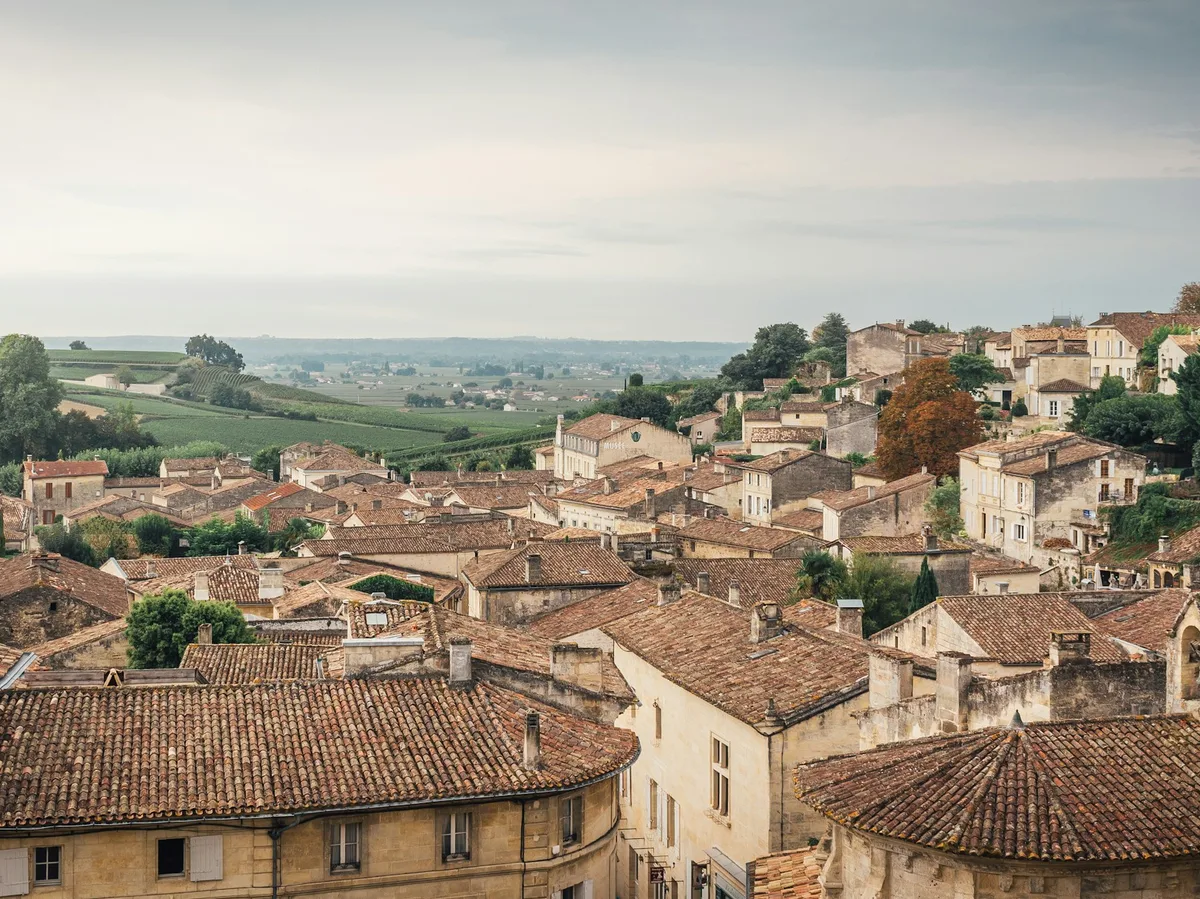
A UNESCO World Heritage wine village near Bordeaux, famous for its medieval monolithic church, underground catacombs, and the vineyards that surround it.
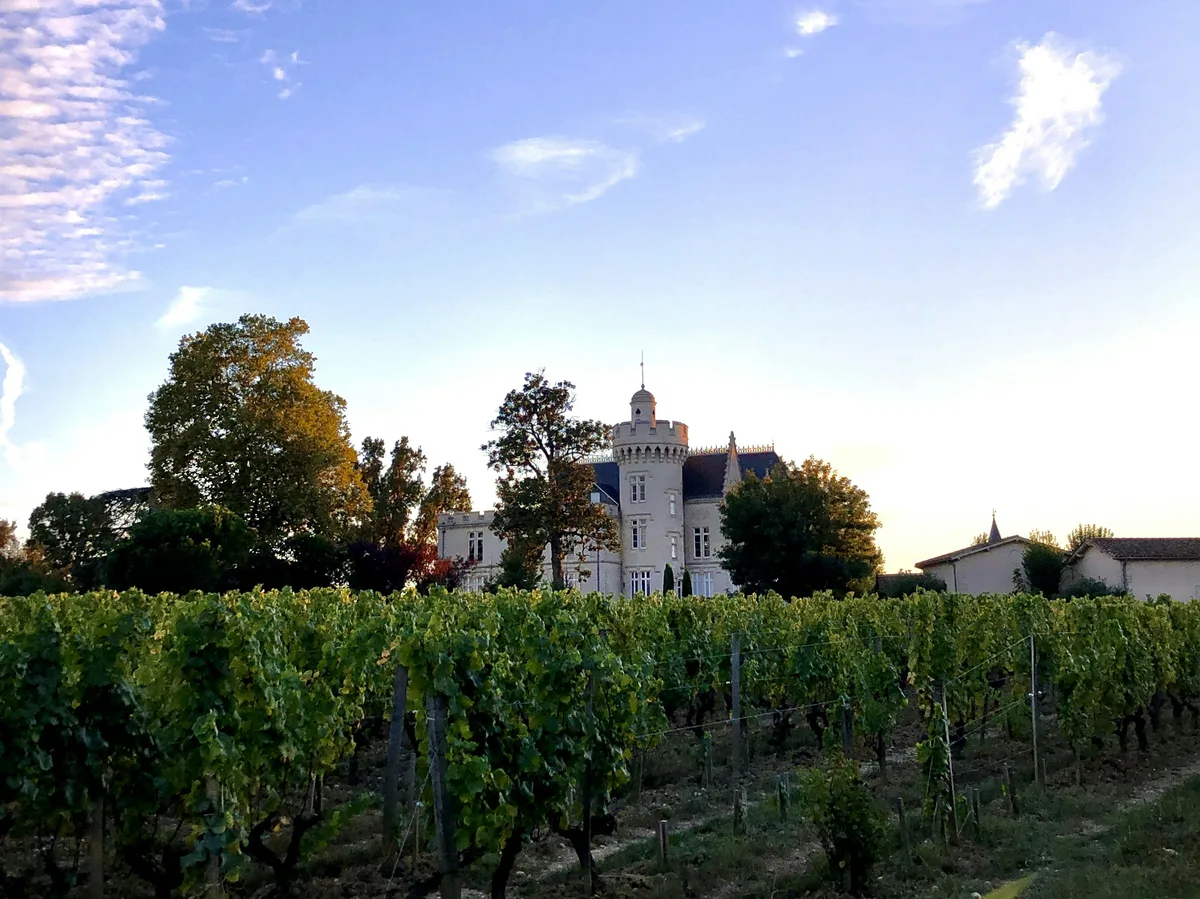 Multi-Day Tours Popular Pick
A 12-day food-and-wine circuit through France by train — Bordeaux and the Médoc, back to Paris for the Louvre and Notre-Dame, Burgundy's Beaune, gastronomic Lyon, and Provence's Avignon.
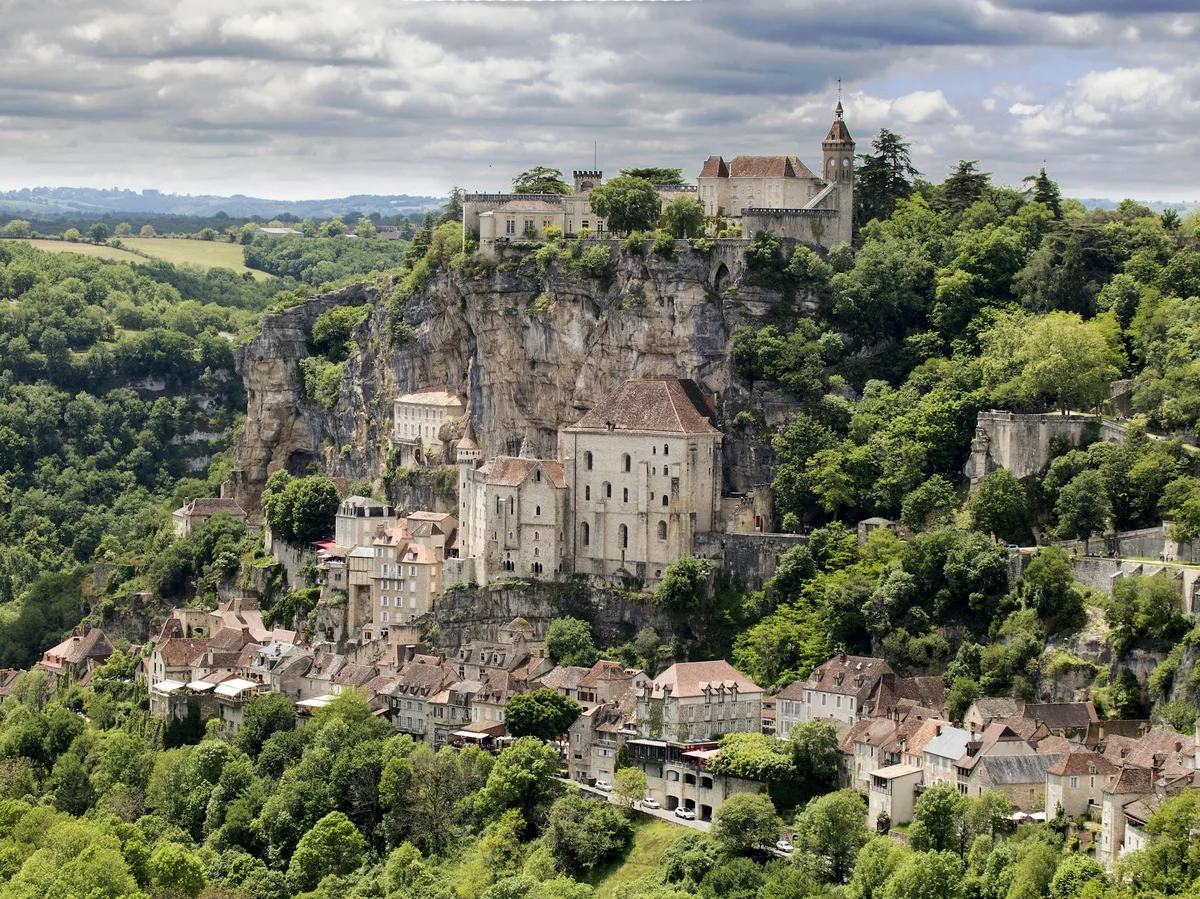 Multi-Day Tours
A 10-day private route through Southwest France — Bordeaux's wine scene, the UNESCO village of Saint-Émilion, medieval Sarlat and the Lascaux cave paintings, cliffside Rocamadour, Cahors, and Toulouse, the Pink City.
Visitor guide
Saint-Emilion is a medieval hilltop town in the Gironde department of Nouvelle-Aquitaine, southwestern France, about 35 kilometres east of Bordeaux. The town and its surrounding vineyards were made a UNESCO World Heritage Site in 1999 for their long winemaking history and Romanesque churches.
Wikipedia says the area has been settled since the Upper Paleolithic, and that the Romans planted vineyards here as early as the 2nd century AD. The town takes its name from the Breton monk Emilion (Emilian), who died in 767 and who, according to tradition, lived in a hermitage carved from a rock shelter. A well-known legend says that loaves of bread he was carrying to the poor turned into wood when questioned by a lord; this is legend rather than recorded history. The monks who followed him are said to have started commercial wine production in the area.
Because Saint-Emilion lay on a Camino de Santiago route, many monasteries and churches were built in the Middle Ages. In 1199, under Plantagenet rule, the town was granted full rights, and the Jurade of Saint-Emilion, a wine brotherhood, was founded. It lapsed at the French Revolution and was revived in 1948.
The monolithic church is an 11th-century church carved entirely out of a limestone cliff. Wikipedia describes it as one of the largest underground churches in Europe, with an estimated 15,000 cubic metres of rock removed. Its great hall measures about 38 metres long and 20 metres wide, divided into three naves of six bays. Few traces of its painted decoration survive, though carved figures such as lions, serpents and centaurs can be seen. No documents record its construction; it is thought to have been built between the late 11th and early 12th centuries to honour the saint's remains.
The Tour du Roy is a limestone keep dated to 1237, nearly 15 metres tall. Its name suggests a link with the English crown, but other sources say it was only the municipal bell tower. The Jurade uses it to proclaim the judgement of the new wine in June and the harvest ban in September.
Saint-Emilion is one of Bordeaux's major Right Bank red wine regions, alongside Pomerol. Its wines are dominated by Merlot and Cabernet Franc. They were not included in the 1855 Bordeaux Classification; the first official Saint-Emilion classification came in 1955 and is designed to be revised periodically. Vineyards cover more than two-thirds of the commune, and chateaux built in the 18th and 19th centuries sit among them.
The town is also known for traditional macarons, which Wikipedia says have been made continuously since 1620 using a recipe handed down by Ursuline nuns.
The village has steep, narrow streets and cobbled lanes, so comfortable shoes help. The town sits among vineyards, and a private tour with a driver allows time to combine the village with a nearby wine estate visit; any tasting or tour arrangements should be confirmed in advance.
See every tour and attraction we cover in France.