TorontoOntario · 36 tours
 Niagara FallsOntario · 25 tours
 New York CityNew York · 30 tours
 Las VegasNevada · 8 tours
 San FranciscoCalifornia · 16 tours
 VancouverBritish Columbia · 17 tours
 DubaiUAE · 54 tours
 Abu DhabiUAE · 5 tours
 Buenos AiresArgentina · 23 tours
 AthensGreece · 31 tours
 AucklandNew Zealand · 38 tours
 CancunMexico · 54 tours
No destinations match “”. Try searching all tours instead — that search understands full questions, not just place names.
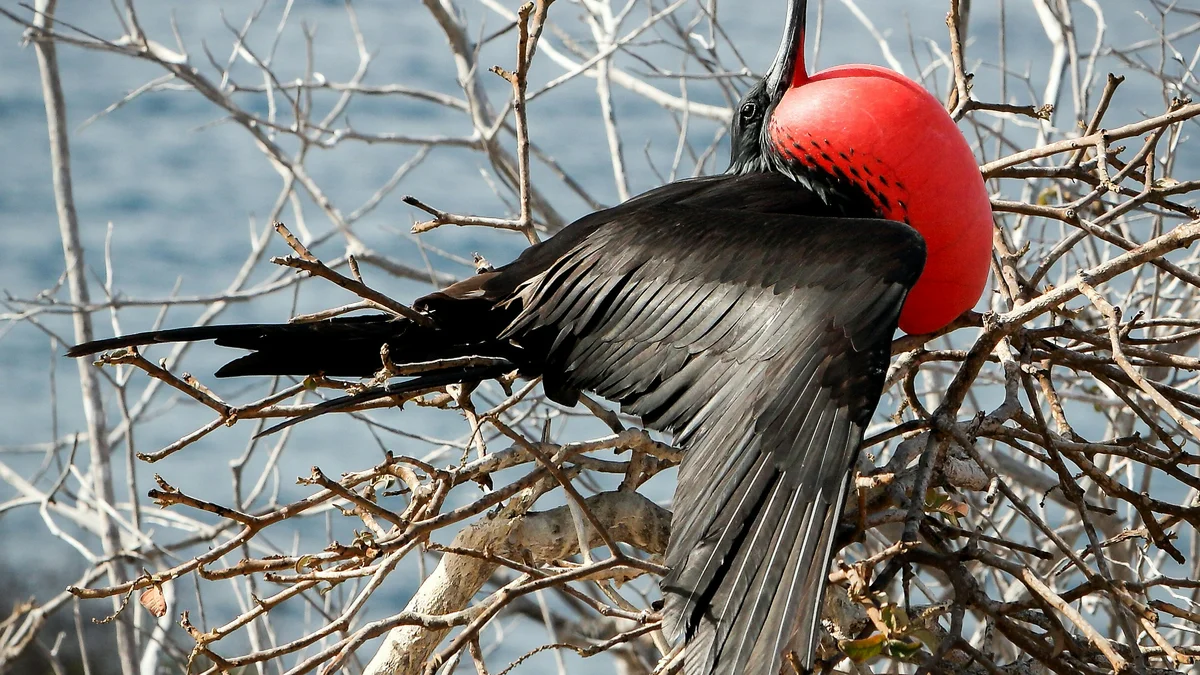
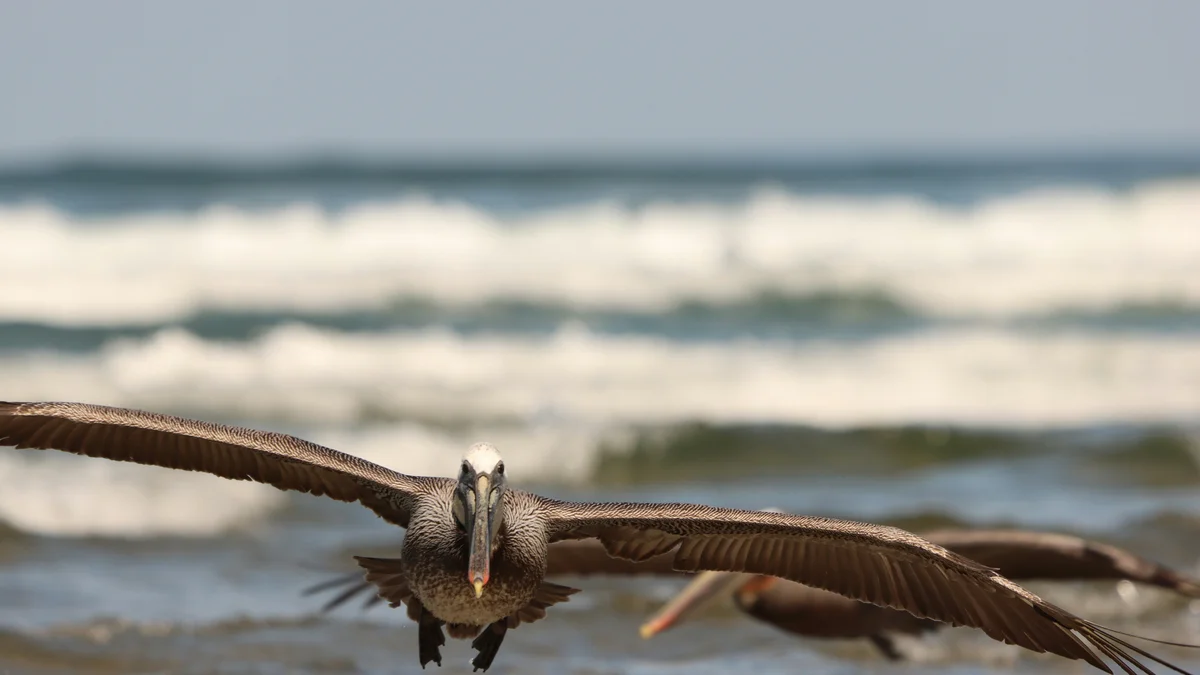
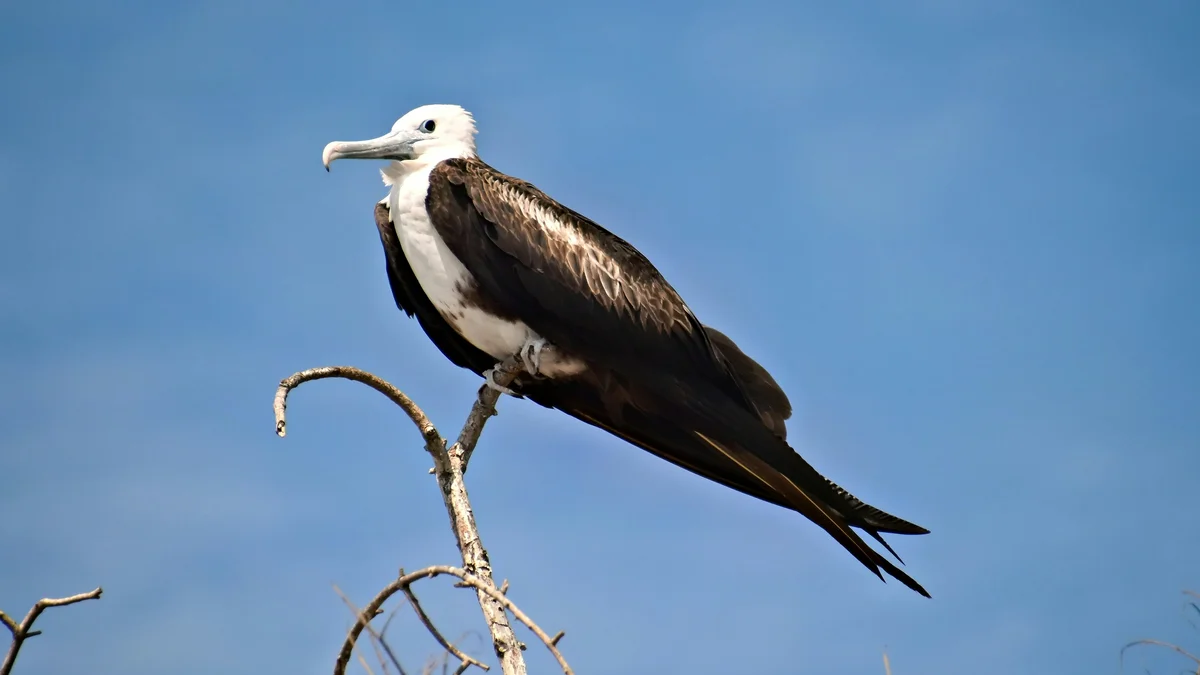
Isla Contoy is a real, protected national park island roughly 19 miles north of Cancún, accessible only by boat and with visitor numbers capped daily to limit human impact. It's a genuine nesting and feeding ground for well over 150 recorded bird species, including frigatebirds and pelicans, as well as sea turtles that come ashore to nest on its beaches. Because there's no permanent settlement or development allowed on the island, it remains one of the most ecologically intact spots near Cancún.
 Private Tours
A private tour for your group only — 'exclusive service just for you and your party' — to the real Isla Contoy National Park, with over 150 real bird species and a grilled lunch.
 Private Tours
A private tour for your group only, led by a real named guide, through the genuine Ruta de los Cenotes jungle corridor, with real documented bird species.
Visitor guide
Isla Contoy is a small protected island off the northern tip of the Yucatan Peninsula in Quintana Roo, Mexico, and a national park noted for its seabirds and nesting sea turtles. It lies about 30 kilometres north of Isla Mujeres and belongs to the Isla Mujeres municipality.
Wikipedia gives the island a length of about 8.5 kilometres and an area of about 3.17 square kilometres, while the Spanish-language article describes the national park as covering the whole island and nearby waters, about 5,128 hectares in total, of which roughly 230 hectares are land; the Ramsar information sheet lists about 238 hectares of land, so the English figure of 3.17 square kilometres appears too large. The terrain is flat, rising at most about 12 metres, with a rocky eastern coast and several lagoon mouths on the western side. The island has no freshwater bodies, only a few saltwater lagoons. It lies at the western end of the Yucatan Channel, where the Gulf of Mexico meets the Caribbean.
The Spanish article says the island's name may derive from Maya words for low waters offering shelter to sailors, or from a Maya word for pelican. Archaeological finds suggest visits as early as the pre-Classic period, around 300 to 200 BCE, probably only occasionally because there is no fresh water. It formed part of pre-Hispanic maritime trade routes and was a site of naval battles and shipwrecks in the colonial era. A lighthouse was built during the presidency of Porfirio Diaz, and turtle hunters and fishermen used the island for many years.
The Spanish article says President Adolfo Lopez Mateos declared the island a natural reserve and wildlife refuge in 1961, describing it as the first protected area on the Yucatan Peninsula. A visitor centre and research facilities opened in 1982, and in 1986 the beach was designated a sea turtle protection zone. A management plan was approved in 1994, and the national park decree was issued on 2 February 1998, extending protection to the surrounding sea. Wikipedia lists a Ramsar wetland designation in 2003, giving 27 November, while the Spanish article gives 2 November, so the day differs by source. It places the island under IUCN Category II.
CONABIO records, cited in the Spanish article, list more than 720 plant and animal species, with 98 plant species in coastal dune and mangrove communities. The park is described as home to 152 seabird and wetland species, including frigatebirds, brown pelicans and double-crested cormorants, and as holding the most important brown pelican colony on Mexico's east coast. The reddish egret, one of North America's rarer herons, is also noted. The reefs include the Ixlache reef in the south, and the article reports 234 fish species and 14 reptile species around the island.
Sea turtles nest on the island's beaches. Wikipedia names four species, loggerhead, green, hawksbill and leatherback, while the Spanish article names green, hawksbill and loggerhead, so sources differ on the leatherback. Beach protection for nesting is a central reason for the island's conservation status.
The island is run jointly by Mexico's environment ministry and the Isla Mujeres non-profit Amigos de Isla Contoy, according to Wikipedia. Wikipedia says only a few authorised operators bring visitors and that numbers are capped, with 200 per day given, but these details are tagged as needing citation, so current rules should be confirmed with the park. The Spanish article says sunscreen use and smoking are prohibited to protect the environment, and that tours depart from Cancun, Isla Mujeres or Puerto Juarez by boat. There are no hotels or permanent tourist services.
Visits focus on wildlife observation and water-based activities under park rules, and sea conditions and permits affect what is possible on a given day. A private arrangement with a driver can handle the road transfer to the departure point, while the crossing itself is made with an authorised boat operator.
See every tour and attraction we cover in Cancun.